rifanmuazin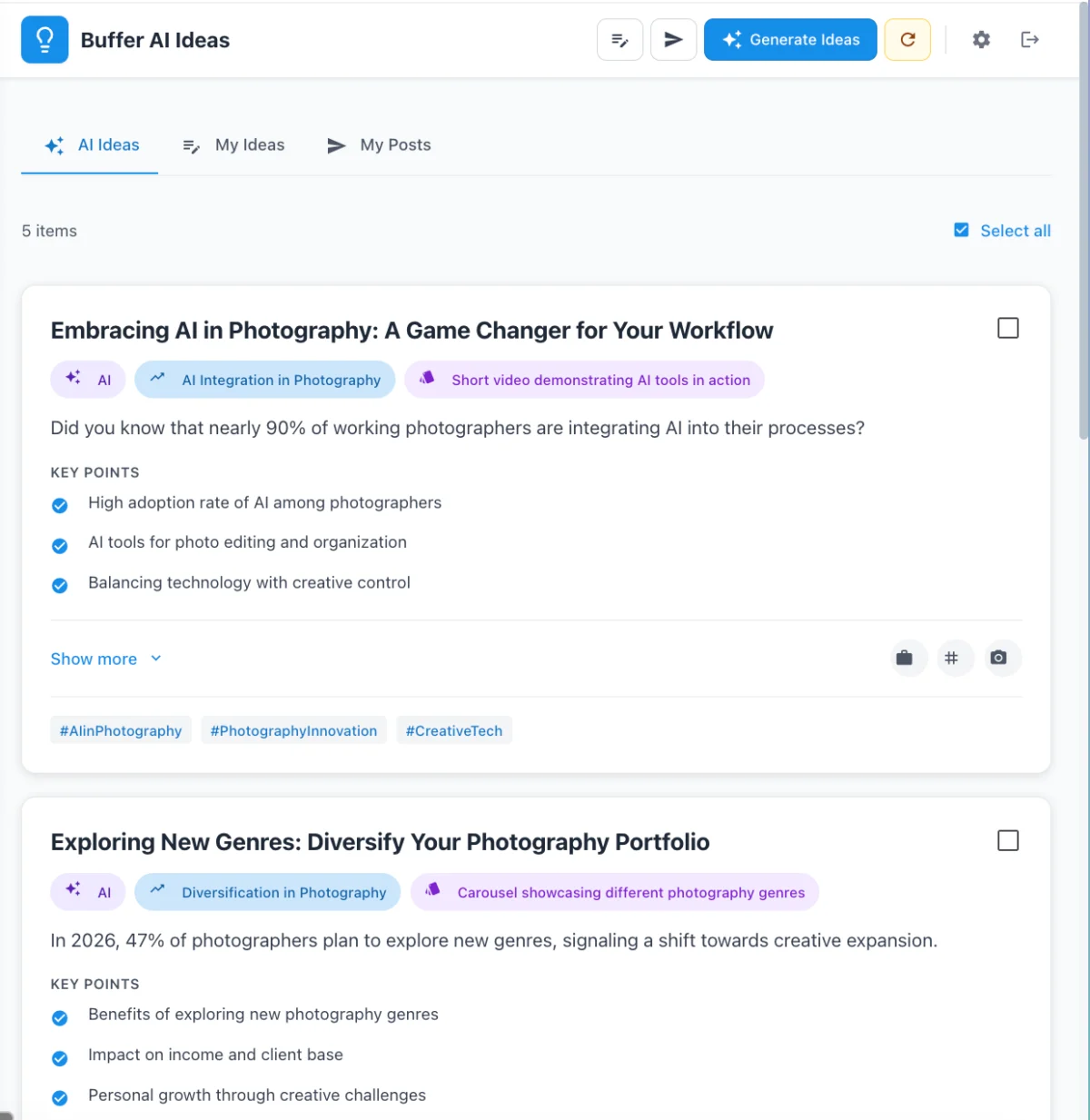
A full-stack engineer has launched a custom web application, the Buffer Ideas Extension, designed to overcome the pervasive challenge of content ideation and streamline the publishing process for professionals leveraging social media platforms like LinkedIn. This innovative tool, which integrates directly with Buffer’s robust scheduling and publishing infrastructure, aims to provide hyper-personalized, trend-aware content suggestions, effectively eliminating the "blank screen" dilemma faced by many content creators.
The initiative stems from a common pain point experienced by the engineer: despite having a wealth of knowledge and insights as a full-stack professional, the process of consistently generating relevant, engaging content for LinkedIn posts was often a significant bottleneck. While Buffer efficiently handles the scheduling, queuing, and publishing of content, the initial ideation phase remained a struggle. This often involved staring at a blank "Create Space," grappling with questions such as "What’s trending now?" "What topics resonate with my audience?" or "Which angle should I take?" The problem wasn’t a lack of topics, but rather the difficulty in selecting the most impactful one, refining its angle, and structuring it for immediate publication.
Addressing the Content Creation Bottleneck

The challenge of content generation is a widely acknowledged hurdle for professionals and businesses alike. Industry reports frequently highlight "content ideation" and "maintaining consistency" as top struggles for marketers and individual creators. In an increasingly competitive digital landscape, where platforms like LinkedIn are crucial for professional branding, networking, and thought leadership, the ability to produce timely, relevant, and high-quality content is paramount. However, the time and effort required for research, brainstorming, and structuring content can be prohibitive, especially for busy professionals like engineers who juggle demanding roles.
Traditional content idea generators often fall short by offering generic suggestions that lack contextual relevance. Phrases like "share a behind-the-scenes look" or "post a helpful tip" might serve as rudimentary starting points, but they fail to account for the creator’s specific industry, niche, target audience, or the real-time trends shaping their field. This disconnect often leads to bland, unengaging content that struggles to capture audience attention, ultimately diminishing the value of the creator’s online presence.
The Genesis of a Tailored Solution
Driven by this personal frustration and a keen understanding of the limitations of existing tools, the full-stack engineer embarked on developing a bespoke solution. The core concept was elegantly simple yet powerful: what if a content idea generator could first understand the user’s unique profile before offering suggestions? This meant incorporating information about their industry, specific topics of interest, and target audience into the ideation process. By doing so, the tool could move beyond generic prompts and deliver ideas that are not only relevant but also grounded in current industry trends.
The result is the Buffer Ideas Extension, a web application designed to seamlessly integrate into a content creator’s existing workflow, sitting "in front of Buffer’s Create Space." It acts as an intelligent pre-processor, gathering crucial user-specific information to inform its content generation. This personalized approach fundamentally shifts the paradigm from generic brainstorming to highly targeted, data-driven ideation.
Technical Architecture and User Experience
From a technical standpoint, the Buffer Ideas Extension is a testament to modern web development practices. Leveraging an Nx monorepo for efficient project management, the application features a robust NestJS backend, known for its scalability and maintainability, and a dynamic Angular 19 frontend, providing a responsive and intuitive user interface. This stack reflects a commitment to building a high-performance, future-proof application capable of handling complex operations, including real-time data fetching and API integrations. While the underlying technology is sophisticated, the user experience is designed for simplicity and efficiency, ensuring accessibility even for non-technical users.
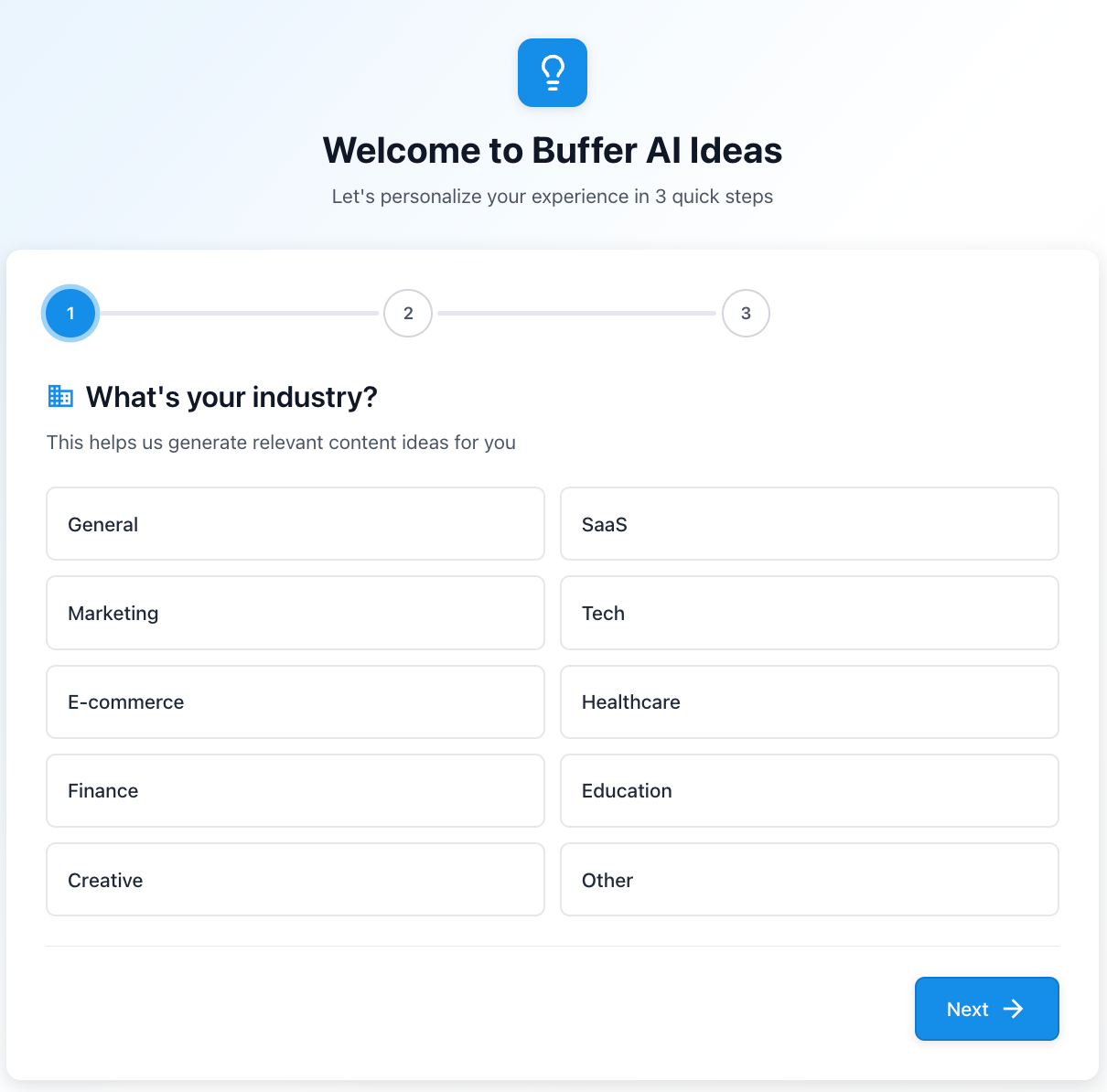
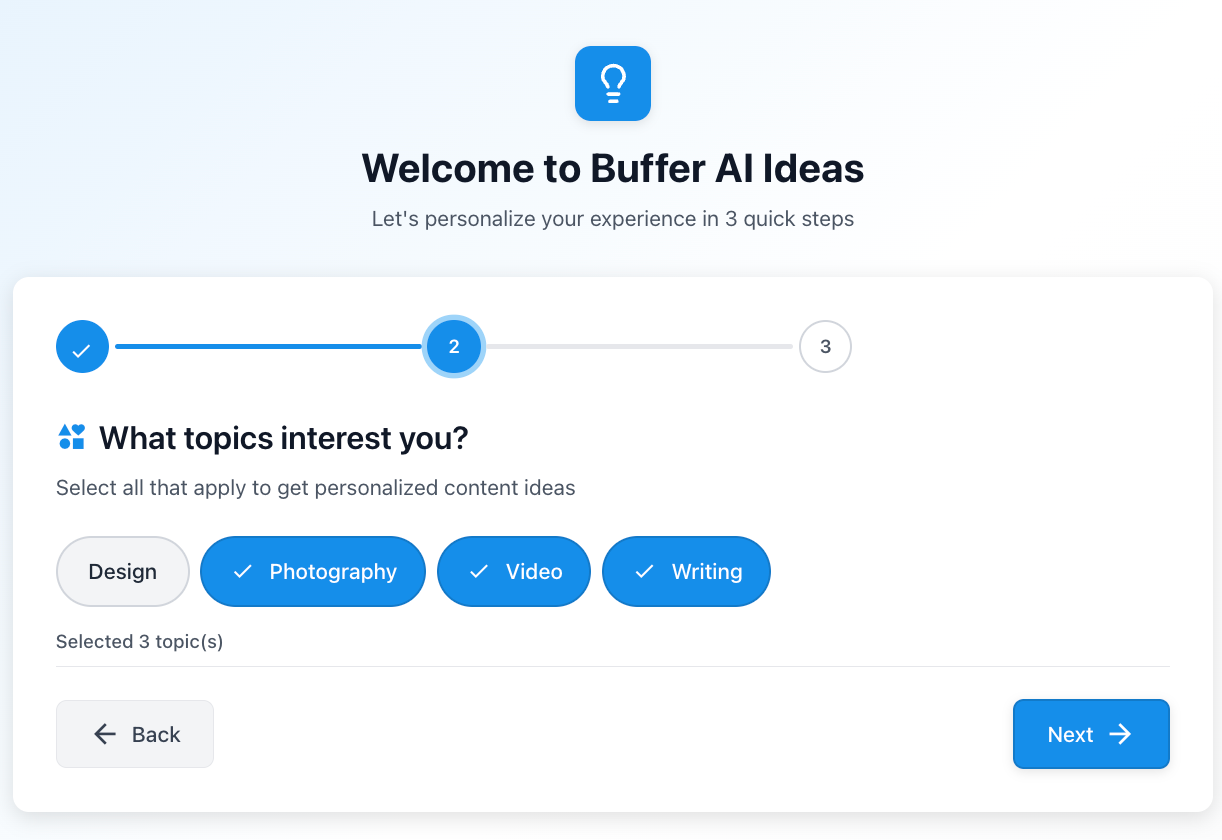
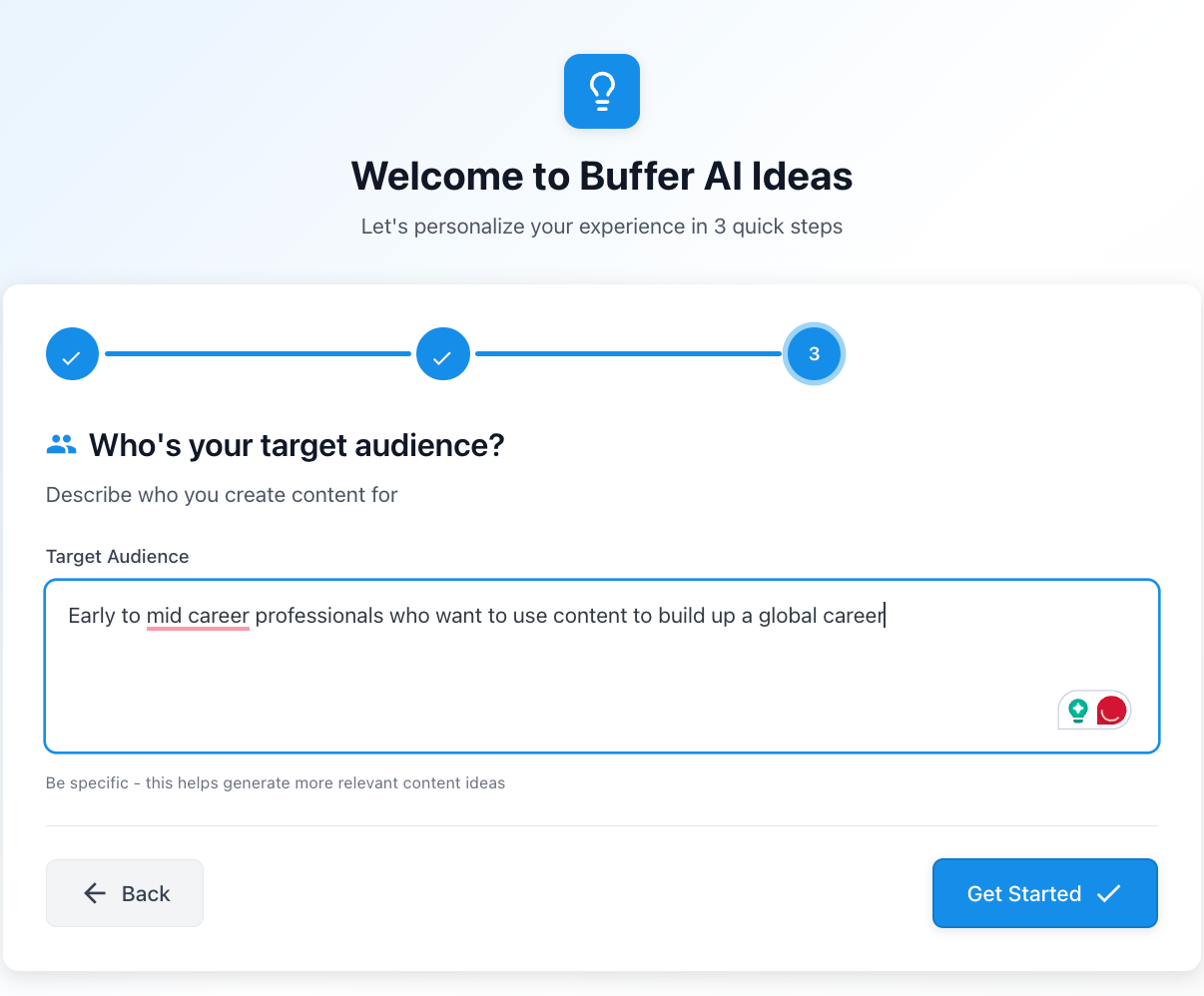
The initial onboarding process for the Buffer Ideas Extension is streamlined, requiring users to answer just three fundamental questions:
- Industry: Defining the user’s professional domain (e.g., Software Engineering, Creative, Marketing).
- Topics of Interest: Specifying key areas within their industry they wish to discuss (e.g., AI, cloud computing, photography, digital marketing).
- Target Audience: Identifying who they aim to reach (e.g., early-career professionals, senior leaders, entrepreneurs).
This brief, 30-second setup process is crucial. The answers provided are saved to the user’s profile and subsequently inform every idea generation request. This persistent contextual understanding allows the application to deliver highly tailored suggestions that resonate with the user’s specific professional identity and communication goals. For instance, a walkthrough with Tami from Buffer’s content team demonstrated the effectiveness of this personalization; by setting her industry as "Creative," interests as "photography, writing, and video," and audience as "early-to-mid-career professionals," the app generated ideas specifically filtered through this lens and anchored in trending topics within the creative space.
Intelligent Idea Generation: Under the Hood
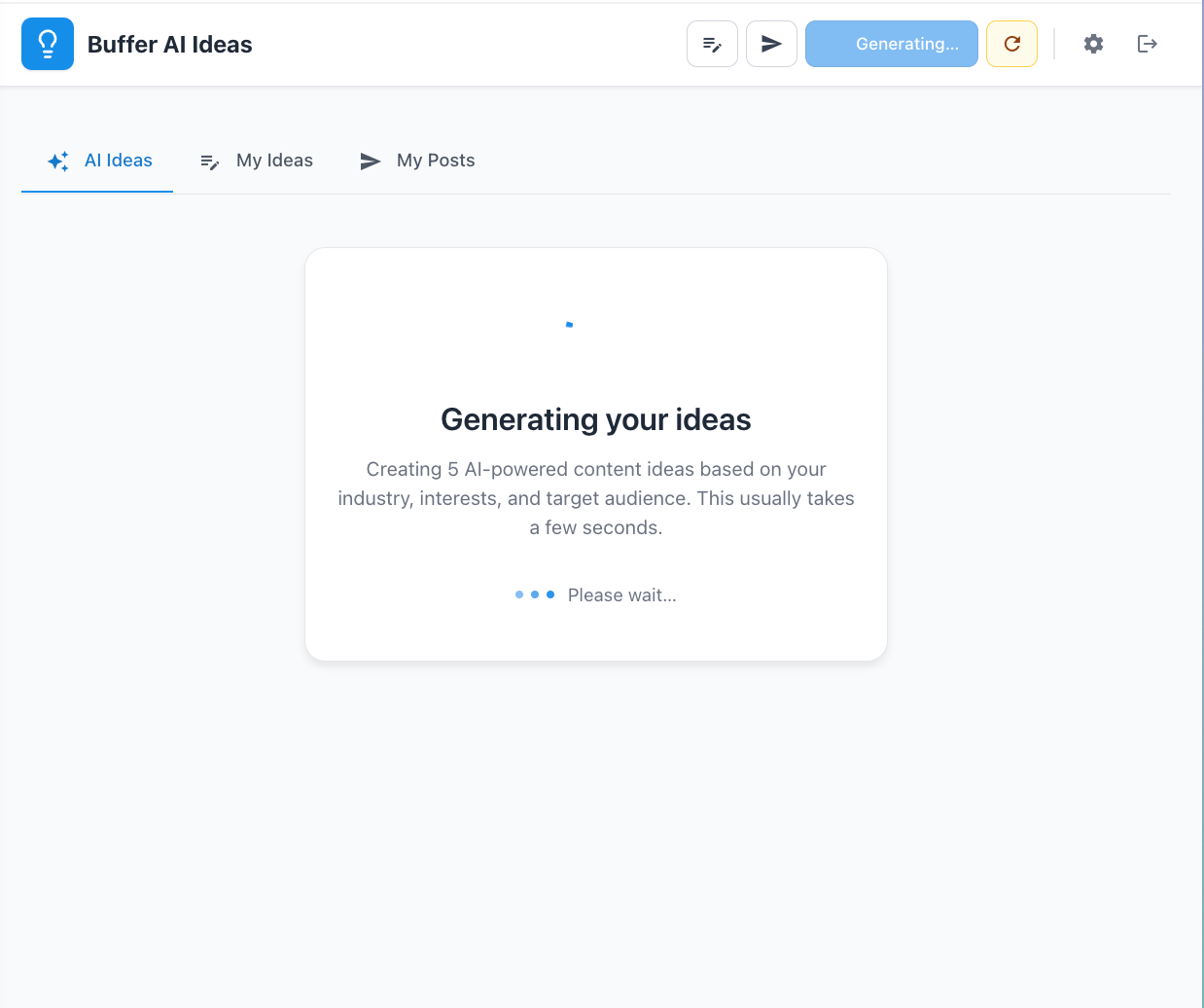
The true power of the Buffer Ideas Extension lies in its "Generate Ideas" functionality. Upon activation, the application initiates a real-time web search for trending topics relevant to the user’s predefined industry and interests, focusing on data from approximately the last 72 hours. This ensures that the generated ideas are not only personalized but also timely and reflective of current industry discourse.
The engineer implemented this advanced functionality using a single OpenAI Responses API call per request, critically enabling web search capabilities. This API call is further constrained by a strict JSON schema on the output, ensuring structured and predictable results. The prompt is meticulously crafted to solicit recent trends, yielding five distinct ideas per request.

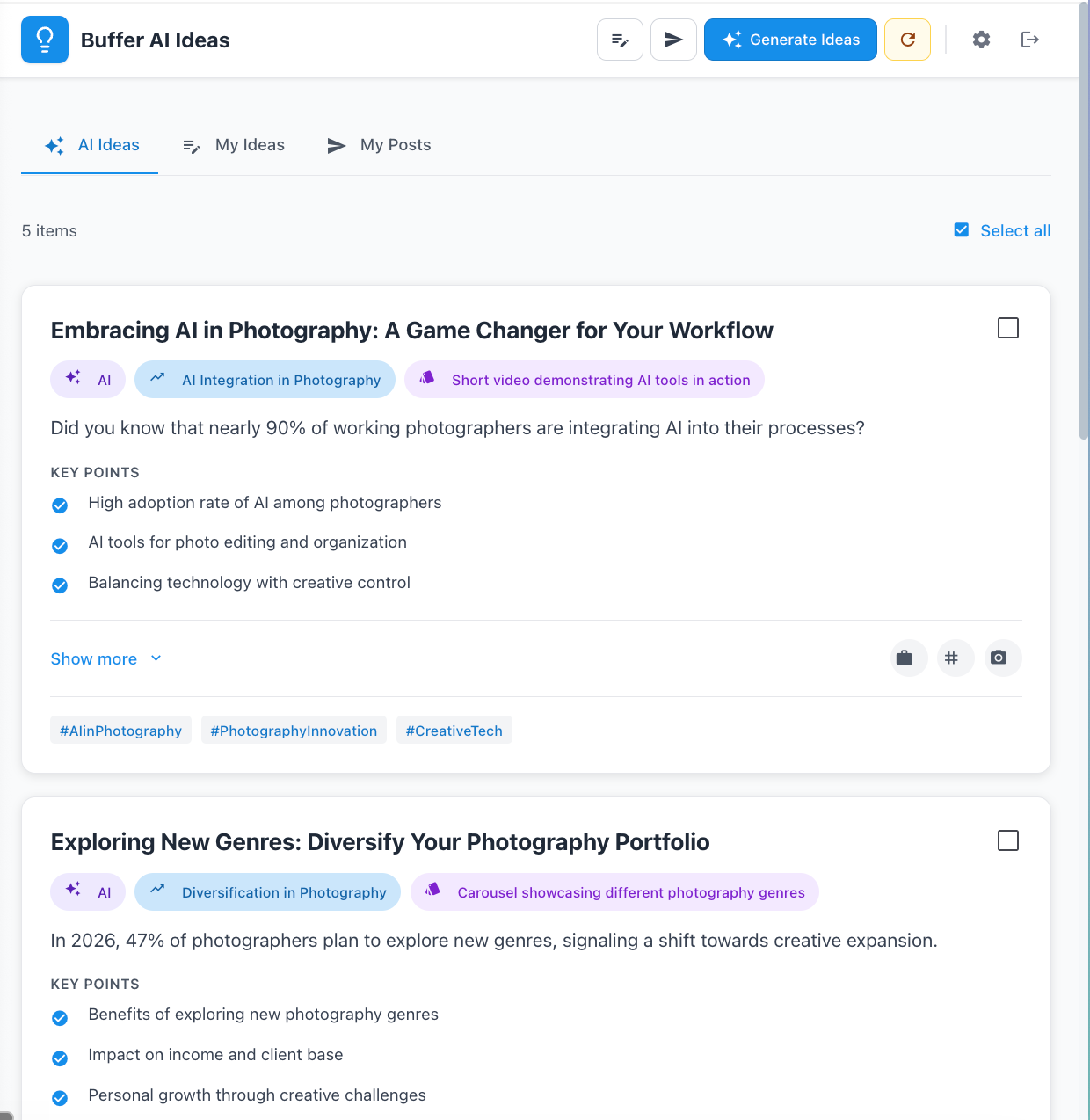
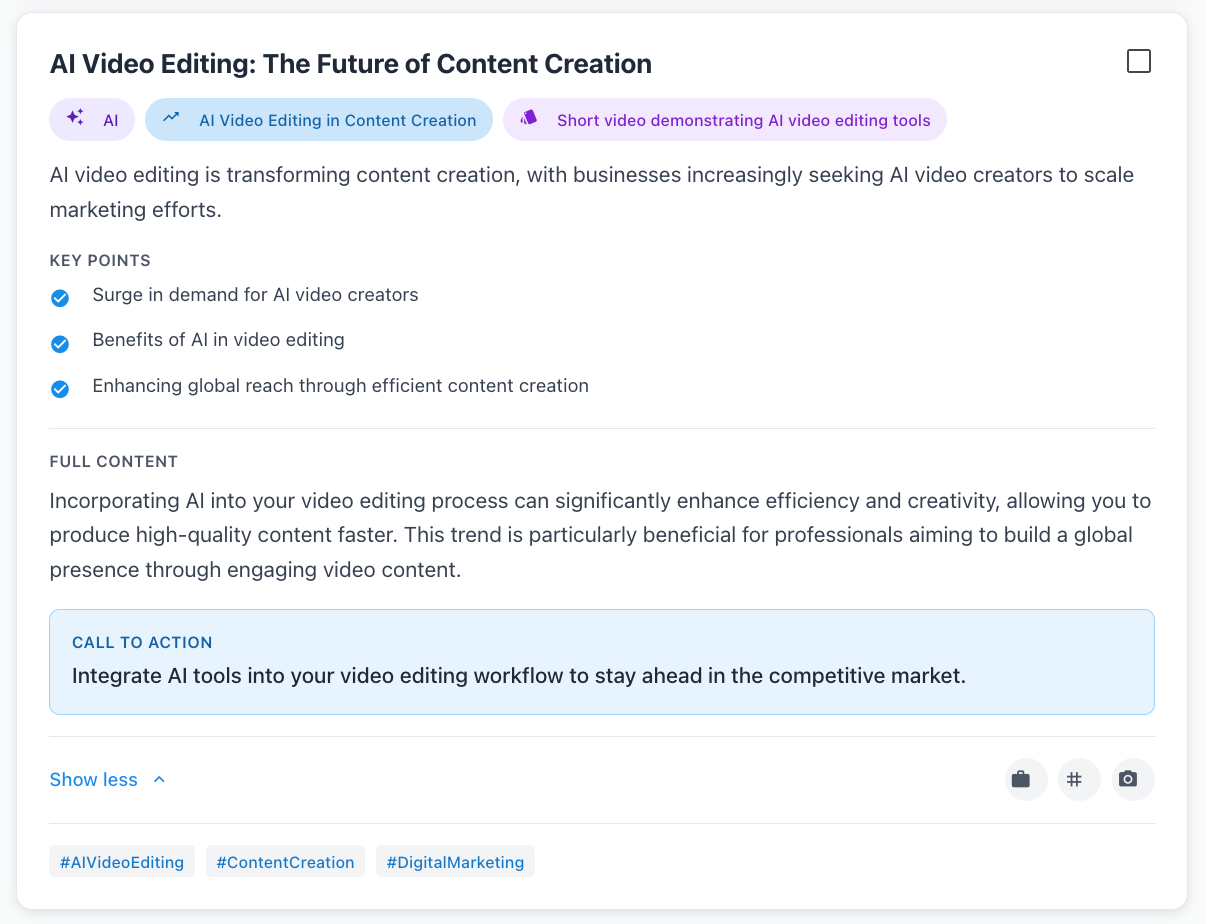
However, the application goes far beyond simple topic suggestions. Recognizing that a raw topic idea is often insufficient for a busy creator, each generated idea is presented as a comprehensive "content package." This package includes:
- A compelling headline for the post.
- Hook: An engaging opening line to capture audience attention.
- Body Outline: A structured framework detailing key points to cover.
- Call to Action (CTA): A clear prompt for audience engagement.
- Key Talking Points: Specific details and arguments to elaborate on.
- Suggested Format: Recommendations for the post’s structure (e.g., listicle, tutorial, opinion piece).
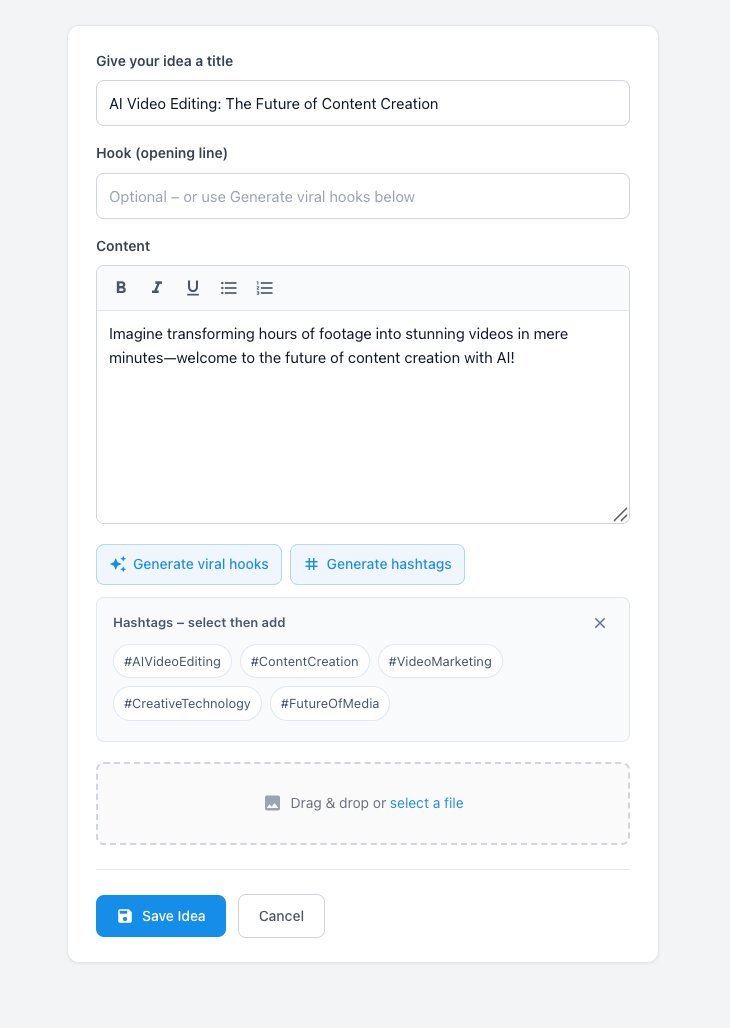
- Relevant Hashtags: Optimized tags for discoverability.
- Recommended Platforms: Suggestions for where the content would perform best.
- Trending Topic Link: The specific trending topic the idea is tied to.
- Source URL: A link to the original source when identified by the web search, enabling further research.
This holistic approach means users receive actionable content drafts rather than vague prompts. They can immediately begin drafting their posts, saving significant time and effort in the pre-writing phase. Furthermore, the application incorporates rich text formatting capabilities, allowing users to apply bolding, italics, bullet points, and links using Unicode. This ensures that the formatting is preserved when pushed to platforms like LinkedIn, maintaining visual appeal and readability without requiring manual adjustments post-transfer.
Seamless Integration with Buffer’s Ecosystem
While the intelligent ideation and comprehensive content packages are valuable on their own, a critical objective of the Buffer Ideas Extension was to eliminate workflow friction entirely. This led to the seamless integration with Buffer’s GraphQL API. Users can connect their Buffer account by simply pasting their personal access token into the extension’s settings.
Once connected, the workflow becomes truly end-to-end. Users can browse their generated ideas on the extension’s dashboard, select one or multiple, and with a single click of "Post to Buffer," these fully structured content drafts are transferred directly into their Buffer Create Space. The application intelligently tags ideas that have already been pushed, preventing duplicates and ensuring an organized content pipeline.
This direct API integration is a game-changer, moving beyond mere suggestion to active content preparation. It transforms the Buffer Ideas Extension from a helpful brainstorming tool into an integral part of the content publishing ecosystem, making the content creation process significantly more efficient and less laborious. The engineer’s goal was not to replace Buffer but to ensure that upon opening Buffer’s Create Space, there was always high-quality, relevant content ready for refinement and scheduling.
Impact and Broader Implications
The development and adoption of the Buffer Ideas Extension illustrate several significant trends in the evolving landscape of digital content creation and developer innovation.
Increased Content Velocity and Quality: The most immediate impact for the creator is a noticeable increase in posting frequency and a marked improvement in content quality. By leveraging real-time web search, ideas are inherently more current and relevant. The comprehensive content packages, including hooks, talking points, CTAs, and hashtags, reduce the starting friction dramatically, enabling faster drafting and higher confidence in hitting "publish." Small, seemingly "nice-to-have" features like viral hooks and hashtag suggestions have proven to be critical in moving from a rough draft to a publish-ready piece, saving valuable mental energy and time.
Validation of a Niche Problem: The positive reception from Buffer’s internal content team, including Tami, as well as external builders on LinkedIn and community outreach programs, underscores the universality of the content ideation challenge. It validates the engineer’s hypothesis that a personalized, context-aware AI tool could address a genuine gap in the market, resonating with a wide array of content creators across different industries.
The Rise of Personalized AI Tools: This project exemplifies a growing trend towards highly specialized, personalized AI solutions. Generic AI models offer broad capabilities, but the true power often emerges when these models are fine-tuned or contextualized with user-specific data and integrated into niche workflows. The Buffer Ideas Extension showcases how tailoring AI to an individual’s professional identity and current industry trends can unlock unprecedented efficiency and relevance. This shift from "one-size-fits-all" AI to "one-size-fits-me" AI is likely to accelerate across various professional domains.
API-Driven Innovation and Ecosystem Growth: Buffer’s open API strategy has been instrumental in enabling such innovative third-party integrations. By providing developers with robust tools and documentation, platforms like Buffer foster a vibrant ecosystem where users can build custom solutions that enhance and extend the core platform’s functionality. This not only benefits individual users by offering tailored tools but also strengthens the platform itself by expanding its utility and appeal. The success of the Ideas Extension serves as a powerful case study for the value of open APIs in driving user-centric innovation and demonstrating the platform’s commitment to empowering its community.
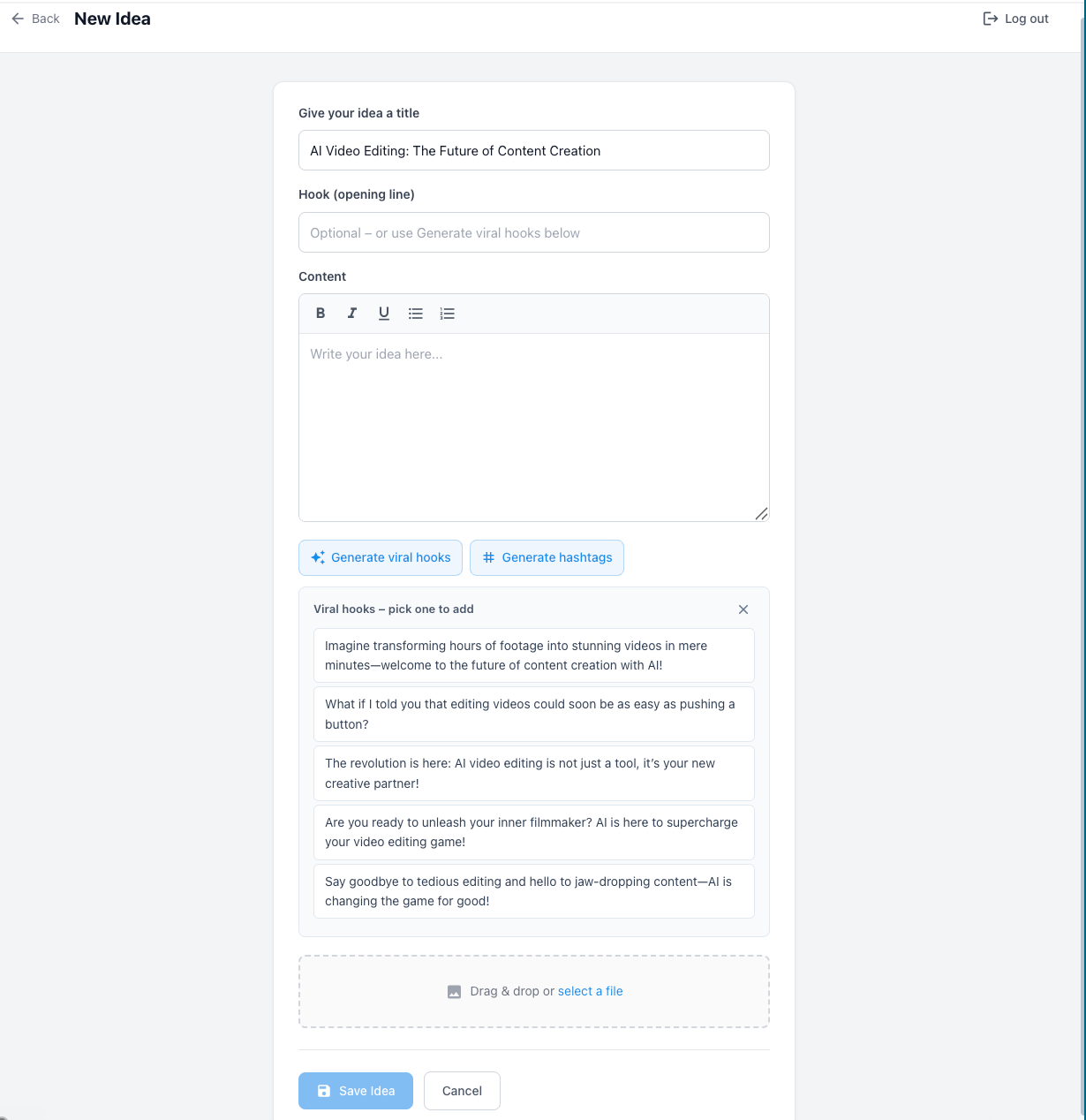
Future Outlook: The success of such a tool suggests a future where content creation workflows are increasingly automated, intelligent, and personalized. Professionals will likely rely on integrated AI assistants that not only generate ideas but also assist with drafting, optimizing for specific platforms, and analyzing performance, all within a seamless, interconnected environment. The Buffer Ideas Extension represents an early yet significant step towards this future, offering a blueprint for how developers can leverage AI and existing platform APIs to solve real-world problems and empower creators.
Empowering the Builder Community
For other developers and innovators inspired to build similar solutions or integrate with Buffer’s ecosystem, the company provides comprehensive resources. Their developer documentation covers the GraphQL schema, authentication flows, and quick-start examples, offering a clear pathway for new projects. Additionally, the Buffer MCP (Multi-Channel Publishing) server documentation guides developers on integrating with various AI agents like Claude. For hands-on assistance, Buffer’s support team is available, and their active Discord server provides a community hub for connecting with other developers and sharing insights. Buffer actively encourages and celebrates community-driven innovation, inviting creators to share their projects within their Discord community or by tagging @buffer on major social channels.
The Buffer Ideas Extension stands as a compelling example of how a developer’s personal pain point, combined with technical expertise and strategic use of APIs, can lead to a powerful, universally beneficial solution that reshapes and enriches professional workflows in the digital age.