
 Indra Kusuma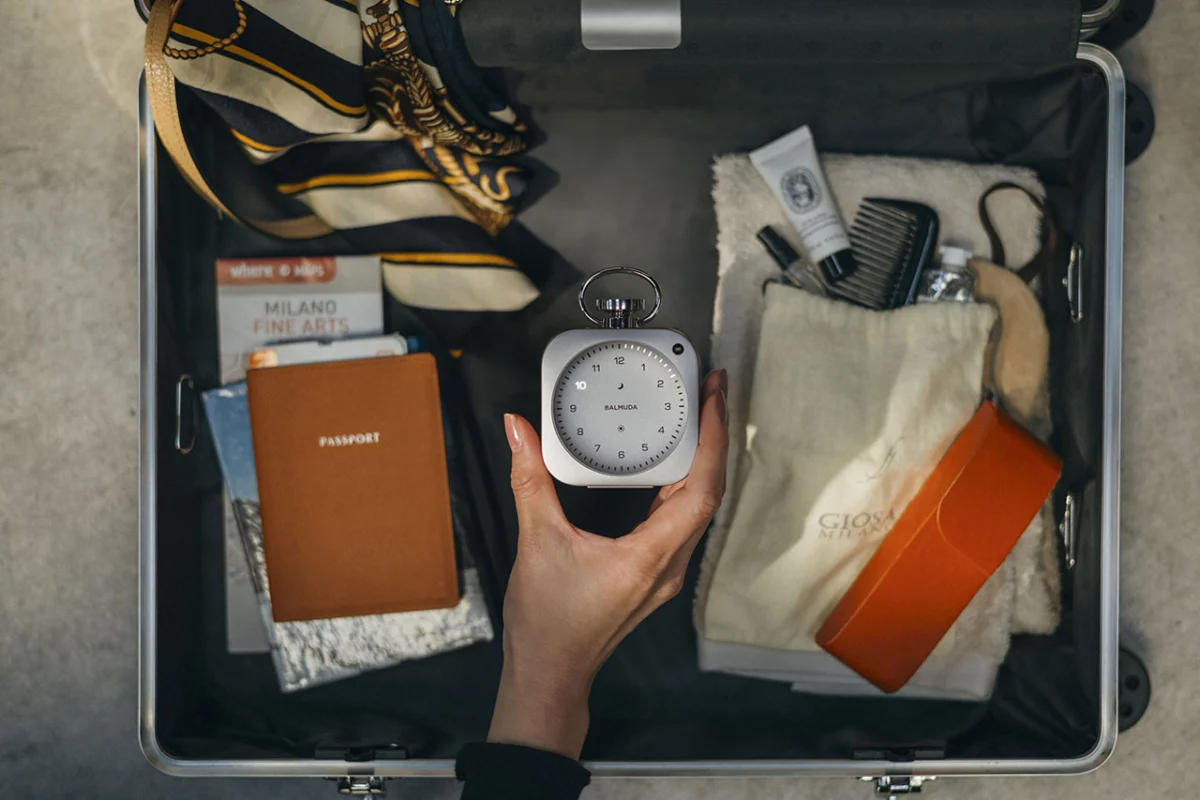
Time, an enigmatic and profoundly influential intangible, continues to elude complete human comprehension. It manifests as both fleeting and boundless, intrinsically linked to specific environments and conditions, yet simultaneously unanchored by context. The advent of industrialization nearly four centuries ago, particularly with the widespread adoption of electric light, dramatically altered humanity’s relationship with time. This technological leap enabled societies to operate beyond the inherent limitations of natural, seasonal rhythms, consequently accelerating the very perception of time and reshaping daily life. The traditional demarcation of time, once dictated by the sun’s passage and the moon’s cycles, was fundamentally re-engineered, leading to an intensified pace of existence that has profound implications for modern well-being.
For millennia, humanity’s most significant endeavor to formalize and grasp this relentless force has been the invention and continuous refinement of the clock. This ubiquitous and endlessly reinterpreted instrument, with its origins rooted in ancient sundials and, even earlier, the Earth’s innate rotational patterns, has served as our primary navigational tool through the temporal landscape. Much like a compass guides us across geographical longitudes and latitudes, the conventional clock mechanism clearly delineates cyclical measures of passing time through swinging hands moving across radial dashes or uniformly depicted numbers. This predominantly visual convention, ingrained in our collective consciousness for centuries, has largely remained unchallenged in its fundamental approach – until now.
The Historical Evolution of Timekeeping and its Modern Impact
The journey of timekeeping began with humanity’s observations of celestial movements. Early civilizations utilized sundials, water clocks (clepsydras), and hourglasses to mark the passage of hours, days, and seasons. These early devices were inherently tied to natural phenomena, reflecting a more organic and less rigid perception of time. The medieval period saw the emergence of mechanical clocks, initially in monasteries to regulate prayer times, and later in public squares, symbolizing civic order and technological prowess. The invention of the pendulum clock in the 17th century by Christiaan Huygens significantly improved accuracy, laying the groundwork for the precise timekeeping mechanisms we recognize today.
The 18th and 19th centuries, marked by the Industrial Revolution, witnessed an unprecedented acceleration in the demand for standardized and precise time. Factories required workers to adhere to strict schedules, and railway systems necessitated synchronized timings across vast distances. It was during this era that electric light, a revolutionary invention, began to free human activity from the constraints of daylight. No longer bound by the rising and setting sun, workdays could extend, and societal rhythms shifted dramatically. While this fueled economic growth and productivity, it also introduced a disconnect from natural circadian cycles, contributing to modern phenomena like sleep deprivation, increased stress, and a pervasive sense of time scarcity. Research consistently shows a direct correlation between constant exposure to artificial light, especially blue light from screens, and disruptions in melatonin production, leading to poorer sleep quality and various health issues. A 2023 study by the American Psychological Association, for instance, highlighted that a significant percentage of adults report feeling overwhelmed by the demands on their time, contributing to widespread stress and anxiety.
BALMUDA’s Vision: Rehumanizing the Clock
In this context of accelerating time and the growing imperative to mitigate the pressures ushered in by unchecked industrialization, innovative tech brand BALMUDA has introduced "The Clock." This newly released device represents a paradigm shift, moving beyond mere time indication to offer a more human-centric approach to temporal awareness. It is a thoughtful response to a mounting desire among consumers to push beyond, rather than simply revert from, the often-overwhelming demands of modern life. BALMUDA, known for its meticulously designed, minimalist, and functionally superior household appliances, has applied its distinctive philosophy to an object as fundamental as the alarm clock, seeking to integrate it seamlessly into a more health-conscious lifestyle.
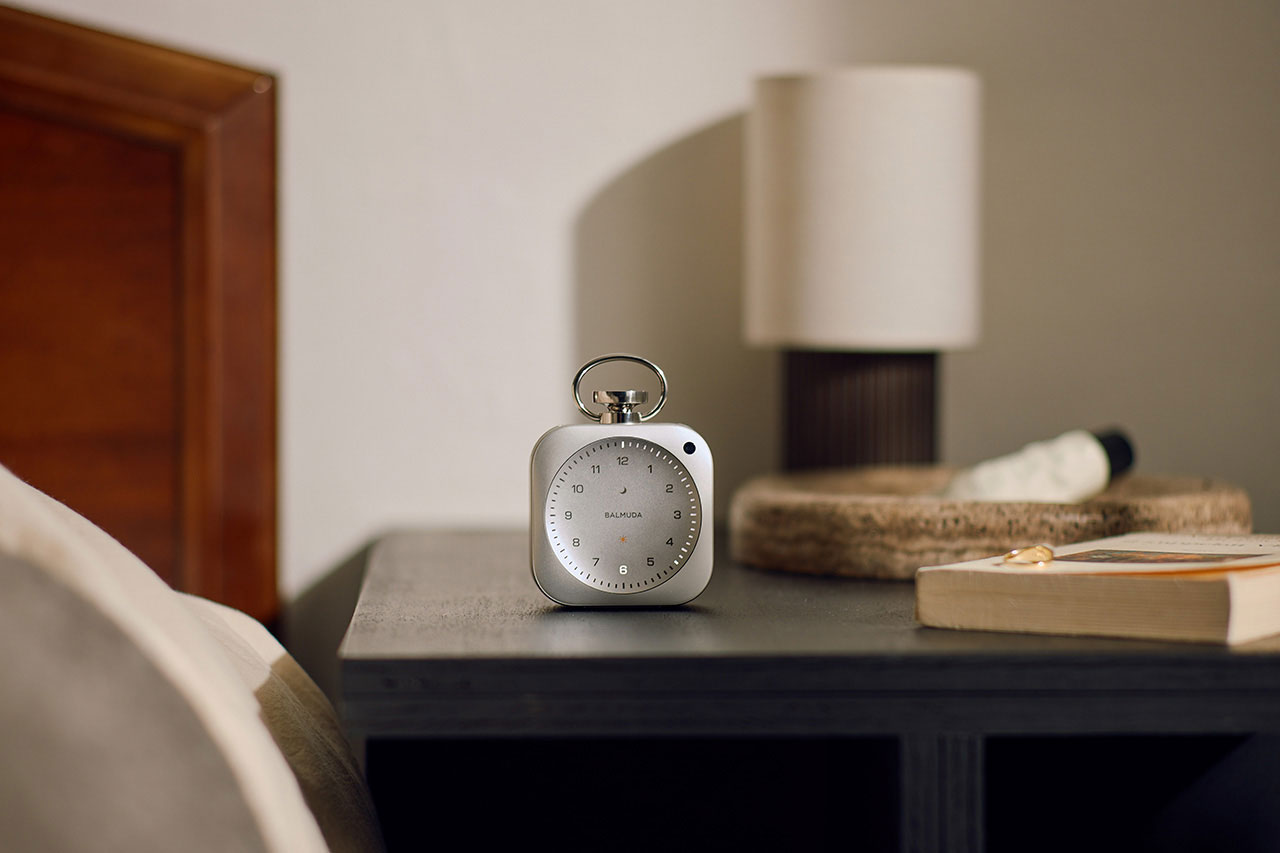
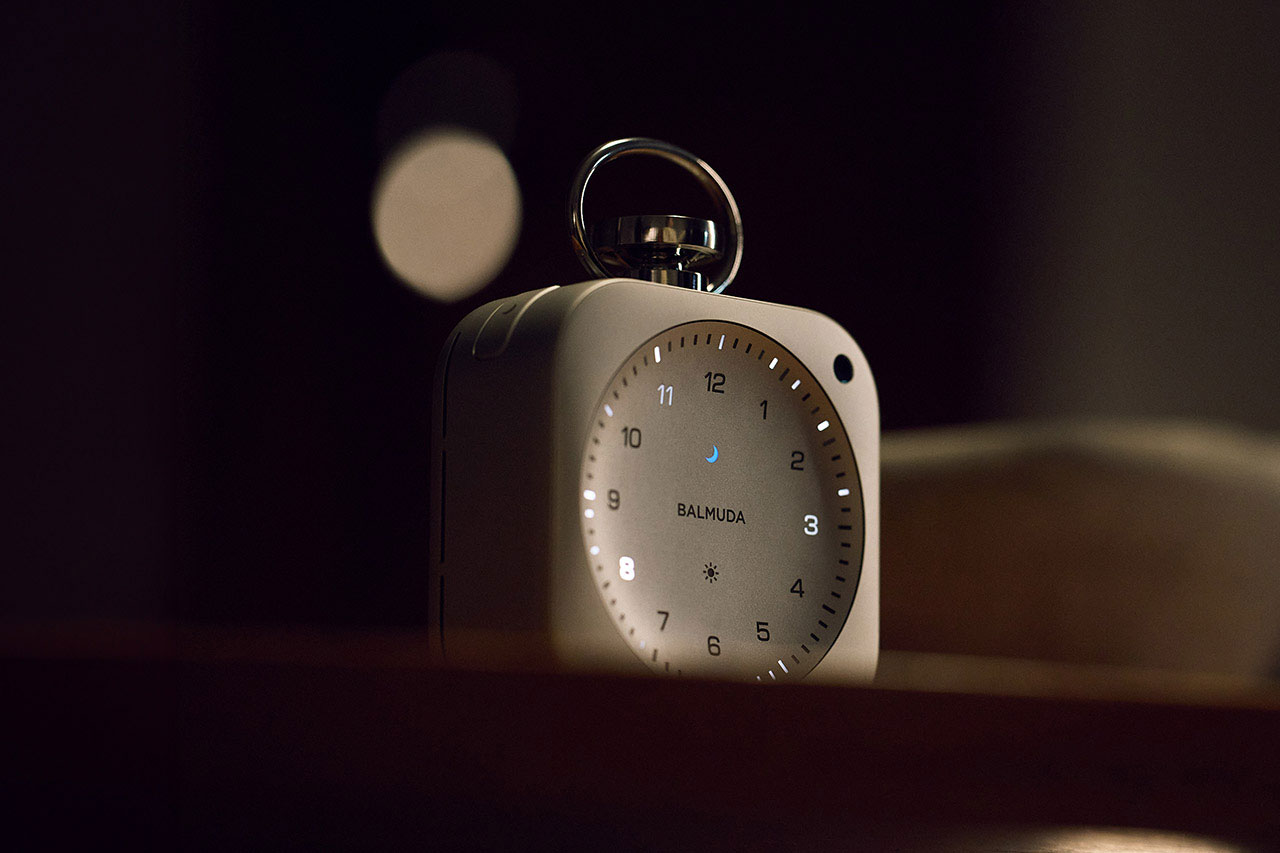
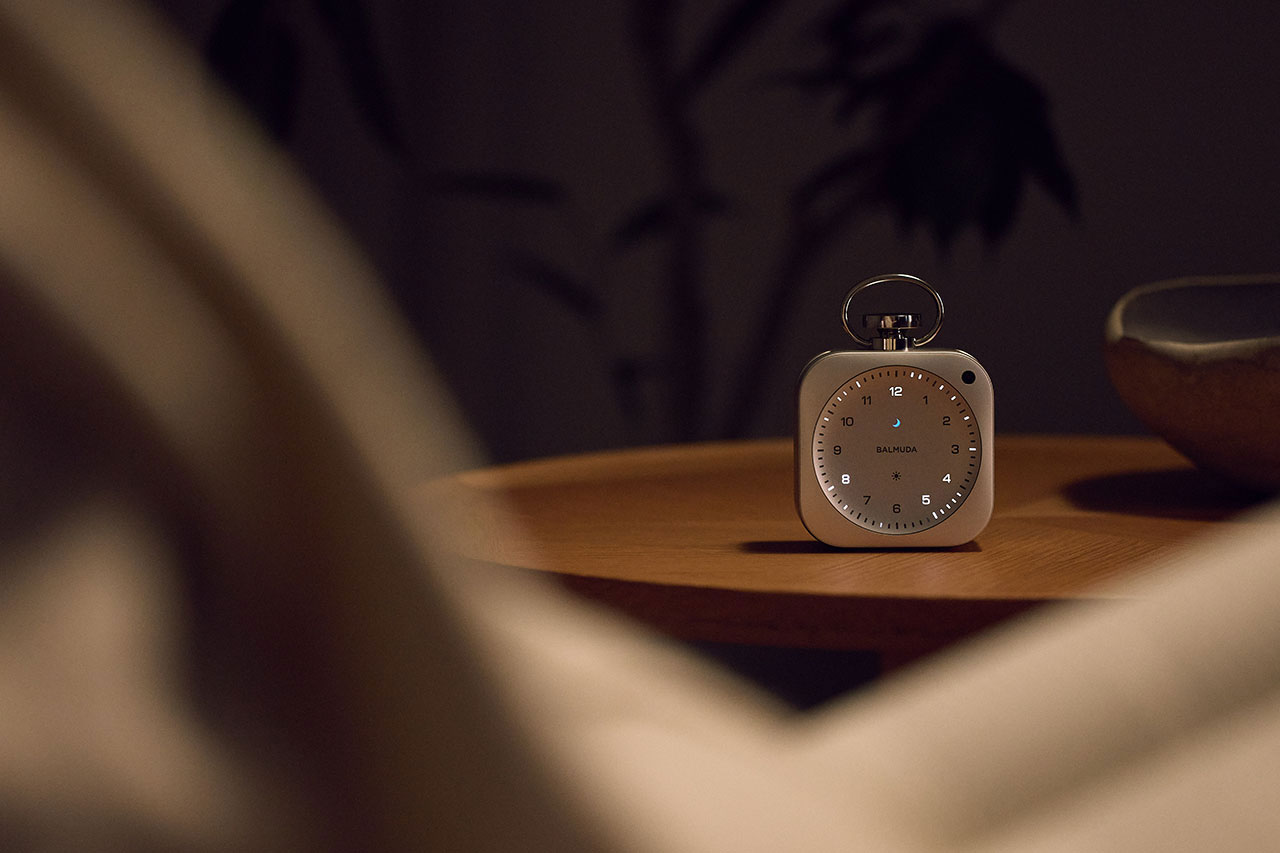
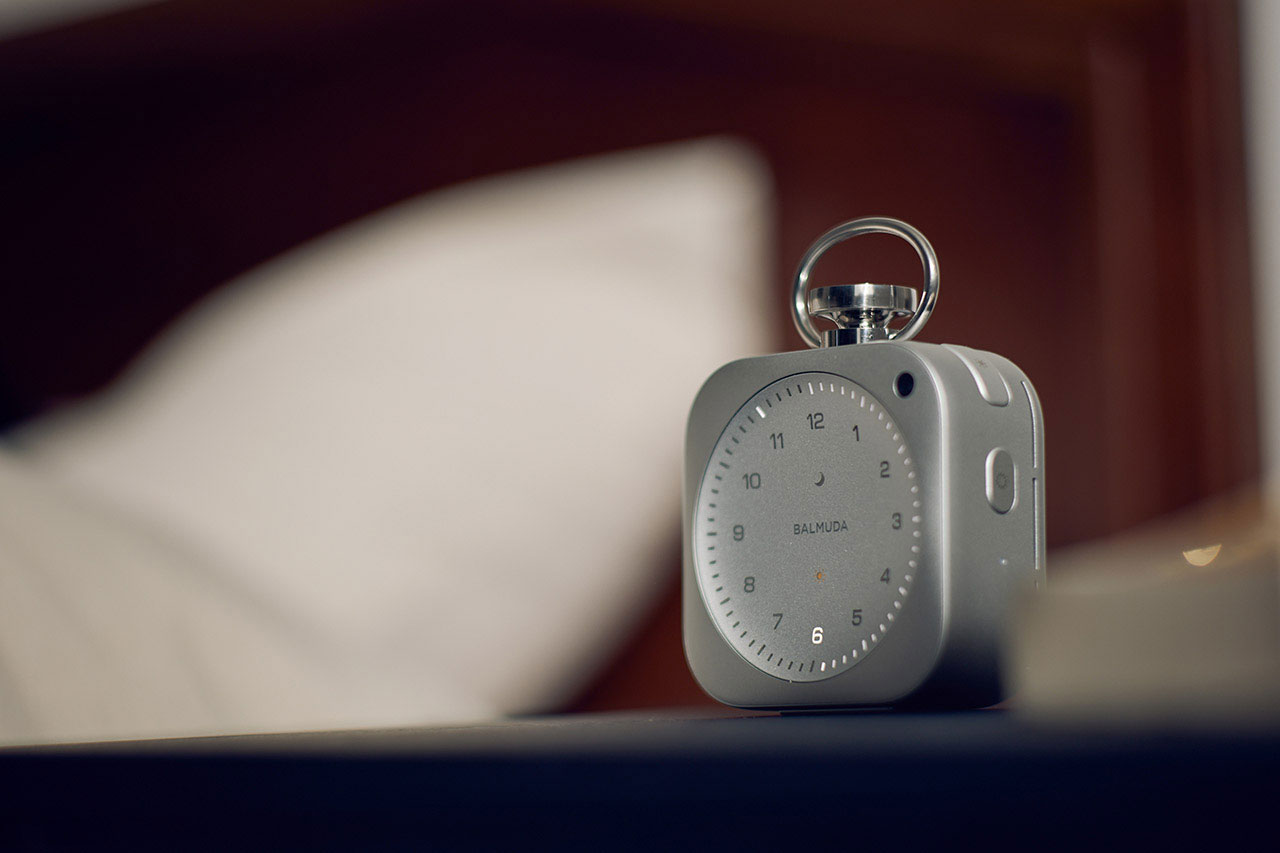
"The Clock" is a small, handheld yet remarkably capable device, cleverly hewn from a single block of aluminum. Its design subtly reflects the nostalgic form and tactile feel of an old-school pocket watch, marrying a sense of heritage with cutting-edge technology. At its core lies the innovative "Light Hour system," a reimagining of how time is visually communicated. Instead of traditional hands or digital displays, sequential dashes on the clock face are illuminated from behind in gentle, graduated gradients. This elegant solution eliminates the need for additional mechanical apparatus or the aesthetically overloaded layering of hands, presenting time in a simplified, yet profoundly engaging manner.
Beyond Ticks: A Symphony of Light and Sound for Well-being

The innovation of "The Clock" extends far beyond its visual display. BALMUDA has engineered a multi-sensory experience designed to enhance well-being. Rather than the somewhat ominous, anxiety-inducing ticks that often characterize conventional clocks, "The Clock" signals the passing of time through soft chimes and thoughtfully curated ambient soundscapes. This auditory departure is a deliberate choice, reflecting a deep understanding of human psychology and the impact of sound on mood and cognition.
This fresh paradigm better supports actual human cadences, aiming to facilitate the needs of today’s more health-conscious consumer. Through the meticulous chronomatic sequencing of light and sound, "The Clock" offers three distinct and highly functional modes: Wake, Focus, and Relax.
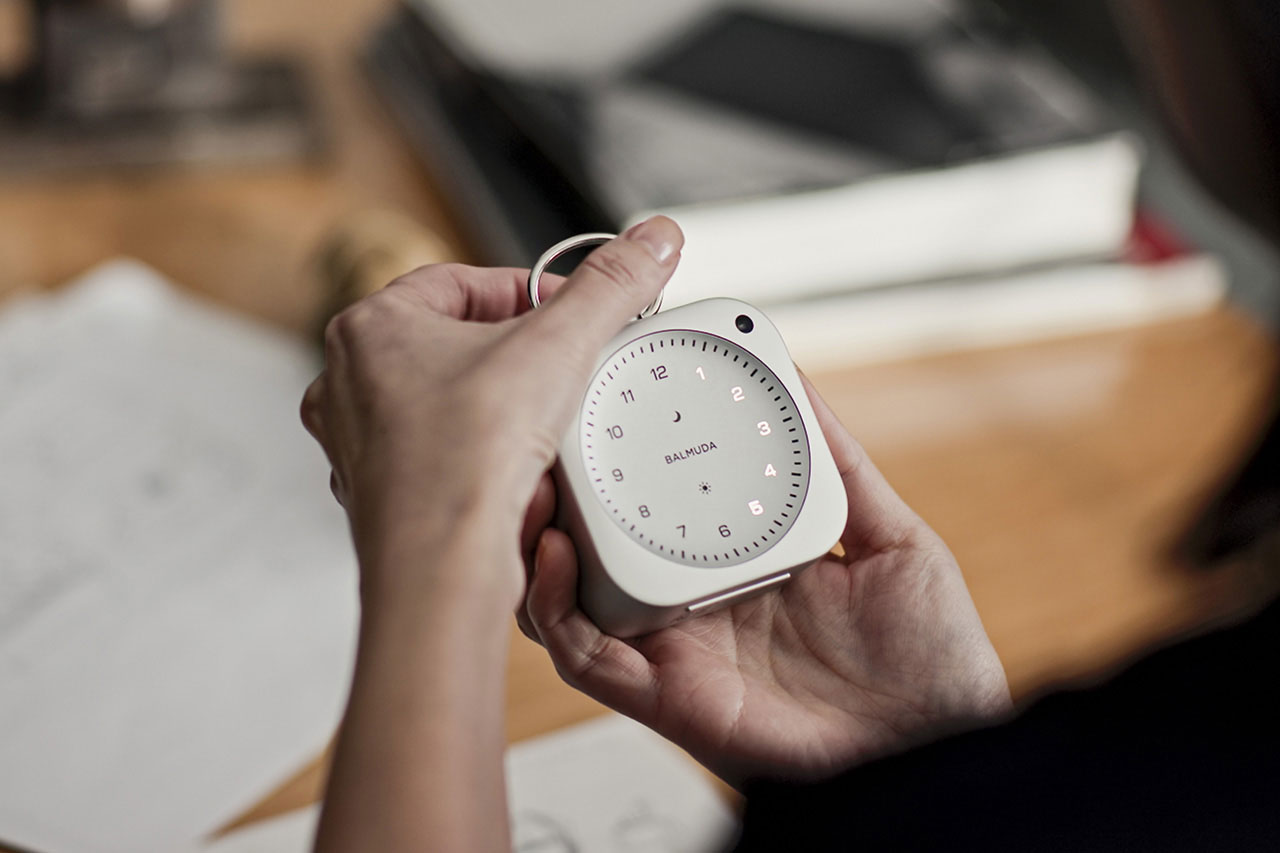
- Wake Function: This mode is designed to gently ease users into their day. It gradually fades in light and sound, mimicking the natural sunrise and the gradual awakening of the natural world. This stands in stark contrast to jarring, sudden alarms that can induce stress and disrupt the body’s natural sleep-wake cycle. The gradual illumination helps to naturally suppress melatonin production and stimulate cortisol, preparing the body for wakefulness in a harmonious way, aligning with established principles of circadian rhythm regulation.
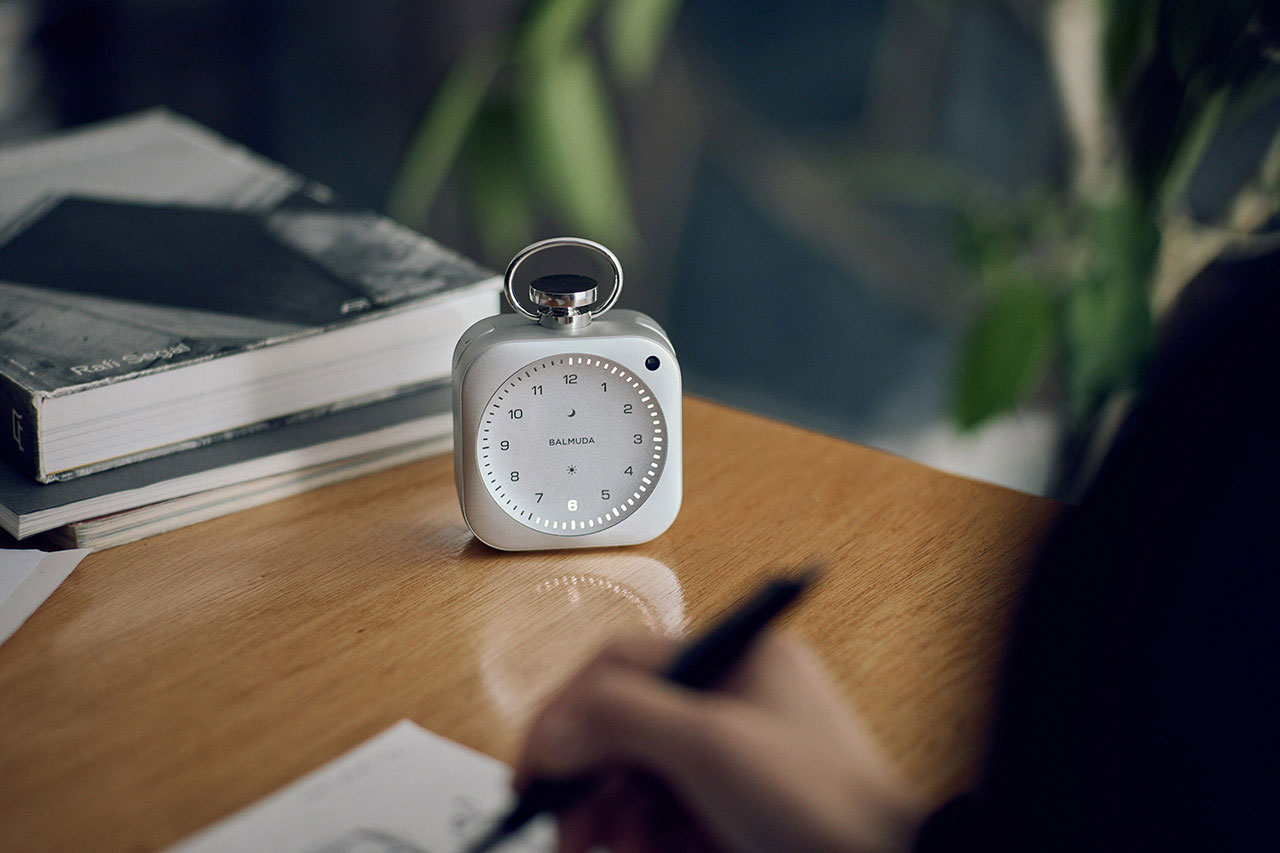
- Focus Function: Recognizing the pervasive distractions of modern environments, this mode introduces subtle white noise. This carefully calibrated sound environment is engineered to reduce external distractions, create a sense of auditory privacy, and improve concentration, making it an invaluable tool for work, study, or any task requiring sustained attention. The use of white noise has been scientifically proven to mask background sounds and create a more consistent auditory environment, thereby enhancing cognitive performance and reducing mental fatigue.
- Relax Function: Addressing the growing challenge of unwinding in an always-on world, the Relax function emits a selection of soothing soundscapes. These include the calming patter of rainfall, the resonant echoes of cathedral bells, and the comforting crackle of firewood. Each soundscape is chosen for its inherent ability to imbue its surroundings with a sense of calm and tranquility, aiding in stress reduction and preparing the mind and body for rest. The psychological benefits of natural sounds, particularly for relaxation and sleep induction, are well-documented in numerous studies on environmental psychology and sound therapy.
The Philosophy Behind the Innovation
Gen Terao, the visionary behind BALMUDA, articulated the driving force behind "The Clock" with profound insight: "As an adult, sleep takes effort, and lately I found myself relying on rain sounds played from a tablet to help me relax before sleep. However, using a connected device in the bedroom never felt quite right. This led to a simple idea: to create a dedicated clock designed to support better sleep through sound and light. The Clock was developed as a focused, distraction-free tool to improve how we rest."
Terao’s statement underscores a critical contemporary issue: the double-edged sword of ubiquitous connectivity. While smartphones and tablets offer convenience, their presence in the bedroom often leads to extended screen time, exposure to blue light, and the mental stimulation of notifications, all of which are detrimental to sleep quality. BALMUDA’s "The Clock" directly addresses this by offering a dedicated, purpose-built device that prioritizes well-being over multi-functionality, encouraging a digital detox within personal sanctuary spaces. This aligns with a broader industry trend towards "mindful technology" – devices designed to enhance human experience without contributing to digital overload or distraction.
Design and Portability: Seamless Integration into Life
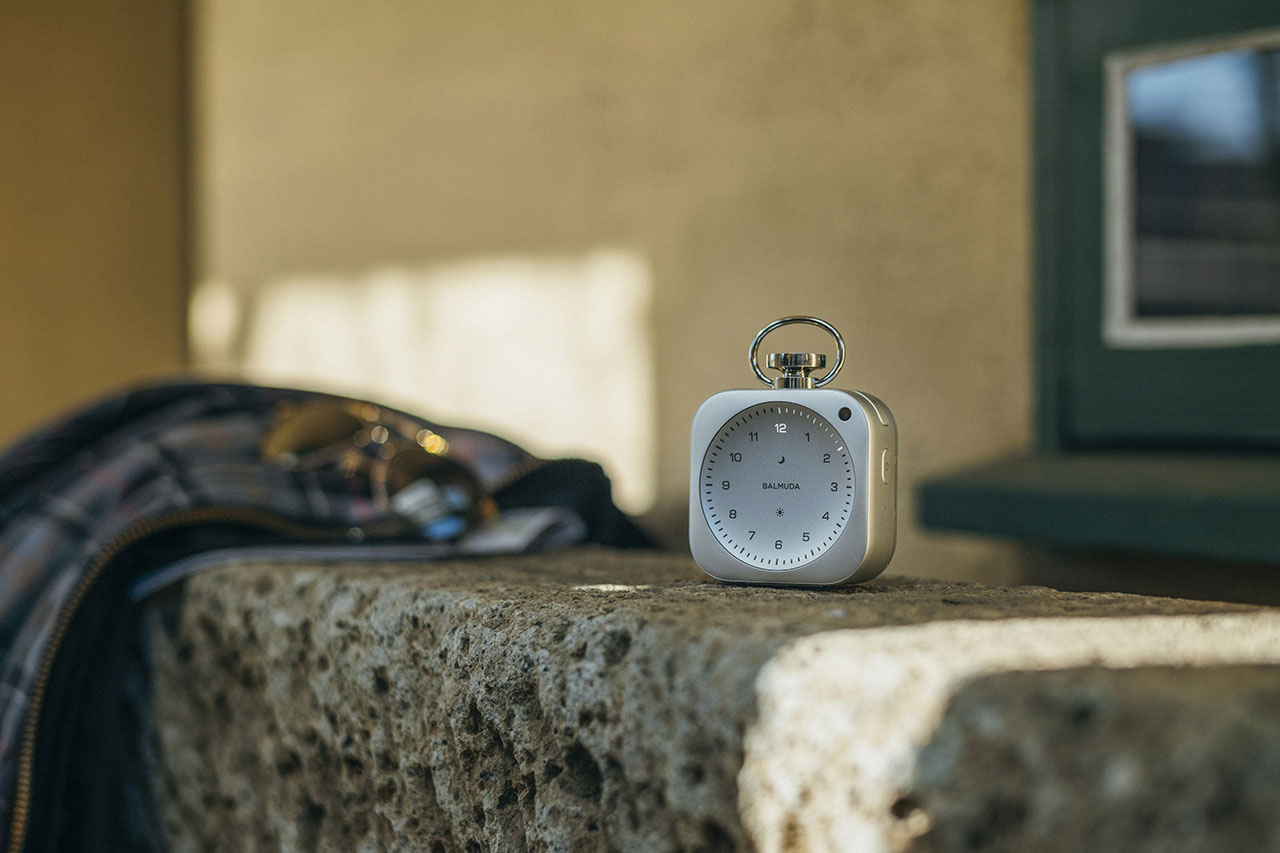
Beyond its technological and philosophical underpinnings, "The Clock" excels in its physical design. Its lightweight, compact form factor renders the device inherently portable, capable of seamlessly integrating into various environments without being tethered by context. This portability means that the benefits of its Light Hour system and therapeutic soundscapes are not confined to a single bedside table but can accompany the user on travels, to a home office, or any space where a moment of calm or focus is desired. The device’s minimalist aesthetic, free from superfluous buttons or complex interfaces, ensures it blends effortlessly into diverse interior design schemes, from modern minimalist to classic eclectic. The intuitive controls, likely a simple dial and a few discreet buttons, reinforce its user-friendly and distraction-free philosophy.
Broader Market Implications and the Future of Wellness Tech
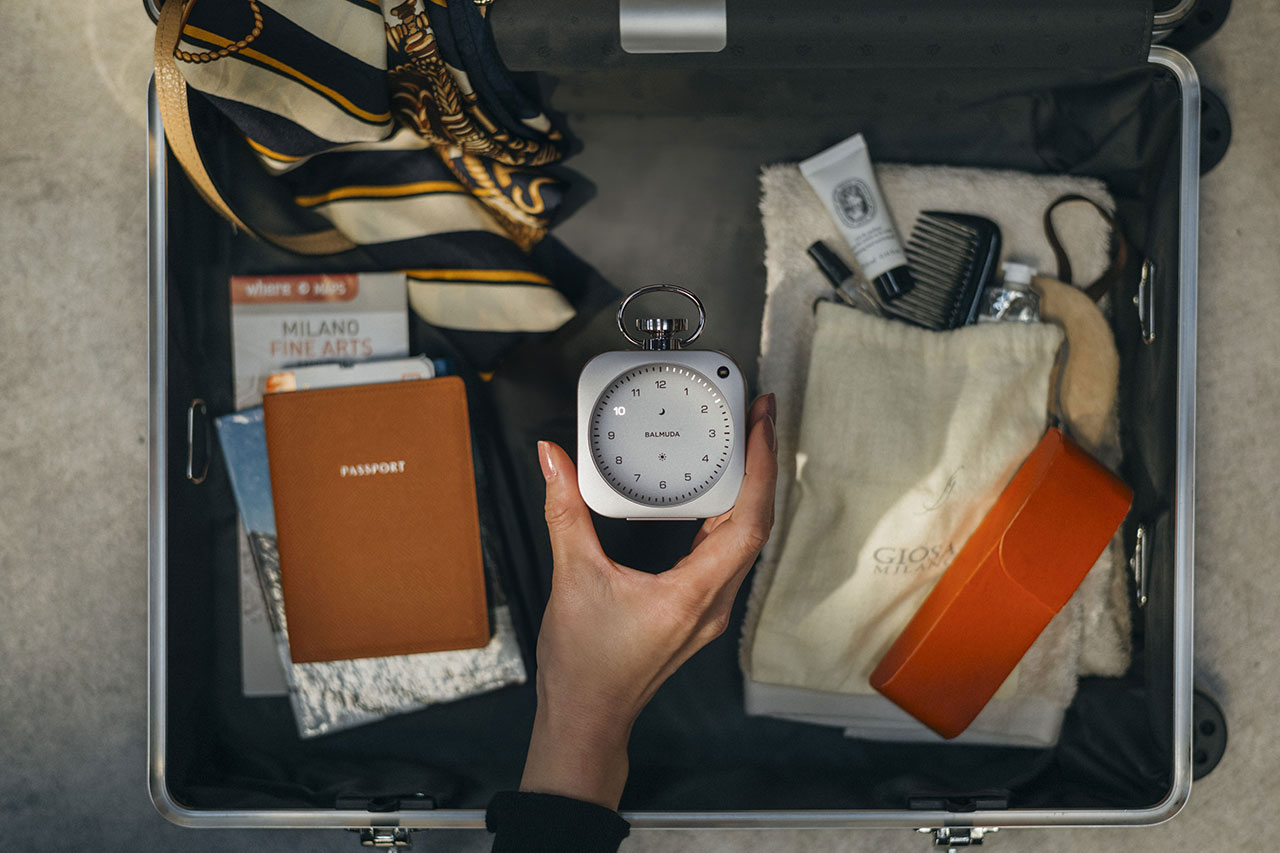
BALMUDA’s "The Clock" enters a burgeoning market for wellness technology, where consumers are increasingly seeking products that actively contribute to their physical and mental health. The global wellness market, valued at trillions of dollars, is witnessing rapid innovation in areas such as sleep technology, stress management, and digital well-being. Traditional alarm clocks, once simple time-telling devices, are evolving into sophisticated wellness tools. This evolution is driven by a growing awareness of the detrimental effects of modern lifestyles on sleep patterns, mental health, and overall quality of life.
Industry analysts predict continued growth in smart home devices that prioritize health and comfort, moving beyond mere convenience. "The Clock" positions itself uniquely within this landscape by eschewing excessive connectivity in favor of a focused, singular purpose. This ‘less is more’ approach could resonate deeply with consumers experiencing "tech fatigue" and seeking simpler, more elegant solutions to complex problems. It also challenges the notion that all innovation must lead to greater complexity or integration with vast digital ecosystems. Instead, BALMUDA champions a return to focused, intentional design that serves specific human needs with precision and grace.
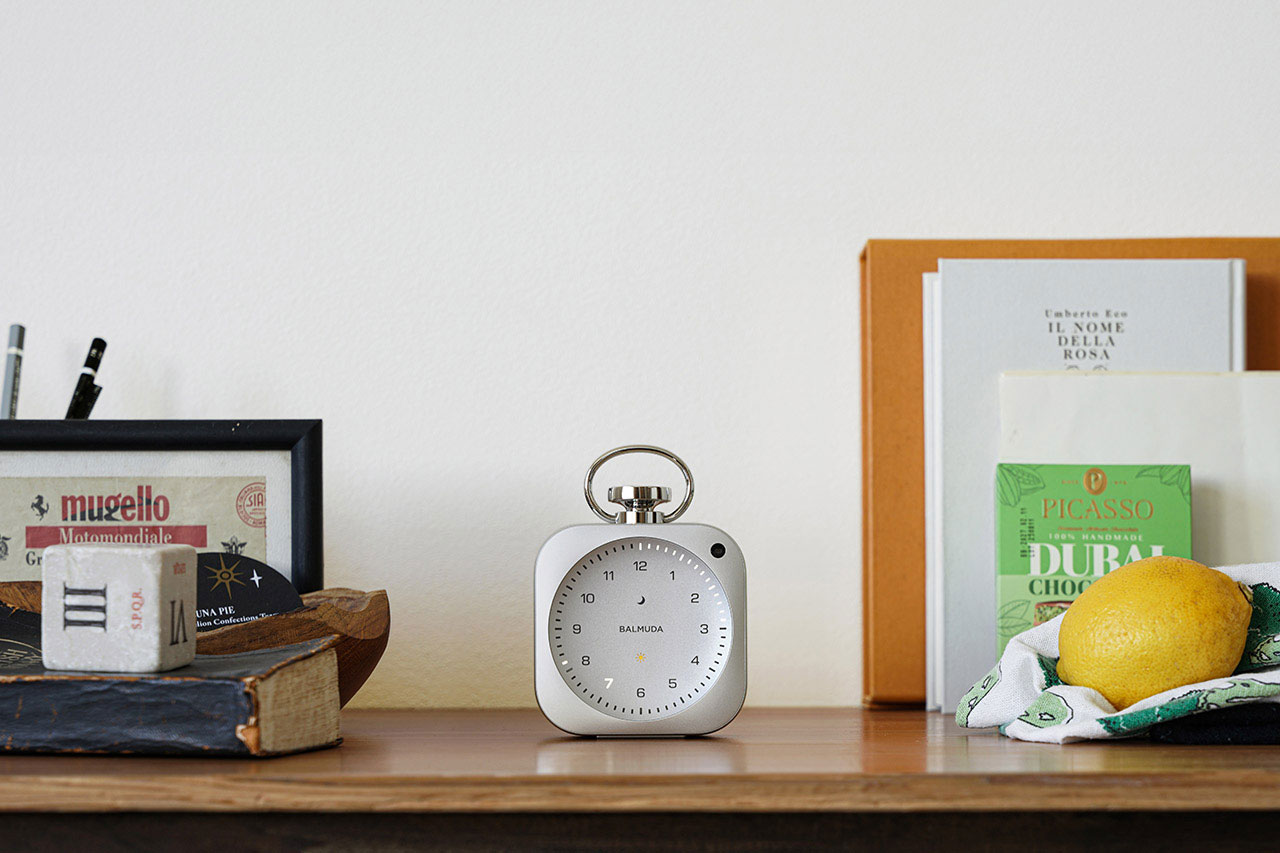
The implications extend to how we perceive and interact with time itself. By offering a gentler, more intuitive way to mark its passage and to engage with our daily rhythms, "The Clock" encourages a more mindful existence. It suggests that technology, when designed with human well-being at its core, can act as a counterbalance to the very forces it once accelerated. It’s a testament to the idea that thoughtful design can not only tell us what time it is, but also help us reclaim our time and our peace of mind.
Conclusion: A Timeless Approach to Modern Living
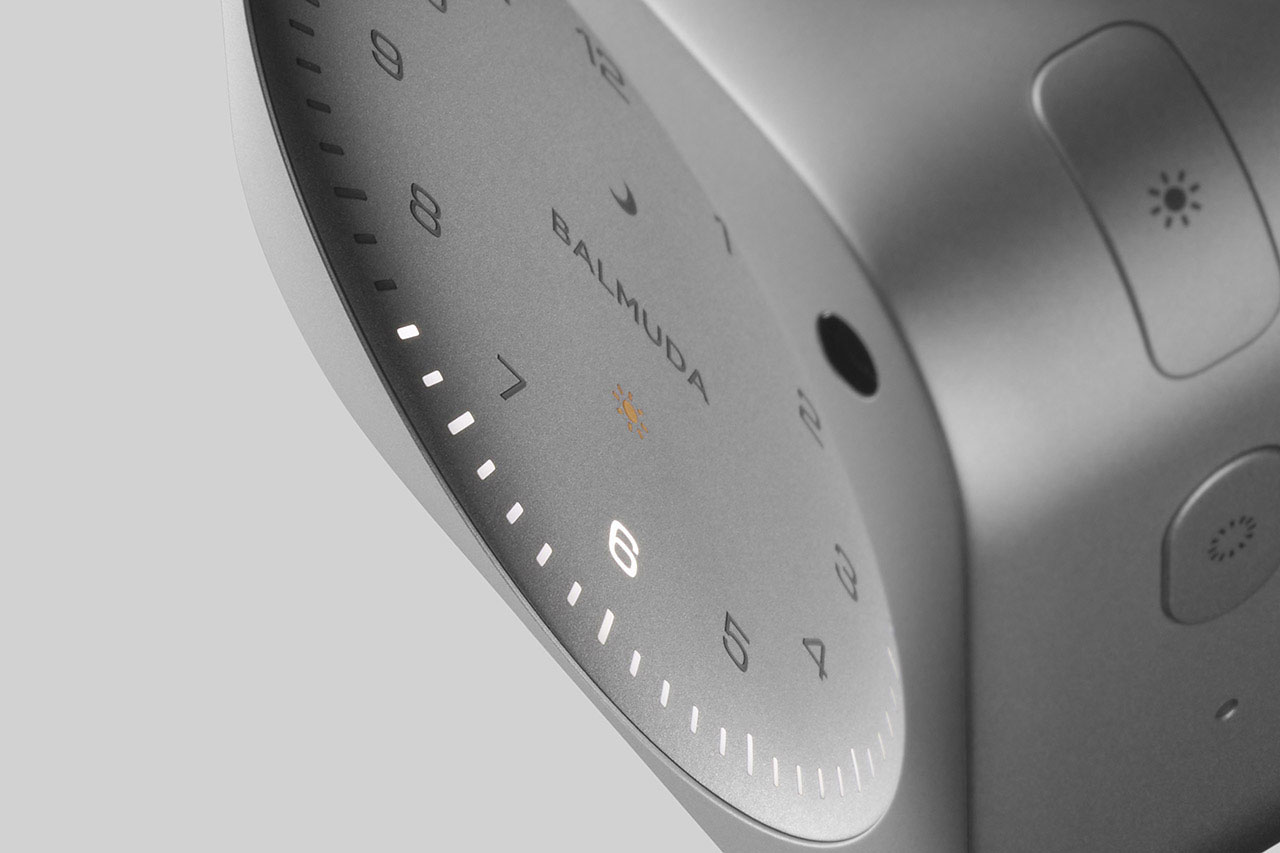
In essence, BALMUDA’s "The Clock" is more than just a device for telling time; it is a meticulously crafted instrument designed to re-harmonize the individual with their natural biological clock in an increasingly demanding world. By integrating the subtle power of light and sound into its core functionality, and by presenting time in an aesthetically pleasing and psychologically comforting manner, it offers a refreshing alternative to conventional timekeeping. As societies continue to grapple with the accelerated pace of life and the pervasive influence of digital technologies, products like "The Clock" represent a significant step towards creating environments that actively support human health, focus, and relaxation. It coheres past and present in a pithy package, proving that innovation can be found not just in adding features, but in refining the fundamental experience of living with time.







