Cintya Tara Annisa
The global specialty coffee landscape continues to evolve through a sophisticated intersection of agricultural precision, innovative processing techniques, and strategic cross-sector collaborations, as evidenced by the latest curation of offerings from leading international roasters. This week’s selection, featured through the Roasters Village initiative, highlights a significant shift toward experimental fermentation and high-altitude cultivation, reflecting broader trends within the multi-billion-dollar specialty coffee industry. From the volcanic soils of West Java to the high-elevation districts of Ethiopia’s Guji zone, the current market is defined by a rigorous pursuit of "clean" yet "complex" profiles that challenge traditional flavor expectations.
Strategic Blending and Seasonal Transitions in Specialty Coffee
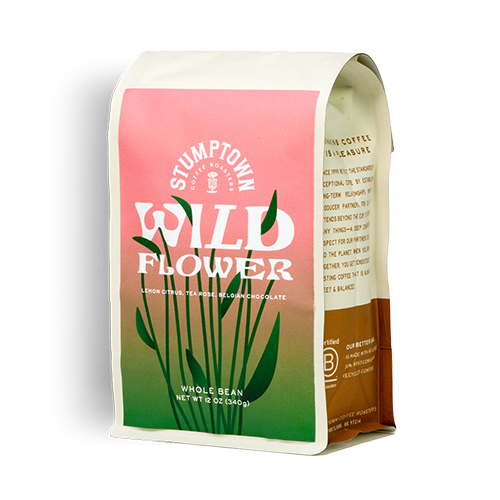
As the industry transitions into the spring harvest cycle, major roasting entities are prioritizing seasonal blends that utilize fresh arrivals from East Africa and Southeast Asia. Stumptown Coffee Roasters has introduced its "Wild Flower" seasonal blend, which serves as a technical case study in balancing disparate origins. By combining beans from the Kuta Mill in Papua New Guinea with those from Rwanda’s Huye Mountain, the roaster aims to achieve a specific "floral and vibrant" acidity profile that is characteristic of early-season harvests. This move mirrors a wider industry trend where roasters move away from the heavier, chocolate-forward profiles of winter toward lighter, tea-like structures.
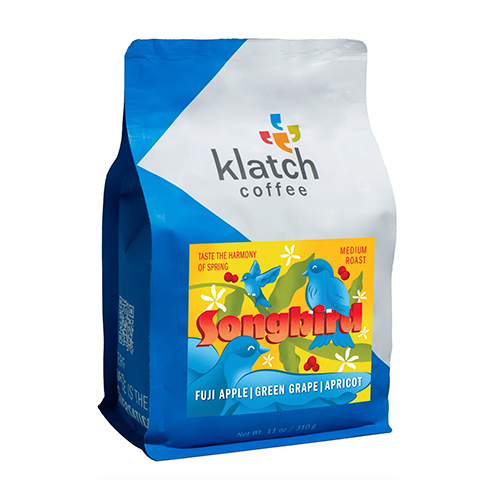
Similarly, Klatch Coffee’s "Songbird" blend exemplifies the increasing complexity of modern blending. The product incorporates three distinct processing methods and varieties: an Orange Bourbon Anaerobic Natural, a Panama Catuai Natural, and a Washed Mexico. The inclusion of anaerobic natural processing—a method where coffee is fermented in oxygen-free environments—indicates that experimental techniques are no longer relegated to limited-edition single origins but are being integrated into flagship seasonal products to enhance fruit-forward characteristics.
Technological and Agricultural Advancements in High-Altitude Sourcing
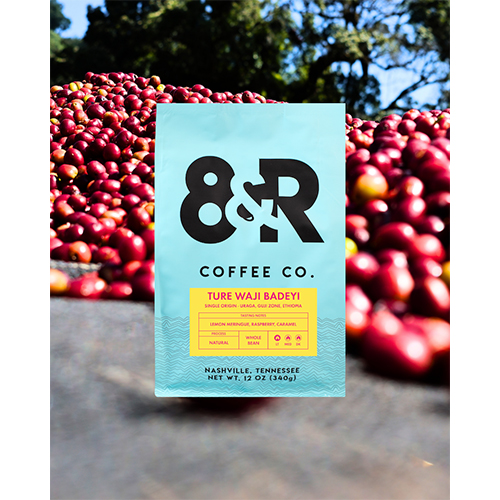
The role of micro-climates and specific agricultural districts remains central to the value proposition of specialty coffee. 8th & Roast’s recent focus on the Uraga district in Ethiopia’s Guji zone highlights the ongoing expansion of coffee cultivation into previously unreachable altitudes. The Ture Waji Badeyi lot is sourced from smallholder farmers operating at elevations where coffee trees are relatively young, a factor that often results in more concentrated flavor precursors.
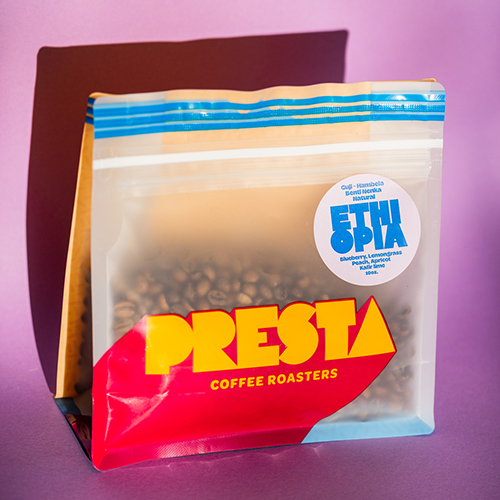
Data from the specialty coffee supply chain suggests that these high-altitude lots, often exceeding 2,000 meters above sea level (masl), require specialized processing to manage their density. Presta Coffee Roasters’ Ethiopia Guji Hambela Benti Nenka Natural, sourced from approximately 700 smallholder farmers, utilizes a 20-day drying period on raised beds. This extended drying time is a critical variable in stabilizing the water activity of the bean, ensuring that the vibrant acidity of the heirloom varieties is preserved during international transit.
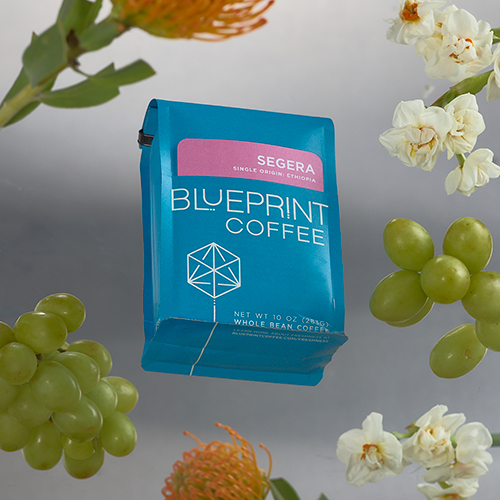
In the Sidama region, Blueprint Coffee has highlighted the Bensa Segera washing station. Founded by Moplaco in 2012, this facility represents the modernization of Ethiopian infrastructure. Professional assessments of the station emphasize meticulous sorting and washing protocols, which are essential for producing the "spun sugar" and "candied lime" profiles that high-end consumers currently demand.
Experimental Fermentation: Carbonic Maceration and Yeast Inoculation
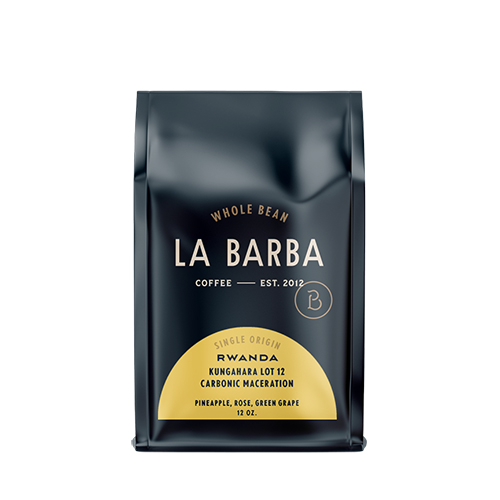
A defining feature of the current specialty market is the adoption of techniques borrowed from the viticulture industry. La Barba Coffee’s Rwanda Kungahara Lot 12 utilizes carbonic maceration—a process where whole coffee cherries are placed in a carbon dioxide-rich environment before pulping. This technique alters the microbial activity during fermentation, often resulting in "tropical" and "floral" notes that are less prevalent in traditional washed coffees.
Verve Coffee Roasters has pushed this boundary further with its "Wilder Blend," which incorporates yeast-inoculated Colombian coffees. By introducing specific yeast strains during the fermentation phase, producers can "steer" the flavor development, amplifying aromatics without sacrificing the structural integrity of the cup. This level of biological control represents a significant shift from traditional "wild" fermentation, allowing for a more consistent and repeatable high-quality product.
The influence of specific producers is also notable. PERC Coffee’s "Super Power Plum" features beans from Diego Bermudez, a producer renowned for his "thermal shock" and advanced fermentation protocols. Bermudez’s work in Colombia has become a benchmark for the industry, demonstrating how scientific intervention at the farm level can produce distinct profiles like red plum and raspberry, which command premium prices in the global market.
Diversification of Origin: The Rise of Bolivian and Javanese Naturals
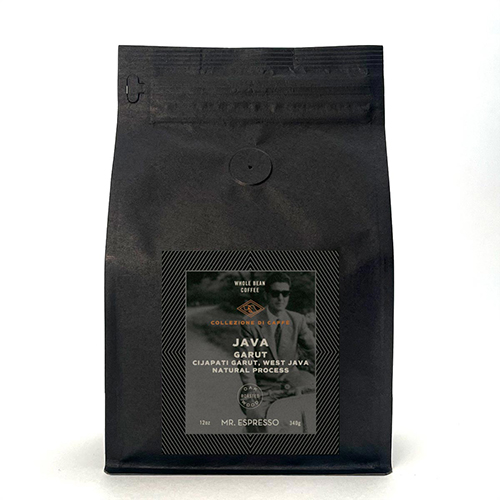
While Ethiopia and Colombia remain the pillars of the specialty sector, roasters are increasingly looking toward underrepresented regions to offer novelty to a saturated market. Mr. Espresso’s "Java Garut" represents a rare departure from the traditional wet-hulled processing typically associated with Indonesian coffee. By applying a natural process to Catimor and Typica varieties grown in volcanic soil, the producer has achieved a profile including passion fruit and kiwi, challenging the "earthy" stereotype of Javanese coffee.
In South America, Night Swim Coffee’s focus on Finca Rosita in the Caranavi region of Bolivia underscores the potential of the Illimani community. Spanning 32 hectares, Finca Rosita cultivates high-value varieties including Java, Geisha, and Pink Bourbon. The success of Bolivian coffee in the specialty market is often attributed to the country’s extreme altitudes and unique micro-climates, which allow for slow cherry maturation and high sugar development.
The Intersection of Social Responsibility and Brand Collaboration
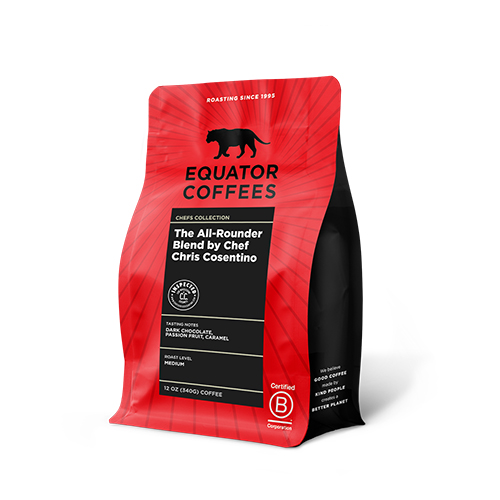
Modern specialty coffee marketing is increasingly tied to social impact and non-traditional partnerships. Equator Coffees’ collaboration with Chef Chris Cosentino on "The All-Rounder Blend" serves as a dual-purpose product. Beyond its technical profile—designed to perform as both espresso and pour-over—the blend supports the NorCal Interscholastic Cycling League. This alignment with outdoor and lifestyle communities reflects a strategic effort by roasters to embed coffee consumption within broader cultural movements.
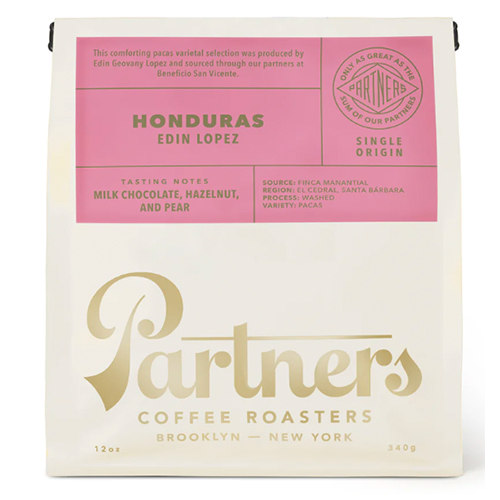
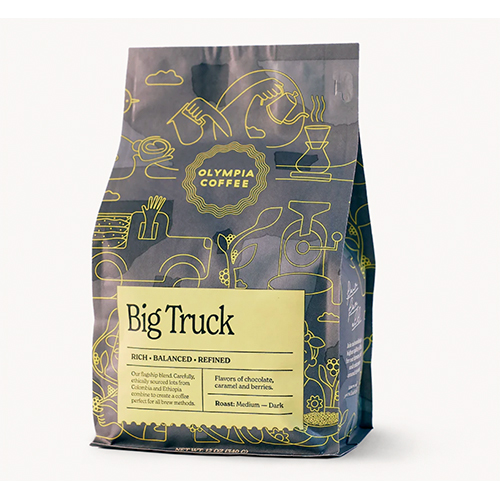
Ethical sourcing remains a non-negotiable standard for the roasters in this week’s selection. Olympia Coffee’s "Big Truck" blend and Partners Coffee’s Honduras Edin Lopez selection both emphasize the importance of direct relationships with washing stations and individual farmers. In the case of Edin Lopez, his delivery to the Beneficio San Vicente in Santa Barbara, Honduras, highlights how centralized processing hubs can help relatively new farmers access global markets by providing the technical expertise required for "fully washed" processing.
Economic Implications and Market Analysis
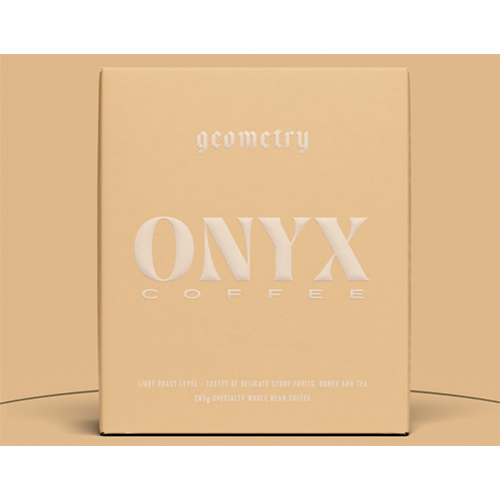
The data surrounding these offerings suggests a robust market for "premiumized" coffee despite global inflationary pressures. The "Golden Bean North America" medal won by Caffe Umbria’s Bizzarri Blend indicates that quality-focused competitions continue to drive consumer confidence. Furthermore, the versatility of these coffees—many of which, like the Onyx Coffee Lab "Geometry" blend, are marketed as "easy to dial in"—suggests that roasters are responding to a growing demographic of "prosumers" who possess high-end brewing equipment at home.
The logistical timeline of these releases is also significant. The appearance of fresh Honduran and Ethiopian lots in early 2024 indicates a stabilizing supply chain following several years of pandemic-related disruptions. However, the reliance on high-altitude farming also points to the industry’s vulnerability to climate change. As lower-altitude regions become too warm for Arabica cultivation, the "move upward" seen in the Guji and Santa Barbara regions becomes a matter of long-term survival for the specialty sector.
Industry Impact and Future Outlook
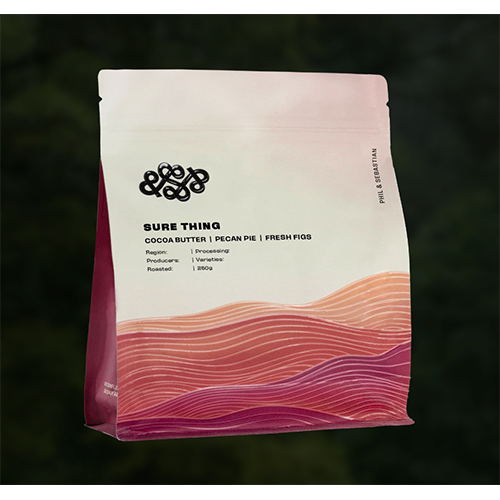
The current collection of offerings from the Roasters Village partners reflects a specialty coffee industry that is more technically proficient and geographically diverse than ever before. The move toward "comfort with a little something extra," as described by Phil & Sebastian regarding their "Sure Thing" blend, suggests that while experimental coffees are popular, there remains a strong market for high-quality "daily drinkers" that provide consistent chocolate and nutty profiles with subtle fruit complexity.

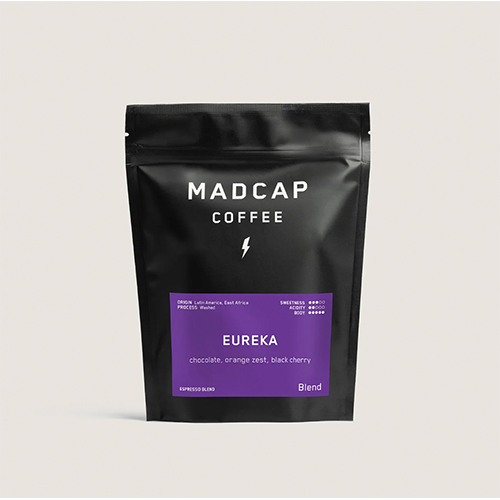
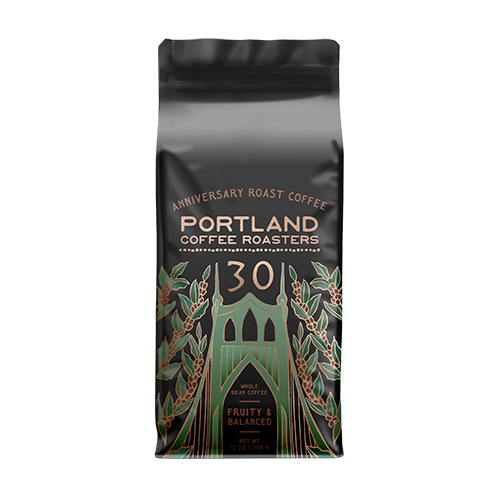
As roasters continue to refine their "Anniversary Roasts" (such as Portland Coffee Roasters’ trifecta blend) and flagship offerings (like Madcap Coffee’s "Eureka"), the emphasis remains on transparency. Each lot’s story—from the volcanic loam of Java to the raised beds of Ethiopia—is integral to its market value. The broader implication for the global market is clear: the future of coffee lies in the ability to marry scientific innovation at the farm level with transparent, ethical storytelling at the retail level. This synergy not only ensures a superior product for the consumer but also provides a sustainable economic framework for the smallholder farmers who remain the backbone of the industry.