Cintya Tara Annisa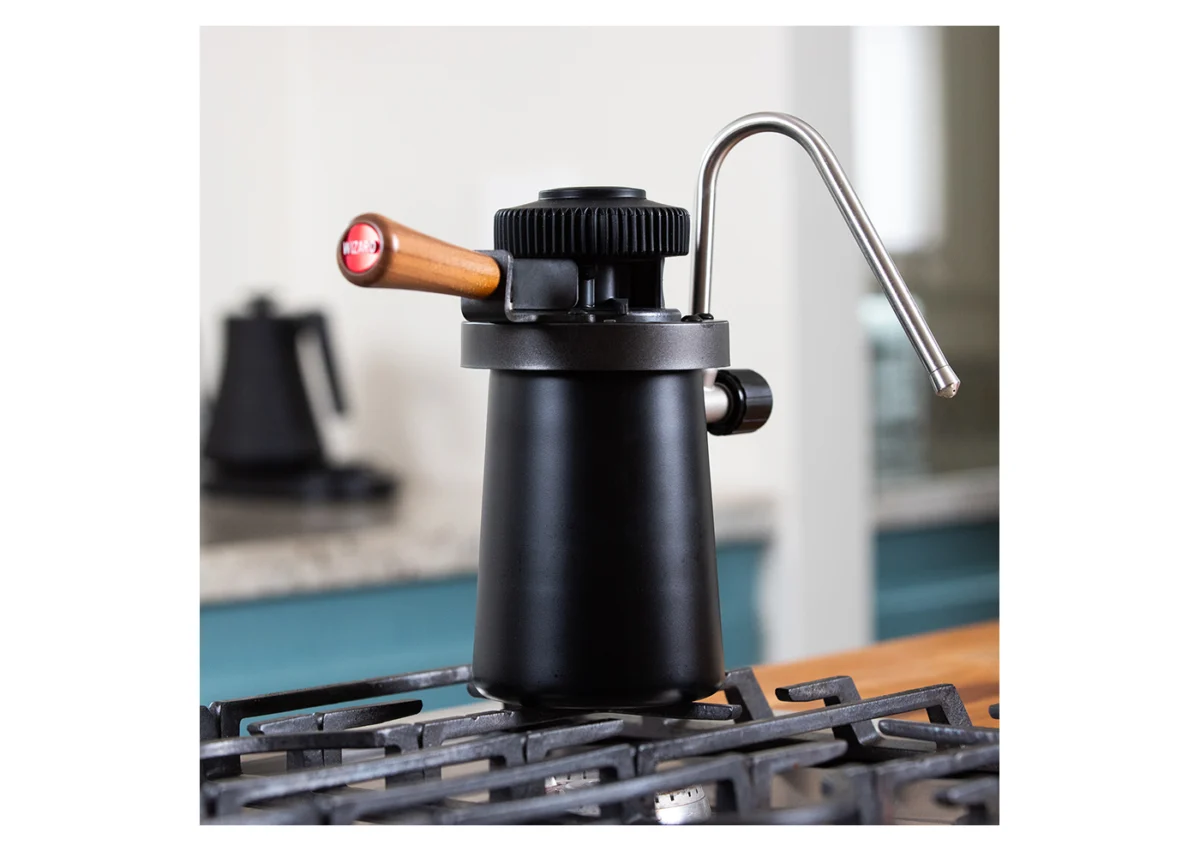
The global specialty coffee industry is preparing for a significant shift in how equipment and consumer technology are showcased to the public, as the prominent industry publication Sprudge announced the launch of its 2026 "Coffee Gear" initiative. This program is designed to serve as a recurring, curated platform that highlights outstanding coffee equipment from a diverse range of manufacturers, spanning from established industry giants to boutique artisanal brands. Beginning in early 2026, the initiative will feature bi-monthly recommendations vetted by industry partners, aiming to provide a clear roadmap for consumers and professionals navigating an increasingly saturated market of brewing tools, espresso machines, and precision accessories.
The Evolution of the Specialty Coffee Equipment Market
The decision to launch a dedicated gear platform follows a decade of unprecedented growth in the home brewing sector. Since the mid-2010s, the "prosumer" market—consumers who purchase professional-grade equipment for home use—has expanded significantly. Market research indicates that the global specialty coffee shops market, valued at approximately USD 35.8 billion in 2023, has spurred a parallel demand for high-end home equipment. Consumers are no longer satisfied with standard drip machines; they are seeking the "Third Wave" experience, characterized by transparency in sourcing and precision in extraction.
Sprudge’s initiative arrives at a time when the technical specifications of coffee gear are becoming more complex. The inclusion of Internet of Things (IoT) connectivity, advanced metallurgy in grinder burrs, and atmospheric control in brewing are no longer experimental features but expected standards for high-end enthusiasts. By partnering with manufacturers to highlight specific innovations, the 2026 initiative seeks to demystify these advancements for a global audience.

Chronology of Innovation: From the Linea Mini to the Horizon
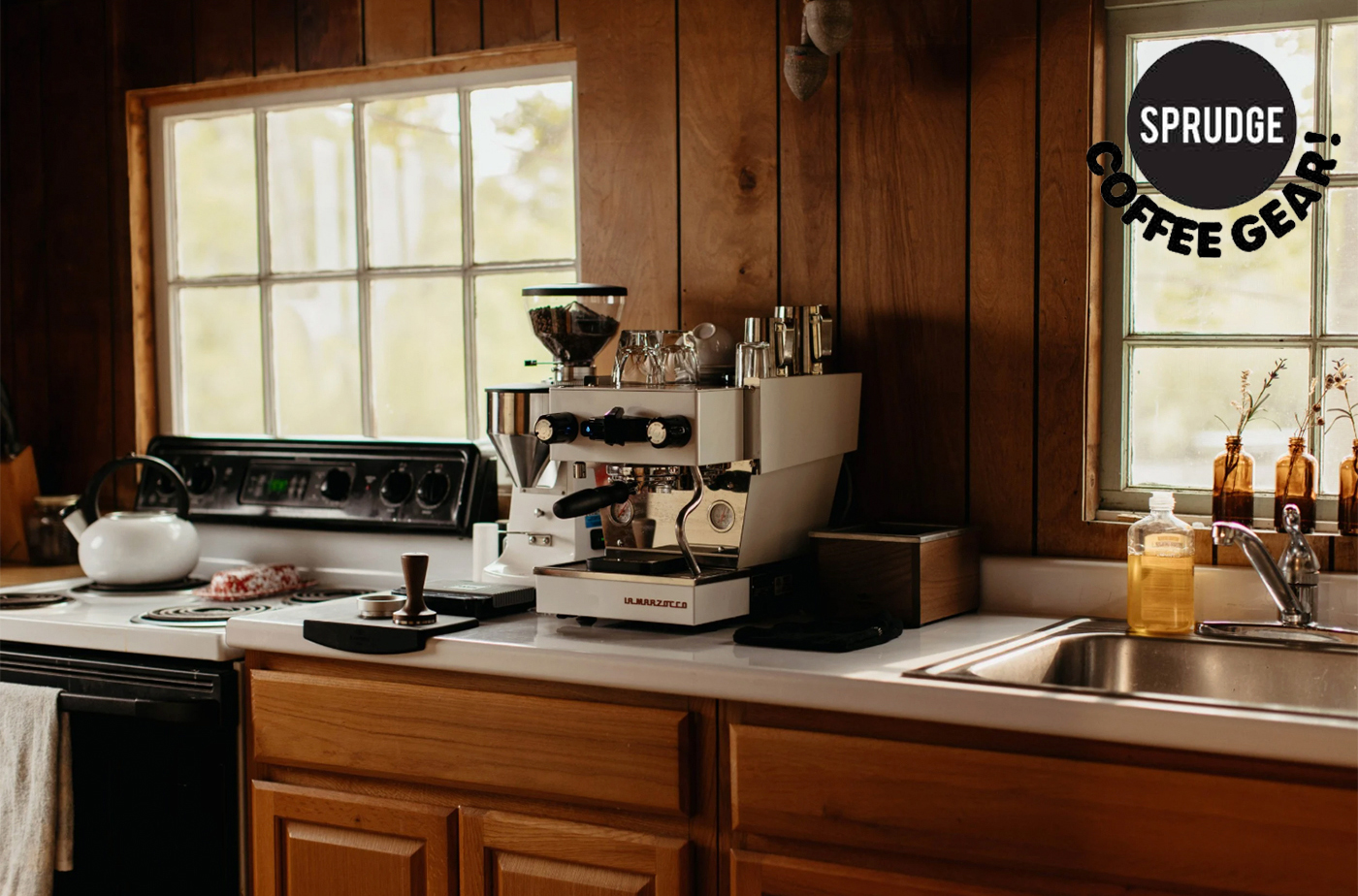
To understand the current landscape of coffee technology, one must look at the timeline of equipment that has defined the last decade. A pivotal moment occurred in 2015 when La Marzocco Home released the Linea Mini. This machine effectively brought the performance of a commercial Florentine espresso machine into a kitchen-friendly footprint. The success of the Linea Mini paved the way for the Linea Micra, released in late 2023, which further miniaturized the dual-boiler system and PID temperature control, making professional espresso more accessible to the entry-level enthusiast.
As the industry moved toward 2026, the focus shifted from mere mechanical reliability to sensory enhancement and durability. The upcoming "Coffee Gear" showcase highlights this progression through products like the Acaia Horizon and the Comandante C40 Lab Series Hammerhead. These tools represent the "Fourth Wave" of coffee equipment—tools that do not just brew coffee but manipulate the environment and the physical geometry of the bean to unlock specific flavor profiles.
Precision Engineering and Atmospheric Control
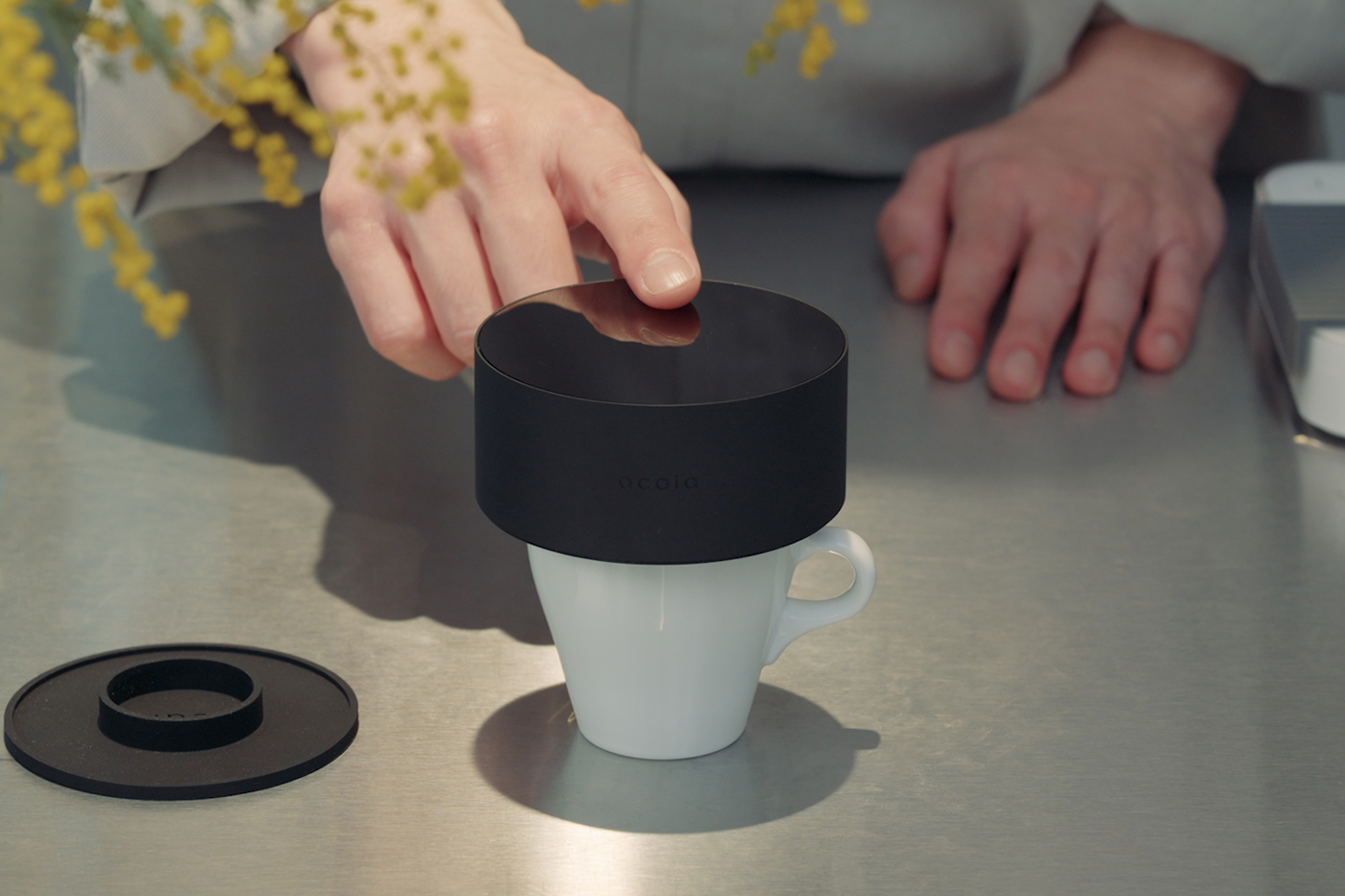
Among the most technologically advanced offerings in the 2026 lineup is the Acaia Horizon. Developed in collaboration with Swiss Barista Champion Mathieu Theis, the Horizon addresses a long-standing challenge in coffee service: the interference of ambient gases with aromatics. The device is designed to transform the atmosphere within the cup by removing oxygen and carbon dioxide. This process intensifies the perceived aromatics and allows the coffee to be served at its peak potential for sweetness and clarity.
The introduction of atmospheric control marks a departure from traditional brewing metrics like time and temperature, moving instead into the realm of chemical preservation. Industry analysts suggest that if the Horizon gains traction at events like World of Coffee San Diego, it could set a new standard for high-end cafe service and competitive brewing.
Grinding Geometry: The Hammerhead Innovation
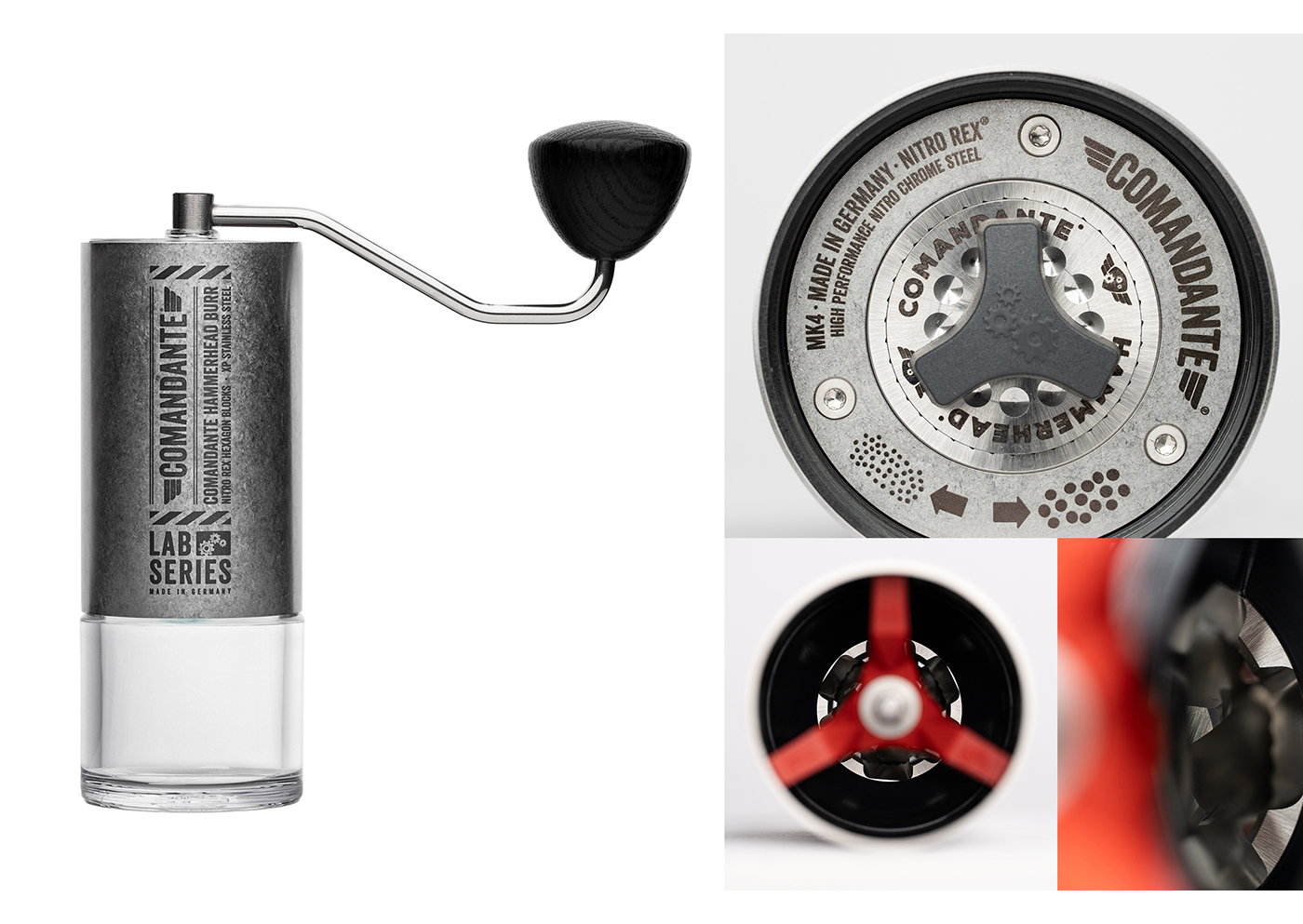
In the realm of grinding, the Comandante C40 Lab Series Hammerhead represents a specialized shift in burr manufacturing. Traditionally, burr sets were designed to be "all-rounders," capable of grinding various bean types with reasonable consistency. However, Comandante founder Bernd Braune has introduced the Hammerhead burr, which is specifically tailored for the Yellow Pacamara variety.
Yellow Pacamara beans are known for their large size and specific density. The Hammerhead burr utilizes a unique geometry to handle these larger beans without the "shattering" effect often seen in standard grinders, thereby preserving the fruit-forward complexity and full-bodied sweetness inherent to the variety. This move toward variety-specific equipment suggests a future where serious connoisseurs may own multiple grinders or burr sets, each calibrated for specific botanical origins.

Durability and Digital Integration in Modern Brewing
The 2026 initiative also highlights the increasing importance of ruggedization in coffee technology. The BOOKOO Themis Ultra coffee scale addresses a common failure point in coffee gear: water and steam damage. With an IP67 waterproof rating, the scale is designed to withstand the harsh environment of an espresso drip tray.
Beyond its physical durability, the Themis Ultra integrates with the BOOKOO N App, providing real-time brewing curves and flow rate data. This integration of hardware and software allows users to record and replicate successful extractions with scientific accuracy. The data-driven approach to brewing is a cornerstone of the 2026 initiative, reflecting a broader trend where "smart" features are used to bridge the gap between amateur intuition and professional expertise.

Manual Brewing and Aesthetic Minimalism
While high-tech solutions dominate much of the discussion, there remains a strong market for manual brewing tools that prioritize material science and ergonomics. The Dwell Dripper by Verve Coffee utilizes BPA-free silicone and a unique bottomless design to facilitate a three-minute brew cycle. Its portability and durability make it a contrast to the fragile glass kits offered by brands like Hario.
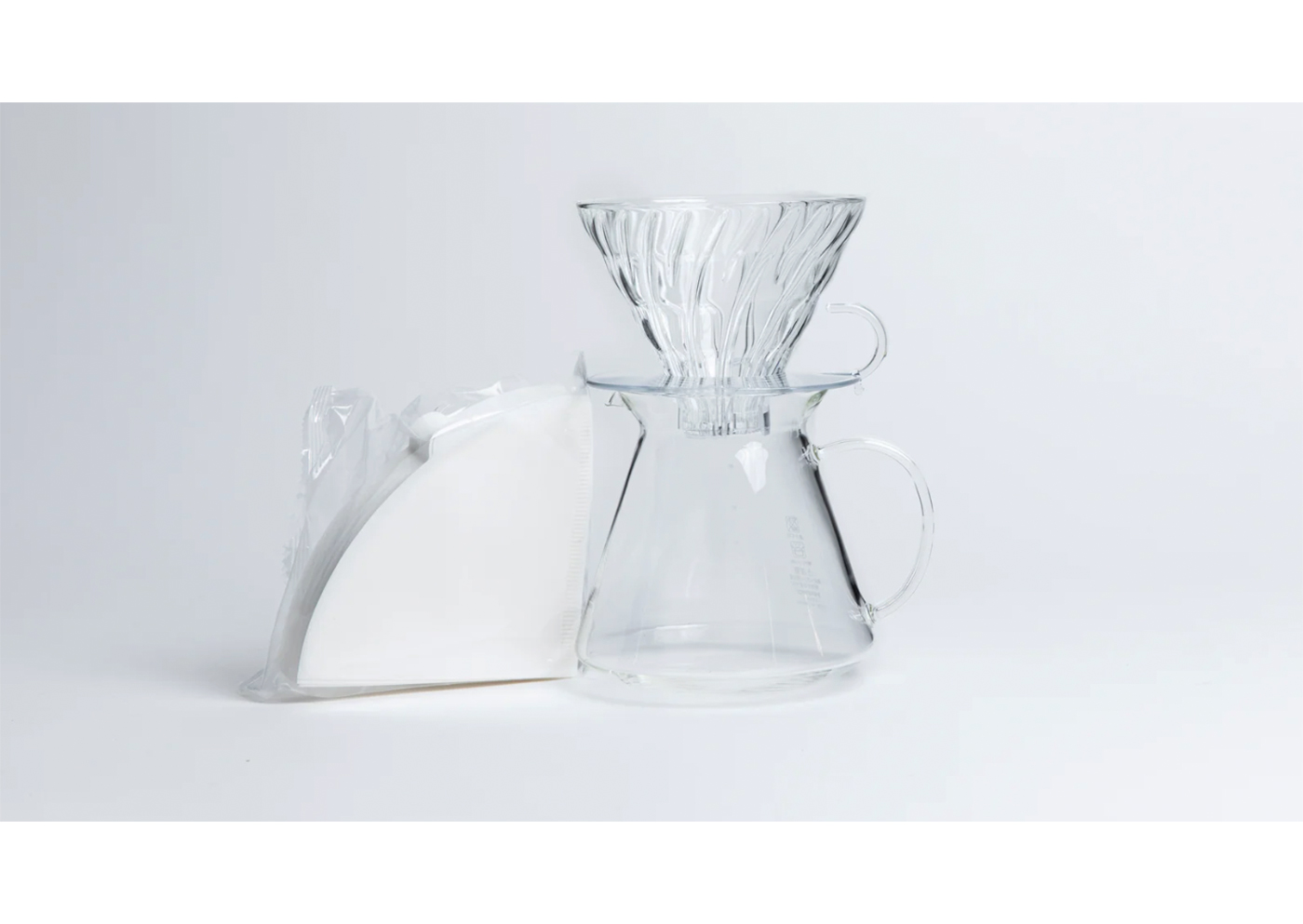
Conversely, Hario continues to refine the "Simply" glass series, focusing on the visual transparency of the brewing process. The V60 Glass Pour Over Kit remains a benchmark for the industry, emphasizing the ritualistic nature of coffee preparation. These products highlight a dual track in the 2026 market: one path toward high-tech automation and data, and another toward tactile, minimalist manual brewing.

The Milk Science Gap: Flair and Slow Pour Supply
Espresso preparation is only one half of the specialty coffee equation; milk texturing has often been the limiting factor for home baristas. The Flair Wizard, a stovetop milk steamer, aims to solve this by providing professional-grade steam pressure without the need for a full-sized espresso machine. By utilizing induction and gas stovetops, the Wizard allows users of manual espresso presses to create latte art-quality microfoam.
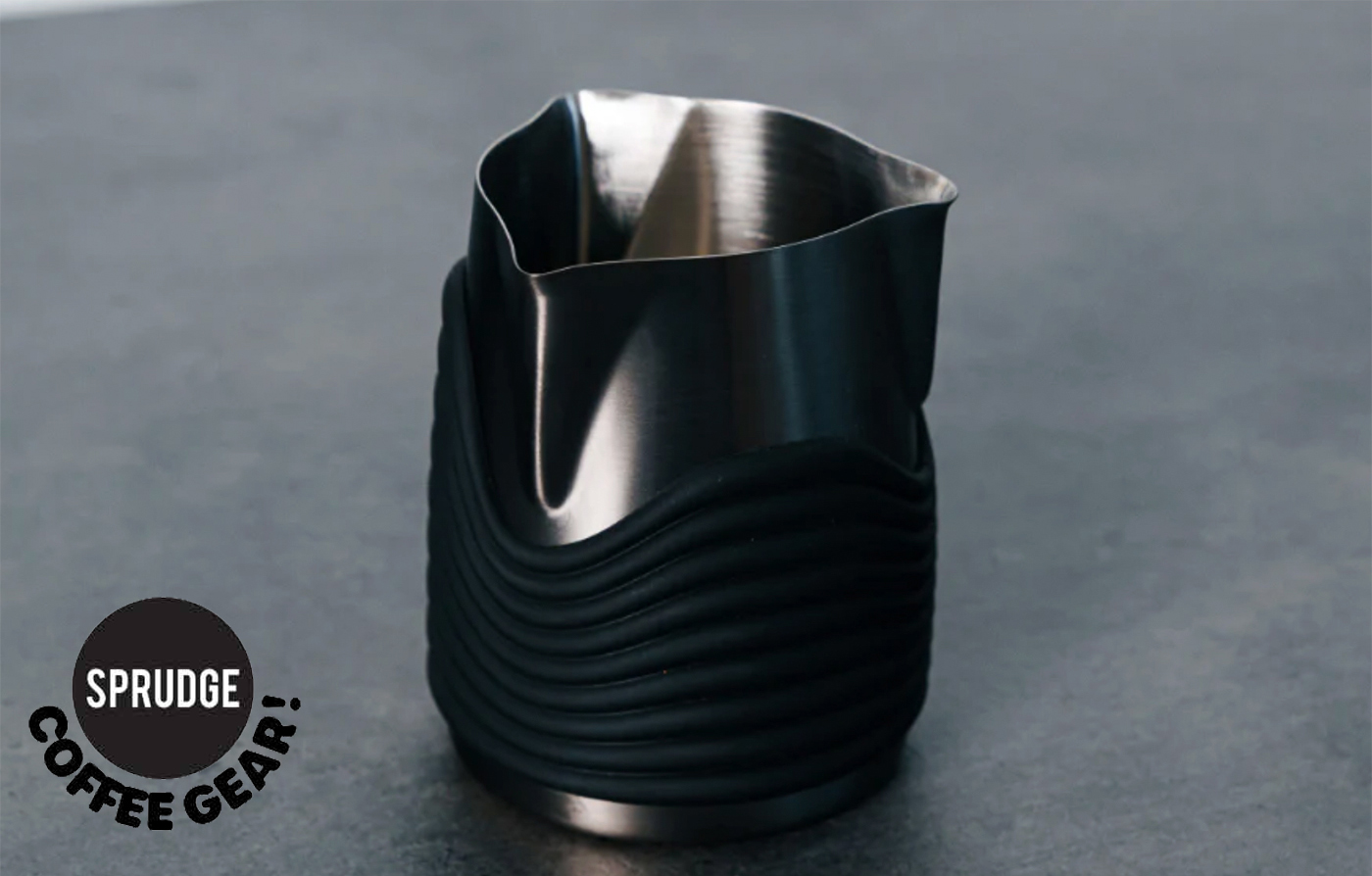
Supporting this trend is the KIMERA milk pitcher from Slow Pour Supply. Designed by Anita Tam, the KIMERA features a handleless design and a tri-spout system. The inclusion of three different spout shapes—round, narrow, and high-precision tapered—allows baristas to execute complex "drag and draw" latte art styles. This focus on specialized tools for milk preparation indicates that the 2026 consumer is increasingly interested in the aesthetic presentation of their beverages, not just the flavor.

Sustainability and Corporate Responsibility
A significant component of the 2026 initiative involves the ethical and environmental impact of coffee gear production. Brands like MiiR are featured not only for their Thermo 3D vacuum insulation technology but for their commitment to responsibly sourced materials. MiiR’s business model includes a "Give Code" system, allowing consumers to track the environmental or social project supported by their purchase.
As the coffee industry faces the challenges of climate change and economic volatility in coffee-growing regions, manufacturers are under increased pressure to demonstrate corporate social responsibility. The Sprudge initiative reflects this by vetting partners who prioritize longevity in product design, aiming to reduce the "e-waste" associated with cheap, disposable appliances.
Broader Industry Implications and Market Analysis
The launch of the "Coffee Gear" initiative by a major trade publication suggests that the role of the "influencer" and the "curator" is becoming more formalized in the coffee industry. As the number of available products grows, the value of trusted, third-party recommendations increases.
For manufacturers, being featured in such an initiative provides a direct line to a highly engaged demographic of "super-consumers." For the consumer, it provides a filtered view of a market that can often feel overwhelming. Economically, this curation may drive a "flight to quality," where consumers choose to invest in a few high-value, durable items rather than multiple lower-quality gadgets.
Furthermore, the emphasis on variety-specific tools (like the Hammerhead burr) and atmospheric manipulation (like the Horizon) suggests that the industry is pushing the boundaries of what is possible in a home environment. We are seeing a "professionalization of the kitchen" that mirrors trends in home cooking and mixology.
Conclusion: The Future of the Coffee Ritual
The 2026 Sprudge Coffee Gear initiative is more than a simple product catalog; it is a reflection of a global culture that views coffee as a intersection of science, art, and daily ritual. By highlighting innovations in waterproofing, burr geometry, atmospheric control, and sustainable manufacturing, the program sets the stage for the next era of coffee consumption.

As these products move from trade show booths to kitchen counters, the definition of a "good cup of coffee" continues to evolve. With the support of manufacturers like La Marzocco, Acaia, and Hario, the 2026 initiative ensures that the tools used to craft that cup are as sophisticated as the beans themselves. The industry remains focused on a singular goal: providing the clarity, sweetness, and balance necessary to honor the work of the farmers and roasters who make the specialty coffee industry possible.