rifanmuazin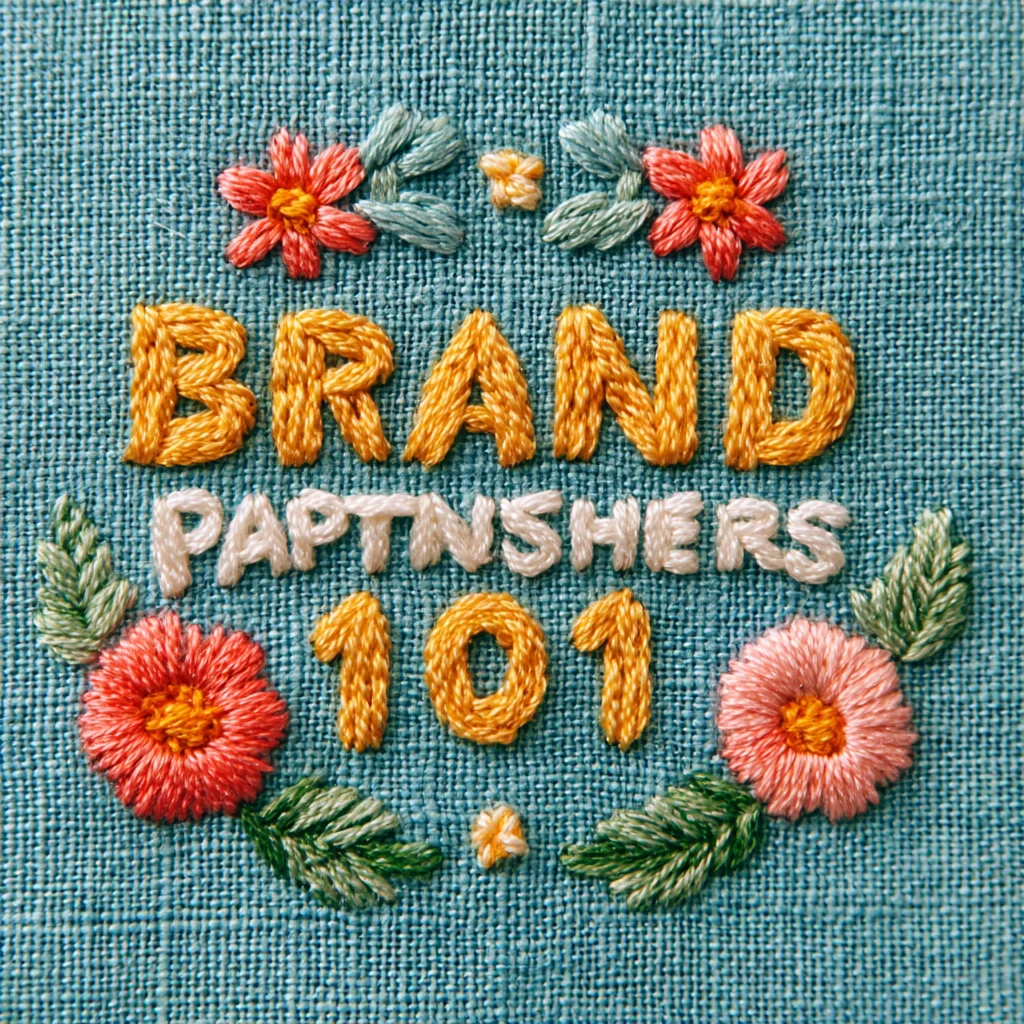
The rapid evolution of artificial intelligence has profoundly reshaped numerous industries, with visual content creation experiencing a particularly transformative shift. AI image generators, once a niche technology, have matured into sophisticated tools, offering creators unprecedented capabilities to produce visuals that were previously unattainable without specialized artistic skills or significant resources. This article provides an in-depth analysis of nine prominent AI image generation models and platforms as of 2026, examining their performance across distinct creative use cases, dissecting effective prompt engineering strategies, and exploring the broader implications for the creative economy.
The Evolving Landscape of AI-Powered Visual Creation
For many, the initial encounter with AI image generation often conjures notions of photorealism, prompting questions about its necessity when traditional photography remains readily accessible. However, this perspective overlooks the expansive utility of these tools, particularly in bridging creative gaps for individuals lacking traditional drawing or illustration proficiencies. The true power of AI image generators lies not in supplanting existing creative methods, but in enabling new forms of expression and efficiency. Creators who excel in written communication or design platforms like Canva and Figma, but struggle with bespoke illustrations, are finding these AI tools invaluable. They serve as a conduit for manifesting complex visual ideas that would otherwise remain conceptual.
The market for AI image generation has witnessed explosive growth. According to recent industry reports, the global generative AI market, encompassing image, text, and code generation, is projected to reach hundreds of billions of dollars by the end of the decade, with image generation being a significant driver. This surge is fueled by continuous advancements in underlying AI models and increasing accessibility through user-friendly platforms. The year 2026 marks a period where these tools have achieved a remarkable level of sophistication, moving beyond novelty to become integral components of professional workflows.
Methodology: A Deep Dive into Performance Benchmarks
To objectively assess the current state of AI image generators, a comprehensive evaluation was conducted across nine leading models and platforms. The selection encompassed both standalone applications and models integrated into multi-tool environments, ensuring a broad representation of the market. The primary testing hub for integrated models was Leonardo.ai, chosen for its seamless integration with design platforms like Canva, reflecting a common workflow for many digital creators. Standalone tools such as Midjourney, Recraft, and Adobe Firefly were evaluated independently.
The assessment focused on three distinct use cases designed to challenge the models’ versatility and precision:
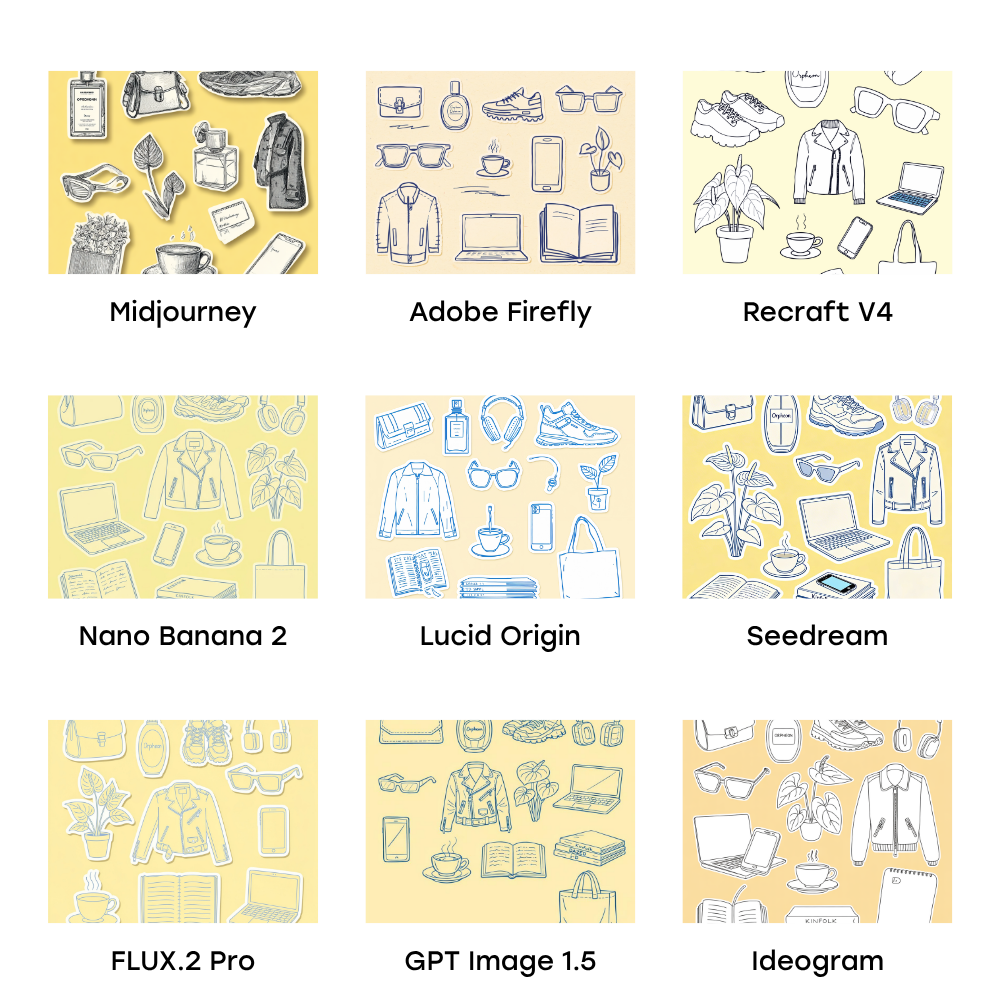
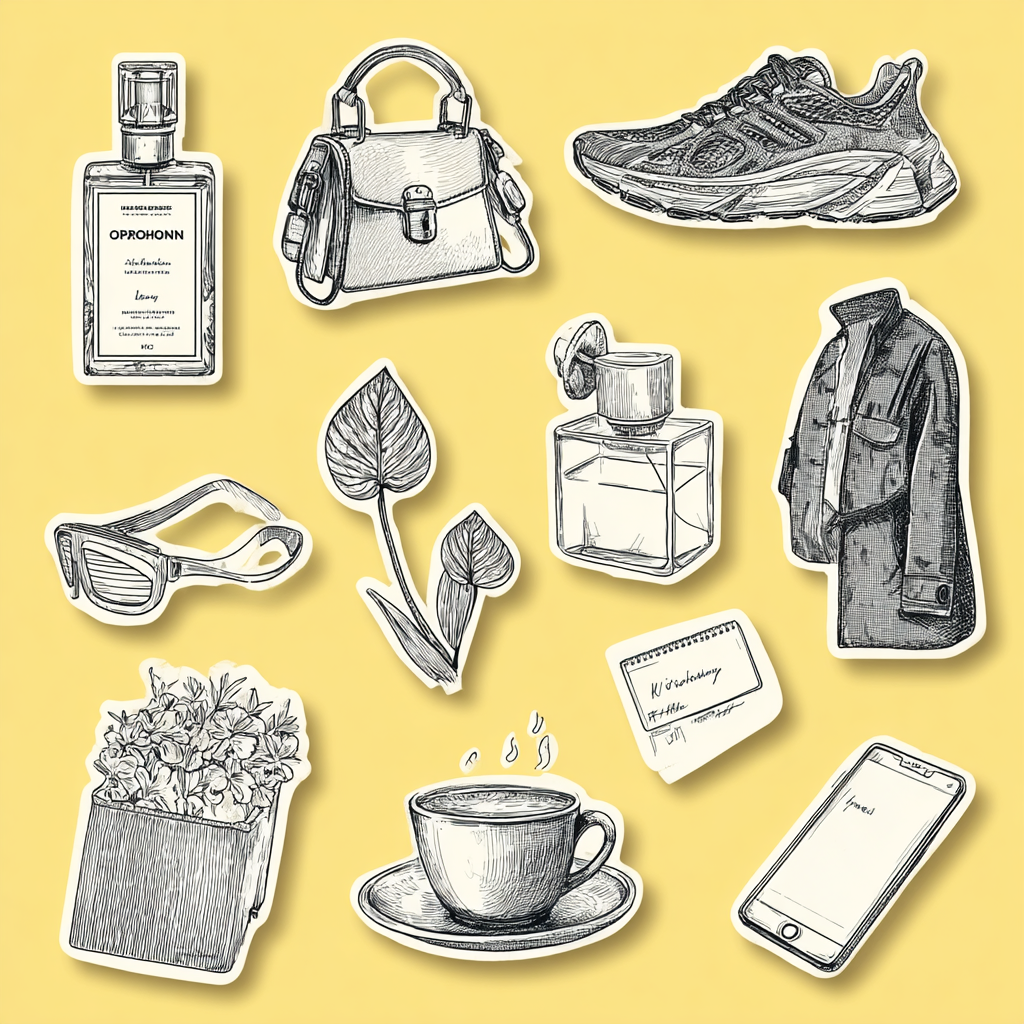
- Illustration: A hand-drawn doodle sticker sheet featuring 13 specific objects with precise characteristics and a defined stylistic execution (light blue line art on a butter yellow background, outlines only, zero shading/fill).
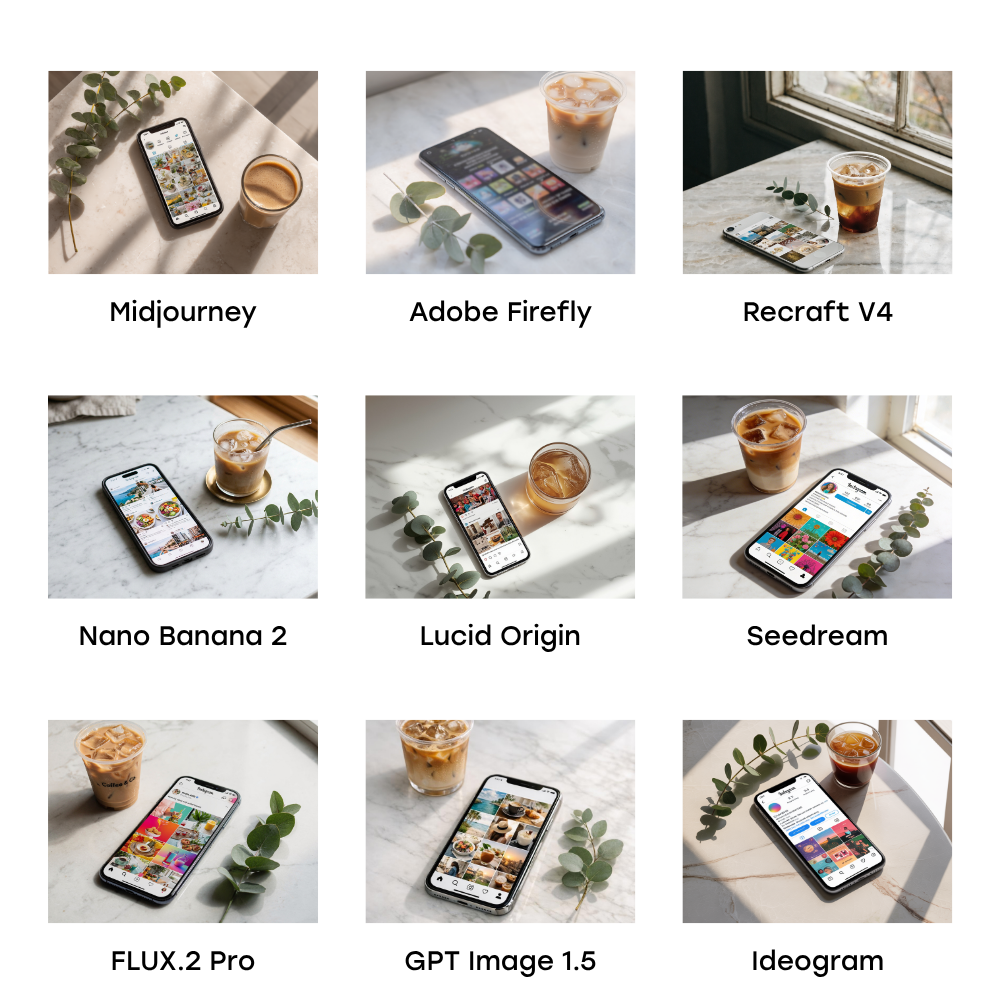
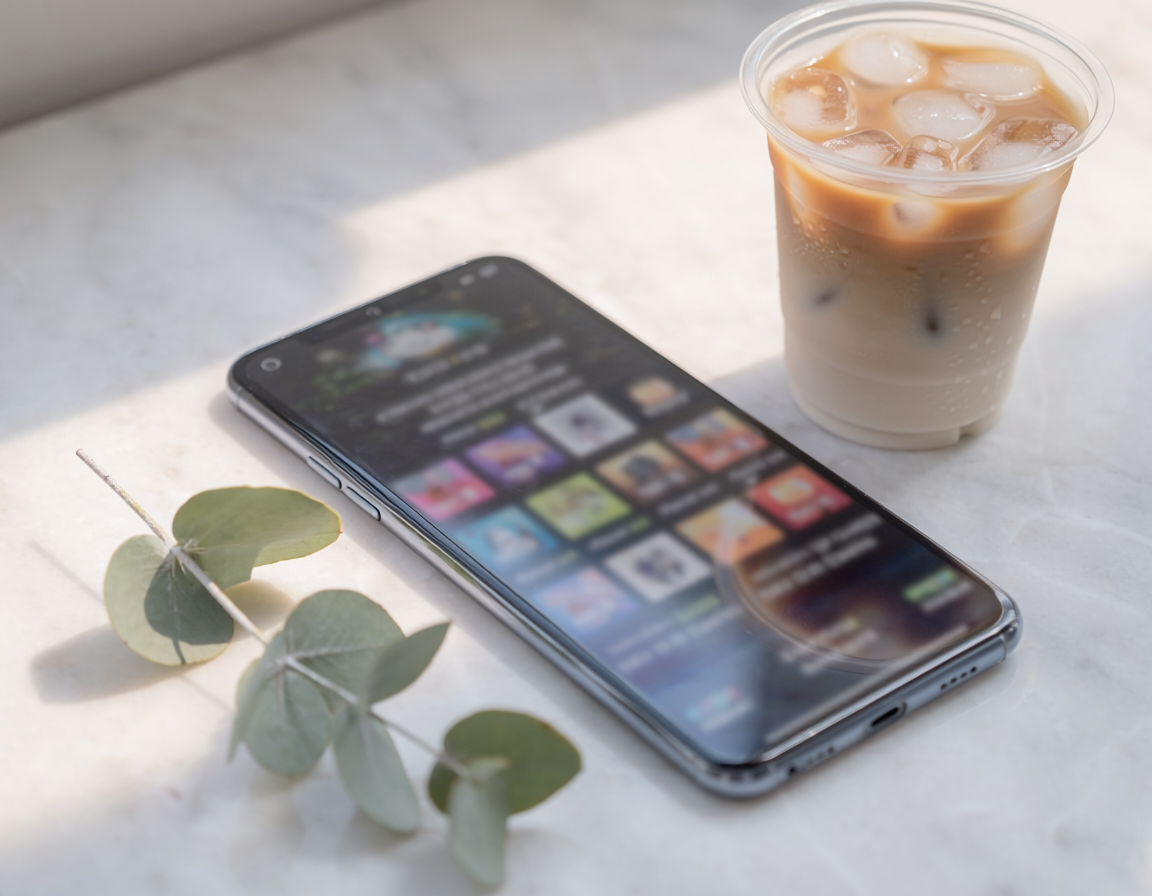
- Photorealism: A styled product flat lay featuring an iPhone displaying an Instagram feed, an iced coffee, and eucalyptus sprig, with specific camera angles and lighting conditions (three-quarter overhead, soft natural window light).
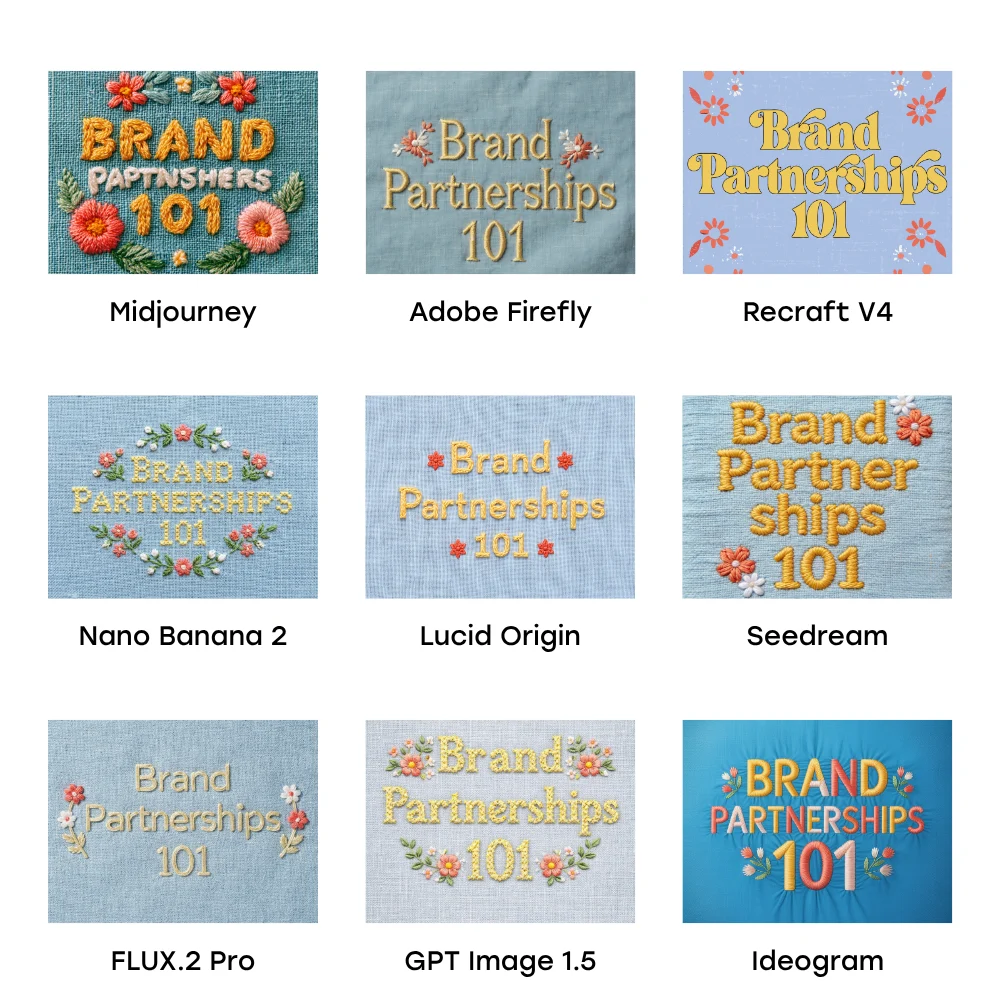
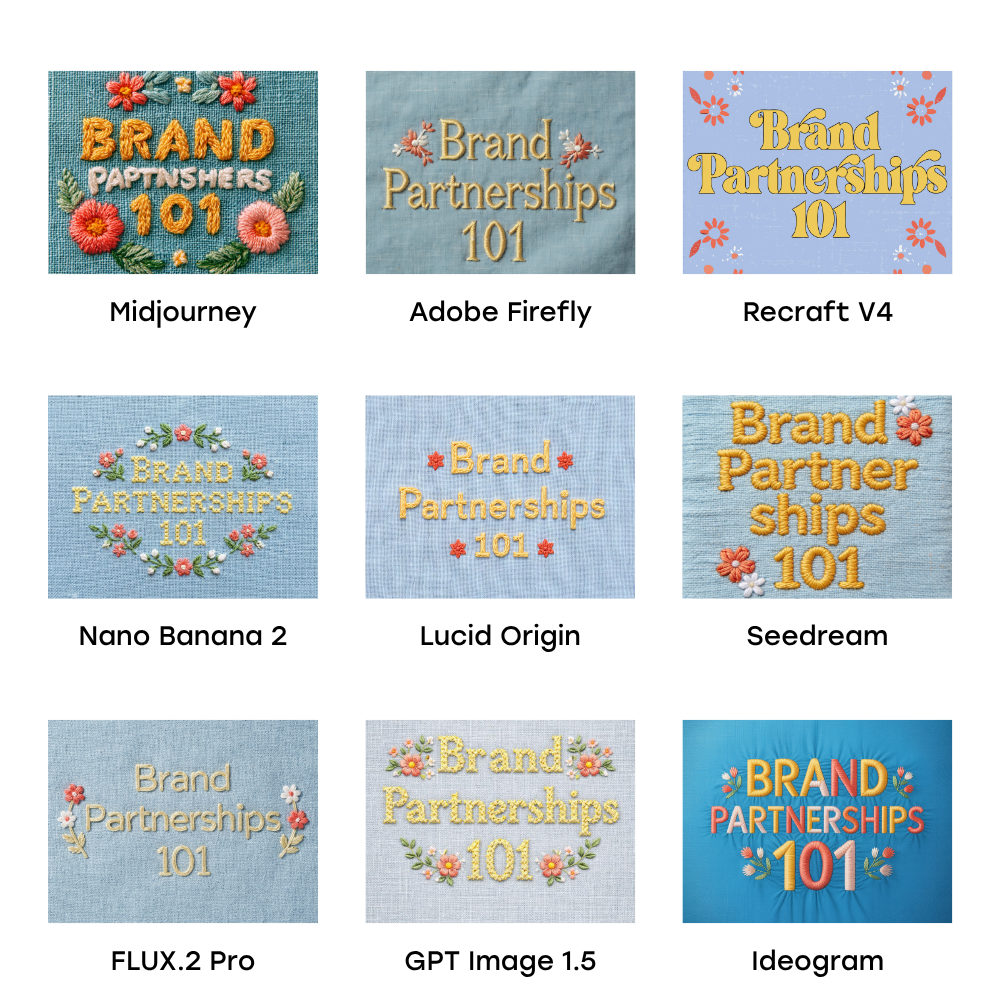
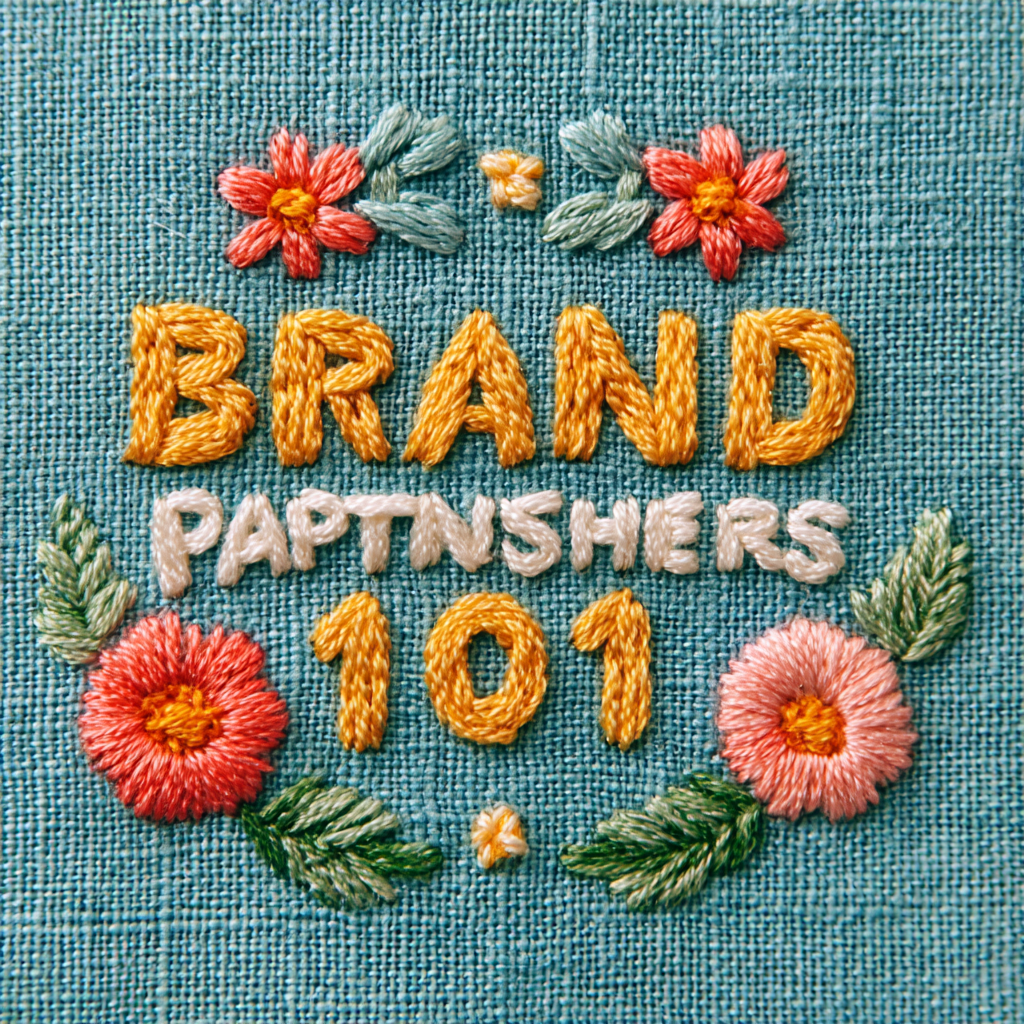
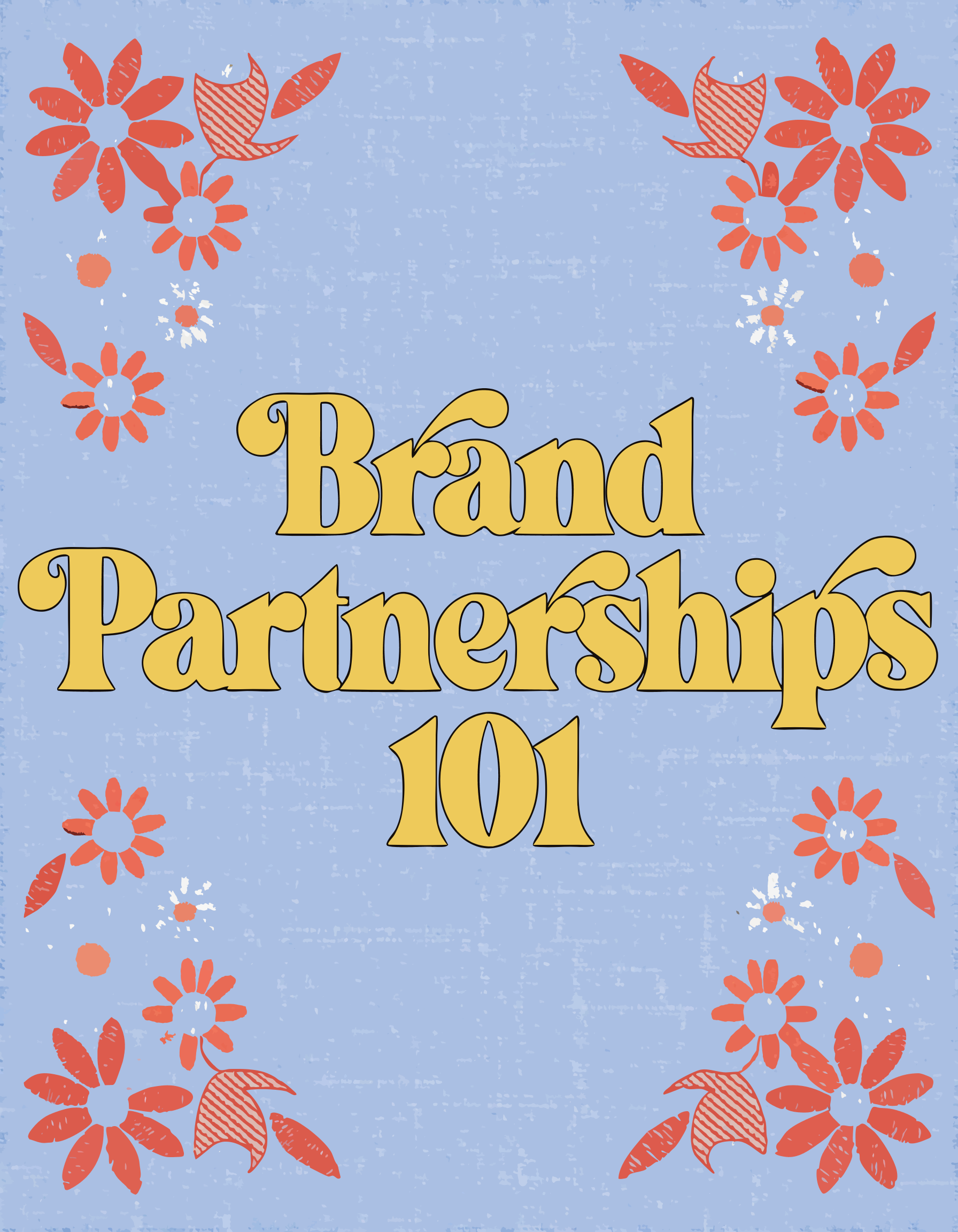
- Typography as Design: A graphic depicting the phrase ‘Brand Partnerships 101’ rendered as colorful embroidery stitching on a light blue linen fabric, specifying thread color, stitch style, and decorative accents.
These prompts were meticulously crafted to test the models’ ability to adhere to detailed instructions, render specific objects accurately, manage text generation, and maintain consistent stylistic integrity.
Mastering the Prompt: Strategies for Optimal AI Image Generation
A critical finding from this extensive testing is that the efficacy of AI image generators is increasingly dependent on the precision and strategic construction of prompts. While the models have become remarkably capable, the bottleneck has shifted from technological limitation to user articulation. Research into creator communities (e.g., r/midjourney, r/StableDiffusion), prompt breakdowns, and specialized guides (like Envato’s illustration prompt guide) reveals consistent patterns for maximizing output quality.
-
Subject-First Approach: The initial words of a prompt carry the most significant weight. Models consistently perform better when the core subject and action are stated upfront, followed by stylistic descriptors. For example, "A woman sitting at a desk with a laptop open" yields superior focus compared to leading with "editorial lifestyle photography." Prioritizing "what" over "how" ensures the model correctly prioritizes content.
-
Leveraging Photographic Terminology for Photorealism: When aiming for photorealistic results, generic descriptors like "beautiful" or "high quality" are largely ineffective. Instead, employing specific camera and lighting vocabulary—such as "shallow depth of field," "shot from a slight angle," "soft golden hour lighting," or "35mm film photography"—taps into the models’ training data, which is heavily populated with image captions and photography metadata. This allows the AI to interpret and generate visuals with authentic photographic qualities.
-
Color Specification Nuances: While hex codes are often used in traditional design for brand accuracy, descriptive color names (e.g., "light blue," "butter yellow") generally produce more accurate results in AI image generation. However, this can vary by tool; design-centric platforms like Recraft may handle hex codes more effectively. Experimentation is key, but starting with natural language color descriptions is often the most reliable approach.
-
Anchoring Artistic Styles: For illustrations, models often default to generic or outdated aesthetics if a specific style is not explicitly defined. To achieve a desired artistic outcome, prompts must include precise language detailing the medium and technique. Examples include "hand-drawn doodle, light blue ink, single color, simple line art with slightly wobbly quality, outlines only" or using terms like "ink hatching," "gouache blocks," or "flat vector shapes." The more granular the description of the artistic method, the closer the output will align with the creator’s vision.
-
The Power of Negative Prompting: Negative prompts, which instruct the AI on what not to include, are a potent refinement tool. Directives like "no watermark," "no text," or "no photorealism" significantly clean up outputs, especially for complex illustrations. Their effectiveness, however, is contingent on a strong core prompt; they cannot compensate for a vague starting point. Positioning the most critical exclusions early in the negative prompt further enhances their impact.

-
Standardized Prompt Templates: A consistent structure proved highly effective across various tools:
[Subject and what they're doing] + [setting or context] + [2 or more specific details] + [style]. This template ensures all necessary elements are covered systematically.-
Illustration Prompt Example: A sticker sheet of hand-drawn doodle illustrations on a butter yellow background, with generous spacing between every object so each can be cropped as an individual sticker. Exactly these objects and nothing else: 1) a structured clutch bag with clasp hardware, 2) a tall oval perfume bottle with a label reading "Orpheon", 3) chunky lace-up trail running sneakers, 4) wireless square transparent over-ear headphones with absolutely no wire and no earbud attached completely standalone, 5) angular rectangular sunglasses, 6) a leather zip-up moto biker jacket with zippered pockets, 7) an anthurium plant with large waxy leaves and a spadix, 8) an open laptop computer, 9) a smartphone with a screen, 10) a single hot steaming cup of tea in a teacup on a saucer no iced drinks, no straws, no second cup, 11) an open journal with handwritten lines on the pages, 12) a flat neat stack of magazines with spines reading Kinfolk, Dazed, i-D, 13) a plain simple canvas tote bag with handles not mesh, not net. Light blue line art on butter yellow background, single color, simple wobbly hand-drawn line art, outlines only, zero shading, zero fill, zero color blocks. Flat lay arrangement.
-
Photorealism Prompt Example: A photorealistic image of an iPhone resting on a light marble surface, screen facing up, showing a colorful Instagram feed. A small iced coffee in a clear cup and a sprig of eucalyptus beside it. Three-quarter overhead angle, soft natural window light from the right, gentle shadows. Clean, styled, editorial product photography. No people, no hands, no text overlays, no watermarks.
-
Typography as Design Prompt Example: Square graphic. The phrase ‘Brand Partnerships 101’ rendered as colorful embroidery stitching on light blue linen fabric background. Letters in butter yellow thread with visible stitch texture, cross-stitch style. Small decorative floral embroidery accents in coral and white thread flanking the text. Fabric has subtle woven texture. Warm, tactile, handcrafted feel. No photographs of real objects, no watermarks.

-
Key Findings: Performance Across Leading AI Models
Each model exhibited unique strengths and weaknesses when subjected to the rigorous testing protocol.
-
Midjourney: Renowned for its artistic, mood-driven visuals, Midjourney excels in creating aesthetically rich compositions. However, its performance diminishes significantly when confronted with highly specific object rendering or precise text generation. While the overall photographic mood was strong for photorealism, details like ice in a coffee cup or legible text on a phone screen were often fumbled. For typography, Midjourney struggled with spelling, delivering beautifully textured but often garbled words. Its strength lies in evoking a general atmosphere rather than executing granular details.
-
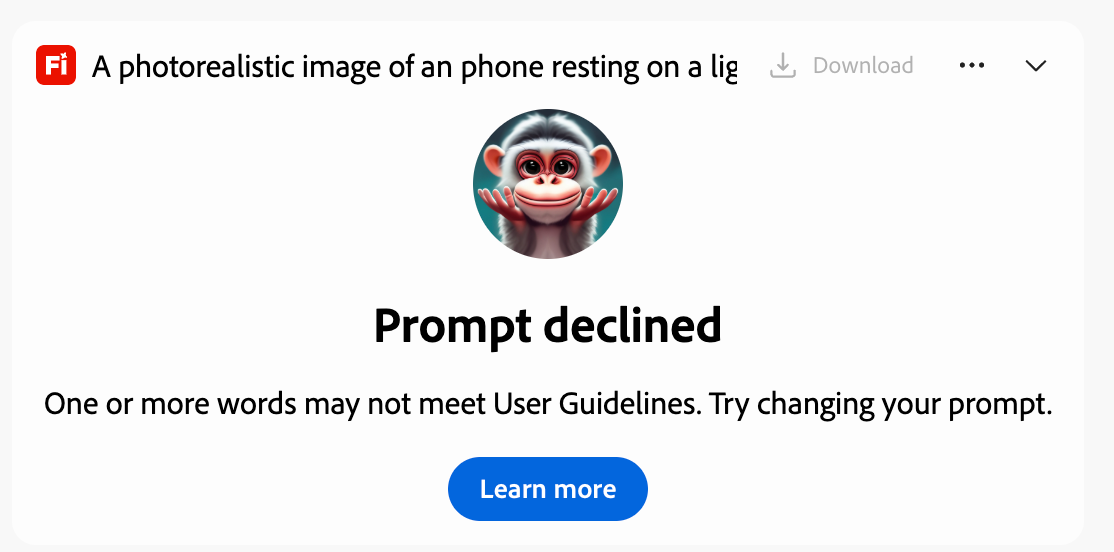
Adobe Firefly 5: Positioned for integration within the Adobe ecosystem, Firefly 5 offers cleaner commercial licensing due to its training on Adobe Stock and public domain content. Its illustrations possess a whimsical, hand-drawn quality, though accuracy for specific object details can be inconsistent. A notable characteristic is its refusal to render brand names like "iPhone" or "Instagram" in prompts, reflecting Adobe’s cautious approach to trademark issues. The typography prompt yielded impressive results, showcasing realistic fabric textures and legible, well-executed embroidery. Its workflow integration makes it highly attractive for existing Adobe users.
-
Recraft V4 Pro: A powerful standalone platform, Recraft provides extensive control over visual style, leveraging a vast library of existing designs as reference images. Its Vector Pro model produced illustrations with a genuine hand-drawn feel, though some object inconsistencies were observed. For photorealism, while initial impressions were strong (realistic shadows, condensation), closer inspection revealed distortions in device dimensions and on-screen content. Recraft’s typography output, while not strictly adhering to the embroidery brief, demonstrated a compelling aesthetic vision and handcrafted feel, occasionally surpassing the prompt’s explicit requests with its creative interpretations.
-
GPT Image 1.5 (OpenAI): Often encountered through ChatGPT, GPT Image 1.5, when accessed via platforms like Leonardo.ai, allows for greater control over style and dimensions. Its illustration outputs often appeared compressed and suffered from a recognizable "AI yellowish tinge." Photorealism was closer, but branding and layouts on phone screens were absent. The typography prompt, however, was handled with commendable adherence, faithfully rendering cross-stitch texture and accurate text, even if the aesthetic was less refined than other tools. It prioritizes prompt adherence, sometimes at the expense of artistic finesse.

-
Nano Banana 2 (Google): This Google model emerged as the most consistent performer across all three categories. Its probable advantage stems from Google’s vast indexed visual data (Search, Shopping). Nano Banana 2 demonstrated an uncanny ability to accurately render specific real-world objects and brands, such as a "Diptyque Orphéon" perfume bottle or "Salomon trail running sneakers." It delivered the most complete and accurate sticker sheet illustration, captured a believable photorealistic scene (even adding unprompted, natural-looking elements like a notebook), and produced whimsical, stylized embroidery with visible texture. Its precision with real-world objects makes it a standout.
-
Seedream (ByteDance): ByteDance’s model, accessible via CapCut Pro, excelled in producing a "sticker-like" effect for illustrations and demonstrated remarkable accuracy in text generation across all labels and spellings. It correctly rendered an anthurium, a detail that many other tools missed. While photorealism suffered from an unrealistic phone depiction, the surrounding elements were well-styled. Seedream’s typography results were strong, with realistic fabric textures and legible text, despite a slightly cartoonish font weight. Its strength in text generation is a significant advantage for content creators.

-
Ideogram 3.0: Positioned as a leader in text generation, Ideogram 3.0 achieved only about 75% accuracy in this review’s requests. Its illustration colors were off, and the visuals lacked a distinctive hand-drawn personality, often defaulting to generic representations (e.g., a monstera instead of an anthurium). Photorealism exhibited an "uncanny valley" quality, appearing almost real but with subtle artificiality. For typography, Ideogram presented a cartoonish interpretation of embroidery, failing to capture the handcrafted realism requested, and its attempts at fabric distortion felt artificial. Its claim to text generation prowess was not consistently met in these tests.
-
FLUX.2 Pro: Available through Leonardo.ai, FLUX.2 Pro is known for its balance of quality and speed, often taking creative liberties with prompts. For illustration, it uniquely generated "printed-out stickers" rather than flat digital ones, creating a dimensional effect. While some object details were inaccurate, the overall creative approach was noteworthy. Photorealism showed strong shadow handling and even added subtle branding to the coffee cup, though the phone remained slightly unconvincing. Its embroidery texture was impressive, looking like real thread, but the text itself appeared somewhat detached from the fabric, suggesting separate rendering and placement.

-
Lucid Origin: Offering both fast and ultra generation modes, Lucid Origin delivers quick outputs with a distinctive dimensional quality. Its illustration sticker sheet, while having text generation issues and object inaccuracies, possessed an appealing embossed, almost 3D effect. For photorealism, it uniquely interpreted "flat lay" as a strict top-down shot, demonstrating strong reading comprehension of the prompt. However, ice in the cup and phone screen content appeared unrealistic. The typography results, though not strictly realistic, offered a stylistically appealing "inspired by embroidery" look, missing some requested accents but presenting a cohesive aesthetic.
Broader Implications and Industry Context
The rise of AI image generators carries significant implications for various stakeholders, from individual creators to large corporations.
-
Copyright and Commercial Use: A Legal Minefield: A critical aspect of AI image generation pertains to intellectual property. The U.S. Copyright Office currently maintains that purely AI-generated images are not copyrightable, as the act of typing a prompt does not constitute human authorship. This stance was reinforced in March 2026 when the U.S. Supreme Court declined to alter this position. This has profound implications for creators seeking to protect their AI-derived work. While most tools permit commercial use, the lack of copyright ownership means that similar outputs generated by others cannot be legally challenged in the same way as traditionally created art. This necessitates a strategic approach, where significant human modification and integration of AI images into broader design projects strengthen a creator’s claim to the composite work. The legal landscape is further complicated by over 70 ongoing copyright lawsuits, with a landmark case (Andersen v. Stability AI) against Stability AI and Midjourney slated for trial in September 2026, challenging the legality of training AI models on scraped internet data without consent. Adobe Firefly stands as an exception, explicitly training on licensed Adobe Stock content and public domain materials, and offering IP indemnification for enterprise plans, providing a more legally secure option for commercial entities.

-
Ethical Dimensions of AI in Art: Beyond copyright, the ethical considerations of AI image generation are multifaceted. The training data, often scraped from the internet, can embed biases present in human-created works, leading to issues of representation and stereotyping. The ability to generate convincing images of non-existent people, or even resemblances of real individuals, raises significant right-of-publicity risks and concerns about deepfakes and misinformation. While this review deliberately avoided human subjects, creators must carefully consider these ethical questions when deploying AI-generated imagery involving people. Responsible AI development and deployment are paramount to mitigating these risks.
-
Accessibility and Cost: Entry Points for Creators: The accessibility of AI image generation varies. Most leading tools offer free tiers or complimentary credits, democratizing access for experimentation. Platforms like Leonardo.ai provide daily tokens, enabling users to test multiple models without immediate financial commitment. Recraft, Ideogram, and Meta AI also offer free access. Midjourney, recognized for its premium artistic quality, operates on a paid subscription model (starting at $10/month). Adobe Firefly is integrated into most Creative Cloud plans, with a limited free generation capacity. OpenAI’s ChatGPT includes image generation in its free plan, with paid tiers offering enhanced speed and higher limits. This tiered access ensures that both hobbyists and professional creators can engage with the technology at various levels.

The Future of Visual Content Creation
The trajectory of AI image generation points towards even greater sophistication and integration. As models continue to refine their understanding of complex prompts, nuance, and artistic styles, the distinction between AI-generated and human-created visuals will further blur. The ongoing legal battles will likely shape future development, potentially leading to new industry standards for training data and copyright attribution. For creators, the imperative will be to evolve alongside these tools, mastering prompt engineering, understanding the ethical implications, and leveraging AI to augment, rather than replace, their unique creative vision. The future of visual content creation is not just about generating images, but about intelligently collaborating with AI to unlock new realms of artistic possibility and efficiency.