rifanmuazin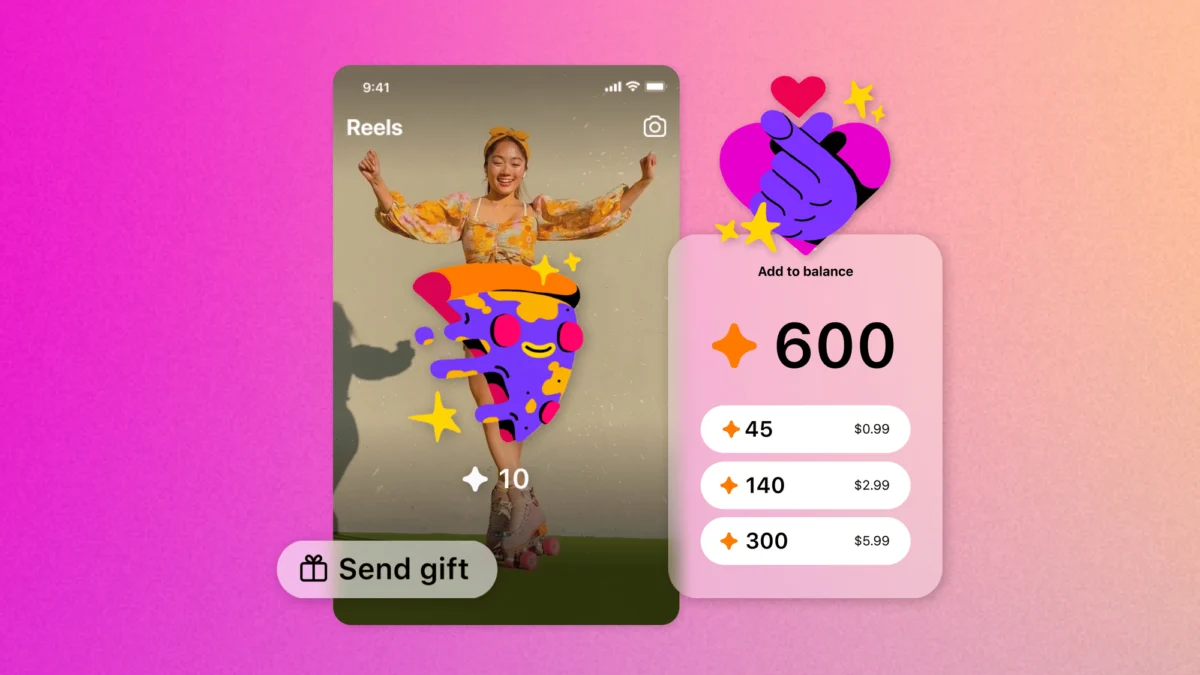
Instagram has evolved into a robust platform where content creators, irrespective of their follower count, can generate substantial income. From micro-influencers with thousands to nano-creators with hundreds of engaged followers, the digital landscape now offers diverse avenues for supplementing or even replacing traditional income through content creation. This shift underscores a broader transformation in the global creator economy, projected to reach over $480 billion by 2027, where platforms are increasingly incentivizing direct creator engagement and entrepreneurial ventures.
The journey to monetizing Instagram is multifaceted, demanding consistent effort and strategic insight rather than a single "easy money" switch. Success hinges on understanding the platform’s diverse income streams, identifying those that align with one’s content and audience, and meticulously executing a monetization strategy. This article will explore 12 of the most effective methods currently viable on Instagram, offering a deep dive into what works, what to prioritize, and how creators can layer these opportunities to build sustainable revenue, regardless of their current follower base.
The Evolution of Instagram’s Creator Economy
Instagram’s parent company, Meta, has made significant investments in creator tools and monetization features, recognizing the critical role creators play in driving engagement and retaining users. This strategic pivot has transformed Instagram from a mere photo-sharing app into a dynamic marketplace and content hub. The introduction of in-app monetization features, alongside the organic growth of brand collaborations and direct-to-consumer sales, reflects a mature ecosystem where creativity is directly rewarded. This evolution has democratized income generation, allowing specialized niches and highly engaged communities to thrive, often outperforming larger, less engaged audiences.

Three Primary Pathways to Instagram Income
Instagram monetization methods generally fall into three broad categories, each with distinct characteristics regarding barrier to entry and payout models:
| Path | Methods Covered | Minimum Follower Threshold (Approx.) | Payout Model |
|---|---|---|---|
| In-App Features | Subscriptions, Gifts, Badges, Bonuses | 500–10K (varies by feature) | Audience purchases or seasonal platform bonus |
| Brand Collaborations | Sponsored Posts, User-Generated Content (UGC), Affiliate Links | No minimum (UGC/Affiliate); 1K+ (Sponsored) | Flat fee, product gifting, or commission |
| Self-Promotion | Instagram Shop, Own Products/Services, Courses, Ads, Merch | No minimum | Direct sales revenue |
It is crucial to note that while Instagram Shop is an in-app feature, its specific eligibility requirements (a business account is mandatory) place it in a unique category within the self-promotion path. Regardless of the chosen path, consistent audience engagement and a clearly defined niche are foundational for sustained growth and monetization. Content repurposing across different streams can also significantly enhance efficiency and reach.
Platform-Native Monetization: Earning Within the App
Instagram’s built-in features offer direct avenues for creators to earn, fostering a more integrated ecosystem for fan support and platform incentives.
1. Exclusive Content via Subscriptions
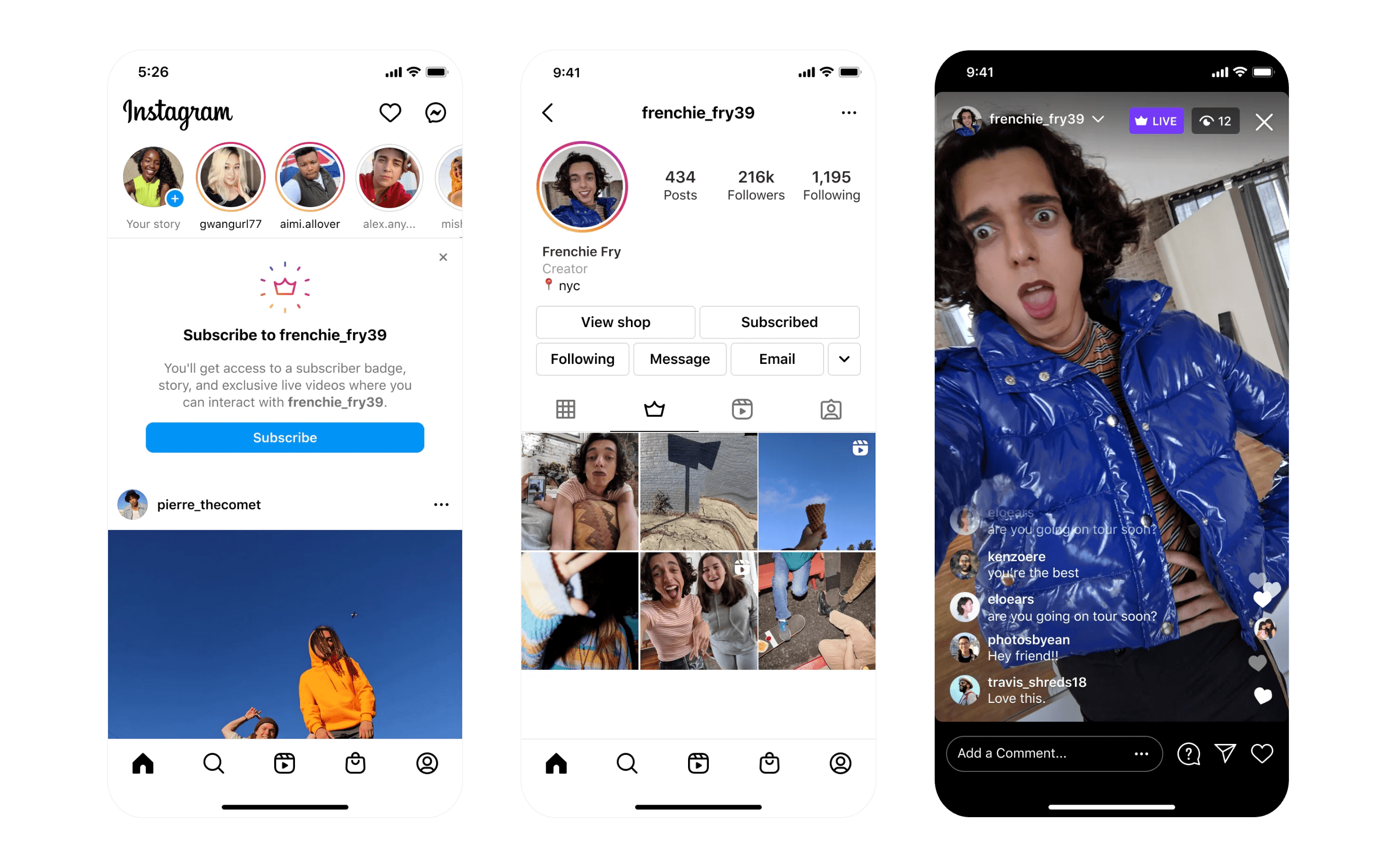
Launched in early 2022, Instagram Subscriptions allow creators with 10,000 or more followers to offer exclusive content—posts, Reels, Stories, and Live sessions—to paying subscribers for a monthly fee. This feature establishes a recurring revenue stream directly within the app, akin to a mini-membership program. Subscribers gain access to a dedicated tab on the creator’s profile, identifiable by a distinct crown icon, signifying their premium access.
The value proposition for subscriptions often extends beyond mere content. Successful creators have found that subscribers pay for "meaningful access," such as behind-the-scenes glimpses, unfiltered insights into creative processes, in-depth tutorials, or personal updates that foster a deeper connection. Pricing strategies should balance perceived value with accessibility, encouraging a broader segment of the engaged audience to join. Meta initially waived its revenue share on subscriptions until 2023, and future revenue splits are designed to be competitive, encouraging creator participation.
- Eligibility: Typically 10,000+ followers, adherence to Instagram’s monetization policies, and residence in an eligible region. Accounts primarily focused on children’s content are excluded.
- Pro Tip: Prioritize replying to subscribers, easily identifiable by their purple crown symbol in comments, to enhance their exclusive experience.
2. Direct Support through Gifts
Instagram Gifts, introduced in 2022, enable fans to send virtual "stars" on Reels, which convert to cash at a rate of $0.01 per star. This feature provides the lowest-barrier entry point for audience-driven earnings, available to professional accounts with at least 500 followers. Gifts serve as a digital tip jar, allowing viewers to directly appreciate content that entertains, inspires, or educates them.
While individual gift amounts may be small, consistent high-quality content can lead to cumulative earnings. Creators often subtly encourage gifts in captions, framing them as a way to support ongoing content creation. The psychological aspect of direct support fosters a stronger creator-audience bond.
- Eligibility: Professional account, 500+ followers, and availability in selected countries.
- Payout Model: Accumulative earnings from stars, paid out periodically once a minimum threshold is met.
3. Monetizing Live Sessions with Badges
Instagram Badges allow viewers to tip creators during live broadcasts, with options for $0.99, $1.99, or $4.99 increments. This feature specifically ties monetization to real-time, interactive content, creating a "front-row ticket" experience for viewers. Badges were first piloted in 2020 and expanded globally as a direct response to the growing popularity of live streaming during the pandemic.
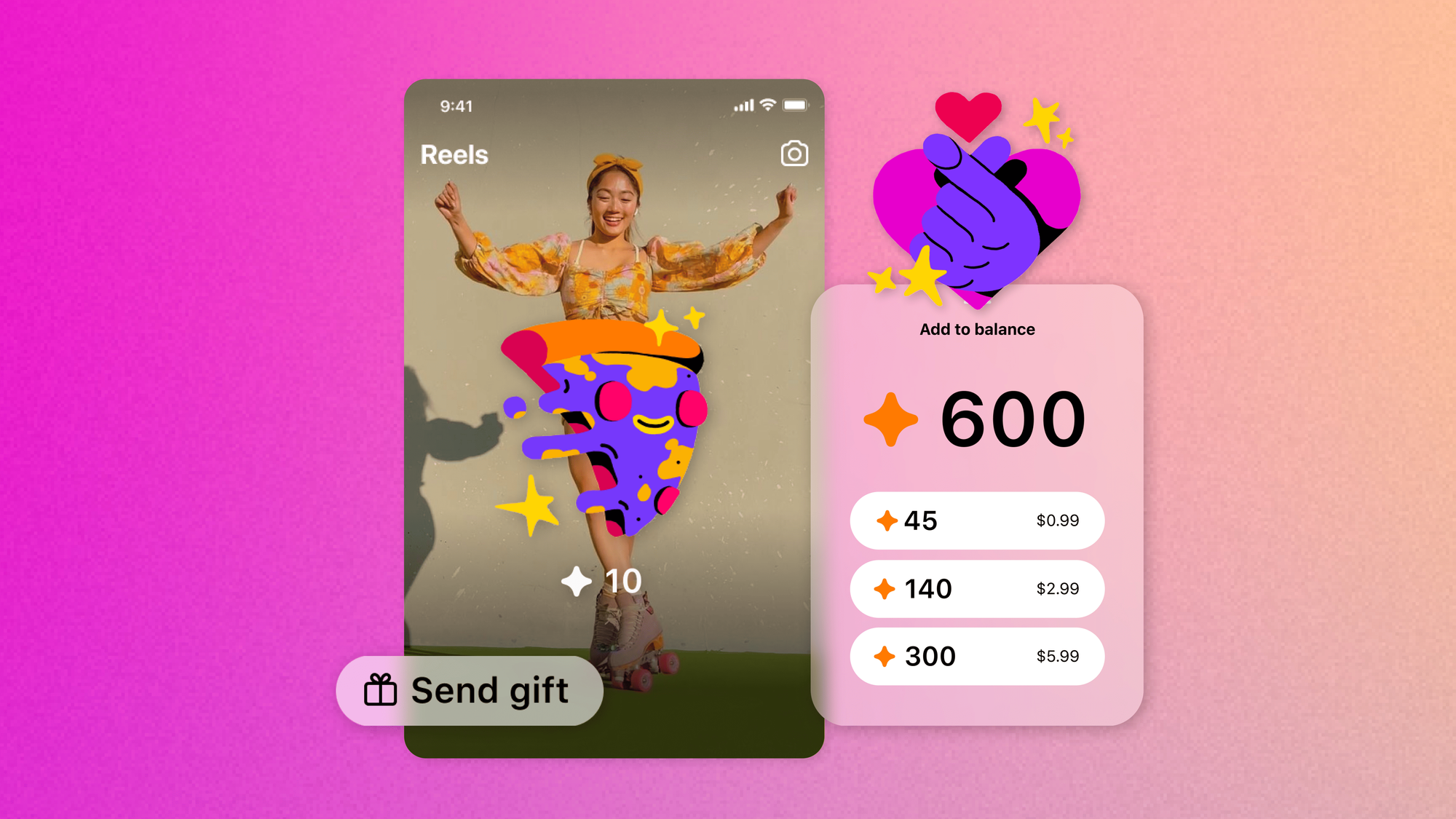
Successful creators hosting live sessions transform them into engaging "mini-experiences" with consistent themes, such as Q&A sessions, behind-the-brand discussions, or community happy hours. Viewers who purchase badges are visibly marked with a heart icon next to their names, offering creators an opportunity for real-time recognition and interaction. Announcing badge availability at the start and throughout a live session can significantly boost contributions.
- Eligibility: Must be 18+, qualify for badges, and reside in an eligible country.
- Payout Model: Direct fan tips during live broadcasts.
4. Qualifying for Instagram Bonuses
Instagram Bonuses represent direct payments from the platform to creators, independent of audience purchases or subscriptions. These performance-based incentives are offered on rolling cycles and can apply to Reels, carousels, and single image posts. Bonuses are Instagram’s direct investment in creator retention and content quality, evolving from early programs like the Reels Play bonus.
These programs are typically invite-only and geographically restricted. Creators receive invitations via their professional dashboard, outlining specific performance targets (e.g., number of views or plays on Reels). While not a primary, guaranteed income stream, bonuses serve as a significant reward for creators already committed to consistent, high-performing content.
- Payout Rate: There is no fixed rate, but creators have reported earnings of approximately $0.01–$0.05 per 1,000 views, varying by program, region, and content format. Reels bonuses have historically offered higher payouts per view, incentivizing short-form video content.
- Strategic Implication: For creators with fewer than a few thousand followers, the focus should remain 80% on audience growth and community building, with 20% dedicated to understanding future monetization opportunities. This prepares them to capitalize on bonuses and other features once follower thresholds are met.
Brand Collaborations: The Influencer Marketing Frontier
For many creators, particularly those with under 10,000 followers, brand partnerships, user-generated content, and affiliate marketing are the most immediate and substantial income generators. The global influencer marketing market was valued at $21.1 billion in 2023 and continues to expand, driven by brands seeking authentic connections with niche audiences.

5. Sponsored Posts and Brand Partnerships
The cornerstone of influencer marketing, sponsored posts involve creators producing content for a brand and publishing it on their own feed in exchange for payment. These posts are legally required to disclose the partnership, typically using a "paid partnership" tag or #ad hashtag. Brands leverage a creator’s audience to build awareness and drive sales.
Earning potential from sponsored posts is highly variable, influenced by factors such as niche, geographic location, content quality, follower count, and crucially, engagement rate. Influencer Marketing Hub’s benchmark study indicates that nano-influencers (1,000–10,000 followers) can earn $10–$100 per post, while mega-influencers (1M+ followers) command upwards of $10,000. Brands increasingly prioritize engagement and audience relevance over raw follower numbers, making niche micro- and nano-creators highly valuable. Additional fees may be negotiated for usage rights, allowing brands to repurpose content in their own advertising.
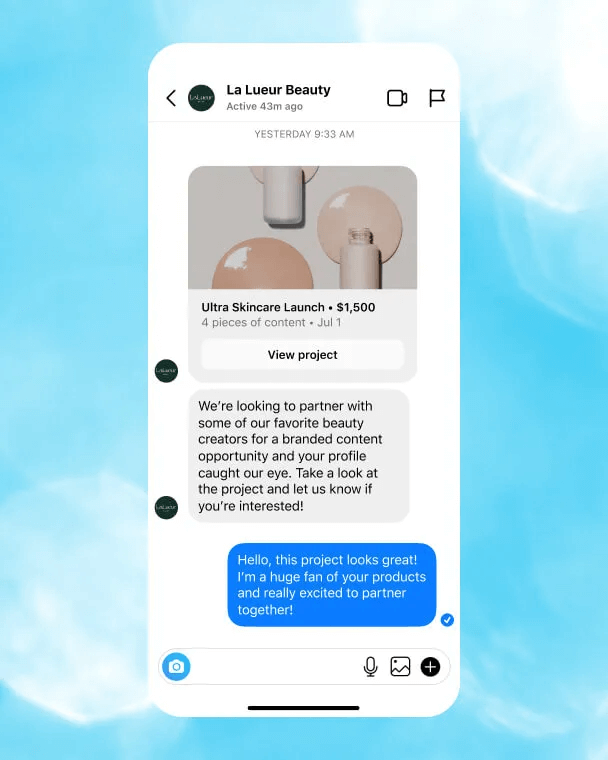
- Finding Partnerships: Brands often proactively seek out creators with engaged communities. Creators can also attract attention by consistently tagging brands they genuinely use and love. Instagram’s Creator Marketplace (available in eligible countries) serves as a hub connecting brands with suitable influencers. Direct outreach via email or DM to brand marketing teams is also an effective strategy.
- Authenticity is Key: Overloading a feed with inauthentic brand collaborations can erode audience trust and engagement. Experts like Annie-Mai Hodge emphasize that creators should prioritize serving their audience first, with brand deals acting as a complementary layer.
6. Creating User-Generated Content (UGC) for Brands
UGC deals involve creators producing branded video or photo content that brands then post on their own accounts or use in advertisements. This method does not require a minimum follower count, as the brand is purchasing the content itself, not the creator’s audience reach.
UGC offers a flexible income stream for creators who prefer to focus on content production without the pressure of maintaining a large personal following or integrating sponsored content directly into their feed. Brands value UGC for its authenticity and relatability, often yielding higher engagement than polished, in-house advertising. Examples include unboxings, product demonstrations, and tutorials.
- Securing Deals: Creators can pitch brands directly via DMs or email, showcasing their content creation skills with a portfolio of simple videos.
- Advantage: Ideal for "behind-the-scenes" creatives, allowing them to monetize their production talent independently of their personal brand’s reach.
7. Affiliate Marketing
Affiliate marketing is a beginner-friendly monetization path where creators earn a commission on sales generated through unique tracking links or promo codes. These links often include discounts, providing an incentive for followers to purchase.

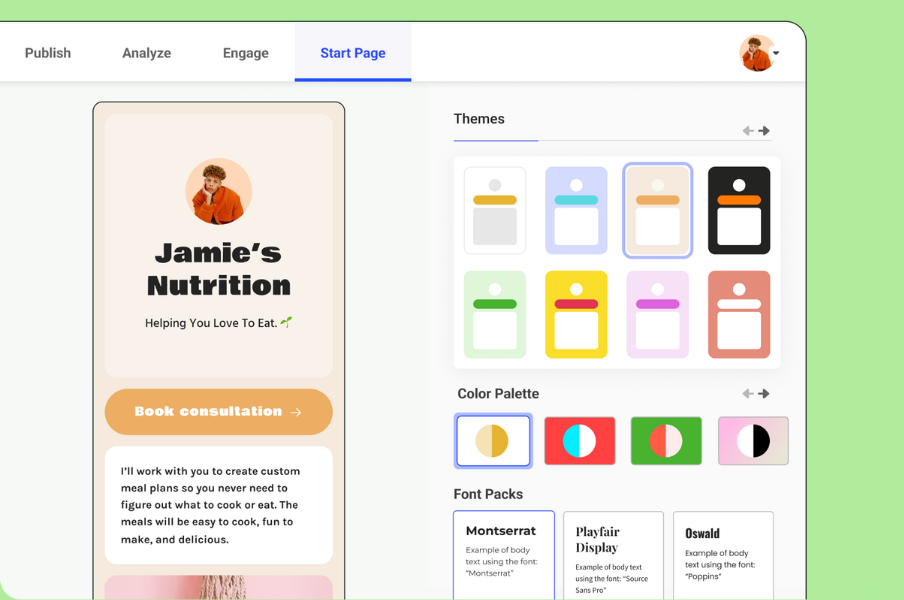
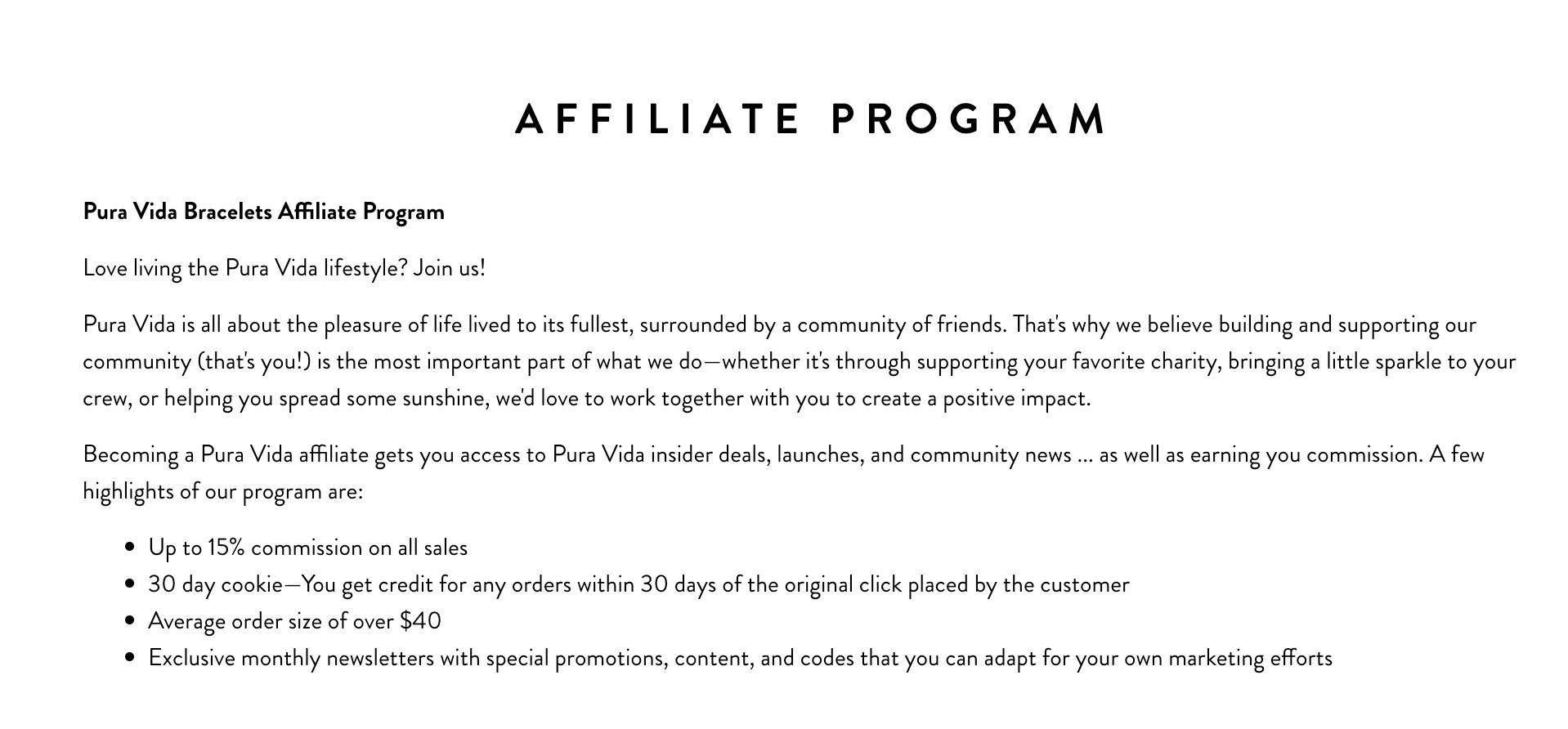
Authenticity is paramount in affiliate marketing; recommending products or services that genuinely resonate with the creator’s audience builds trust and drives conversions. Platforms like Amazon Associates or specific brand affiliate programs (e.g., Pura Vida offering 15% commission) are common entry points. Link-in-bio tools like Buffer’s Start Page are essential for centralizing clickable affiliate links and discount codes, making them easily accessible to followers.
- Tracking: UTM codes on links or unique promo codes enable brands to attribute sales accurately.
- Pro Tip: Inventory existing products or services you genuinely use and recommend, then check for available affiliate programs to ensure authentic promotion.
Self-Promotion: Leveraging Instagram as a Business Engine
Beyond platform-native features and brand partnerships, Instagram serves as a powerful engine for creators to directly sell their own products, services, and expertise, retaining 100% of the revenue.
8. Instagram Shop and Shoppable Posts
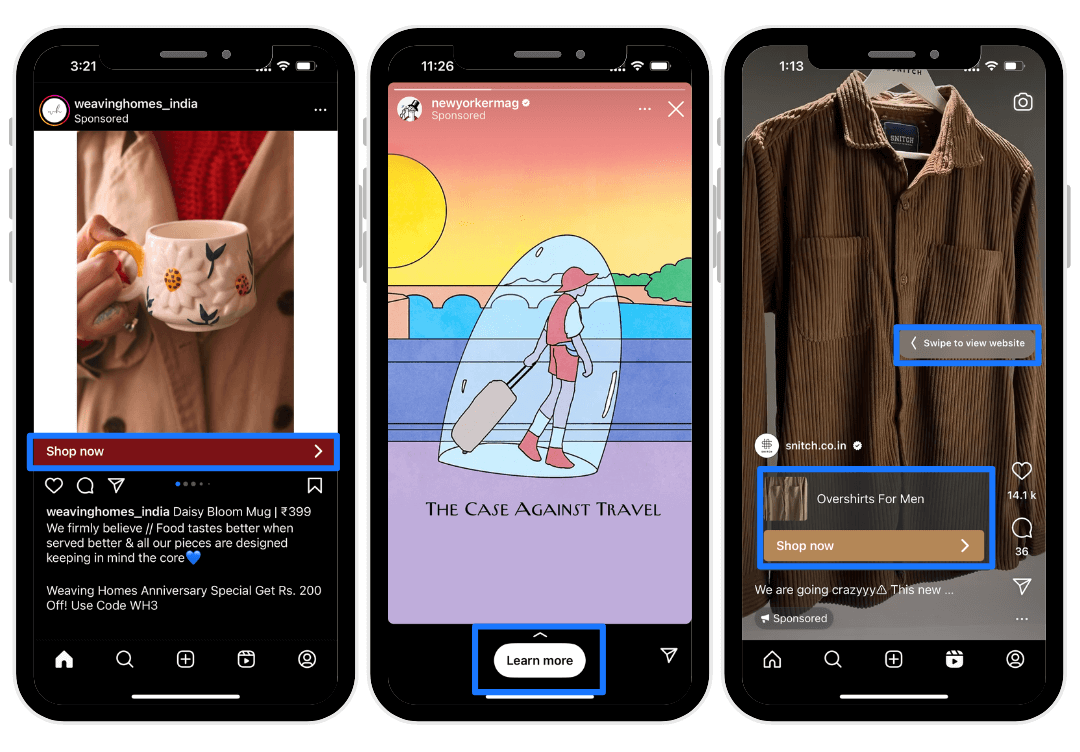
Instagram Shop transforms a business profile into a digital storefront, allowing creators to tag products directly in posts and Reels. These tappable tags link to a product catalog within the app, providing detailed information and a streamlined checkout process. This feature is exclusive to Instagram Business Accounts in eligible countries.
For businesses selling physical products, Instagram Shop significantly reduces friction in the customer journey. If Instagram Shop is unavailable, third-party solutions like Buffer’s Shop Grid can create a clickable, shoppable feed experience accessible via the bio link, offering analytics on link clicks to gauge audience interest.
- Goal: Minimize steps between product discovery and purchase to maximize conversion rates.
9. Selling Your Own Products or Services
This method offers the highest profit margins as creators retain all revenue. It encompasses a wide range of offerings, from digital products (e.g., templates, presets, e-books, stock photos) to handmade goods (e.g., jewelry, art) to professional services (e.g., coaching, consulting, graphic design).
Success in selling one’s own offerings on Instagram hinges on compelling storytelling. Creators must articulate the "why" behind their product and the specific problem it solves for their audience. A strong brand account with clear positioning and consistent content, as exemplified by creators like Modern Millie (who promotes digital courses and templates), can build significant value and drive direct sales without needing a large team or complex setup.
10. Selling Courses or Membership Programs
Creators with specialized knowledge can monetize their expertise by developing and promoting online courses or membership programs. This path leverages an audience’s desire to learn or engage more deeply with a subject.
Whether it’s a fitness program (like Adriana Blanc’s membership) or a skill-based course, the promotion strategy mirrors that of selling other products or services: highlight the value, address audience pain points, and clearly communicate the benefits of enrollment. Instagram becomes a powerful marketing channel to showcase expertise and attract enrollees.
11. Running Instagram Ads to Drive Sales
Strategic use of Instagram advertising can significantly amplify reach and drive sales for digital products, services, or physical goods. Rather than randomly "boosting" posts, a data-driven approach involves testing organic content with a small budget ($50–$100) to identify high-performing visuals, hooks, and messages.
Once effective content is identified, targeted advertising can expand its reach to new, relevant audiences. This process not only drives direct sales but also provides valuable insights for refining organic content strategy. Analyzing performance metrics is crucial to ensure that ad spend yields a positive return on investment.
12. Designing and Selling Merchandise
For creators who have cultivated a strong personal brand or a distinct community identity, designing and selling merchandise can be a lucrative income stream. This involves translating recognizable phrases, aesthetics, or inside jokes into physical products like T-shirts, mugs, or tote bags.
Sabrina Zohar, a dating coach, brilliantly monetized her podcast’s catchphrases, turning them into merchandise that resonated with her audience and fostered a sense of community ownership. Merch sales serve as both a revenue source and a powerful brand reinforcement tool, allowing followers to physically express their connection to the creator.
Converting Posts to Paychecks: Strategic Considerations
Monetization on Instagram is most effective when approached strategically and authentically. It’s not about pursuing every available income stream but rather identifying one or two that align with your content, audience, and personal brand. Starting small, testing ideas for a few months, and adapting based on what feels sustainable and exciting is a pragmatic approach.
Timeless principles for success include solving a genuine problem for your audience, cultivating a clear and differentiated niche, and maintaining unwavering consistency in content delivery and engagement. As an audience grows, so does the administrative burden—managing comments, DMs, performance analytics, and content calendars. Tools like Buffer can streamline these tasks, allowing creators to focus on the content that built their audience in the first place.
FAQ about Making Money on Instagram
Do Instagram users get paid directly by the app?
Yes, in some cases. Instagram offers direct payments through in-app tools like Subscriptions, Gifts, Badges, and seasonal Bonuses. However, many creators derive the majority of their income from external sources such as brand partnerships (sponsored posts, UGC), affiliate marketing, and selling their own products or services, often facilitated by Instagram’s promotional capabilities.
How much does Instagram pay for 1,000 views?
There is no fixed or publicly guaranteed rate. Creator earnings from Instagram’s bonus programs have historically ranged from approximately $0.01 to $0.05 per 1,000 views, though this varies significantly based on the specific program, creator eligibility, audience demographics, and the content format (Reels bonuses often pay more than static posts). These programs are invite-only and subject to change.
How many views on Instagram do you need to make money?
There isn’t a universal view threshold. While Instagram’s bonus programs often prioritize creators whose Reels consistently achieve 10,000+ plays, eligibility is determined by invitation and overall content performance rather than a strict view count. For brand deals, engagement rates and niche relevance often supersede raw view numbers.

How many followers do I need to get paid on Instagram?
A fixed follower count is not always a prerequisite. Instagram’s in-app features have varying thresholds: 500 followers for Gifts and typically 10,000 for Subscriptions (though requirements can shift by region and over time). Crucially, brand deals, UGC work, and affiliate marketing often have no minimum follower requirements, emphasizing content quality and audience engagement instead.
How much do nano-influencers make on Instagram?
Nano-influencers (1,000–10,000 followers) typically earn between $10 and $100 per sponsored post, according to industry benchmarks. This rate can increase based on factors like niche specialization, high engagement rates, content quality, and the granting of usage rights to brands for ad repurposing. Many nano-creators diversify their income through multiple streams—combining sponsored posts with affiliate links and UGC—to achieve sustainable monthly earnings.
Can you make money on Instagram without a lot of followers?
Absolutely. The most accessible paths for creators with smaller followings include User-Generated Content (UGC), affiliate marketing, and selling personal products or services through an Instagram Shop or a link-in-bio page. Nano-influencers often secure lucrative deals because brands value their tight-knit, highly engaged niche audiences more than broad reach.
Can you make money on Instagram without showing your face?
Yes. User-Generated Content (UGC) is a popular option, where creators produce product demos, unboxings, or voiceover videos for brands to post on their own accounts. Other faceless monetization strategies include affiliate marketing, operating an Instagram Shop for physical or digital products, and selling courses or templates. Many successful faceless accounts exist in niches such as finance tips, book reviews, recipe tutorials, and aesthetic curation.
What do I need to qualify for Instagram’s money-making tools?
General qualifications for Instagram’s monetization features include being at least 18 years old, maintaining a professional account (Creator or Business), adhering to Instagram’s Content Monetization and Partner Monetization policies, meeting any specific follower or engagement thresholds for individual features, residing in a country where the feature is available, and setting up a payout account to receive earnings.
How do I start earning money on Instagram if I’m new?
Begin by selecting a clear niche, consistently posting high-quality content, and actively engaging with your audience through comments and story replies. Then, choose one low-barrier income path to focus on initially, such as creating UGC for brands, implementing affiliate links, or promoting a small digital product. Building a robust foundation of content and community engagement will naturally lead to more monetization opportunities over time. Tools like Buffer can assist with consistent scheduling and analytics.