Pranda Michaela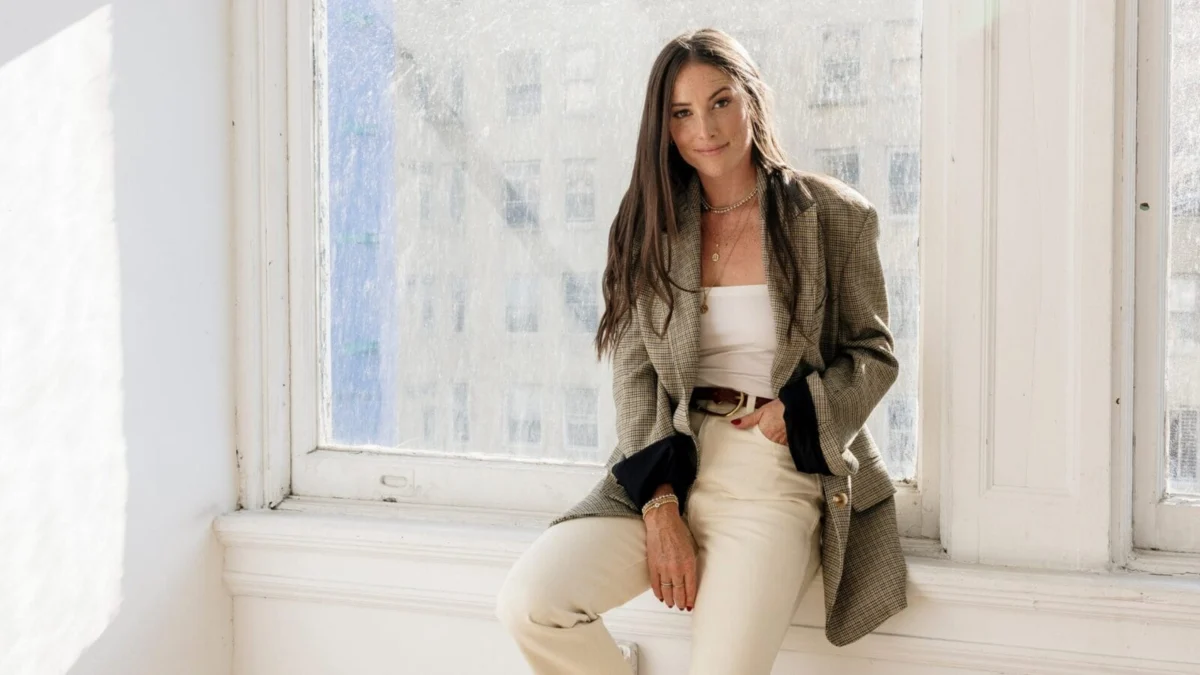
In the ever-evolving landscape of online motherhood, Cameron Rogers has carved out a unique space for herself. Known for her candid conversations and unfiltered approach, the creator, podcast host, and soon-to-be mother of three has amassed a dedicated following. Her podcast, "Conversations with Cam," boasts over four million downloads and tackles a wide array of topics, from postpartum depression and pop culture to the everyday chaos of raising children. Her latest project, an 11-episode podcast series titled "WTF Is Happening To My Body," offers an unprecedentedly intimate look at her current pregnancy, documenting her journey week by week in real-time. This series is not just a personal chronicle; it’s a testament to Rogers’ commitment to fostering a sense of community and shared experience among women, particularly mothers, who often navigate the profound transformations of pregnancy and parenthood feeling isolated.

Rogers’ influence extends beyond her podcast. As a vocal mental health advocate, she openly shares her own experiences with anxiety and PMDD, and her journey of managing these conditions while pregnant. Her recently launched journaling and coloring affirmation book, "Quiet Your Mind," aims to make self-care accessible, while her Substack newsletter, "Fill Your Cup," further solidifies her mission to connect and support women.

The "WTF Is Happening To My Body" podcast series represents an evolution of a project that began during Rogers’ first pregnancy as an IGTV series. This expansion into a longer-form podcast format allows for a more in-depth exploration of the physical, mental, and emotional shifts that accompany pregnancy, especially for those experiencing it for the third time. The series is unique in its real-time approach, with new episodes rolling out through delivery and postpartum, meaning listeners are privy to her experiences before she even knows the final outcome.

The Genesis of Radical Honesty
Motherly: What compelled you to document this pregnancy so publicly, especially after experiencing it twice before? Was there something specific about this third pregnancy that felt different?

Cameron Rogers: There wasn’t anything drastically different about this particular pregnancy itself, beyond the inherent challenge of caring for two other young children while pregnant. However, my platform has always been a space where I share my honest experiences as I’m comfortable doing so. Given this, I felt it was important to share the reality of my pregnancy journey. It has never been the ‘sunshine and rainbows’ experience I might have initially envisioned before becoming a mother. The decision to share publicly stems from a desire to demystify the often-idealized portrayal of pregnancy and to offer a more grounded perspective.

The evolution from an IGTV series to an 11-episode podcast signifies a growing commitment to providing a comprehensive and immersive narrative. This shift allows for a deeper dive into the nuances of each stage of pregnancy, fostering a more profound connection with her audience. The podcast format offers a space for detailed symptom descriptions, emotional reflections, and practical insights that might be difficult to convey in shorter social media formats.

From Social Media to a Podcast Series: An Evolving Narrative
M: This project began as an IGTV series during your first pregnancy and has now evolved into an 11-episode podcast. How has the project transformed as you’ve evolved as a mom, and has what you feel compelled to share changed over time?

CR: The "WTF is happening to my body" series initially launched on social media during my first pregnancy in 2020. Through this series, I connected with an overwhelming number of women who, like me, were surprised by the multitude of physical, mental, and emotional challenges that pregnancy presents. It highlighted how many of us experience a pregnancy vastly different from what we expected or imagined. I continued the series during my second pregnancy in 2023, but with this current pregnancy, I knew I wanted to transform it into a podcast series. This format allows for a more long-form and comprehensive exploration, leaving no stone unturned.

As I’ve evolved as a mom, the project has mirrored that growth. Now, I’m able to offer some perspective from ‘the other side’ for listeners who might be navigating their first pregnancy. For instance, during my first pregnancy, I was convinced that certain difficult feelings would be permanent and that I would never feel well again – a dramatic thought, I know. Now, having lived through two other pregnancies and postpartum periods, I can sprinkle in insights like, ‘I know this period is really hard, but it will get better,’ or ‘This is difficult, but just wait until XYZ happens, and it will all feel worth it.’ Incorporating this glimmer of hope is something I’m particularly focused on this time around. I believe it’s crucial for women to remember that none of these feelings or symptoms are permanent, even when they feel all-consuming in the moment.

Adding to the Conversation: Processing and Connecting
M: There’s a growing trend of more honest conversations around pregnancy, which is wonderful. When you embarked on this project, were you thinking, ‘I want to add to that conversation,’ or was it more of a personal need to ‘process this out loud, and if it helps someone, great’?

CR: I truly appreciate that there’s more open dialogue about pregnancy today, and that we’re seeing more content that reflects its reality. That said, I don’t believe there are many long-form podcasts that delve into such a detailed, week-by-week depiction of symptoms throughout a single pregnancy. The structure of this 11-part series is designed so that each episode covers a four-week period of my pregnancy, offering specific details about the symptoms I’m experiencing and what listeners might potentially anticipate.

While every pregnancy is unique, I’ve received so many incredible messages from women who are on a similar timeline, finding it helpful to hear about my experiences and realizing they are not alone. Additionally, I personally find processing things out loud to be incredibly beneficial, so it serves my own sanity as well! This dual purpose—contributing to a broader honest discourse while also engaging in personal processing—is central to the project’s motivation.

The Power of Shared Experience: Unveiling Common Ground
M: Is there a particular symptom or experience you’ve discussed on the podcast that has resonated deeply with listeners, something women were relieved to finally hear someone articulate?

CR: So far, a significant number of women have related to the sheer misery of weeks 8-11, and how challenging those weeks can be for most of us. Specifically, the intense need to constantly eat to ward off nausea, but then simultaneously battling a complete disgust for absolutely everything. This creates a frustrating paradox: needing and wanting to eat, but not being interested in any available food options. It’s truly the worst! This shared experience highlights the common, yet often unspoken, difficulties of early pregnancy. The relief listeners express underscores the profound impact of validation; knowing they aren’t alone in their struggles can be incredibly empowering.

Navigating the Intimate Space: Boundaries and Transparency
M: How do you decide what makes it into an episode versus what remains private? With something so intimate, where do you draw the line for yourself?

CR: Personally, I am comfortable sharing all of my pregnancy symptoms, especially if I believe it can help someone else along the way. My boundaries within my content tend to focus more on my immediate family and children, so I feel at ease laying bare the realities of my pregnancy. Furthermore, as I emphasize throughout these episodes, this podcast is explicitly ‘for the girls’ – a space created by women, for women, to share and support one another through this transformative period. This clear intent helps define the scope of what is shared and why.

The Real-Time Impact: Documenting and Experiencing
M: Has documenting your pregnancy in real-time influenced how you experience it, for better or worse?

CR: I believe it has made me more acutely aware of my symptoms, as I’m diligently documenting them in real-time to ensure accuracy for the podcast episodes. Part of me finds this helpful in feeling more connected to this pregnancy. However, another part of me wonders if this heightened awareness might be focusing too much on the less enjoyable aspects. This real-time documentation creates a unique feedback loop, where the act of sharing influences the experience itself. It’s a delicate balance between engaging with the present moment and observing it for a larger audience.

The Emotional Landscape of Pregnancy: Beyond the Physical
M: You openly discuss the mental health impact of pregnancy. What do you wish someone had told you about the emotional reality of pregnancy before your first?

CR: I wish I had been better prepared for how mentally taxing pregnancy can be. As someone who has previously struggled with anxiety and depression, I was aware of postpartum anxiety and depression. However, I hadn’t encountered much information about perinatal depression, which I have experienced. I also wish someone had told me that you will likely feel a blend of every possible emotion during pregnancy, sometimes simultaneously experiencing both positive and negative feelings, and that it’s perfectly okay. The acceptance of two conflicting emotions coexisting is so vital and so prevalent during pregnancy. It’s possible to be incredibly grateful for this pregnancy and the health of my baby and simultaneously not enjoy the actual experience of being pregnant. This nuance is crucial for understanding the full emotional spectrum of pregnancy.

Honesty as Preparation, Not Fear-Mongering
M: How do you approach discussing the more challenging aspects of pregnancy without inadvertently scaring people? There’s a fine line between honesty and causing dread for those who are pregnant or trying to conceive.

CR: Perhaps this is a bold take, but I believe that all of us should be a little apprehensive about getting pregnant and/or having children. It’s a monumental decision that irrevocably alters the trajectory of your entire life – it should not be taken lightly! While I may be naive, I personally don’t believe that someone who wants to have children will watch a video about the realities of pregnancy and subsequently decide against it.

Instead, I think it provides women with a realistic preview of what lies ahead. It’s not intended to instill fear, but rather to prepare them. Furthermore, especially now that I’ve experienced multiple pregnancies, I can offer aspects of hope, emphasizing that the journey ahead is incredibly rewarding, with beautiful moments that balance the challenging ones. This balanced perspective is key to fostering informed anticipation rather than outright dread.

A Message of Validation and Hope
M: For mothers currently in the throes of pregnancy and feeling like their bodies have been hijacked, what do you want them to take away from listening to your podcast?

CR: Your feelings are valid! Your body has indeed been commandeered by another being, and there’s a profound reason why you might not recognize parts of yourself. What I want you to remember is that, no matter how permanent it feels in the moment, this is not forever. One day, you will recognize a version of yourself again. It may not be the exact same person as before, but it will be an evolved version – stronger, more resilient, with a lived experience that has forever shaped you. You are essentially inviting people into this experience in real-time; they will be with you through the third trimester, the delivery, and the postpartum period. This shared journey offers a sense of solidarity and underscores the transient nature of even the most intense pregnancy experiences.

The Power of the Village, in Real Time
M: What does it feel like knowing your listeners are on this ride with you before you even know how it ends?

CR: Honestly, I cherish feeling like a part of this village and community! I firmly believe in sharing in real-time if you are comfortable doing so, and this is an experience I find I absolutely am. I love hearing from listeners who are on the same timeline as me, knowing we’re navigating it together. It serves as a reminder not only for them that they are not alone, but for me as well! It is an immense honor to be a part of their village, and I am profoundly grateful to have them all as part of mine. This sense of shared experience, of collective journeying through the unknowns of pregnancy and early motherhood, is a powerful testament to the strength found in community.