Angie Faith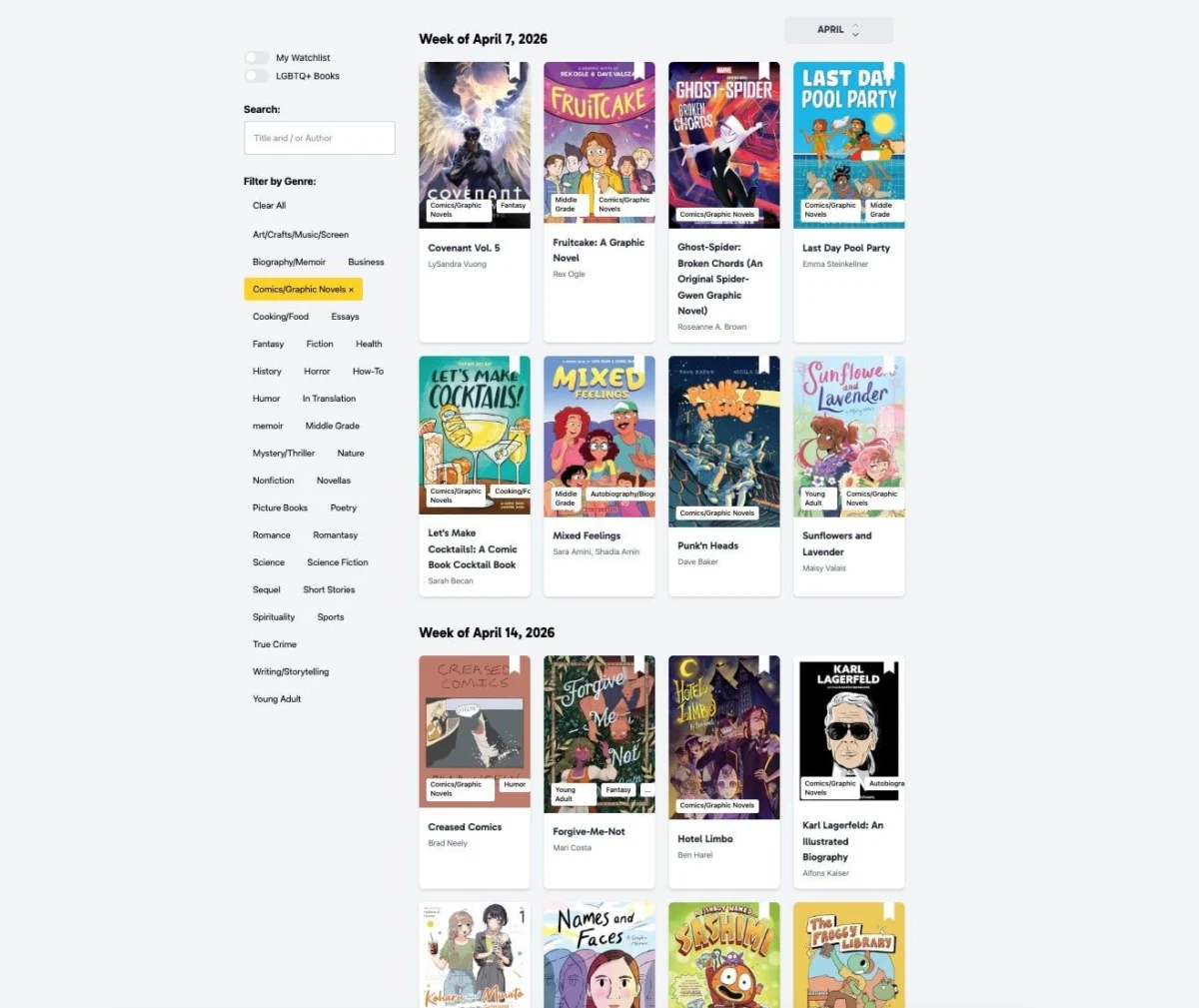
The landscape of graphic novel releases is experiencing an unprecedented boom, with a seemingly inexhaustible stream of new titles emerging each month. This deluge, while exciting for enthusiasts, presents a significant challenge: how to effectively track and identify the most compelling works amidst the sheer volume. Many readers find themselves overwhelmed, often only becoming aware of titles bolstered by extensive marketing campaigns, leaving a wealth of potentially captivating independent or niche publications undiscovered. This presents a critical gap in how readers can maintain an informed awareness of the evolving graphic novel market without dedicating an inordinate amount of time to manual research.
Recognizing this pervasive issue, Book Riot has introduced a comprehensive solution designed to streamline the discovery process: the New Release Index. This innovative tool aims to serve as a centralized, curated database, offering readers a clear and efficient pathway to navigate the forthcoming wave of graphic novels.
The Genesis of the New Release Index
The concept behind the New Release Index emerged from a direct observation of reader challenges within the book community. Book Riot, a prominent online publication dedicated to all facets of reading, consistently receives feedback and engages in discussions with its audience regarding the difficulties of keeping up with new releases across various genres. The graphic novel and comic book sphere, in particular, is characterized by its rapid output, diverse publishers, and a broad spectrum of artistic styles and narrative approaches.
Historically, staying abreast of these releases has involved a fragmented approach. Readers might subscribe to multiple publisher newsletters, follow numerous comic shops online, consult trade publications, and sift through countless online reviews and solicitations. This process, while potentially rewarding, is time-consuming and can still result in missed opportunities. The New Release Index was conceived as a direct response to this need for a more consolidated, user-friendly, and accessible platform.
The development of the Index involved a strategic approach to data aggregation and presentation. Book Riot’s editorial team has undertaken the task of meticulously compiling information on upcoming graphic novel releases, focusing on accuracy and timeliness. The platform is designed to be dynamic, with information updated regularly to reflect the latest announcements and scheduling changes from publishers.
Functionality and User Experience
At its core, the New Release Index operates as a sophisticated, searchable database. Its primary organizational principle is by release date, allowing users to easily see what is slated for publication in the immediate future or further down the line. This chronological organization is crucial for readers who plan their reading lists in advance or are eager to anticipate specific upcoming works.
A key feature that enhances the Index’s utility is its robust filtering capability. Users can refine their search by genre, a critical function given the vast spectrum of graphic novel content. This includes, but is not limited to, categories such as:
- Superhero Comics: Detailing new installments in established universes and original superhero narratives.
- Independent Comics: Highlighting works from smaller presses and creator-owned projects.
- Manga: Encompassing a wide array of Japanese comics across all demographics and genres.
- Autobiographical and Memoir: Personal stories told through the graphic medium.
- Fantasy and Science Fiction: Exploring imaginative worlds and futuristic concepts.
- Historical Fiction: Narratives set in specific periods of the past.
- Young Adult (YA) and Middle Grade (MG): Titles targeted at younger audiences.
- Non-Fiction: Educational and informational works presented in graphic novel format.
The visual presentation of the Index is designed for immediate engagement. Users are presented with a scrolling display of book covers. This intuitive, image-driven interface allows for rapid visual scanning, enabling readers to quickly identify titles that pique their interest based on artwork and design.
Upon encountering a cover that catches their eye, users can click on it to access a wealth of detailed information. This typically includes:

- Full Title and Author(s)/Artist(s): Essential bibliographic data.
- Publisher Information: Identifying the source of the publication.
- Synopsis/Book Description: A concise overview of the narrative and themes.
- Release Date: Confirming the scheduled publication date.
- ISBN and other identifying codes: For easy reference and ordering.
- Links to purchase or learn more: Directing users to relevant retailers or publisher pages.
To further personalize the experience, the Index incorporates a "Watchlist" feature. Readers can add titles that they are particularly interested in to this personalized list. This acts as a digital bookmark, ensuring that no anticipated book is forgotten. The Watchlist can be accessed and managed by the user, providing a convenient way to compile a curated list of upcoming reads.
Supporting Data and Market Trends
The proliferation of graphic novels is not an isolated phenomenon; it is part of a broader cultural shift and a significant growth trend within the publishing industry. Data from industry reports consistently indicates a robust and expanding market for comics and graphic novels.
For instance, according to the Comic Book Legal Defense Fund (CBLDF) and industry analysts, the graphic novel market has seen substantial year-over-year growth in recent years. This surge is driven by several factors:
- Increased Mainstream Acceptance: Graphic novels have moved beyond their niche origins, gaining critical acclaim and broader appeal. Many titles are now recognized for their literary merit and artistic innovation, appearing on bestseller lists and receiving prestigious literary awards.
- Adaptations and Transmedia Influence: The success of graphic novel adaptations into film and television has significantly boosted interest in the source material. Blockbuster franchises originating from comic books have introduced millions to the medium, driving demand for both new and classic titles.
- Educational Integration: Graphic novels are increasingly being recognized for their value in educational settings, promoting literacy and engaging reluctant readers. This has led to greater demand in school libraries and curriculum integration.
- Digital Accessibility: While the Index focuses on physical releases, the growth of digital platforms has also contributed to the overall accessibility and popularity of graphic narratives, indirectly fueling interest in the print market.
- Diversity of Content: The graphic novel landscape now encompasses an astonishing array of genres, themes, and target audiences, appealing to a much wider demographic than ever before. From mature, literary explorations to lighthearted, all-ages adventures, there is something for virtually every reader.
The New Release Index, by providing a structured overview of this expanding market, directly supports these trends. It empowers readers to engage with this diverse content more effectively, moving beyond the influence of marketing budgets and discovering hidden gems and promising new voices.
Implications for Readers and Publishers
The introduction of the New Release Index carries significant implications for both consumers of graphic novels and the publishing industry itself.
For readers, the immediate benefit is enhanced discoverability and reduced information overload. The tool democratizes access to new releases, ensuring that titles from independent creators and smaller presses have a comparable chance of being seen alongside those from major publishers. This fosters a more informed and engaged readership, capable of making more deliberate and personalized reading choices. The ability to track releases by genre and date also allows for strategic planning, whether for personal enjoyment, book club selections, or library acquisition.
For publishers, particularly independent ones, the New Release Index offers a valuable avenue for exposure. By being included in a curated, widely accessible platform, these publishers can reach a broader audience that might otherwise be unaware of their offerings. This can translate into increased sales, greater critical attention, and stronger relationships with readers and reviewers. The Index serves as a digital launchpad, helping to propel diverse and innovative works into the wider reading public’s consciousness.
While specific publisher reactions to the Index are not publicly documented, the general sentiment within the industry is one of seeking effective channels to connect with readers. A tool that simplifies discovery and highlights a wide array of titles is likely to be viewed positively, as it contributes to the overall health and growth of the graphic novel market.
Future Outlook
The New Release Index represents a proactive approach to managing the complexities of a thriving creative industry. As the graphic novel market continues its upward trajectory, tools like the Index will become increasingly indispensable. Book Riot’s commitment to maintaining and potentially expanding the Index’s features—perhaps through enhanced search filters, user-generated lists, or integration with community reviews—will further solidify its position as a vital resource for graphic novel enthusiasts worldwide.
The challenge of keeping pace with a rapidly evolving literary landscape is a perennial one. By providing a clear, organized, and visually engaging solution, the New Release Index empowers readers to confidently navigate the exciting and ever-expanding universe of graphic novels, ensuring that no compelling story is left undiscovered.