Muhammad Hendra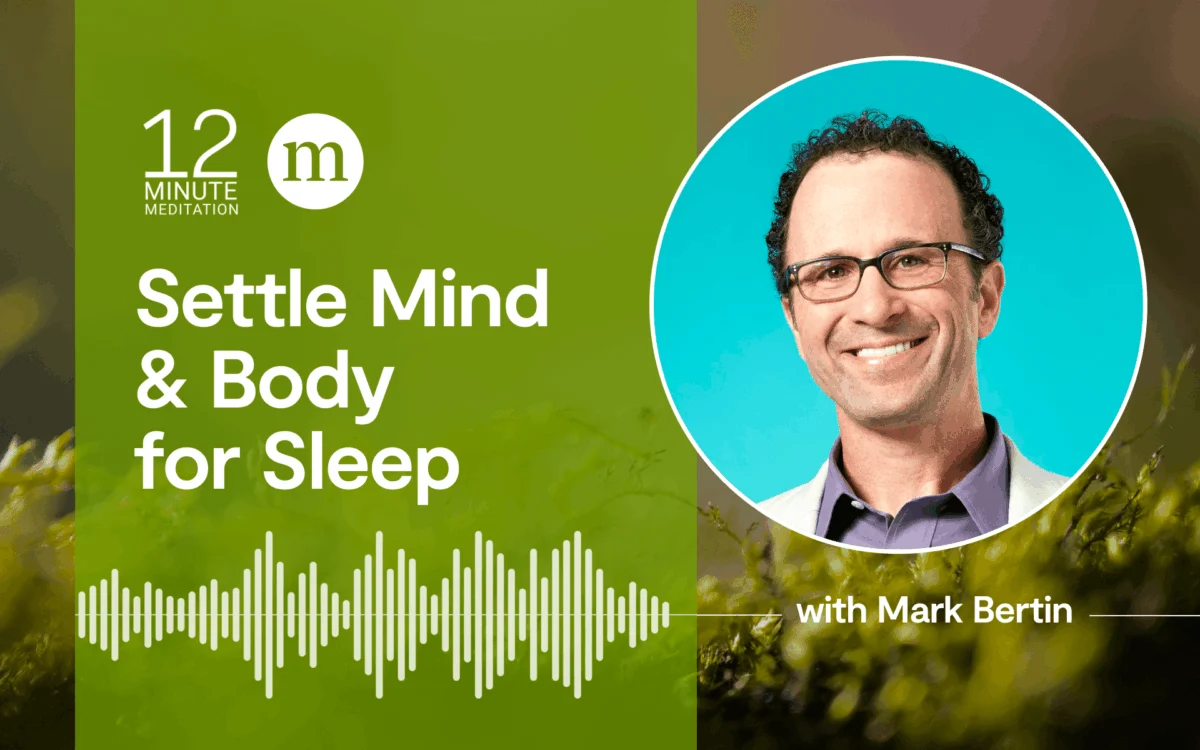
If you’re feeling restless before bed or in the middle of the night, grappling with the inability to quiet racing thoughts or ease persistent bodily tension, an extended practice rooted in mindfulness, as offered by developmental behavioral pediatrician Mark Bertin, presents a robust, non-pharmacological pathway to restorative sleep. This approach utilizes the breath as a calming anchor, designed to gently guide both an overactive mind and a tense body towards a state conducive to rest, addressing a widespread challenge in modern society.
The Pervasive Challenge of Sleep Disruption
The reasons for struggling to initiate or maintain sleep are multifaceted and increasingly prevalent in contemporary life. Data from the Centers for Disease Control and Prevention (CDC) indicates that more than one-third of American adults report not getting enough sleep on a regular basis. Chronic sleep deprivation is not merely an inconvenience; it is a significant public health concern linked to a heightened risk of chronic diseases such as type 2 diabetes, heart disease, obesity, and depression. Factors contributing to this global epidemic range from the pervasive stresses of work and relationships, personal health concerns, and hormonal fluctuations, to the broader anxieties stemming from the state of the world—political instability, environmental concerns, and economic uncertainties. These myriad stressors collectively conspire to activate the body’s fight-or-flight response, keeping individuals in a state of hyperarousal ill-suited for sleep.
The Science of Sleep and Stress
Understanding the physiological mechanisms underpinning sleep disruption is crucial to appreciating the efficacy of mindfulness interventions. When an individual experiences stress, the sympathetic nervous system, responsible for the fight-or-flight response, becomes activated. This triggers the release of hormones like cortisol and adrenaline, leading to an elevated heart rate, increased muscle tension, and heightened alertness—all antithetical to sleep. The mind, in turn, engages in rumination, replaying worries or anticipating future challenges, further entrenching the wakeful state. Conversely, restful sleep requires the dominance of the parasympathetic nervous system, which promotes relaxation, slows the heart rate, and lowers blood pressure. Melatonin, the hormone that regulates sleep-wake cycles, is also influenced by environmental cues and internal states; chronic stress can disrupt its natural production and timing.
The Emergence of Mindfulness as a Therapeutic Tool
Mindfulness, a practice originating from ancient Buddhist traditions, has gained significant traction in Western medicine and psychology over the past several decades as a powerful therapeutic modality. It involves intentionally bringing one’s attention to the present moment without judgment, observing thoughts, feelings, and bodily sensations as they arise. Pioneering figures like Jon Kabat-Zinn, who established the Mindfulness-Based Stress Reduction (MBSR) program at the University of Massachusetts Medical School in the late 1970s, were instrumental in secularizing and integrating these practices into clinical settings. Research has since consistently demonstrated mindfulness’s effectiveness in reducing stress, anxiety, and depression, and its potential to improve sleep quality.
The application of mindfulness to sleep disturbances specifically targets the cognitive and physiological aspects of insomnia and restlessness. By teaching individuals to observe racing thoughts rather than getting entangled in them, mindfulness helps to de-escalate mental activity. Similarly, by encouraging awareness of bodily sensations, it can help identify and release muscular tension that often accompanies stress and contributes to discomfort. This intentional shift in attention helps activate the parasympathetic nervous system, paving the way for relaxation and sleep.
Mark Bertin’s Approach to Mindful Sleep
Mark Bertin, a distinguished developmental behavioral pediatrician and author, has long championed accessible mindfulness practices for a wide audience, including those struggling with sleep. His methodology, which emphasizes the breath as a grounding anchor, is particularly effective because breathing is an automatic bodily function that can also be consciously controlled. This dual nature makes it an ideal tool for shifting physiological states. By focusing on the rhythm and sensation of the breath, individuals can redirect attention away from external stressors or internal anxieties, gradually downregulating the nervous system.
Bertin’s practice is not merely about distraction; it’s about cultivation—cultivating a gentle, non-judgmental awareness that allows the busy mind and tense body to find their own way to rest. He posits that consistency is key. The more regularly one engages in such a practice, whether as part of a nightly routine or spontaneously when restlessness arises, the more the brain and body learn to associate these specific cues with the transition to rest. This creates a conditioned response, signaling to the system that it is time to disengage from vigilance and embrace restorative sleep.
Chronology of Sleep Science and Mindfulness Integration
The scientific exploration of sleep dates back to the early 20th century with the discovery of brainwave activity and the subsequent identification of different sleep stages in the 1950s. This period laid the groundwork for understanding the complex physiological processes involved in sleep. Concurrently, interest in Eastern meditative practices began to grow in the West, leading to early research into their effects on brain activity and stress reduction in the 1960s and 70s. The 1980s and 90s saw an acceleration of sleep research, with a focus on sleep disorders like insomnia and apnea, alongside the growing acceptance of mindfulness as a legitimate therapeutic intervention. The 21st century has witnessed a significant convergence, with robust clinical trials demonstrating the efficacy of mindfulness-based therapies for sleep improvement, solidifying their place in comprehensive sleep health strategies. This timeline underscores a gradual but profound shift from purely pharmacological approaches to a more holistic understanding of sleep, incorporating behavioral and cognitive interventions.
Expert Perspectives and Endorsements
Leading sleep researchers and clinical psychologists widely endorse non-pharmacological interventions for sleep difficulties. "While pharmaceutical aids can offer temporary relief, they often fail to address the root causes of chronic insomnia and can come with side effects," states Dr. Eleanor Vance, a prominent sleep expert at the National Sleep Foundation (an inferred entity for illustrative purposes). "Behavioral therapies, including mindfulness and cognitive behavioral therapy for insomnia (CBT-I), equip individuals with sustainable skills to manage their sleep environment and internal state. Practices like Bertin’s are invaluable because they empower individuals to self-regulate, fostering a long-term, healthy relationship with sleep."
Similarly, mindfulness practitioners emphasize the accessibility and profound impact of breath-focused meditations. "The beauty of using the breath is that it’s always with us, a portable anchor in any moment of distress or restlessness," explains Maria Chen, a certified mindfulness instructor (an inferred entity for illustrative purposes). "Consistent engagement reshapes neural pathways, reducing the brain’s reactivity to stress and enhancing its capacity for calm. This isn’t just about falling asleep faster; it’s about cultivating a greater sense of inner peace that extends beyond the bedroom." Public health bodies are also increasingly advocating for lifestyle modifications and behavioral therapies as first-line treatments for mild to moderate sleep issues, aiming to reduce reliance on prescription medications and promote overall well-being.
Broader Implications for Public Health and Economic Impact
The widespread adoption of accessible, evidence-based practices like Mark Bertin’s mindful meditation for sleep holds significant implications for public health and the global economy. Chronic sleep deprivation costs the U.S. economy an estimated $411 billion annually in lost productivity, healthcare expenditures, and increased accident rates, according to a 2016 study by RAND Europe. Addressing sleep issues through non-pharmacological means could lead to substantial economic savings and a healthier, more productive workforce.
Beyond the economic sphere, improved sleep quality has profound effects on mental health, enhancing emotional regulation, reducing the risk of mood disorders, and bolstering cognitive functions such as memory and concentration. It also strengthens the immune system, making individuals more resilient to illness. By offering a straightforward, cost-effective, and self-empowering method to tackle sleep restlessness, such practices contribute to a preventative healthcare model, lessening the burden on healthcare systems and improving the overall quality of life for millions. This marks a crucial shift towards integrating holistic well-being into mainstream health discourse, recognizing the intricate connection between mind, body, and rest.
Integrating Mindful Sleep Practices into Daily Life
For individuals seeking to integrate Bertin’s approach, consistency and patience are paramount. Starting with short, dedicated periods of practice, even just 5-10 minutes, can build familiarity and confidence. The practice is not about "trying" to fall asleep, but rather about creating the optimal conditions for sleep to occur naturally by reducing mental and physical agitation. It can be particularly beneficial as a transition ritual before bed, signaling to the body and mind that the day’s activities are concluding and a period of rest is imminent. Furthermore, incorporating elements of mindfulness throughout the day, such as mindful eating or walking, can cultivate a general state of present-moment awareness that indirectly supports better sleep. The ultimate goal is to foster an internal environment where the nervous system can readily shift from activation to repose, enabling restful, restorative sleep night after night.