Muhammad Hendra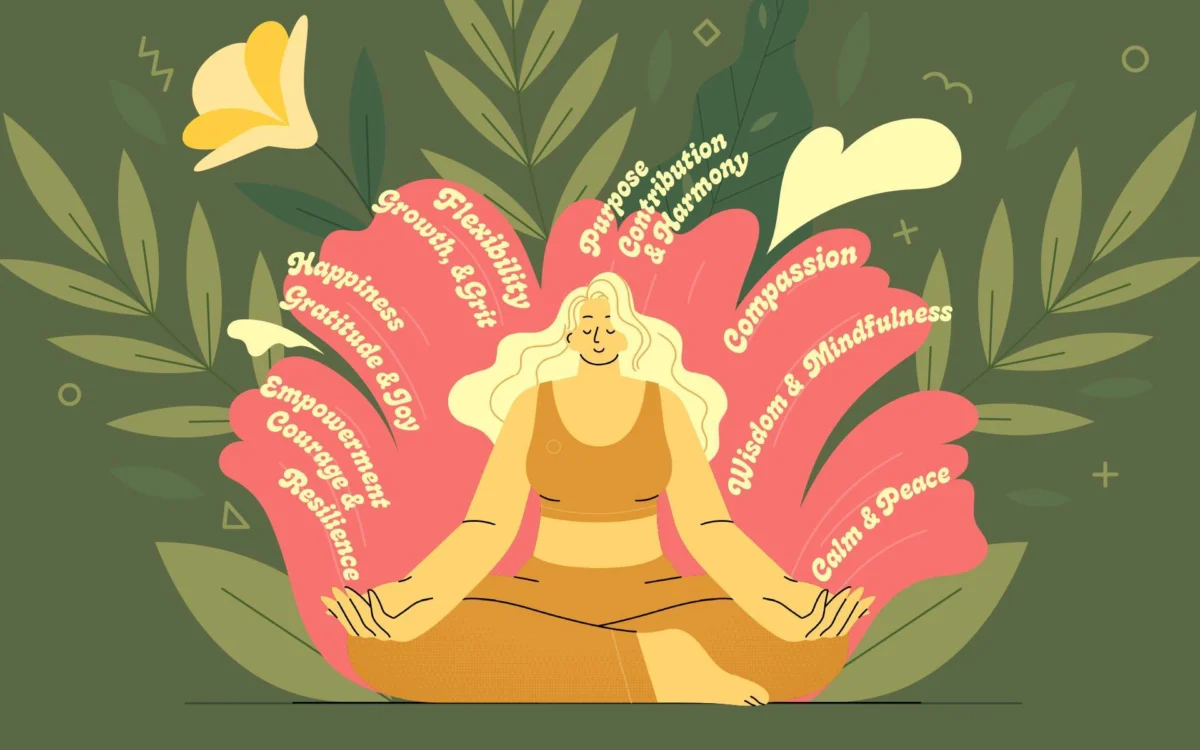
As the world grapples with unprecedented challenges, from rapid technological change to persistent global crises, a growing consensus among mental health experts and contemplative leaders points towards the critical importance of inner resilience. In response to this urgent need, a landmark seven-day online global event, "The Seven Strengths," is scheduled to take place from May 13 to May 19, 2026. This initiative aims to equip individuals worldwide with core inner strengths, not merely to cope with adversity, but to actively grow and flourish amidst complexity. Organizers describe the event as a crucial opportunity for personal development that directly contributes to collective well-being, fostering a more compassionate and resilient global community.
The genesis of "The Seven Strengths" event stems from a fundamental observation: the modern world, characterized by constant connectivity and an relentless news cycle, often leaves individuals feeling overwhelmed, anxious, and depleted. A typical morning might begin with a flood of urgent digital notifications – a sad news story, critical emails, and demanding texts – before one has even had a moment for personal reflection. This daily barrage underscores a pivotal question resonating with many: "What kind of person do I need to be to live well in today’s world?" This is not an abstract query but, according to the event’s proponents, a defining challenge of our era. The world is unlikely to slow down or untangle itself, and uncertainties are rarely resolved neatly. Therefore, the "real work," as articulated by the event’s teachers, is not external, awaiting a perfect political leader or ideal circumstances, but rather an internal journey that begins within each individual.
The Paradigm Shift: Inner Work as Foundational Strength
For decades, the focus on societal problems has largely revolved around external solutions – policy changes, technological innovations, and economic reforms. While these are undeniably vital, there’s a burgeoning recognition that sustainable external change is deeply intertwined with internal human capacity. The "Seven Strengths" event champions this paradigm shift, positing that cultivating core inner qualities enables individuals to engage with external challenges more effectively and sustainably. This philosophy has been honed over many years of teaching mindfulness in diverse settings, from hospitals and corporate boardrooms to community halls and online platforms, revealing a universal need for accessible tools that build enduring inner fortitude.
These strengths are not innate personality traits, but rather capacities akin to "seeds that grow into beautiful flowers." They require regular nurturing, or "watering," to flourish. The scientific basis for this belief lies in neuroplasticity, the brain’s remarkable ability to reorganize itself by forming new neural connections throughout life. Research in neuroscience has consistently demonstrated that the brain changes with repeated experience. Every conscious pause before reacting, every choice to practice gratitude over complaint, or compassion over judgment, actively reshapes neural pathways. This scientific understanding, aligned with thousands of years of contemplative tradition, dismantles the notion that inner peace or resilience are mere birthrights, confirming that these qualities are cultivable by anyone. Even minute-long practices can initiate significant internal transformation.
The Seven Strengths: A Comprehensive Framework for Resilience
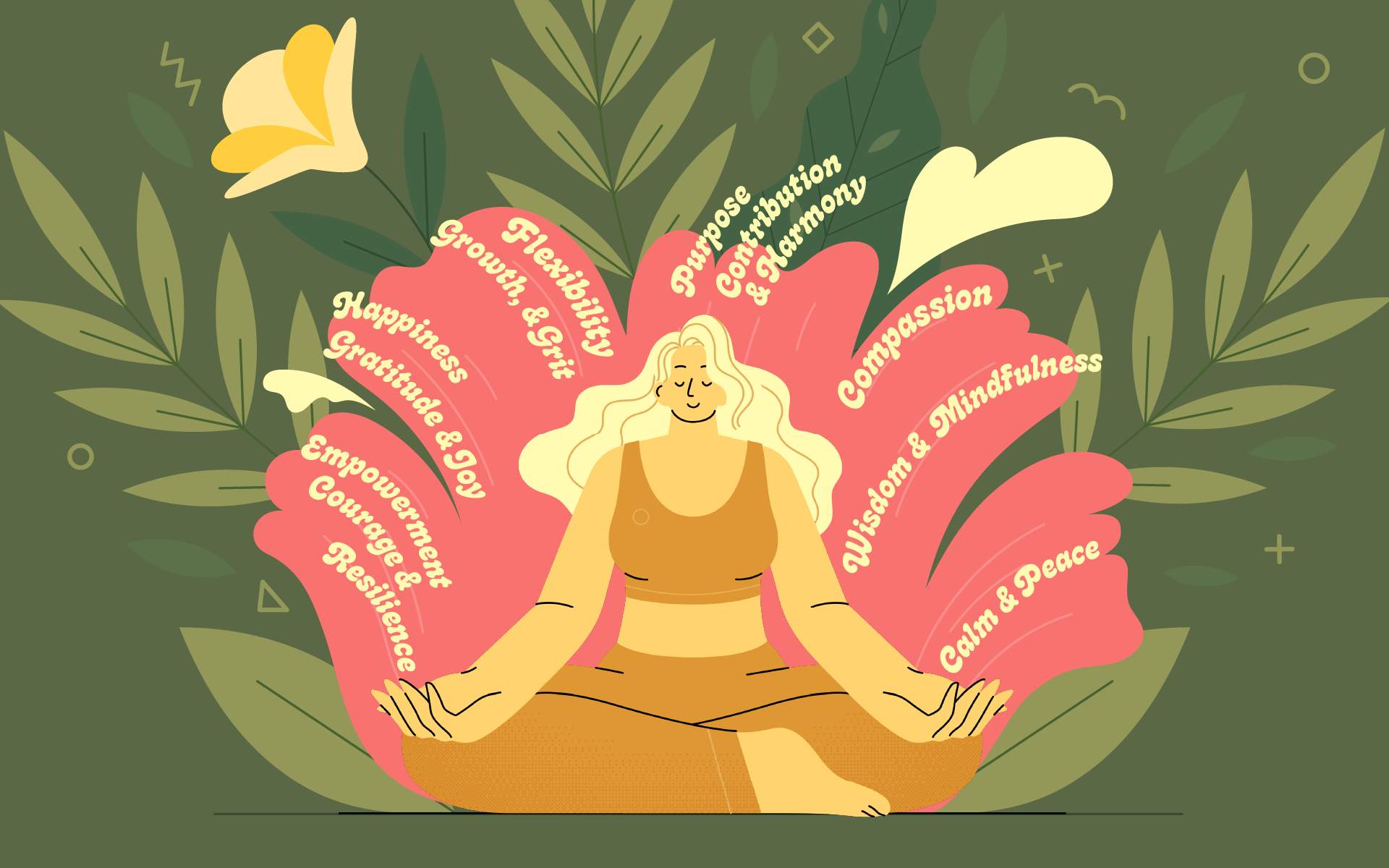
The "Seven Strengths" curriculum is designed to be a practical, accessible framework for developing these essential capacities. Each strength is presented not as an abstract ideal but as a developable skill, crucial for personal and collective flourishing.
1. Compassion: The Foundation of Connection
Often perceived as an outward-directed emotion towards suffering strangers or a fractured world, compassion’s most profound discovery, according to contemporary research, is its necessity to begin closer to home: self-compassion. Treating oneself with the same warmth and understanding one would offer a dear friend in distress is not selfish but foundational. Studies indicate that self-compassion significantly reduces stress, anxiety, and depression, while enhancing emotional resilience and overall well-being. Without this inner reservoir, individuals risk burnout when attempting to care for others. As the adage goes, "You cannot pour from an empty cup." When stuck in self-criticism, internal resources for outward kindness dwindle. Compassion, cultivated internally first, becomes the wellspring from which broader empathy and collective support can flow sustainably.
2. Flexibility, Growth, and Grit: Adapting to an Unpredictable World
Life rarely adheres to meticulously crafted plans, a truth starkly underscored by global events like the recent pandemic. This strength embodies the ability to bend without breaking, much like a willow tree in a storm. It is about learning from setbacks rather than being defined by them. A growth mindset – the understanding that abilities and circumstances are not fixed – transforms even the most challenging moments into valuable data points for future navigation. Research in organizational psychology highlights that employees with a strong growth mindset are more innovative, resilient to failure, and better at problem-solving. In a world characterized by accelerating change and persistent uncertainty, the capacity for flexibility and grit is paramount for both individual and organizational survival and prosperity.
3. Purpose, Contribution, and Harmony: Navigating with Intent
In an era where many are consumed by daily tasks, the long-term vision of one’s legacy or overarching purpose often gets lost. Purpose acts as a vital compass, providing direction and meaning. It doesn’t necessitate grand gestures; for many, purpose is found in daily acts of contribution: genuine presence for a child, creating something beautiful, or alleviating someone’s pain. Studies in positive psychology link a strong sense of purpose to increased life satisfaction, improved physical health, and reduced risk of cognitive decline. When individuals understand why they are here, the how of navigating life’s complexities becomes significantly less overwhelming, fostering a profound sense of harmony between internal values and external actions.
4. Happiness, Gratitude, and Joy: Essential Fuel for Engagement
In a world saturated with grim news, choosing joy might appear irresponsible or naive. However, this misunderstands the nature of joy. Joy is not a denial of suffering but the profound capacity to remain open to beauty, connection, and warm-heartedness even while acknowledging hardship. Gratitude, its close companion, functions like a muscle: the more deliberately it is exercised, the more the nervous system naturally reorients towards positive experiences. Neuroscientific research demonstrates that regular gratitude practices can alter brain structure, leading to increased feelings of happiness and decreased symptoms of depression. Joy is not a luxury; it is critical fuel. Without it, even the most dedicated activists, caregivers, or educators are susceptible to burnout, diminishing their capacity for sustained impact.
5. Wisdom and Mindfulness: Seeing Clearly and Responding Skillfully
Mindfulness is frequently framed as a stress-relief technique, a quick fix for pre-meeting jitters. While it reliably offers moments of calm, its deeper promise lies in cultivating the capacity to see clearly. Much human suffering arises not from circumstances themselves, but from the narratives layered upon them: "This always happens to me," "They don’t respect me," "Things will never get better." Mindfulness creates a crucial gap between stimulus and response, a space where wisdom emerges. In this pause, individuals gain the opportunity to choose a meaningful action rather than reacting automatically or unhealthily. This enhanced cognitive clarity and emotional regulation, supported by mindfulness practices, fosters better decision-making, improved interpersonal relationships, and a more profound understanding of reality.
6. Empowerment, Courage, and Resilience: Rising After Every Fall
True courage is not the absence of fear, but the willingness to act consciously even when fear is most potent, particularly when the easy path diverges from the right one. Resilience is not the ability to avoid being knocked down, but the hard-won knowledge that one possesses the capacity to get back up. Every time an individual confronts and survives difficulty, however messily, this inner knowledge is reinforced. This iterative process builds empowerment: a growing trust in one’s capacity to meet life’s challenges. Psychological studies confirm that facing and overcoming adversity builds self-efficacy and strengthens internal locus of control, vital for sustained agency in demanding environments.
7. Calm and Peace: The Still Center in a Spinning World
Calm, or inner peace, is not passivity, indifference, or the absence of emotion. Instead, it represents the still center of a spinning wheel – an internal anchor that holds steady even as external circumstances churn around it. When individuals cultivate calm, they enhance their ability to listen attentively and think clearly. Moreover, research on co-regulation indicates that one grounded nervous system can literally soothe another, making calm not merely a personal joy but a profound gift to everyone in one’s presence. In leadership contexts, a calm leader can de-escalate tensions and foster a more productive, harmonious environment. This strength underpins all others, providing the stable ground from which compassion, purpose, and courage can most effectively arise.
The Interconnected Ecosystem of Strengths
The seven strengths are not isolated traits but form a dynamic ecosystem, much like instruments in an orchestra. Each is distinct, yet together they create a far richer and more powerful synergy. For instance, calm supports compassion; a regulated nervous system allows one to meet others’ pain without being overwhelmed. Compassion, in turn, deepens purpose, as caring for others naturally draws individuals toward acts of contribution. Purpose fuels courage, providing the willingness to act on what matters even when difficult. Gratitude feeds wisdom, fostering an open, less defensive mind. This interconnectedness means that deepening any one strength gently pulls the others into greater prominence, offering multiple entry points for personal growth.
Inner Work is World Work: A Global Imperative
A common misconception is that inner work is a self-absorbed retreat from the world’s pressing problems. However, this perspective overlooks the critical role internal cultivation plays in effective external action. Individuals who attempt to change the world without engaging in inner work are prone to burnout, risk projecting unprocessed anger onto allies, and may inadvertently replicate the very dynamics they seek to dismantle.
Conversely, individuals who cultivate inner peace bring that calm into every relationship and interaction. Those who practice self-compassion treat colleagues and strangers with greater humanity, fostering a ripple effect of kindness. Individuals guided by a clear sense of purpose act with a consistency and groundedness that, in itself, constitutes a powerful form of leadership. Inner work, therefore, is not a detour from outer change; it is its essential prerequisite. It is the foundation for creating sustainable, compassionate, and effective solutions to global challenges. This understanding is central to the vision of the Global Compassion Coalition, which posits that a more compassionate and resilient world is built not through singular grand gestures, but through millions of ordinary human beings day by day choosing to develop the inner qualities that enable genuine connection and collective action.
The Seven Strengths Global Event: A Call to Collective Action
The "Seven Strengths" global event, scheduled from May 13-19, 2026, represents a significant collaborative effort to bring these transformative teachings to a worldwide audience. The event will feature some of the most respected teachers in the fields of mindfulness and compassion, including luminaries such as Sharon Salzberg, Rick Hanson, Kristen Neff, Tami Simon, Mamphela Ramphele, and Melli O’Brien. Each day will be dedicated to one of the seven strengths, with a different teacher providing a short teaching and a guided meditation. This structured, daily practice is designed to be genuinely accessible, even for those with busy lives, serving as a practical challenge rather than a passive viewing experience.
Hosted by Mindfulness.com in collaboration with Sounds True and DailyOM, the event is entirely free to participate. Critically, all proceeds generated through optional donations or related offerings will directly support the Global Compassion Coalition’s mission to build a more compassionate and resilient world. This dual focus means that participation in "The Seven Strengths" event is both an act of profound personal growth and a tangible act of collective generosity, aligning individual well-being with global impact. The event aims to foster a global community committed to internal cultivation as a pathway to external change.
On Day 7 of the event, the focus will be on "Calm and Peace," with a guided practice led by a key proponent of the "Seven Strengths" framework. This concluding session underscores the belief that calm provides the essential ground for all other strengths to flourish. In an era often defined by anxiety and exhaustion, the world’s most pressing need is for calmer, wiser, and more compassionate individuals who can consistently show up from a place of genuine inner strength, capable of navigating complexity and fostering profound positive change. The "Seven Strengths" global event offers a timely and vital pathway to cultivating these indispensable human capacities.