
 Indra Kusuma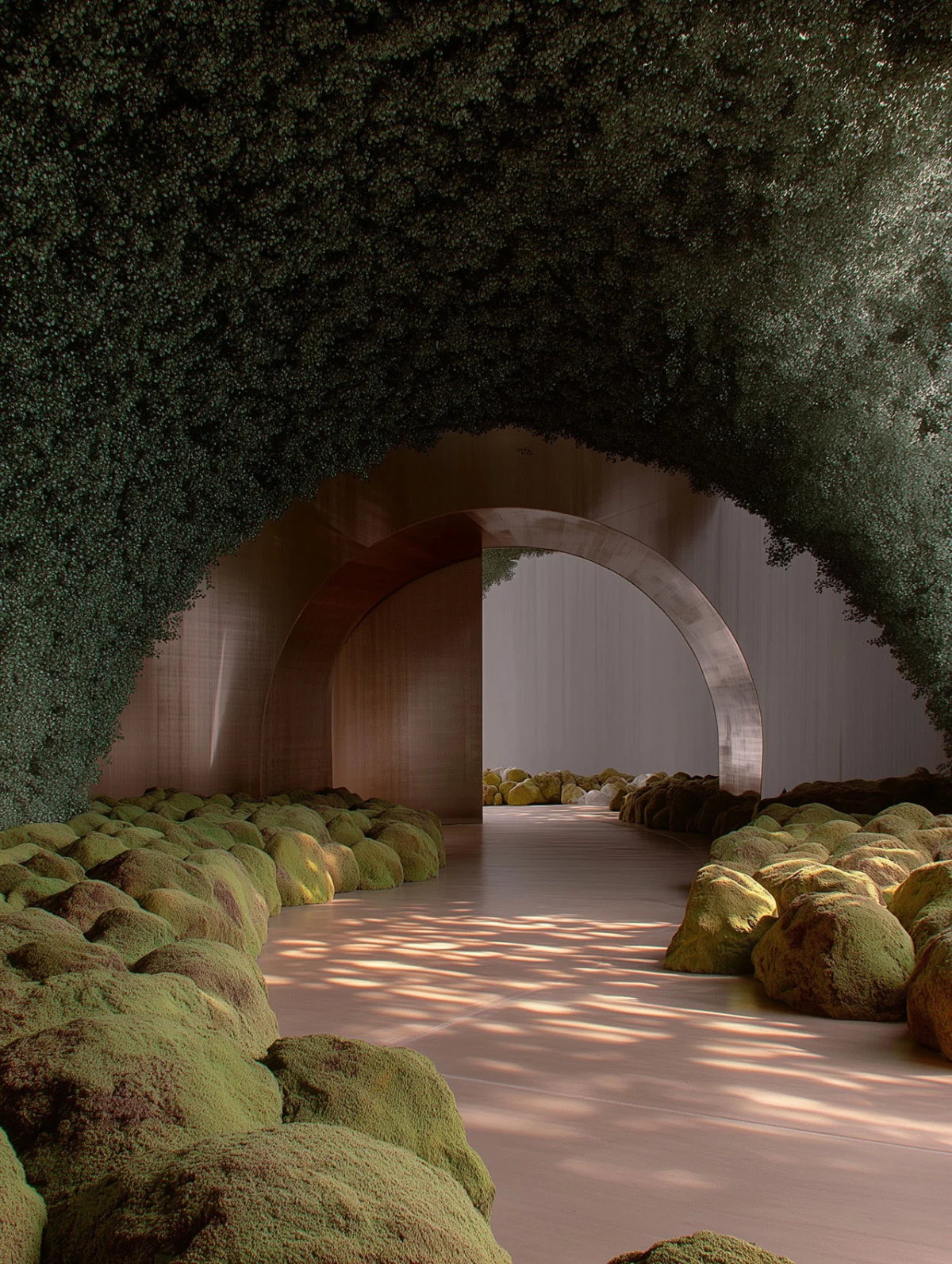
In the dynamic realm of interior design, stylistic trends frequently emerge and recede, often mirroring ephemeral cultural phenomena and shifting aesthetic preferences rather than deeply substantiated human needs. While our homes, workplaces, and increasingly adaptable civic environments serve as the constant backdrops to our daily existence, the fundamental question arises: should these critical spaces not be conceived with a more profound and evidence-based intentionality? Should not the foundational principles of optimal acoustics, strategic lighting, and ergonomic design take precedence over transient visual fads or superficial "flex" elements? Furthermore, is it not possible to seamlessly integrate these essential functional considerations with compelling visual appeal?

These pivotal questions form the bedrock of a groundbreaking new report from Johns Hopkins University’s International Arts + Mind Lab (IAM Lab). Released earlier this year, the "Intentional Space Roadmap" represents a comprehensive re-evaluation of the serious, often underestimated, functional value of aesthetics in shaping human experience. The report posits that thoughtfully designed environments are not merely decorative but are instrumental in supporting mental and physical health, fostering individual creativity, and enhancing interpersonal interaction—a condition increasingly recognized as vital in modern society.
The Genesis of Intentional Spaces: Beyond Fleeting Fads

For decades, the field of interior design has often been characterized by cyclical trends, driven by popular culture, celebrity influence, and commercial imperatives. While beauty and style undeniably contribute to quality of life, the deeper, neurobiological impact of our surroundings has frequently been relegated to a secondary concern, if considered at all. This prevailing approach has led to environments that, despite their superficial appeal, may inadvertently undermine well-being, productivity, and social cohesion. The IAM Lab report directly challenges this paradigm, advocating for a shift from purely aesthetic-driven design to a scientific, human-centered methodology.
The concept of "Intentional Spaces" is a direct response to this perceived deficiency, championing a design philosophy where every element—from the overarching structural form to the minutiae of texture and color—is purposefully chosen based on scientific understanding of its psychological and physiological effects. This is not merely an abstract academic exercise; it reflects a growing global awareness of the profound connection between environment and human flourishing. As society grapples with rising rates of stress, anxiety, and social disconnection, the role of our built environments in either exacerbating or ameliorating these challenges has become increasingly clear.

The Intentional Space Roadmap: A Scientific Framework for Design
The "Intentional Space Roadmap" is more than just a critical analysis; it is a meticulously researched, scientifically grounded, yet accessibly written study that proposes a transformative path forward. Its core recommendation is the establishment of a new, well-rounded interior design discipline: Neuroarchitecture. This emerging field mandates the indispensable integration of psychological expertise, neuroscience, and environmental science into the design process, moving beyond subjective taste to objective, measurable impact.

The report meticulously unpacks how fundamental elements of our physical surroundings implicitly influence human experience. These key factors include:
- Light: Beyond mere illumination, light—both natural and artificial—profoundly affects circadian rhythms, mood, alertness, and even cognitive function. Intentional design considers intensity, color temperature, directionality, and variability to optimize these effects.
- Sound: Acoustic environments play a critical role in focus, relaxation, and communication. The report highlights how soundscapes can either be distracting and stressful or calming and conducive to concentration and interaction.
- Texture: The tactile and visual qualities of surfaces can evoke powerful sensory and emotional responses, contributing to perceptions of comfort, warmth, safety, or starkness.
- Form: The shapes and geometries within a space, from architectural lines to furniture contours, can influence movement, spatial perception, and psychological comfort.
- Natural Shape (Biophilia): This principle emphasizes humanity’s innate connection to nature. Incorporating natural elements, views of greenery, organic forms, and natural light has been shown to reduce stress, improve cognitive function, and enhance emotional well-being.
By systematically addressing these elements, Neuroarchitecture aims to create environments that actively support how individuals feel, think, heal, and connect with others, thereby enhancing overall quality of life at an unprecedented scale.

Empirical Foundations: The Science Behind Space
The claims made by the "Intentional Space Roadmap" are not based on conjecture but on a robust body of scientific evidence. Research across various disciplines consistently demonstrates the measurable impact of built environments on human health and performance:

- Mental Health Impact: Studies have shown that poor lighting, excessive noise, and lack of access to natural elements can contribute to increased stress levels, anxiety, and even symptoms of depression. Conversely, exposure to natural light has been linked to improved mood and reduced incidence of seasonal affective disorder. Biophilic design, specifically, has been shown to reduce physiological stress indicators like heart rate and blood pressure, promoting a sense of calm and well-being.
- Physical Health Outcomes: The design of healthcare environments, for instance, has been proven to affect patient recovery times and staff well-being. Access to natural light and views of nature can reduce pain perception and decrease the need for pain medication. Good indoor air quality, facilitated by thoughtful material selection and ventilation, directly impacts respiratory health and overall physical comfort. Acoustic design in hospitals can reduce patient agitation and improve sleep quality.
- Creativity and Productivity Enhancement: In corporate and educational settings, intentional design can significantly boost cognitive performance. Flexible layouts, varied lighting options, and designated quiet zones can foster both individual focus and collaborative ideation. Research suggests that spaces incorporating natural elements or ample daylight can lead to higher employee satisfaction, reduced absenteeism, and increased productivity. For example, studies have indicated that workers in offices with natural light report 51% less eye strain and 63% fewer headaches.
- Facilitating Social Interaction: The spatial arrangement of furniture, the flow of circulation, and the creation of inviting communal areas are crucial for encouraging positive social interaction. Spaces designed with varied seating arrangements, comfortable textures, and appropriate acoustic dampening can foster spontaneous conversations and strengthen community bonds, addressing the "condition in short supply these days" – meaningful human connection.
The report synthesizes these findings, providing a compelling argument for moving beyond subjective aesthetic preferences to an evidence-based approach that quantifies the benefits of design choices.
Voices from the Forefront: Leadership and Vision

Susan Magsamen, Executive Director of the IAM Lab, articulated the urgency and transformative potential of this work, stating, "We are in, or move through, spaces every moment of our lives, and we now know that our environments have powerful effects on our physical and mental health. The importance and momentum of this work have never been more critical. From individual well-being to community impact, across every sector of society, the implications are profound."
Magsamen emphasized that intentional spaces represent a "cost-effective, life-changing opportunity to improve health, resilience, innovation, and quality of life at scale." She further clarified that this vision is not a distant dream but an achievable reality, with various organizations already pioneering these principles. These include healthcare facilities designing patient rooms for optimal healing, corporations creating workspaces that enhance employee focus and collaboration, and urban planners developing public spaces that foster community engagement and psychological restoration through biophilic elements. The "Roadmap" serves as a guide to accelerate this burgeoning movement, providing concrete resources and strategies for broader adoption.

Navigating the Hurdles: Challenges to Adoption
Despite the compelling evidence and clear benefits, the widespread adoption of Neuroarchitecture faces several significant challenges, as meticulously outlined in the IAM Lab report:

- Disciplinary Silos: One of the primary obstacles is the historical separation between design practitioners (architects, interior designers) and academic researchers (psychologists, neuroscientists). Their intuitive and intellectual expertise often remains siloed, hindering the interdisciplinary collaboration essential for Neuroarchitecture.
- Lack of Universal Terminology: The absence of a standardized language across these diverse fields makes effective communication and knowledge transfer difficult. Different professions use specialized jargon, creating barriers to mutual understanding and collaborative project execution.
- Limited Access to Applied Evidence: While a wealth of scientific data exists, it is often not readily accessible or presented in a format that is easily digestible and applicable for design professionals. Bridging this gap requires dedicated efforts to translate research findings into actionable design principles.
- Regulatory and Policy Incentives: Current building codes and regulations primarily focus on safety and structural integrity, with fewer mandates or incentives for incorporating well-being-focused design elements based on neuroscientific principles. Without regulatory push or financial inducements, adoption can be slow.
- Incomplete Training and Education: Traditional design curricula often lack comprehensive modules on environmental psychology, cognitive science, and neuroaesthetics. This results in a new generation of designers who may not be equipped with the foundational knowledge to implement intentional design principles.
- Financial Constraints and Project Speed: In an increasingly hurried economic landscape, projects are often driven by strict timelines and tight budgets. The perceived added complexity and cost of evidence-based design can be seen as hurdles, despite the long-term economic benefits. The immediate bottom line frequently overshadows investments in holistic well-being.
The report underscores that overcoming these challenges requires a concerted effort from both the academic and professional communities, fostering an environment of cross-disciplinary learning and innovation.
Forging a New Path: Recommendations and Strategic Tools

The "Intentional Space Roadmap" is not just an exposé of problems but a blueprint for solutions, offering a series of strategic "tools" aimed at dissolving existing boundaries and integrating the values of neuroaesthetics more deeply into practice. Key recommendations include:
- Integrating Neuroaesthetics into Design Education: A fundamental shift is required in how future designers are educated. Curricula must be updated to include robust training in environmental psychology, cognitive neuroscience, and evidence-based design methodologies. This would equip practitioners with the scientific literacy needed to make informed design decisions.
- Promoting Cross-Disciplinary Collaboration: Encouraging partnerships between architects, interior designers, urban planners, neuroscientists, psychologists, and public health experts is paramount. Collaborative workshops, joint research initiatives, and integrated project teams can foster a shared understanding and innovative solutions.
- Developing Evidence-Based Design Strategies: Design practice should move towards a more data-driven approach. This involves conducting pre- and post-occupancy evaluations, utilizing sensory mapping, and employing quantitative and qualitative research methods to understand how specific spaces impact user experience. The goal is to tailor environments to specific functions—be it enhancing focus, facilitating memory formation, regulating emotions, encouraging unconstrained ideation, or providing calming sensory experiences.
- Articulating Economic Value: To gain traction in a capitalist society, it is crucial to clearly demonstrate the economic benefits of intentional design. This includes quantifying the return on investment (ROI) in terms of increased productivity, reduced absenteeism, improved employee retention, faster patient recovery times, and enhanced overall well-being. By showcasing how holistically designed spaces lead to better human performance and reduced long-term costs, stakeholders can be convinced of its viability.
- Advocating for Policy and Regulatory Reform: Pushing for the inclusion of neuroaesthetics principles in building codes, zoning regulations, and design guidelines can create a systemic shift. Incentives for green building certifications, for instance, could be expanded to include metrics related to psychological and physiological well-being.
The Future Landscape of Design and Architecture

The vision articulated by the Johns Hopkins IAM Lab report signals a profound evolution in how we conceptualize and create our built environments. Neuroarchitecture, if widely adopted, promises to transform not only our homes and offices but also critical public infrastructure such as healthcare facilities, educational institutions, transportation hubs, and urban green spaces. Imagine hospitals where design actively accelerates healing, schools where classrooms enhance cognitive function and reduce stress, and public parks that are scientifically curated to maximize psychological restoration.
This paradigm shift calls for architecture and design to embrace the scientific method—to move beyond intuition and trend cycles towards empirical validation. By harnessing the virtues of scientific inquiry, design can become a powerful tool for societal betterment, creating environments that are not only visually appealing but also profoundly supportive of human health, happiness, and potential. The "Intentional Space Roadmap" is a clarion call to action, inviting all stakeholders to participate in shaping a future where every space we inhabit actively contributes to a more resilient, innovative, and thriving human experience.

To learn more about IAM Lab, visit artsandmindlab.org.
Photography courtesy of John Hopkins University.







