Muhammad Hendra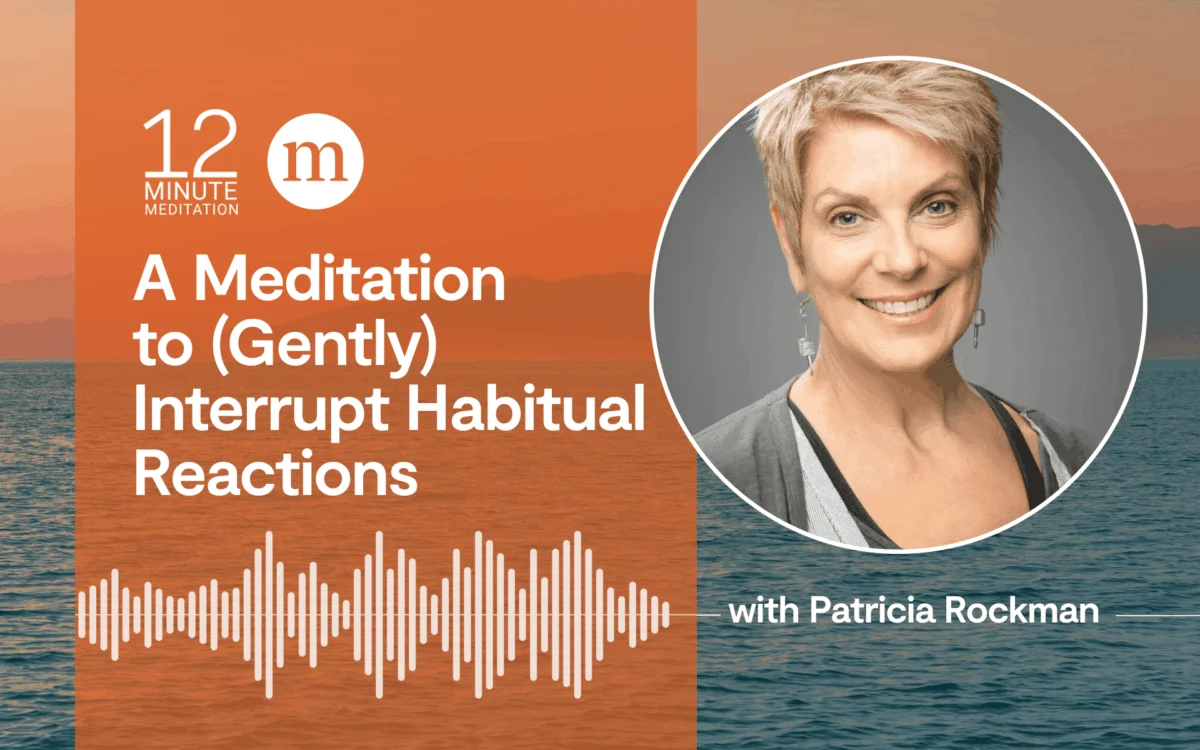
Daily human experience is replete with micro-stressors and larger disappointments, ranging from minor inconveniences like traffic delays to significant interpersonal conflicts. These situations frequently elicit automatic, often unhelpful, emotional and behavioral responses. Experts in mental health and contemplative practices are increasingly highlighting mindfulness as a robust methodology to cultivate intentionality over reactivity, offering individuals greater agency in navigating the complexities of modern life. This approach, rooted in ancient wisdom traditions but increasingly validated by contemporary neuroscience, proposes that by fostering a moment-to-moment awareness, individuals can create a crucial space between stimulus and response, enabling a more skillful and adaptive engagement with challenging circumstances.
The Reflexive Brain and the Rise of Mindfulness
The human brain is remarkably efficient at forming habits, a mechanism essential for survival and daily functioning. However, this efficiency extends to emotional and behavioral patterns, leading to what are termed "habitual reactions." These reactions, often characterized by anger, frustration, sadness, or exasperation, can feel almost pre-scripted, triggering an automatic cascade of thoughts, feelings, and actions. From a neurobiological perspective, such responses often involve the amygdala, the brain’s alarm system, which can trigger a "fight, flight, or freeze" response before the prefrontal cortex, responsible for rational thought and executive function, has a chance to fully process the situation. This "amygdala hijack" explains why individuals might react impulsively, only to regret their actions later, sometimes with significant personal or professional repercussions.
The concept of mindfulness, at its core, involves paying attention to the present moment, on purpose and non-judgmentally. While its roots can be traced back thousands of years to Buddhist meditative traditions, its integration into Western psychology began to gain significant traction in the late 20th century. Pioneering figures like Jon Kabat-Zinn, who developed the Mindfulness-Based Stress Reduction (MBSR) program at the University of Massachusetts Medical School in the late 1970s, played a pivotal role in secularizing mindfulness and introducing it into clinical settings. His work, initially focused on chronic pain patients, demonstrated that systematic training in mindfulness could significantly reduce suffering and improve quality of life, even when physical conditions remained unchanged. This marked a turning point, shifting mindfulness from an esoteric spiritual practice to a verifiable therapeutic intervention. The growing body of scientific literature, coupled with its practical applicability, has since propelled mindfulness into mainstream acceptance as a valuable tool for mental well-being and emotional regulation.
Scientific Validation and Supporting Data
The burgeoning field of contemplative neuroscience has provided substantial empirical evidence supporting the efficacy of mindfulness practices. Numerous studies utilizing advanced neuroimaging technologies such as functional magnetic resonance imaging (fMRI) and electroencephalography (EEG) have shown that regular mindfulness meditation can lead to measurable changes in brain structure and function. For instance, research published in journals like Psychiatry Research: Neuroimaging has indicated that experienced meditators often exhibit increased gray matter density in regions associated with attention, emotional regulation, and self-awareness, such as the prefrontal cortex and the insula. Conversely, studies have also observed a reduction in the volume of the amygdala and a decrease in its reactivity to stressful stimuli among experienced meditators, suggesting a diminished "fight-or-flight" response. These structural and functional changes provide a robust neurobiological basis for the reported improvements in emotional control, reduced impulsivity, and enhanced resilience.
A comprehensive meta-analysis published in JAMA Internal Medicine in 2014, reviewing over 47 randomized controlled trials with a total of 3,515 participants, concluded that mindfulness meditation programs can lead to moderate improvements in symptoms of anxiety, depression, and pain. While the study called for more rigorous research with larger sample sizes, it underscored the significant potential of mindfulness as a non-pharmacological intervention for various psychological and physiological conditions. Furthermore, research conducted by prestigious institutions such as Harvard Medical School and Stanford University has explored the impact of mindfulness on stress biomarkers, demonstrating reductions in cortisol levels and inflammatory responses, thereby linking mental practices to tangible physical health benefits and improved immune function.
Beyond clinical applications, the societal costs of unmanaged reactive behavior are considerable. In the workplace, unchecked emotional reactivity can lead to decreased productivity, increased interpersonal conflict, higher rates of burnout, and elevated healthcare expenditures related to stress-induced illnesses. According to a 2018 report by the American Institute of Stress, stress costs U.S. businesses an estimated $300 billion annually due to factors such as absenteeism, turnover, and reduced productivity. Mindfulness interventions, by fostering greater emotional intelligence, self-awareness, and resilience, offer a proactive strategy to mitigate these pervasive issues, leading to more harmonious, collaborative, and productive environments. These economic and social benefits underscore the growing imperative for individuals and organizations to adopt practices that cultivate intentionality over reactivity.
The Methodological Approach: Cultivating Space and Agency
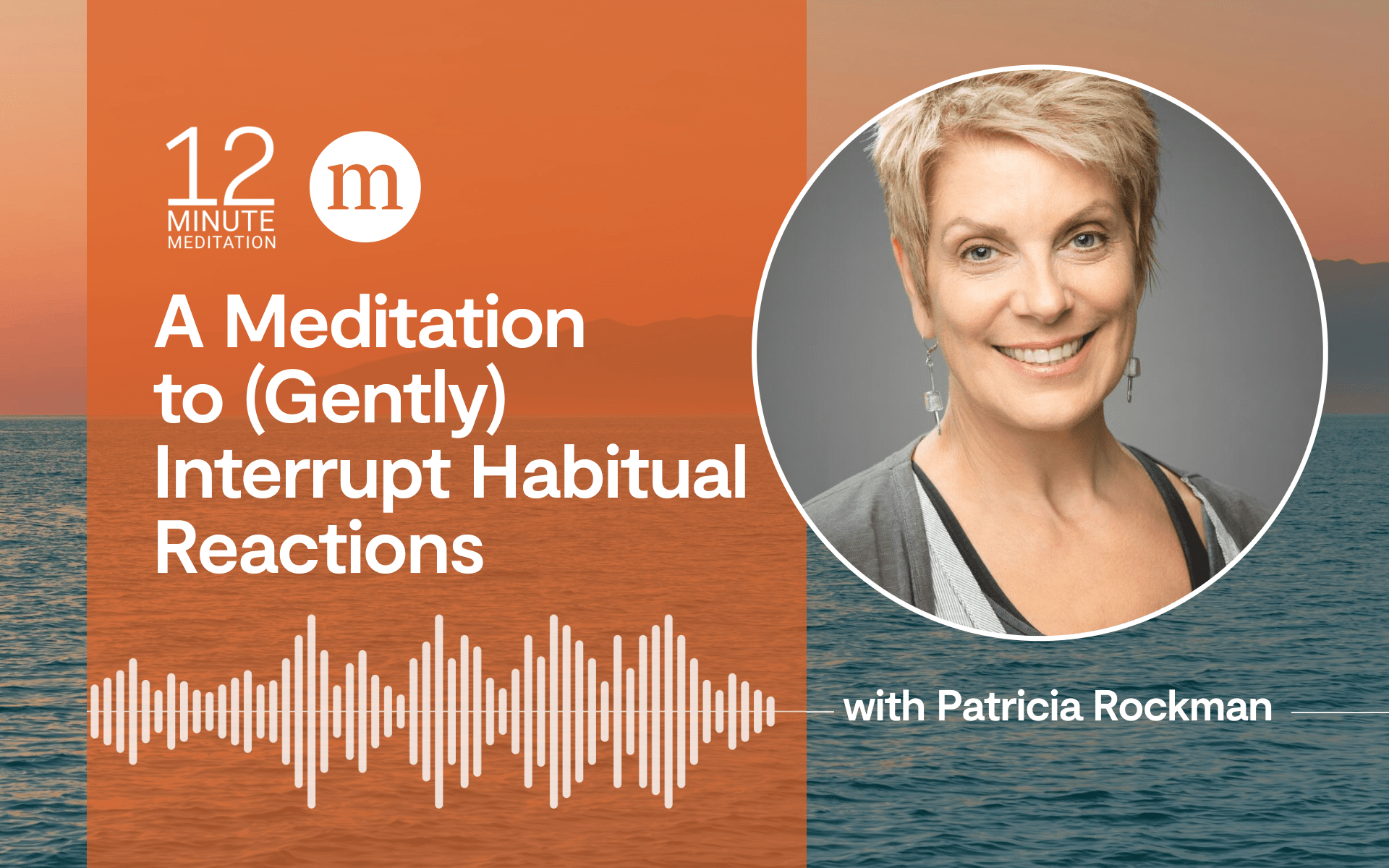
The core of addressing habitual reactions through mindfulness lies in the cultivation of awareness—specifically, the capacity to observe one’s internal and external experiences without immediate judgment or engagement. As articulated by leading practitioners like Patricia Rockman, MD, CCFP, FCFP, Senior Director of Education and Clinical Services at the Centre for Mindfulness Studies in Toronto, the primary goal is not to suppress emotions but to create "space" around them. This space allows for conscious choice rather than automatic response.
This process typically begins with formal meditation practices, where individuals are guided to focus attention on an anchor, such as the breath. When the mind inevitably wanders, often towards thoughts related to past grievances, future anxieties, or present irritations, the practice involves gently yet firmly bringing attention back to the present moment and the chosen anchor. Over time, this repetitive training strengthens neural pathways associated with attention control, emotional regulation, and cognitive flexibility.
In the context of daily irritations, the practice shifts from formal seated meditation to "informal" mindfulness, integrating awareness into everyday activities. When faced with a frustrating situation—such as being stuck in traffic, enduring a lengthy customer service hold, receiving unexpected bad news, or experiencing a disappointing outcome—the individual learns to pause. Instead of immediately reacting with anger, frustration, or despair, they are encouraged to engage in a brief, structured process:
- Recognize the Trigger: Become acutely aware of the external event or internal sensation that typically precedes a reactive response. This involves noticing the first signs of irritation or discomfort.
- Observe the Internal Landscape: Non-judgmentally notice the physical sensations (e.g., tension in the shoulders, heat in the face, a knot in the stomach), emotions (e.g., anger, annoyance, sadness), and thoughts (e.g., "This is unfair," "I hate this," "Why me?") that are arising. This observation is done with a sense of curiosity, treating these internal experiences as transient phenomena rather than definitive truths.
- Create Space: Consciously take a few deep breaths, allowing a moment to pass before any action or further mental engagement is taken. This brief pause, even just a few seconds, can effectively interrupt the automatic, reflexive chain reaction that often leads to regrettable responses. This "space" is where true agency resides.
- Respond Intentionally: From this place of enhanced awareness and cultivated space, choose a response that aligns with one’s deeper values, long-term goals, and the present context, rather than being dictated by raw impulse. This might mean letting go of the immediate frustration, reframing the situation to find a constructive angle, or deciding on a wise and compassionate action.
Dr. Patricia Rockman consistently emphasizes that this practice is not about achieving a state of perpetual calm or suppressing genuine emotions, but about developing "agency"—the profound ability to choose how one responds to life’s inevitable challenges. She highlights that even a small, consistent commitment to bringing mindful attention to an experience once a day or once a week can initiate significant and lasting shifts in ingrained patterns of reactivity. The inherent "portability" of mindfulness means that this internal resource is always available, accessible anywhere and at any time, serving as a constant companion in navigating life’s complex and often unpredictable landscape.
Chronology: From Ancient Roots to Modern Integration
The journey of mindfulness from ancient contemplative traditions to its current role as a mainstream, evidence-based tool for emotional regulation is a testament to its enduring relevance and adaptability across cultures and eras.
- Ancient Origins (c. 2,500 years ago): Mindfulness, or sati in Pali, is a foundational concept in Buddhist psychology. Taught by the Buddha as a core component of the path to liberation from suffering, early Buddhist texts detail practices for developing present-moment awareness of body, feelings, mind, and phenomena. These practices were primarily transmitted within monastic traditions.
- Mid-20th Century (1950s-1970s): Western scholars, psychologists, and spiritual seekers began exploring Eastern philosophies and meditative practices. Influential figures such as Alan Watts and Thich Nhat Hanh introduced concepts of Zen and engaged Buddhism to Western audiences, laying the groundwork for cross-cultural exchange and the secularization of meditation.
- 1979: Birth of MBSR: Jon Kabat-Zinn, a molecular biologist, establishes the Mindfulness-Based Stress Reduction (MBSR) program at the University of Massachusetts Medical Center. This marked a pivotal moment, as mindfulness was stripped of its religious connotations and presented as a secular, clinically verifiable intervention for chronic pain and stress, thereby integrating it into the medical paradigm.
- 1990s: Proliferation of Research: Research into the psychological and physiological effects of mindfulness begins to proliferate. Early studies focused on the efficacy of MBSR in reducing stress, anxiety, and chronic pain. Academic centers and university hospitals increasingly started to integrate mindfulness into health psychology curricula and research protocols.
- Early 2000s: MBCT and Neuroscientific Exploration: Mindfulness-Based Cognitive Therapy (MBCT) is developed for preventing relapse in recurrent depression, further solidifying mindfulness’s role in mental healthcare. Concurrently, advances in neuroimaging allow scientists to begin exploring the neural mechanisms underlying mindfulness, providing biological evidence for its effects on brain structure and function. The first academic journals dedicated specifically to mindfulness and contemplative studies emerge, formalizing the field.
- 2010s to Present: Mainstream Adoption and Expansion: Mindfulness experiences exponential growth, entering mainstream culture on an unprecedented scale. Programs are adopted in diverse sectors including schools (e.g., social-emotional learning curricula), corporations (e.g., Google’s "Search Inside Yourself" program), military, and professional sports. Public interest grows rapidly, leading to a proliferation of mindfulness apps, books, workshops, and retreats. Organizations like Mindful.org emerge as key disseminators of accessible, evidence-based mindfulness resources and practices to a global audience, making these ancient techniques available to millions.
Official Responses and Expert Perspectives
The widespread integration of mindfulness into professional spheres has been met with growing recognition and support from various authoritative bodies and leading experts. Mental health organizations worldwide, including the American Psychological Association and the National Institute for Health and Care Excellence (NICE) in the UK, now acknowledge mindfulness-based interventions as effective, evidence-based treatments for conditions such as recurrent depression, generalized anxiety disorder, and chronic stress.
Patricia Rockman, MD, CCFP, FCFP, a highly respected voice and practitioner in the field, consistently underscores the practical applicability and profound benefits of these techniques. As a family physician with a focused practice in mental health, Senior Director of Education and Clinical Services at the Centre for Mindfulness Studies, and an Associate Professor at the University of Toronto, she uniquely bridges the gap between clinical medicine and contemplative practice. "Our daily lives are undeniably filled with moments that can provoke irritation, frustration, or disappointment," Dr. Rockman states. "The critical insight is recognizing that our reactions often operate on an automatic, unconscious script. Mindfulness offers a gentle yet powerful means to interrupt this script, creating a conscious pause where we can choose a response rather than simply reacting. It’s about cultivating an inner environment where awareness is always accessible, regardless of external circumstances, allowing us to act with greater wisdom and less regret." Her extensive work at the Centre for Mindfulness Studies exemplifies the commitment to training healthcare providers in these evidence-based interventions, ensuring broader access to these vital self-regulatory skills for both patients and the general public.
Furthermore, corporate wellness programs are increasingly incorporating mindfulness training as a core component, recognizing its potential to enhance employee well-being, reduce stress-related absenteeism, mitigate burnout, and improve overall team dynamics and leadership effectiveness. Major corporations across diverse sectors, from tech giants like Google and Apple to leading financial institutions and law firms, have invested significantly in mindfulness initiatives. These companies often cite observed improvements in employees’ focus, resilience, emotional intelligence, and interpersonal communication skills among their workforce. These initiatives are frequently spearheaded by internal Human Resources departments, Employee Assistance Programs, or external consultants who champion the robust scientific backing and tangible practical benefits of such programs. The growing consensus among experts and institutions is that mindfulness is not a passing fad but a fundamental skill for navigating the demands of contemporary professional and personal life.
Broader Impact and Implications for Society
The widespread adoption and understanding of mindfulness practices carry profound and far-reaching implications across various sectors of society, promising to enhance individual well-being and collective resilience.
- Mental Health and Well-being: By providing accessible, non-pharmacological tools for emotional regulation, stress reduction, and cognitive restructuring, mindfulness serves as a powerful preventative and therapeutic measure against common mental health challenges such as anxiety disorders, depressive episodes, and chronic stress. It empowers individuals to cultivate a healthier relationship with their internal experiences, reducing reliance on less adaptive coping mechanisms and fostering greater psychological flexibility.
- Interpersonal Relationships: When individuals are less reactive, more self-aware, and more intentional in their responses, communication naturally improves, conflicts are managed more constructively, and empathy flourishes. This has positive ripple effects that strengthen bonds within families, foster more cohesive communities, and improve collaboration and harmony in professional settings. The ability to pause before reacting can de-escalate tension and create space for understanding.
- Education and Youth Development: Introducing mindfulness in educational settings can equip children and adolescents with crucial self-regulation skills from an early age. Practices that enhance attention, emotional literacy, and compassion can foster greater emotional intelligence, improve academic concentration, reduce behavioral issues, and mitigate the rising tide of stress and anxiety among young people. Early intervention in this domain can lay the groundwork for a lifetime of resilience, empathy, and informed decision-making.
- Healthcare and Public Health: Beyond direct mental health applications, mindfulness is being increasingly explored for its role in chronic pain management, lifestyle disease prevention and self-management, and improving patient-provider communication. It promotes a more holistic and integrated approach to health, emphasizing the crucial mind-body connection and empowering patients to take a more active role in their own healing and well-being.
- Productivity and Innovation: In professional environments, mindfulness training has been shown to enhance executive functions such as focus, attention span, problem-solving capabilities, and creative thinking by reducing mental clutter, mitigating stress, and improving emotional stability. A workforce that is less reactive, more present, and better able to manage cognitive load is inherently more adaptable, innovative, and productive, leading to better organizational outcomes.
- Societal Resilience in a Complex World: In an increasingly complex, interconnected, and rapidly changing global landscape, the capacity for individuals to respond to challenges with greater awareness rather than automatic reactivity is a cornerstone of collective resilience. It fosters a more thoughtful, compassionate, and sustainable approach to addressing pressing global issues, from climate change to social injustice, by promoting considered action over impulsive reaction.
The inherent "portability" of mindfulness is perhaps its most compelling and transformative feature. Unlike many therapies or interventions that require specific settings, specialized equipment, or extensive time commitments, the core practice of bringing mindful attention to the present moment is an internal skill that can be accessed anytime, anywhere. Whether in a bustling city street, a quiet office, amidst a personal crisis, or simply navigating daily errands, the ability to pause, breathe, and observe one’s internal experience offers an immediate pathway to greater clarity, emotional stability, and conscious choice. This omnipresent accessibility positions mindfulness not merely as a therapeutic intervention or a wellness trend, but as a fundamental life skill, increasingly essential for navigating the multifaceted demands of contemporary existence with grace, effectiveness, and a profound sense of inner agency. The ongoing robust research and increasing societal embrace strongly suggest that cultivating this inner space for intentional response will continue to be a vital strategy for individual and collective well-being in the decades to come.