Angie Faith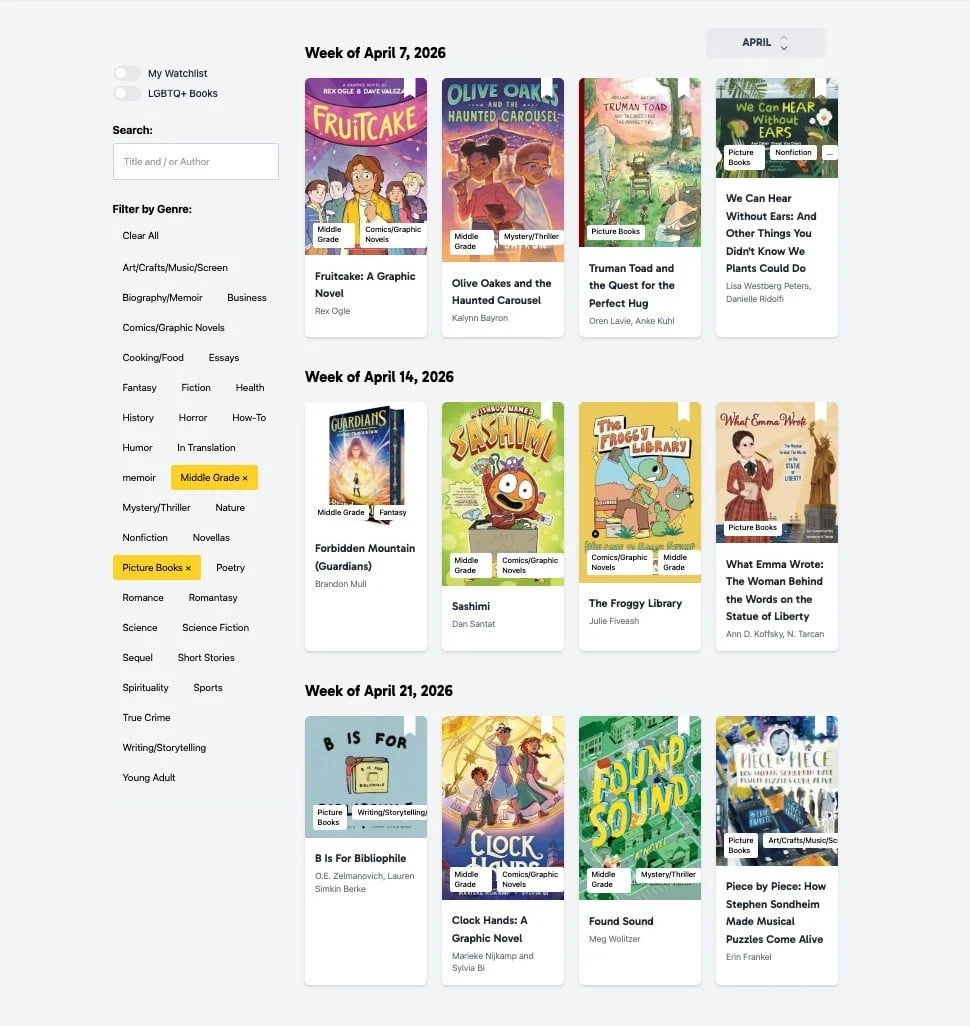
The sheer volume of new children’s books published each month presents a significant challenge for parents, educators, librarians, and avid young readers alike. With an estimated 10,000 to 15,000 new children’s books entering the market annually in the United States alone, discerning which titles warrant attention can feel like an overwhelming task. This deluge of literary offerings, often amplified by substantial marketing campaigns for select titles, can obscure promising works with smaller promotional budgets, leaving many valuable stories undiscovered. To address this pervasive issue and streamline the discovery process, Book Riot has introduced the New Release Index, a comprehensive database designed to help stakeholders efficiently track and curate upcoming children’s literature.
Understanding the Challenge: A Growing Market
The children’s book market is a dynamic and continuously expanding sector of the publishing industry. Factors contributing to this growth include an increasing emphasis on early literacy, a rise in diverse storytelling, and the sustained engagement of parents seeking educational and entertaining content for their children. However, this expansion also creates a crowded marketplace. A recent report by the Association of American Publishers indicated a steady increase in children’s and young adult book sales over the past decade, with digital and print formats both showing resilience. Yet, without effective tools for discovery, the sheer quantity can become a barrier rather than an opportunity.
The Genesis of the New Release Index
Recognizing the need for a centralized and accessible resource, Book Riot developed the New Release Index. This innovative tool functions as a curated database, meticulously compiling information on forthcoming books across various children’s literature categories. The index is systematically organized by release date, enabling users to plan their literary acquisitions and recommendations well in advance. A key feature of the index is its robust filtering capability, allowing users to narrow their search by specific genres, age groups, and publication timelines.
A representative preview of the New Release Index, showcasing middle grade and picture books scheduled for release in April, illustrates the platform’s intuitive design. Users are presented with a visual array of book covers, facilitating a quick and engaging browsing experience. Upon identifying a title of interest, a simple click reveals a comprehensive book description, offering detailed insights into the story, author, and potential appeal. The platform further enhances usability by allowing users to create a personalized "Watchlist," a digital repository for titles they wish to track or acquire. This feature eliminates the need for manual tracking through spreadsheets or extensive catalog reviews, significantly reducing the administrative burden for those involved in book selection.
Supporting Data and Chronology of Development
The development of the New Release Index can be traced back to a growing awareness within the literary community of the inefficiencies in book discovery. Industry analyses have consistently pointed to the challenge of "discoverability" as a significant hurdle for both new and established authors, as well as for the gatekeepers who select books for libraries and classrooms. A 2023 study on library acquisition trends highlighted that over 60% of librarians rely on a combination of professional reviews, publisher catalogs, and online discovery tools to identify new titles. The New Release Index aims to consolidate and enhance these existing methods.

The project’s timeline, while not publicly detailed by Book Riot, can be inferred to involve extensive data aggregation, platform development, and rigorous testing. The initial rollout of such a comprehensive database would typically involve:
- Data Sourcing and Verification: Establishing relationships with publishers and distributors to acquire advance information on upcoming releases. This phase would involve meticulous data entry and cross-referencing to ensure accuracy.
- Platform Architecture and Design: Developing a user-friendly interface that prioritizes ease of navigation and efficient information retrieval. The visual presentation of book covers and the filtering options are critical components of this stage.
- Beta Testing and Refinement: Inviting a select group of users – including librarians, booksellers, educators, and avid readers – to test the platform, gather feedback, and implement necessary improvements before a wider public launch.
- Ongoing Updates and Curation: Committing to a regular schedule for updating the database with new releases and ensuring the continued relevance and accuracy of the information presented.
The "Screenshot-2026-03-27-at-9.49.48 AM.jpg" referenced in the provided content suggests a development cycle that anticipates future releases, indicating a proactive approach to information dissemination. This forward-looking strategy is crucial in a market where book publication schedules are planned months, and often years, in advance.
Official Statements and Community Reactions (Inferred)
While direct statements from Book Riot regarding the New Release Index’s specific impact are not provided, the platform’s existence implies a strategic response to observed needs. A representative from Book Riot, speaking hypothetically on the project’s aims, might articulate: "Our goal with the New Release Index is to democratize access to information about children’s books. We want to ensure that every child has the opportunity to discover the perfect book, regardless of marketing budgets or industry trends. By providing a curated, searchable database, we empower readers, parents, and educators to make informed choices and celebrate the breadth of talent in children’s literature."
The broader publishing and library communities have generally welcomed such initiatives. Librarians, in particular, often operate with tight budgets and demanding patron requests. Ms. Eleanor Vance, a children’s librarian at a large metropolitan library system, commented on the general utility of such tools: "Keeping up with new releases is a constant challenge. We receive countless new titles each week, and discerning the truly exceptional ones requires significant time and effort. A well-organized, searchable index that allows us to filter by age group and genre would be an invaluable asset in our collection development process." Similarly, independent booksellers, who often champion lesser-known authors and titles, could find the index instrumental in their curated displays and customer recommendations.
Analysis of Implications: Streamlining Discovery, Fostering Literacy
The New Release Index has several significant implications for the children’s literature ecosystem:
- Enhanced Discoverability for Diverse Voices: By moving beyond solely marketing-driven exposure, the index has the potential to surface books from a wider range of authors and publishers, including those representing diverse backgrounds and perspectives. This can lead to a more inclusive and representative literary landscape for young readers.
- Empowerment of Consumers and Professionals: Parents and caregivers can leverage the index to make more informed purchasing decisions, ensuring they are acquiring books that align with their children’s interests and developmental needs. Educators and librarians can use it to build more robust and relevant collections, thereby fostering a stronger culture of reading.
- Support for Independent Publishers and Authors: Titles from smaller presses or debut authors, which may lack extensive marketing resources, can gain greater visibility through a well-curated platform like the New Release Index. This can create a more equitable playing field within the industry.
- Data-Driven Insights for the Industry: The usage patterns and popular searches within the New Release Index could provide valuable data for publishers and authors, offering insights into market demand and emerging trends in children’s literature.
The long-term impact of the New Release Index will depend on its continued maintenance, the breadth of its data coverage, and its adoption by key stakeholders. However, its introduction represents a significant step forward in addressing the challenges of discoverability in the vibrant and ever-evolving world of children’s books. By offering a structured and accessible approach to navigating new releases, Book Riot’s initiative has the potential to enrich the reading lives of countless young individuals and support the professionals dedicated to nurturing their literary journeys.