
 Indra Kusuma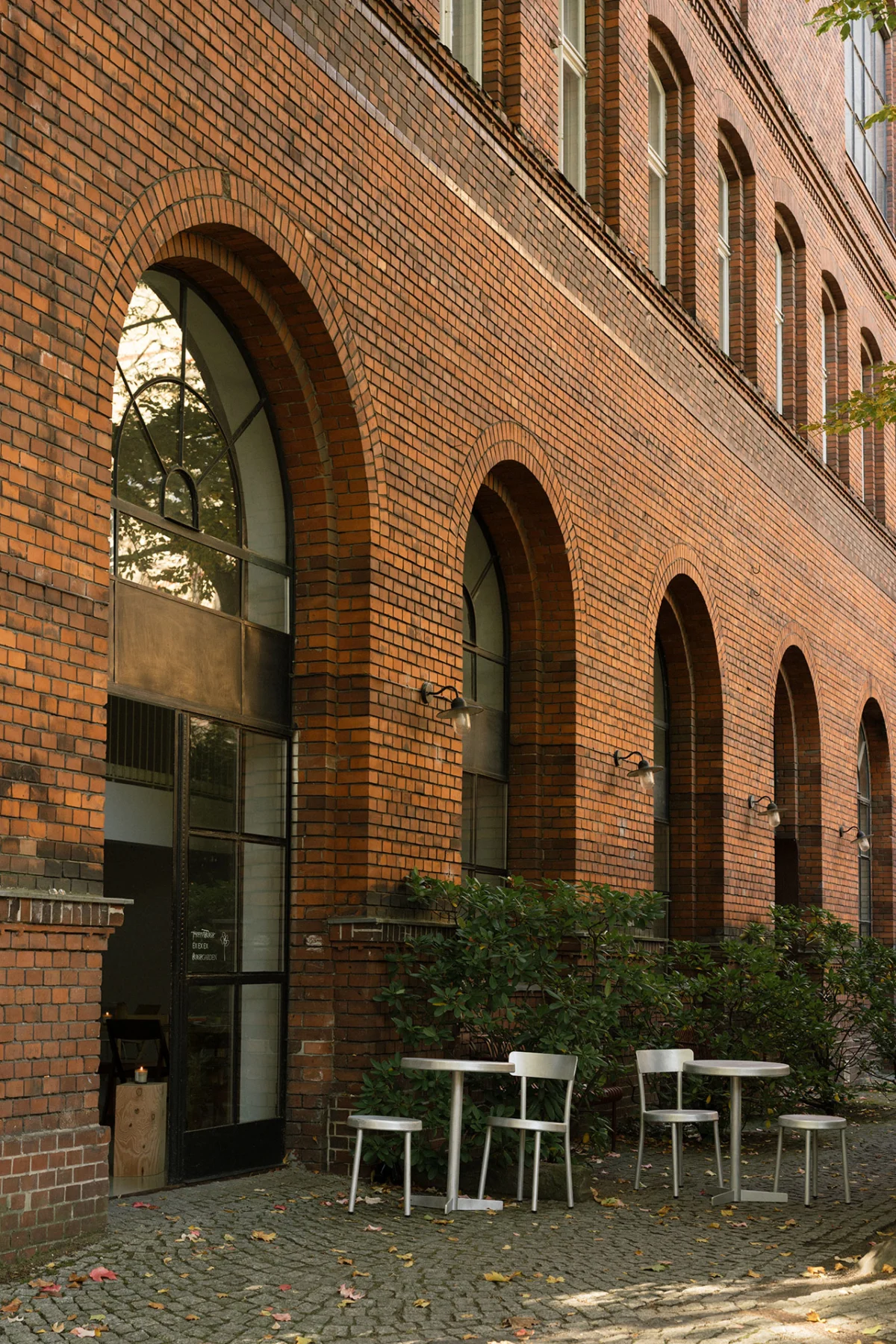
Copenhagen-based design studio FRAMA has introduced its latest furniture offering, the Tasca Table Large, a piece that seamlessly blends timeless aesthetic principles with a profound commitment to sustainable material practices. Designed for exceptional versatility, the Tasca Table is presented as an artifact capable of gracing any environment, from indoor living spaces to the most challenging outdoor conditions, including the edge of the sea. Its distinctive satin finish, a subtle yet commanding feature, is meticulously crafted to evoke the fluid movement of water, signaling a deeper connection to natural elements that underpins FRAMA’s design philosophy.
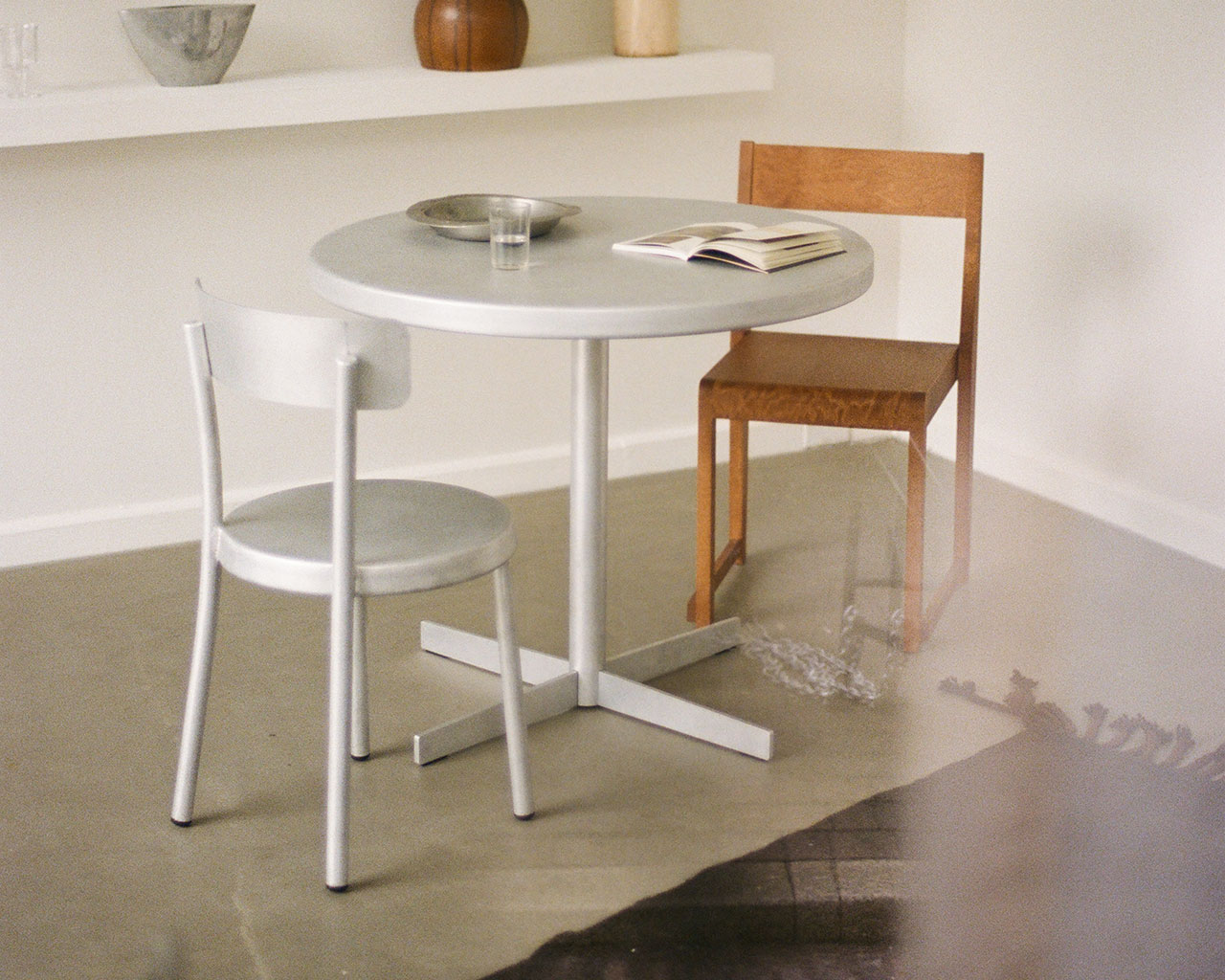
The Tasca Table, also available in a smaller size, is conceived as a gathering point, perfectly scaled to host two, three, or four individuals. This adaptability underscores its functional elegance, making it suitable for intimate conversations or casual meals. At first glance, the table’s form appears deceptively familiar: a robust ‘x’-shaped base, a singular cylindrical leg, and a perfectly circular top. However, this apparent simplicity is a testament to sophisticated engineering, where intricate technical details are skillfully integrated into the minutiae of its construction, rewarding those who take the time to observe its subtle complexities.
FRAMA’s Legacy of Mindful Design and Scandinavian Roots
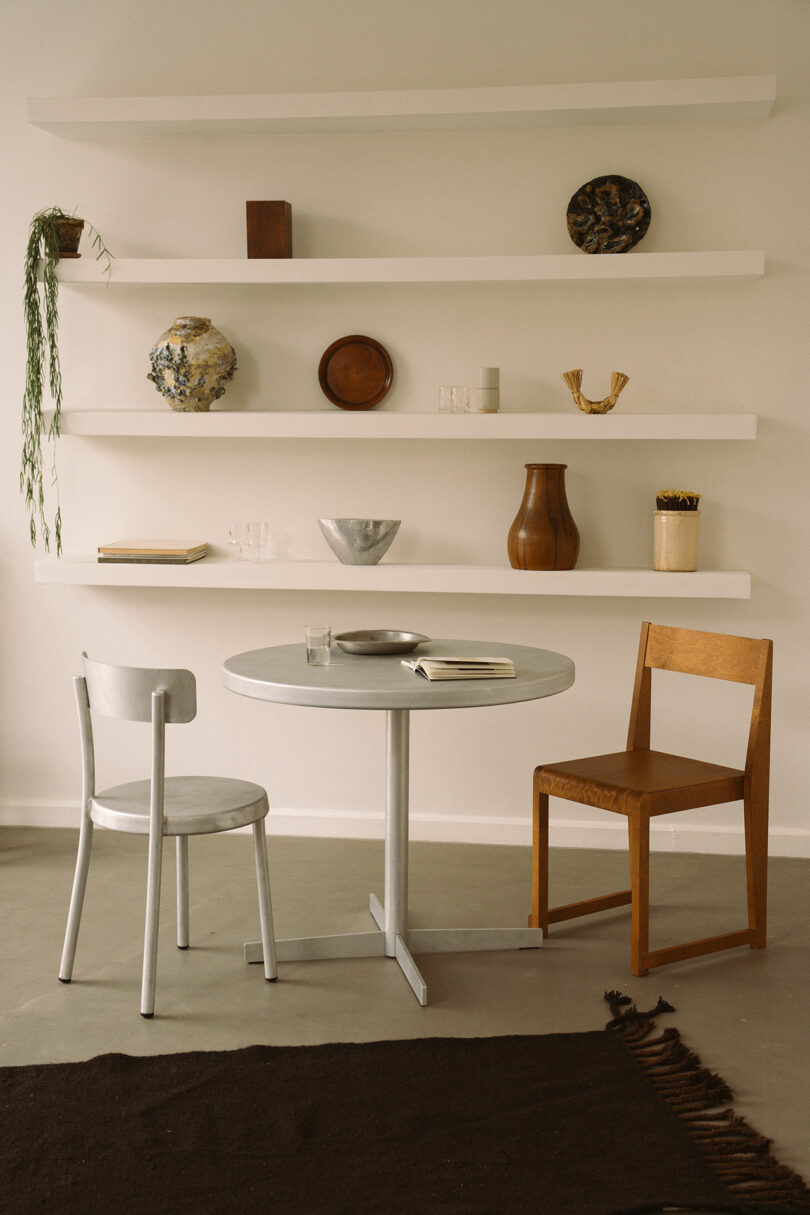
FRAMA, established with a vision to explore the intersection between design and experience, has consistently championed a holistic approach to living. Rooted in the rich tradition of Scandinavian design, the studio emphasizes natural materials, simplified geometries, and a mindful engagement with the objects that furnish our lives. This philosophy is not merely aesthetic but deeply ethical, encouraging users to "celebrate the details" and cultivate a greater sense of mindfulness in their daily routines. The Tasca Table stands as a compelling embodiment of these core tenets, extending FRAMA’s commitment to creating spaces that are warm, practical, and honest.
The studio’s work is characterized by an unwavering dedication to integrity, where form follows function, and materials are chosen not only for their aesthetic appeal but also for their inherent qualities and environmental footprint. This approach has positioned FRAMA as a vanguard in contemporary design, moving beyond fleeting trends to create pieces that possess lasting relevance and utility. Their collections often reflect a dialogue between tradition and innovation, drawing inspiration from historical archetypes while employing modern techniques and sustainable practices.
The Tasca Table: An Ode to Material Honesty and Natural Patina
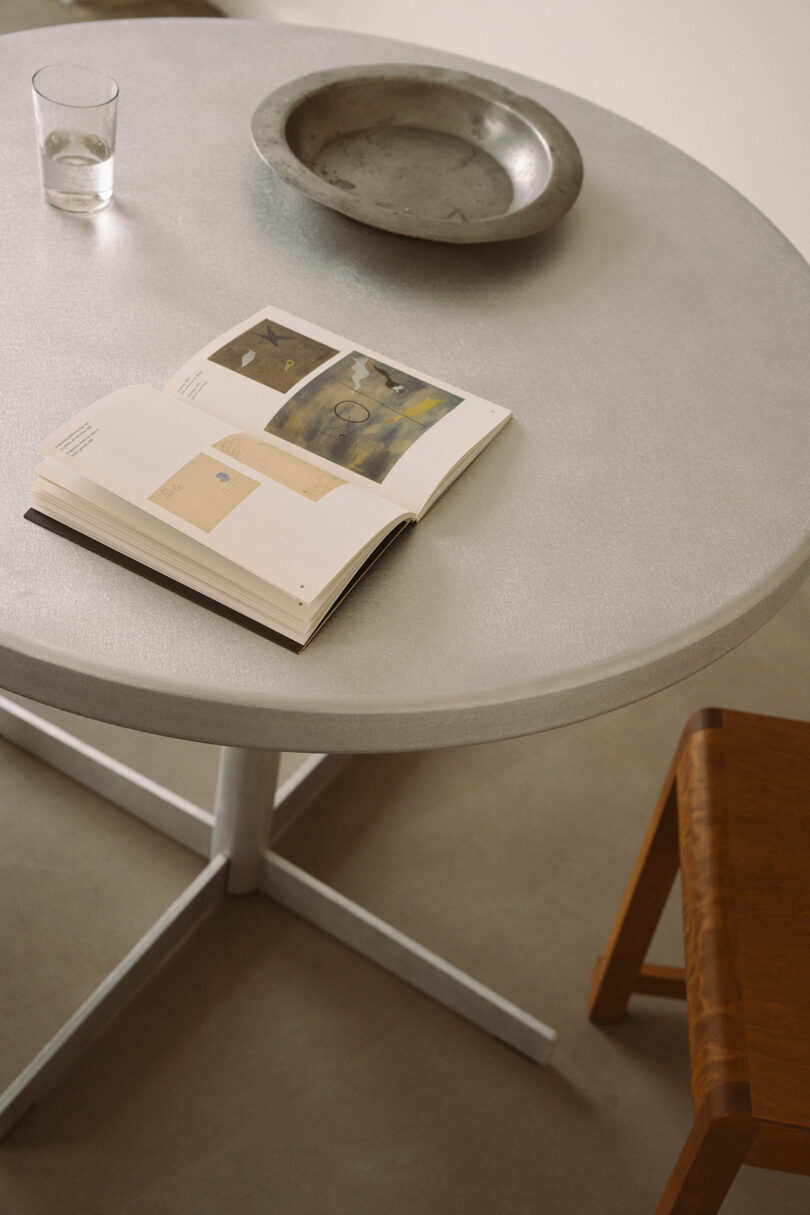
Central to the Tasca Table’s identity is its material — bare aluminum. This deliberate choice allows for a "graceful patina" to develop over time, transforming signs of wear into welcome marks of a "life well-loved." Unlike many contemporary furniture pieces designed to maintain an pristine, unchanging appearance, the Tasca Table embraces the natural process of aging, inviting users to form a deeper connection with an object that evolves alongside them. This concept of material honesty celebrates the inherent beauty of aluminum and its capacity to tell a story through its surface.
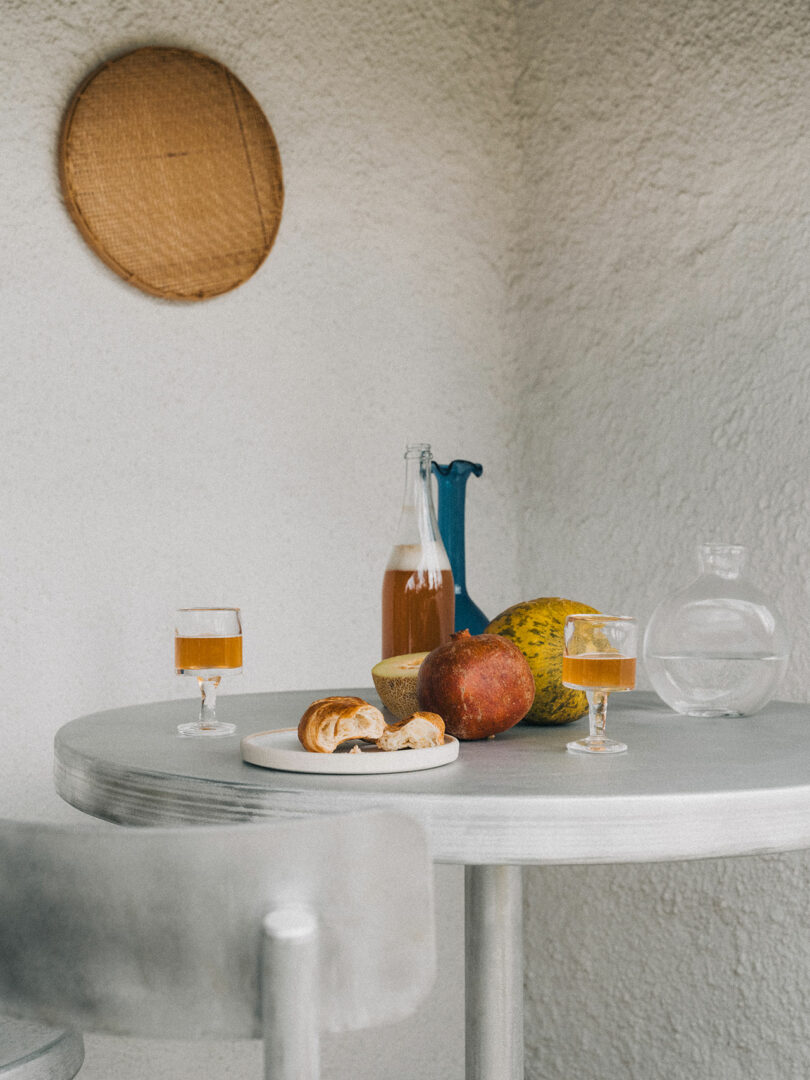
The "subtle but intentional variation" within the hand-wrought finish is a testament to the artisanal skill invested in each table. This craftsmanship ensures that no two Tasca Tables are exactly alike, imbuing each piece with a unique character that mass-produced items often lack. This individualistic quality further reinforces the idea of the table as a cherished possession, an heirloom in the making, rather than a disposable commodity. The way "a luminosity emerges in soft light, almost seeming to glow from within" speaks to the inherent beauty of the material, enhanced by careful finishing, creating an almost ethereal presence in any setting.
Aluminum: The Cornerstone of Sustainable Design
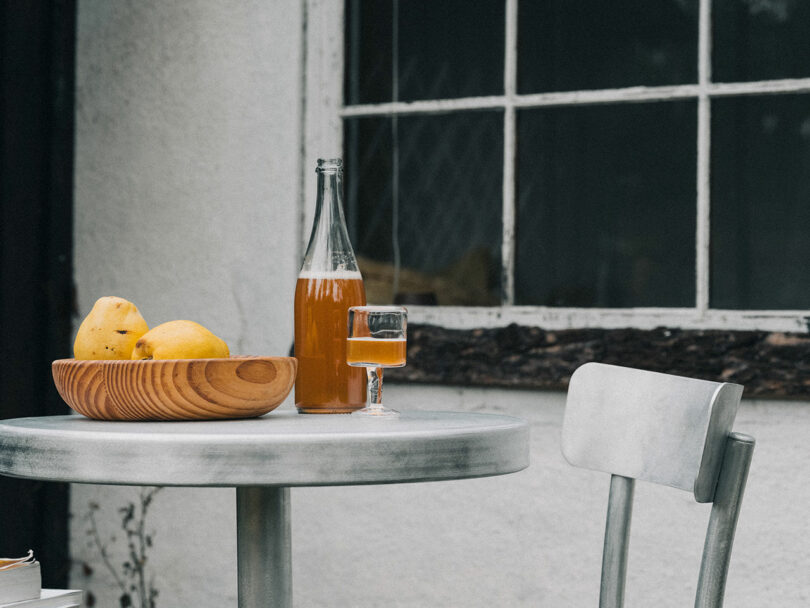
The selection of aluminum for the Tasca Table is a pivotal aspect of FRAMA’s sustainability agenda. Aluminum is celebrated for its strength, lightness, and exceptional durability, making it an ideal choice for furniture intended for both indoor and outdoor use. Its natural resistance to corrosion ensures longevity, even in harsh coastal environments, validating the poetic imagery of the table being used "among the waves themselves." However, the most compelling attribute of aluminum in the context of responsible design is its "endlessly recyclable" nature.
Globally, aluminum is one of the most recycled materials, with a high percentage of post-consumer scrap being re-melted and reused. The recycling process for aluminum is remarkably efficient, requiring approximately 95% less energy than producing primary aluminum from bauxite ore. This significant energy saving translates directly into a substantial reduction in greenhouse gas emissions, making recycled aluminum a highly eco-conscious material choice. By expanding its collection of aluminum pieces, FRAMA not only capitalizes on the material’s inherent advantages but also actively contributes to a circular economy model, where resources are kept in use for as long as possible, minimizing waste and environmental impact.
Designing in the Anthropocene: A Call to Responsibility
FRAMA explicitly frames the Tasca Table’s development within the context of the "new era of the anthropocene." This geological epoch, characterized by significant human impact on Earth’s geology and ecosystems, places a profound responsibility on designers. The studio articulates this as a "duty and privilege" to "take stock of how we create, and to design within the flow of our natural world, not against it." This statement is not merely a philosophical flourish but a guiding principle that informs every decision, from material selection to manufacturing processes.
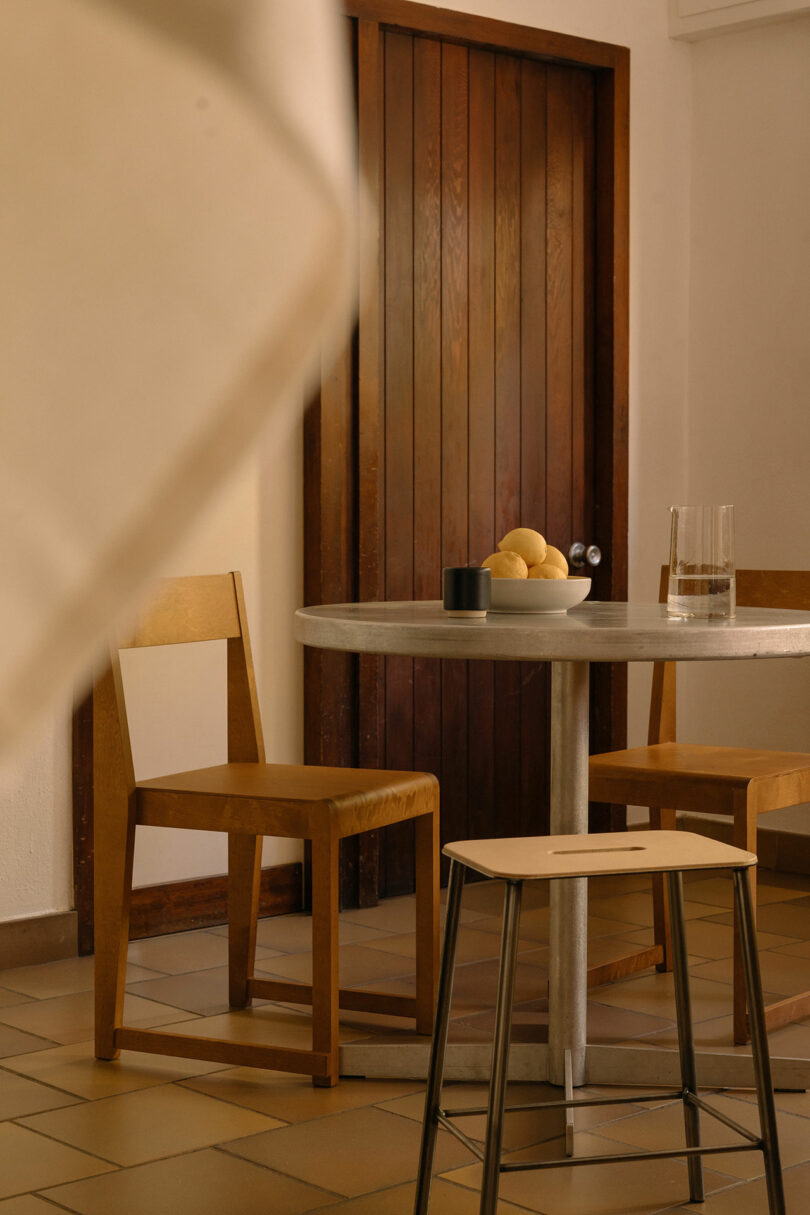
In an age where resource depletion and environmental degradation are pressing concerns, design must evolve beyond mere aesthetics and functionality to embrace ecological responsibility. The Tasca Table, with its durable, repairable, and recyclable aluminum construction, represents a tangible effort to meet this challenge. It embodies a shift from linear "take-make-dispose" industrial models to more regenerative and cyclical approaches. FRAMA’s continued exploration of this balance invites consumers to participate in a more sustainable lifestyle, encouraging them to "take our time, and feel good in doing so." This suggests that conscious consumption and mindful living are not sacrifices but rather enriching experiences.
Versatility for Modern Lifestyles: Blurring Indoor and Outdoor Spaces
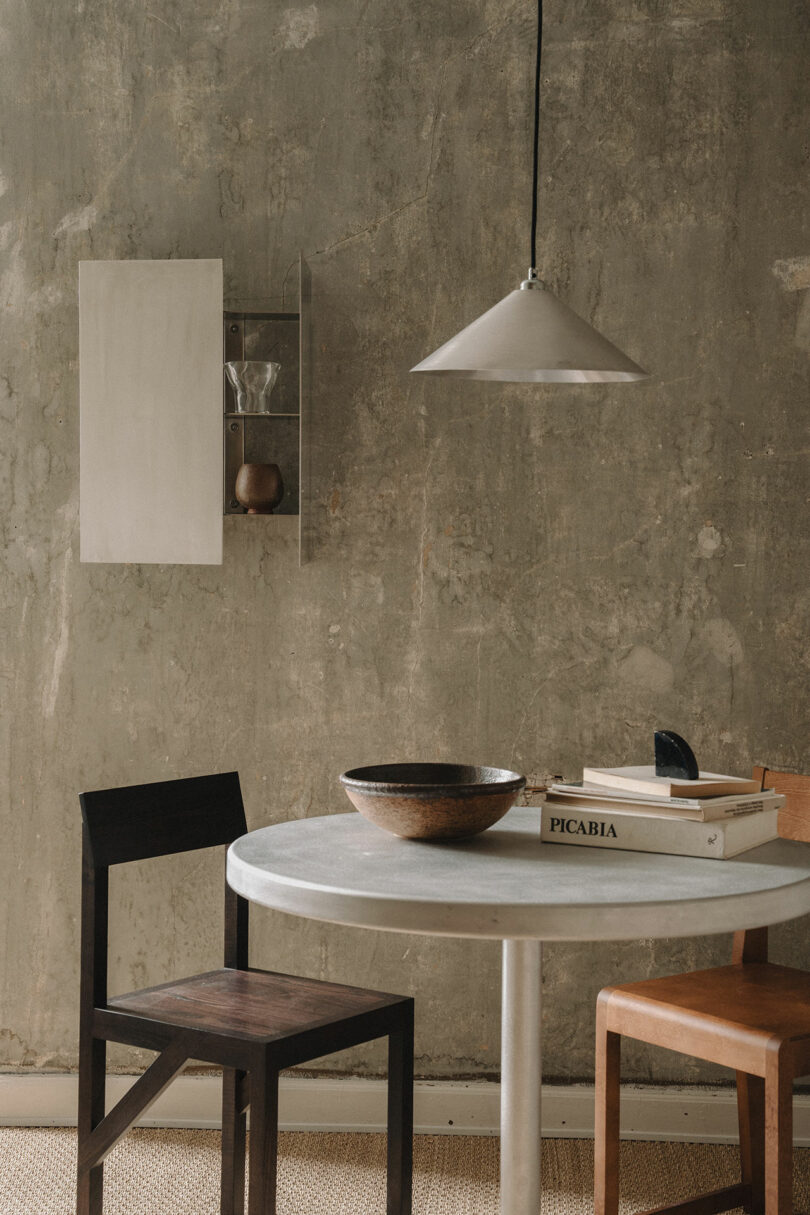
The Tasca Table’s design anticipates the evolving nature of modern living, where the boundaries between indoor and outdoor spaces are increasingly blurred. Contemporary homes often feature expansive patios, balconies, and garden areas that serve as extensions of interior living rooms and dining areas. The demand for furniture that can transition seamlessly between these environments, offering both durability and aesthetic coherence, has grown significantly.
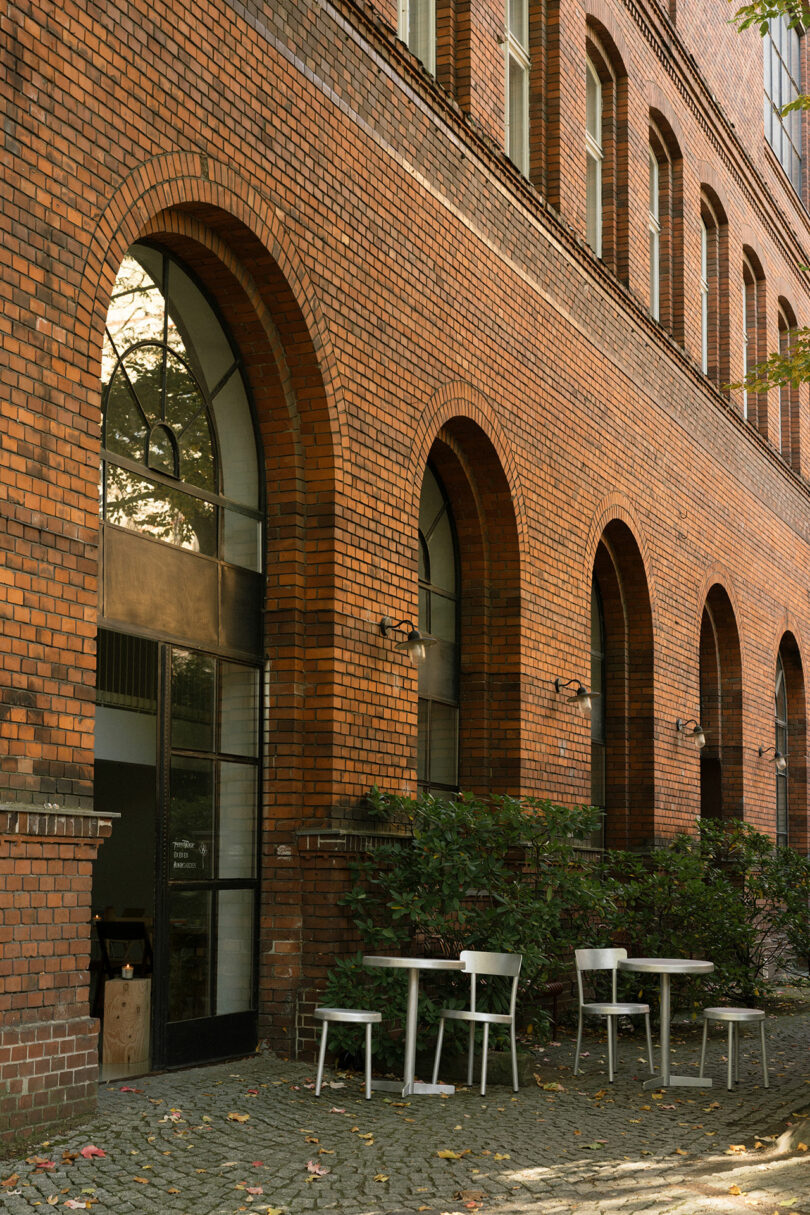
The Tasca Table’s robust construction and weather-resistant aluminum make it perfectly suited for this dynamic lifestyle. Whether placed in a sun-drenched conservatory, a bustling urban patio, or even an unconventional setting by the shoreline as depicted in FRAMA’s evocative photography, the table maintains its integrity and visual appeal. This versatility is not just a practical feature; it speaks to a broader desire for adaptable spaces that can cater to various needs and moods throughout the day and across seasons. The design’s clean lines and timeless quality ensure it complements a wide range of architectural styles and interior decor schemes, from minimalist urban lofts to rustic country homes.
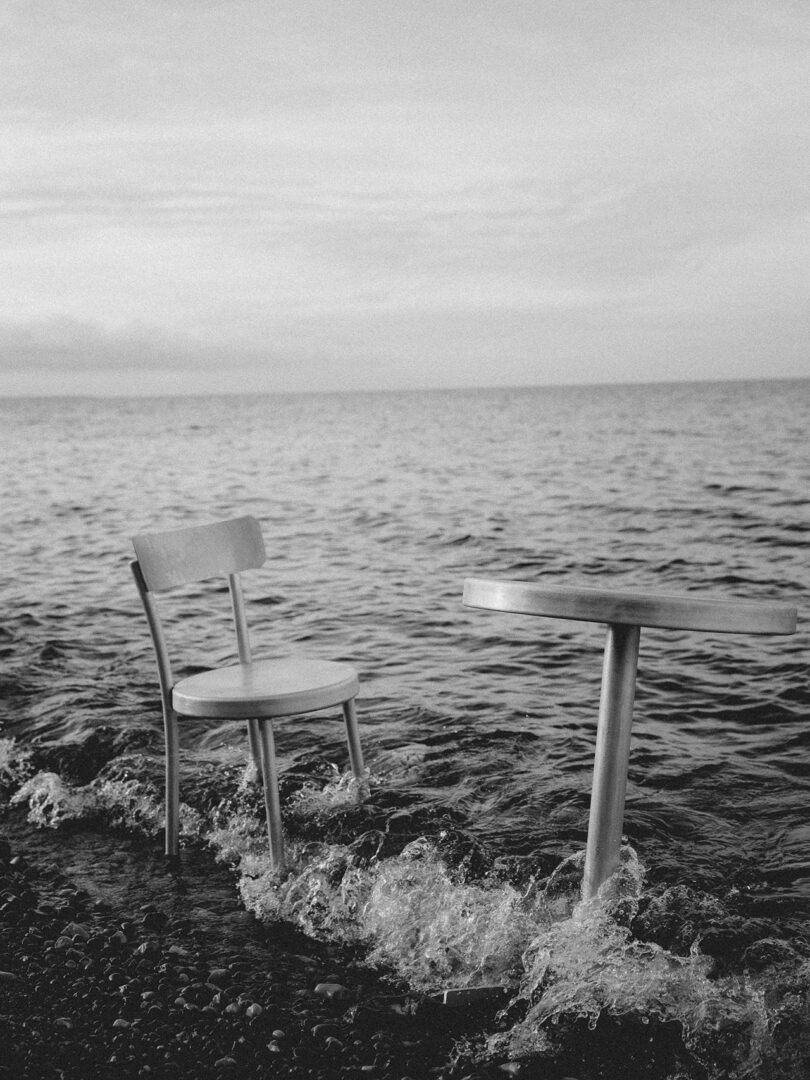
The Design Process: A Dialogue Between Form and Function
The creation of the Tasca Table involved a meticulous design process that prioritized both aesthetic purity and practical considerations. The initial concept, inspired by the enduring allure of the sea, sought to translate the subtle energies of natural elements into a functional object. The choice of a circular top, for instance, promotes inclusivity and ease of conversation, fostering a sense of community around the table. The "solid ‘x’ creating the base" provides exceptional stability, a critical factor for a piece intended for diverse environments, including uneven outdoor surfaces.
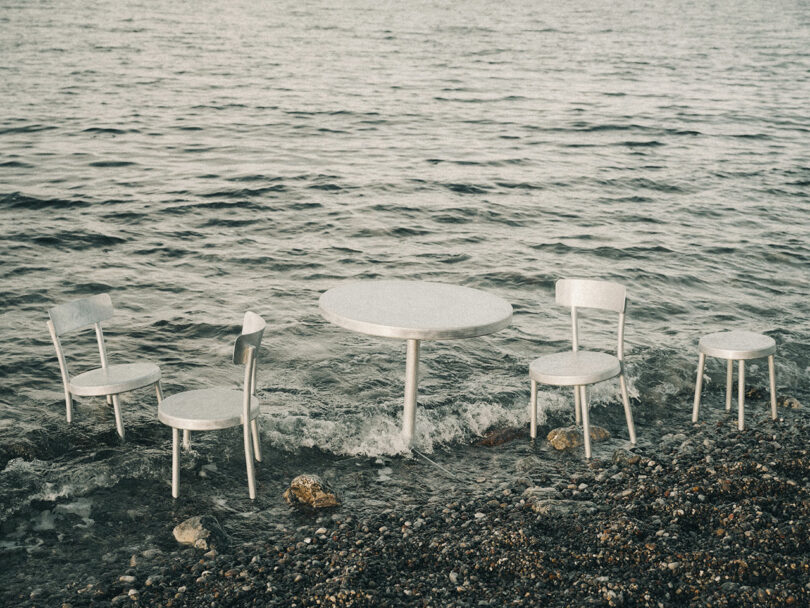
The cylindrical leg, seemingly straightforward, is engineered to distribute weight efficiently and maintain the table’s elegant profile. The "obfuscated technical detail within minutia" refers to the clever ways structural integrity is achieved without visual clutter. This could involve concealed fastenings, precision welding, or innovative joint designs that ensure durability while preserving the table’s clean, minimalist lines. The iterative process of sketching, prototyping, and refining allowed FRAMA’s design team to achieve a balance where the table’s form feels both familiar and refreshingly contemporary, timeless yet utterly relevant.
The Broader Implications: Shaping the Future of Furniture Design
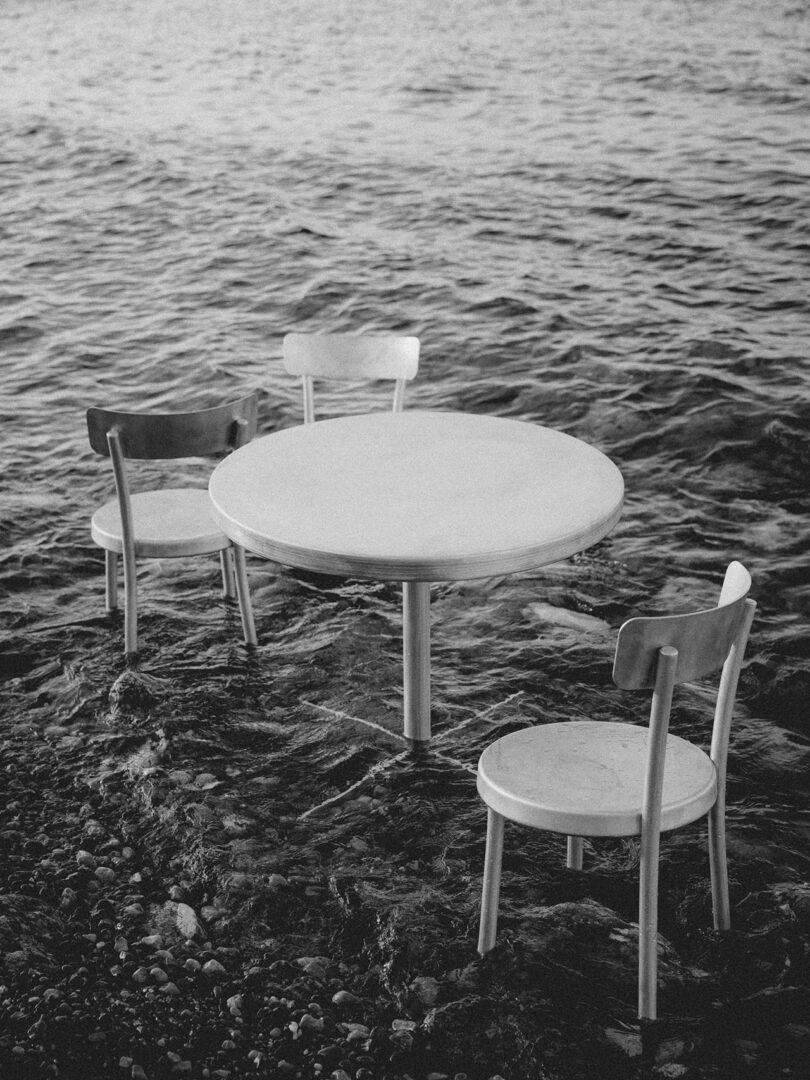
The Tasca Table by FRAMA is more than just a new product; it is a statement about the direction of contemporary furniture design. Its emphasis on sustainable materials, durability, and adaptability resonates with a growing global consciousness regarding environmental impact and responsible consumption. As consumers become more discerning, seeking out products that offer longevity and ethical production, designs like the Tasca Table are poised to gain increasing prominence.
The table’s ability to transcend conventional boundaries – indoor/outdoor, utilitarian/artistic, new/aged – positions it as a benchmark for future furniture development. It demonstrates that high-quality design can coexist with environmental responsibility, and that beauty can be found in honesty of material and the passage of time. FRAMA’s continued commitment to exploring this balance serves as an inspiration for the industry, inviting both designers and consumers to consider the deeper narratives embedded within the objects we choose to live with.
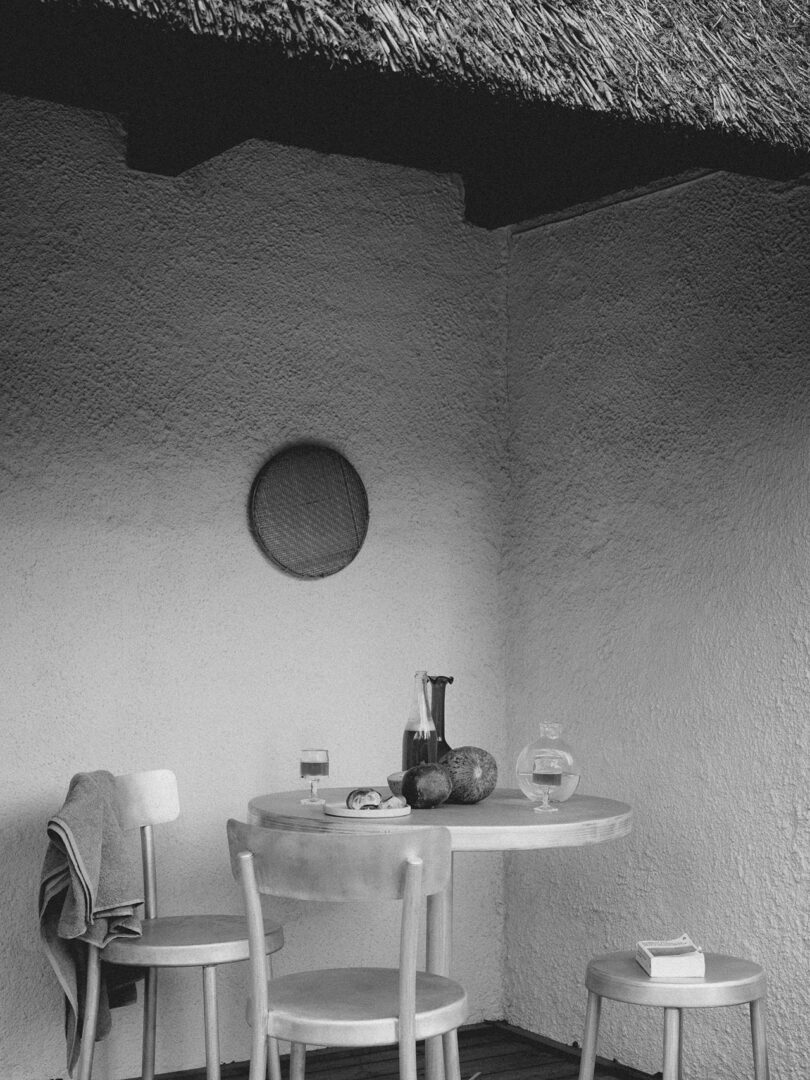
By prioritizing natural materials and simplified geometries, FRAMA ensures that its collection, including the Tasca Table, retains an integrity that keeps spaces warm, practical, and honest. This holistic approach to design not only furnishes spaces but also enriches lives, encouraging a more thoughtful and sustainable interaction with our built environment. The Tasca Table is thus not just a piece of furniture, but an invitation to a more mindful way of living, grounded in respect for both craftsmanship and the natural world.
To learn more about the Tasca Table Large from FRAMA, visit framacph.com.

Photography by Paolo Galgani, and courtesy of FRAMA.







