Angie Faith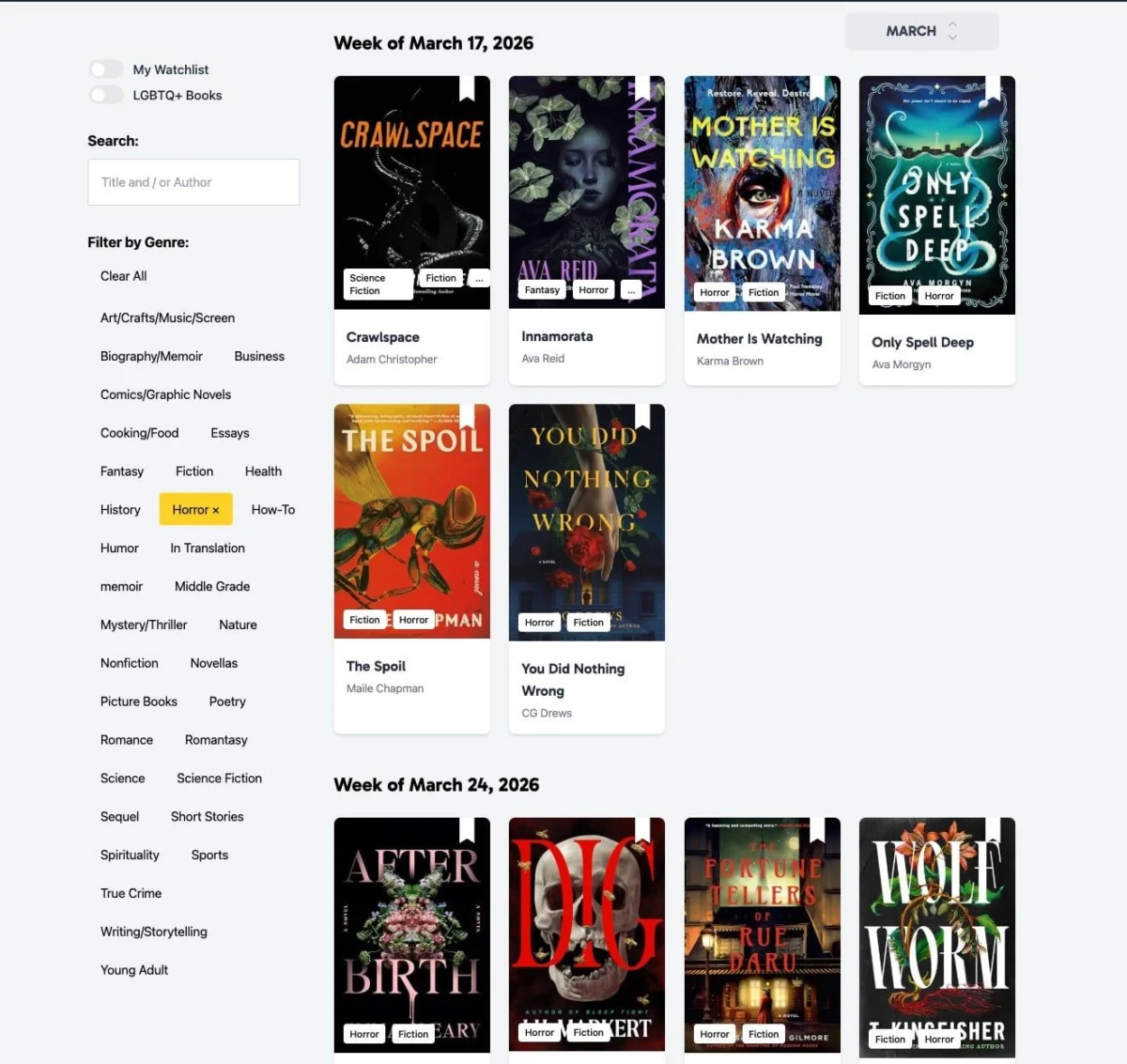
The publishing world, a dynamic ecosystem of creativity and commerce, constantly inundates readers with a deluge of new literary works. For avid readers, particularly those with a penchant for specific genres like horror, this monthly influx can be both exhilarating and overwhelming. The sheer volume of titles vying for attention, often amplified by substantial marketing campaigns, can obscure promising gems and make it a significant challenge to stay abreast of the most anticipated releases. This persistent issue of discovery and curation has long plagued book enthusiasts, transforming what should be a joyful pursuit into a demanding, almost full-time endeavor involving extensive catalogue reviews and meticulous spreadsheet management. Recognizing this pervasive challenge, Book Riot has introduced a groundbreaking solution: the New Release Index.
Addressing the Discovery Dilemma: The Genesis of the New Release Index
The proliferation of new book releases is a well-documented phenomenon in the publishing industry. Data from industry analysis firms, such as Nielsen BookScan, consistently shows thousands of new titles entering the market annually across various genres. For instance, the horror genre alone sees hundreds of new books published each year, encompassing a diverse range of subgenres from gothic and supernatural to psychological thrillers and cosmic horror. This constant stream, while indicative of a vibrant literary landscape, presents a significant hurdle for readers seeking to curate their personal reading lists effectively.
The genesis of the New Release Index can be traced to Book Riot’s ongoing commitment to serving its readership by providing accessible and organized literary information. As a prominent online literary hub, Book Riot has long observed the frustrations of its audience in navigating the complexities of new book releases. The traditional methods of discovery—browsing bookstore shelves, perusing publisher catalogs, or relying on algorithm-driven recommendations that often favor heavily promoted titles—frequently fall short for dedicated readers seeking a more comprehensive and nuanced view. The New Release Index emerged as a direct response to this unmet need, aiming to streamline the discovery process and empower readers to find books that genuinely resonate with their interests, irrespective of their marketing budgets.
A Comprehensive Solution for Curated Reading
The New Release Index is not merely a list; it is a sophisticated, searchable database meticulously curated by the editorial team at Book Riot. Its core functionality is built around organization and accessibility. The database is structured by release date, allowing users to track upcoming titles chronologically. Crucially, it offers robust filtering capabilities, enabling users to narrow down their search by genre, subgenre, and other relevant categories. This feature is particularly valuable for genre enthusiasts, such as horror aficionados, who can now effortlessly isolate the specific types of books that pique their interest.
A visual representation of the Index, as seen in a preview of horror books scheduled for release in March, demonstrates its user-friendly interface. Users are presented with book covers, offering an immediate visual cue. Upon discovering a cover that captures their attention, a simple click reveals a detailed book description, providing essential information about the plot, themes, and author. The Index further empowers users by allowing them to save titles of particular interest to a personalized "Watchlist." This feature transforms the Index from a passive discovery tool into an active planning resource, enabling readers to build anticipation and organize their future reading endeavors with precision.

The Technology Behind the Index: Data Integration and User Experience
The development and maintenance of the New Release Index involve a sophisticated integration of data from various publishing sources. This includes information directly from publishers, literary agencies, and specialized book data providers. The process of compiling and verifying this information is an ongoing effort, requiring a dedicated team to ensure accuracy and completeness. Book Riot’s editorial team plays a pivotal role in this process, not only by gathering the data but also by applying their literary expertise to categorize and present the information in a way that is most beneficial to the reader.
The technical architecture of the New Release Index prioritizes a seamless user experience. The platform is designed to be responsive across various devices, ensuring that readers can access and utilize the Index whether they are on a desktop computer, tablet, or smartphone. Features such as the "Watchlist" are integrated to provide a personalized experience, allowing users to manage their book discoveries effectively. The visual design emphasizes clarity and ease of navigation, minimizing cognitive load and maximizing the efficiency of the discovery process. This user-centric approach is a hallmark of Book Riot’s commitment to providing valuable resources for the literary community.
Impact on Readers and the Publishing Ecosystem
The introduction of the New Release Index has significant implications for both individual readers and the broader publishing ecosystem. For readers, it represents a democratization of book discovery. No longer are readers solely reliant on best-seller lists or heavily marketed titles. The Index empowers them to find independent authors, niche genres, and promising debut novels that might otherwise go unnoticed. This enhanced ability to discover a wider range of literary works can lead to a more diverse and fulfilling reading experience, fostering a deeper engagement with the world of books.
From a publishing perspective, the New Release Index offers a valuable channel for reaching engaged readers. While it does not replace traditional marketing efforts, it provides a platform where books can gain organic visibility based on their inherent appeal and genre relevance. This can be particularly beneficial for smaller presses and independent authors who may have limited marketing budgets. By surfacing these titles to an actively seeking audience, the Index can contribute to a more equitable playing field within the publishing industry, fostering a greater diversity of voices and stories.
Future Developments and Community Engagement
Book Riot has indicated that the New Release Index is an evolving platform, with plans for future enhancements and integrations. These may include more advanced filtering options, personalized recommendation engines based on user Watchlist activity, and deeper integration with book purchasing platforms. The company has also emphasized the importance of community feedback in shaping the Index’s development, encouraging users to share their suggestions and experiences. This collaborative approach underscores Book Riot’s commitment to building a tool that truly serves the needs of its readership.
The ongoing development of the New Release Index signifies a forward-thinking approach to literary curation in the digital age. By leveraging technology and a deep understanding of reader behavior, Book Riot is poised to redefine how book discovery is approached, offering a more efficient, comprehensive, and ultimately, more rewarding experience for bibliophiles everywhere. The success of this initiative could serve as a model for other literary platforms seeking to address similar challenges in connecting readers with the books they will love.