rifanmuazin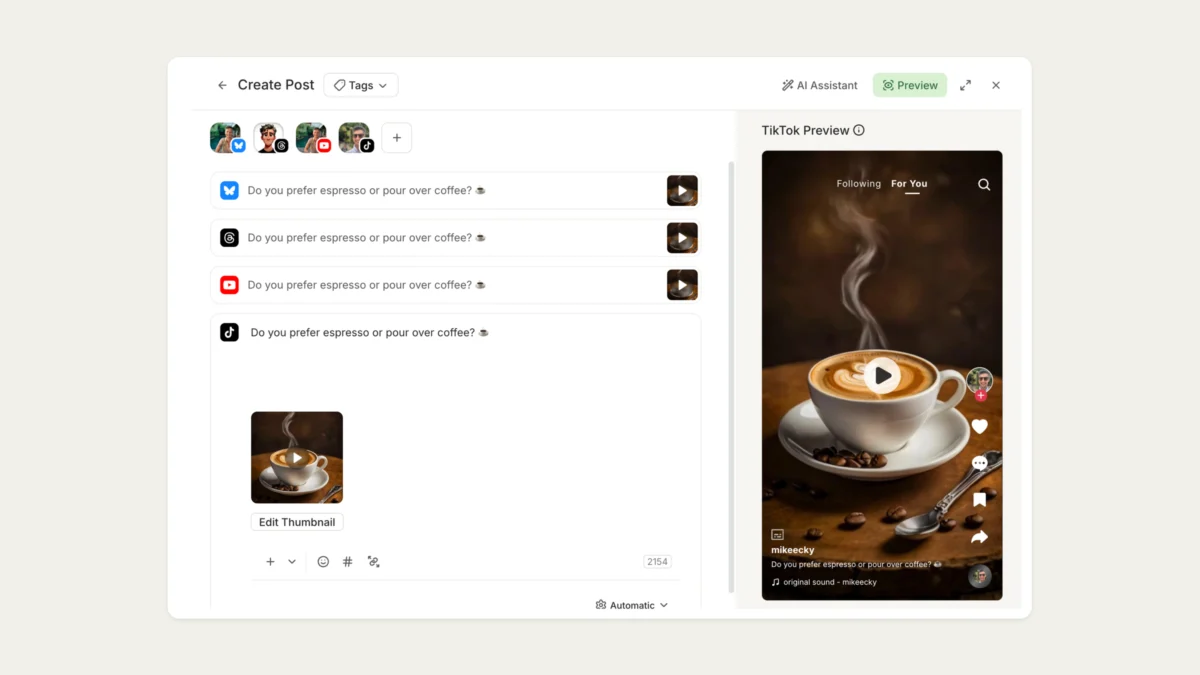
Buffer, a prominent social media management platform, has announced the completion of a significant architectural and aesthetic overhaul of its Composer, the central interface where users draft, refine, and publish their social media content. This extensive modernization project addresses long-standing challenges posed by legacy code, positioning the Composer as a robust foundation for an ambitious roadmap aimed at transforming Buffer from a specialized scheduling tool into a comprehensive, cohesive social workspace.
The Composer, often described as the most-used surface within the entire Buffer product, serves as the critical entry point for all user interactions, making its performance and underlying architecture paramount to the overall user experience. For an extended period, however, this core component operated on an aging codebase that, while functional for end-users, presented substantial internal hurdles for Buffer’s development teams. Maintenance became increasingly complex, implementing improvements was fraught with risk, and extending its capabilities to accommodate new features proved slow and cumbersome. This technical debt inhibited innovation, requiring developers to navigate intricate layers of outdated logic for even minor modifications, thereby extending development cycles and diverting resources.
Strategic Imperative: Evolving Beyond Scheduling
The decision to undertake such a foundational rebuild did not emerge in isolation. It is a direct outcome of a broader strategic shift at Buffer over the past year, characterized by a series of meaningful product enhancements. These include significant improvements to scheduling functionalities, the introduction of dark mode support, and a comprehensive visual refresh gradually rolling out across the platform. Each of these updates generated positive user feedback and, crucially, cultivated an expectation among Buffer’s user base for a uniformly modern and intuitive experience across all product facets. With its central role, the Composer became the undeniable next frontier for this modernization drive.
Beyond internal momentum, the impetus for change was also significantly influenced by direct user feedback. Extensive conversations with over 30 Buffer users last year revealed a consistent theme: a strong desire for Buffer to evolve into a cohesive, contemporary workspace rather than remaining solely a social media scheduling utility. Users expressed a need for a platform that could support the entire content lifecycle, from brainstorming and drafting to collaboration and final publication. This user-centric demand directly informed the scope and objectives of the Composer modernization, aiming to equip it with the capabilities necessary to support a more integrated, creative workflow. Buffer’s leadership recognizes that for the platform to become a hub for content strategizing, drafting, and collaboration, the Composer, as the primary creation interface, must be exceptionally capable and future-proof.
A Phased Approach: Prioritizing Foundation Over Flash
The modernization project, executed by a dedicated, small team within Buffer over several months, intentionally focused on foundational architectural improvements rather than immediately delivering flashy new features. A spokesperson for Buffer emphasized that this initial phase was about tackling the "unsexy-but-essential" work of rebuilding the underlying infrastructure. This strategic decision underscores a commitment to long-term stability and scalability, ensuring that future feature development can proceed with greater agility and less technical constraint.

Key Technical Interventions and Enhancements:
The technical overhaul of the Composer involved several critical interventions designed to enhance its efficiency, reliability, and extensibility:
-
Modernizing Data Architecture with a New State Layer: A primary challenge with the legacy Composer was its reliance on outdated data stores, which rendered data flow unpredictable and difficult to manage. The modernization introduced a modern state layer, a streamlined and more logical system for managing data within the application. This new architecture provides a clearer, more efficient picture of how data moves through the Composer, significantly improving data loading times and overall operational efficiency. This change directly addresses issues of unpredictability and lays the groundwork for more complex data interactions in future features.
-
Integration with the Popcorn Component System: To achieve visual and functional consistency across the entire Buffer platform, the Composer was migrated to Buffer’s current component system, internally known as "Popcorn." This integration aligns the Composer’s interface with the rest of Buffer’s refreshed design language, fostering a more unified user experience. Crucially, this move unlocked a range of improvements previously impossible due to the Composer’s isolated architecture. These include enhanced responsiveness across various devices, seamless support for Buffer’s new dark mode, and full compatibility with the ongoing visual refresh.
-
Overhauled Side Panels and Previews: The project included a complete redesign of how tools and functionalities are presented and operated within the Composer via its side panels. These panels are now significantly more responsive and predictable, offering a smoother interaction experience. Furthermore, post previews have been extended to all selected channels, even within the "omni-composer" mode, providing users with a more accurate and comprehensive visualization of their content across different social platforms before publication. This enhancement reduces the need for manual checks and improves content accuracy.
-
Refined Channel Fields, Media Handling, and Dialogs: Attention was also paid to a multitude of smaller, yet impactful, details. Updates to channel fields, media handling processes, and various dialog boxes contribute to a more polished and reliable Composer. While these changes might not be immediately obvious to users, their cumulative effect is a more consistent, intuitive, and fluid content creation experience, minimizing friction points and enhancing overall usability. These micro-improvements collectively contribute to a perception of higher quality and greater reliability.
Collaborative Execution and User-Centric Migration
The successful execution of this complex modernization project was a testament to Buffer’s collaborative internal culture. Engineering, design, and product teams worked in close alignment, leveraging a shared commitment to delivering a first-class product. A particularly noteworthy contribution came from Buffer’s customer Advocates. The Composer is a sensitive and heavily relied-upon interface, meaning even minor changes can potentially disrupt user workflows. The Advocates played a critical role in navigating customers through the transition, proactively gathering feedback on the new experience, and providing invaluable insights to the development team regarding areas that felt "off" or required further refinement. This deep level of cross-functional collaboration, with customer advocacy at its core, ensured that the technical advancements were seamlessly integrated into the user experience, minimizing disruption and maximizing positive impact.

Implications and The Road Ahead: A True Social Workspace
The completion of the Composer modernization marks not an endpoint, but a crucial starting line for Buffer’s future innovation. The primary objective of this extensive rebuild was to unlock a new realm of possibilities for product development, and Buffer is already leveraging this enhanced foundation to develop exciting new features.
Looking forward, Buffer plans to introduce:
- Integrated Templates: Users will soon be able to access and utilize content templates directly within the Composer, streamlining the content creation process by providing proven formats and structures without requiring users to leave their current workflow. This feature will significantly boost efficiency for content creators.
- Enhanced Notes and Content Feeds: Deeper support for notes and content feeds is in development, moving Buffer closer to its vision of being a comprehensive creative workspace where ideas can be captured, organized, and iterated upon seamlessly alongside content drafting.
- Ambitious Composer Vision: The modernized architecture enables a more ambitious long-term vision for the Composer. This includes features like post groups, allowing users to organize and manage related social media posts more effectively; improved drafting capabilities, offering richer editing and collaboration tools; the ability to plan out ideas and content directly on the calendar interface; and an overall smoother, more integrated content creation workflow that spans ideation to publication.
These future developments were largely impractical or impossible under the old architecture. Now, with the robust new foundation, they are not only realistic but form the core of Buffer’s strategic roadmap. This project represents a concrete and significant step in Buffer’s evolution from a purely scheduling-focused tool to a holistic social workspace designed for brainstorming, organizing, publishing, and analyzing social media content.
Building with Momentum: Transparency and User Feedback
Buffer operates with a philosophy of "building in the open," a commitment to transparency that involves sharing its thinking, roadmap, successes, and even failures with its user community. This approach is rooted in the belief that transparency fosters a stronger relationship with users and ultimately leads to a better product. The Composer modernization stands as a prime example of this intentional product development philosophy, where significant, impactful work may not always result in immediate, flashy features but rather in fundamental changes that enable everything that follows.
The company anticipates that Buffer users will increasingly feel the tangible difference of these foundational improvements, with a consistent stream of new features and enhancements building upon the momentum generated by this project. As always, Buffer encourages its users to provide feedback on the Composer’s new feel and to share ideas for future functionalities. These direct conversations with the user community are considered instrumental in collaboratively shaping the best possible version of Buffer. This strategic investment in core infrastructure underscores Buffer’s long-term commitment to innovation, user experience, and maintaining its competitive edge in the dynamic social media management landscape.