
 Indra Kusuma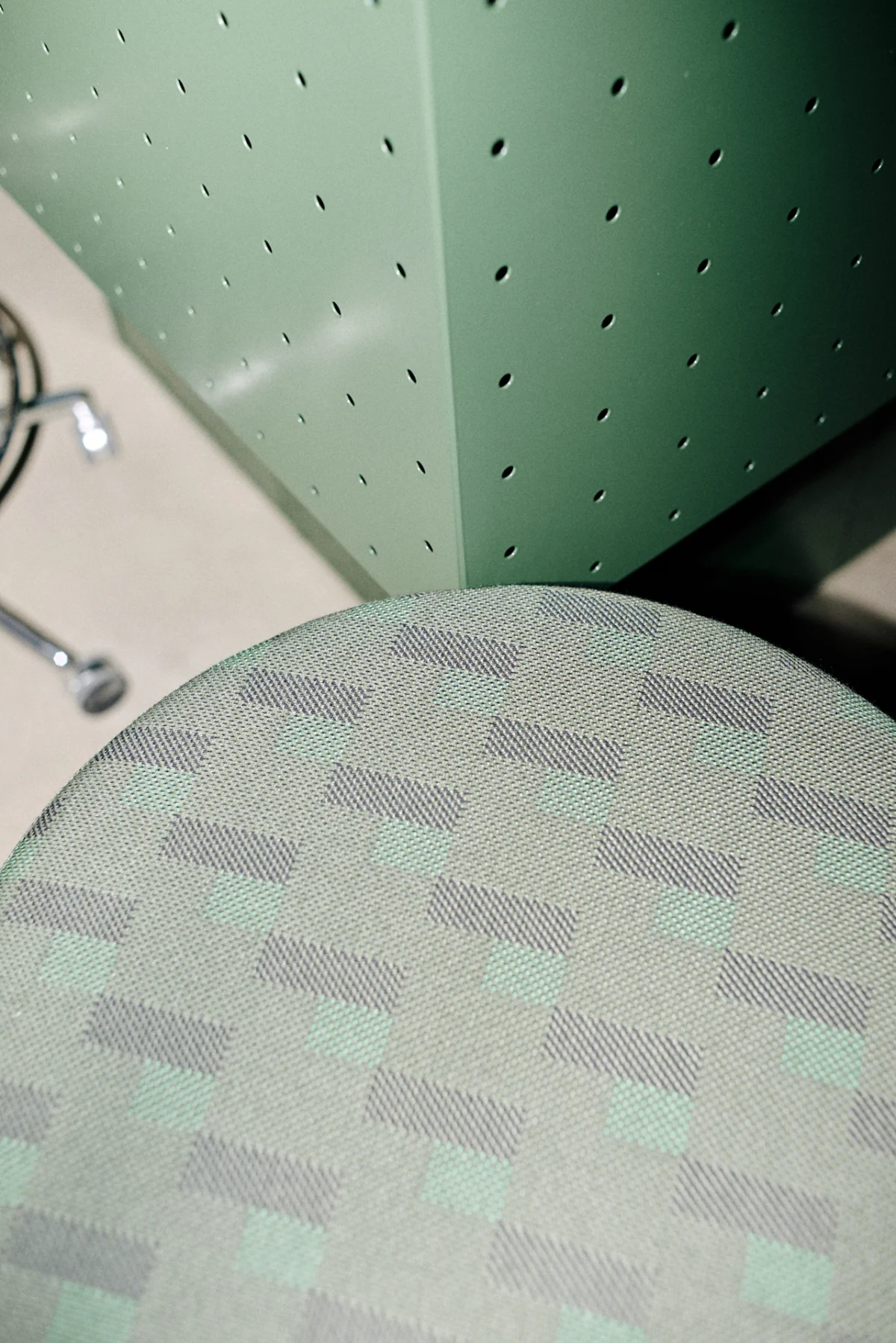
The annual design calendar is undeniably saturated with various well-entrenched events taking place across the globe almost every other week. For decades, traditional convention center-beholden trade fairs have largely operated along the same lines, presenting a familiar, if often underwhelming, experience for visitors. These cavernous, poorly lit, and often badly insulated voids typically feature endless rows of white cube booths and narrow, overcrowded passageways. The fundamental proposition remains straightforward: to gather a wide array of brands, each specializing in different types of design products, under a single roof. However, this long-standing model is increasingly being questioned for its efficacy, engagement, and overall value proposition in a rapidly evolving design landscape.

For well over a decade now, a growing number of exhibitors have sought to break free from these conventional confines. They have increasingly opted to showcase their work within offsite city-center showrooms, welcoming visitors in a more intimate and impromptu fashion. These alternative formats, rather than being strictly opposing, have emerged as complementary additions, becoming the norm at major international happenings such as Milan Design Week, New York Design Week, and 3 Days of Design in Copenhagen. This hybrid approach has allowed brands to offer a more curated and contextualized experience, moving beyond mere product display to foster genuine interaction. Yet, until recently, no single initiative had truly challenged the fundamental duality of these two exhibition models or proposed a comprehensive alternative.

A Forced Innovation: Stockholm’s Design Scene Pivots

The impetus for a more radical shift came unexpectedly to the thriving Stockholm design scene. Often perceived to be in the shadow of its boisterous Danish capital counterpart to the south, Copenhagen, Stockholm’s annual design week and furniture fair faced an unprecedented cancellation this year. This decision, while initially met with chagrin, ultimately catalyzed a powerful wave of innovation within the city’s independent design community. Instead of passively accepting this fate, Stockholm’s small but internationally impactful crop of independent studios and manufacturers collectively mounted a series of more informal and scrappy happenings. The inherent nature of these industriously collective efforts resulted in a program that, though not necessarily centrally aligned, felt profoundly more authentic. The exchange fostered was less prescriptive, offering a fresher and more honest dialogue between creators, industry professionals, and the public. This demonstrated a remarkable resilience and a proactive approach to adversity, positioning Stockholm at the forefront of rethinking design presentation.

The cancellation highlighted several critical issues plaguing traditional large-scale events, including their substantial logistical complexity, environmental footprint, and often prohibitive costs for smaller, independent studios. It underscored a growing sentiment that the return on investment, both financial and experiential, for these mega-fairs was diminishing. The spontaneous, decentralized response in Stockholm became a testament to the creative community’s ability to adapt and innovate when traditional avenues are closed, revealing a latent demand for more meaningful and accessible platforms. This unforeseen turn of events provided fertile ground for experimental models to flourish, challenging the established norms and paving the way for initiatives that prioritized substance over spectacle.

Form Us With Love’s "Testing Grounds" Showroom: A New Paradigm for Engagement

One such pioneering endeavor was the "Testing Grounds Showroom" project, spearheaded by local powerhouse industrial design practice Form Us With Love (FUWL). Renowned for its commitment to sustainable and innovative design solutions, FUWL seized the opportunity to not only fill a void left by the fair’s cancellation but to fundamentally re-assess the efficacy of the showroom model, as well as the larger fair format itself. Their vision was to create a dynamic, long-term platform for collaboration, experimentation, and genuine engagement.

FUWL’s "Testing Grounds" is not merely an exhibition; it is a living laboratory designed to push the boundaries of how design products are presented, understood, and ultimately integrated into real-world applications. By bringing together various local and international industry players, the studio aimed to demonstrate the power of synergy and contextualized display. For this groundbreaking initiative, FUWL collaborated with five distinct but complementary brands: Dutch textile producer BYBORRE, Swedish acoustics company BAUX, modular storage system brand String, office chair maker Savo, and French sustainable flooring manufacturer Tarkett. Each collaboration was focused on developing and showcasing new concepts, moving beyond individual product launches to present integrated solutions.

The "Testing Grounds" showroom launched in February 2026 and is slated to run through the end of May 2026, extending for a remarkable four months. This duration dramatically surpasses that of any typical design fair, which usually lasts only a few days or a week, and even exceeds the timeframe of conventional gallery exhibitions. This extended period is central to FUWL’s vision, championing a hyper-contextualized approach that puts these complementary solutions to the test in a sincerely demonstrative fashion.

Deepening Engagement: Beyond the White Cube

The prolonged showcase allows "vested visitors"—architects, designers, buyers, and enthusiasts—to slow down, truly engage with the concepts, and critically assess the offerings. In the fleeting environment of a traditional fair, where myriad new releases are disassociatively exhibited across a sprawling convention center, deep engagement is often sacrificed for sheer breadth of exposure. Visitors are typically overwhelmed, rushing from booth to booth, absorbing information superficially. "Testing Grounds," by contrast, encourages a more deliberate and immersive experience, fostering a deeper understanding of product integration and performance.

For instance, rather than merely displaying a fabric sample, BYBORRE’s textiles might be integrated into functional furniture pieces or acoustic panels developed with BAUX, showcasing their tactile qualities, durability, and acoustic properties in a realistic setting. String’s modular systems could be configured to create dynamic workstations featuring Savo’s ergonomic chairs, all grounded by Tarkett’s sustainable flooring solutions. This holistic presentation allows visitors to envision how these elements interact and perform within a complete interior environment, enabling them to make more informed and substantive critical assessments. The emphasis shifts from "what is new?" to "how does it work and why does it matter?"

A Platform for Dialogue and Education: The Workshop Series

Tying everything together and further distinguishing "Testing Grounds" from conventional exhibitions is a series of live event workshops that push far beyond the typical panel talk format. These carefully coordinated programs are earnestly addressing the main question of "what a showroom is today" through a wide variety of lenses. This educational component underscores FUWL’s commitment to fostering a deeper industry dialogue and equipping professionals with practical knowledge.

Topics covered in these workshops are highly relevant to contemporary design and production challenges. For example, sessions on "color accuracy in digital workflows" address a critical concern in an increasingly digital design and manufacturing ecosystem, where precise color representation across various platforms and materials is paramount. Another workshop exploring "the role sound technology plays in communicating brand value" delves into the often-underestimated impact of acoustics on user experience and brand perception, particularly pertinent in the design of modern workspaces and public environments. Perhaps most significantly, workshops focusing on "how showrooms themselves can become the most effective devices for decision making" directly challenge the traditional passive display model, advocating for interactive, data-driven, and experience-rich environments that actively facilitate client choices.

These workshops transform the showroom into an active learning and co-creation space. They provide opportunities for participants to engage directly with experts, ask questions, and even contribute to ongoing discussions about the future of design and its presentation. This active participation fosters a sense of community and shared purpose, further enhancing the authenticity of the "Testing Grounds" experience.

Broader Implications and the Future of Design Events

Form Us With Love’s "Testing Grounds Showroom" presents a compelling case for a new direction in the design exhibition industry. By creating a sustained, contextualized, and interactive platform, it effectively challenges the long-standing duality of fleeting trade fairs and static offsite showrooms. This model offers significant advantages for both exhibitors and visitors.

For brands, the extended duration allows for a more sustained engagement with potential clients, fostering deeper relationships and providing valuable feedback loops for product development. It also offers a more cost-effective and sustainable alternative to the repeated construction and deconstruction of elaborate fair booths, which often generate considerable waste. By presenting products as integrated solutions rather than isolated objects, brands can better communicate their values, innovations, and the practical benefits of their offerings. This collaborative ecosystem also enables cross-promotion and the creation of comprehensive design narratives that are difficult to achieve in fragmented fair environments.

For visitors, the "Testing Grounds" model provides a richer, more insightful experience. The ability to revisit, engage with experts, and participate in workshops transforms a passive viewing into an active learning process. This deep immersion facilitates better decision-making for professionals sourcing products for projects, allowing them to assess not just aesthetics but also functionality, sustainability, and integration potential. The emphasis on real-world application and holistic solutions resonates with a growing demand for thoughtful, long-term design investments.

Moreover, this initiative underscores a critical shift towards sustainability within the design industry. By reducing the reliance on ephemeral, resource-intensive trade fair setups and promoting a longer-term, integrated exhibition model, "Testing Grounds" aligns with broader environmental goals. The focus on collaborative innovation with brands like Tarkett, a leader in sustainable flooring, further reinforces this commitment.

The cancellation of Stockholm Design Week and Furniture Fair, while initially a setback, has ultimately provided the Swedish capital’s design community with an opportunity to demonstrate remarkable adaptability and foresight. Form Us With Love’s "Testing Grounds Showroom" stands as a testament to this resilience, positioning Stockholm as a hub for experimental and forward-thinking design presentation. It serves as a powerful blueprint for how design events can evolve to become more relevant, engaging, and sustainable in the 21st century. Industry analysts are likely to closely observe the outcomes of this extended showcase, as it offers a viable and potentially transformative model for future design exhibitions worldwide.

To learn more about the pioneering brand and its innovative projects, visit formuswithlove.se.

Photography Courtesy of Form Us With Love.







