
 Ali Ikhwan
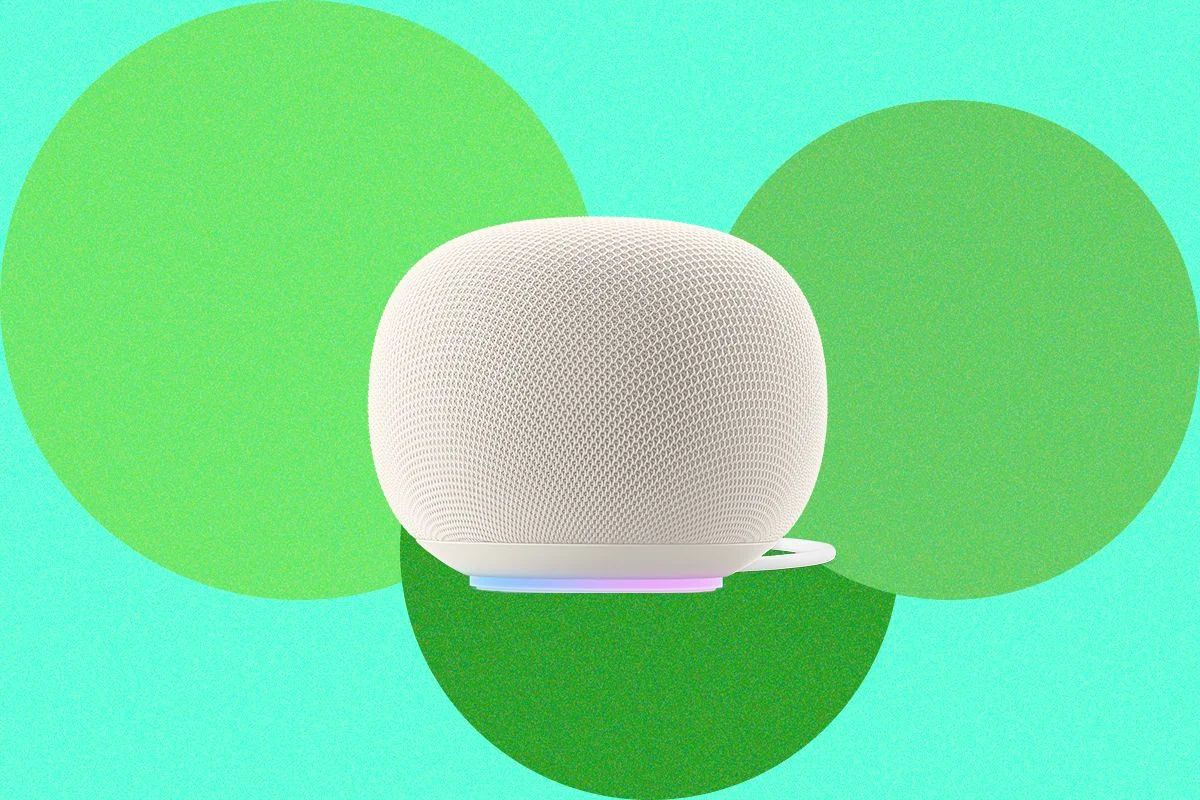
The rapid proliferation of Internet of Things (IoT) devices in the modern household has ushered in a new era of convenience, but recent reports indicate that this interconnected ecosystem may carry hidden costs. Google Home users recently encountered a significant technical anomaly where their smart speakers consumed staggering amounts of data—in some documented instances, reaching upwards of 3 terabytes over a mere two-week period. This unprecedented bandwidth consumption, which far exceeds the typical operational requirements of voice-controlled assistant hardware, has raised urgent questions regarding device maintenance, software update protocols, and the transparency of background data processes in consumer electronics.
The incident first gained public attention through reports on platforms such as Reddit, where users expressed alarm over unexplained spikes in their home network traffic. These findings were corroborated by technical analysis from publications such as 9to5Google, which highlighted that the Gemini-powered Google Home series was aggressively downloading massive quantities of data. For a standard household, 3 terabytes of data is a substantial figure; to put this into perspective, such volume could account for the streaming of hundreds of hours of 4K ultra-high-definition video or the downloading of thousands of high-resolution video games. When an ambient device like a smart speaker—which usually relies on small packets of data for voice processing and routine check-ins—suddenly requires the bandwidth of a high-end workstation, it points to a critical failure in the automated update infrastructure.
Chronology of the Anomaly
The timeline of the event suggests a sustained period of irregular activity beginning in mid-October 2026. Users began noticing sluggish internet speeds and, in some cases, warnings from their internet service providers (ISPs) regarding data cap thresholds. By October 19, 2026, technical community forums were saturated with screenshots from router dashboards showing individual Google Home units registering hundreds of gigabytes of usage within ten-day windows. One affected user reported that their device had consumed 487 GB in just over a week, a figure that eclipsed their household’s cumulative data usage for the entire months of August and September combined.
Google’s engineering teams were alerted to the situation following the widespread social media discourse. By the third week of October, the company acknowledged the existence of a server-side misconfiguration. According to a statement provided by a Google spokesperson, the issue was identified as a glitch in the software distribution pipeline, which triggered a recursive loop, causing affected devices to repeatedly attempt and complete the same firmware update. While the company confirmed that a corrective patch had been deployed to resolve the communication error between the server and the hardware, the incident left many users questioning the lack of fail-safes for such bandwidth-heavy processes.
Technical Context and Device Behavior
The technical implications of this event are twofold: the immediate impact on household network congestion and the long-term concerns regarding device transparency. Smart speakers are designed to maintain a "listening" state, processing small amounts of metadata to identify wake words. They are not intended to be high-throughput devices. When a server-side error mandates that a device download massive update packages continuously, it creates a "denial-of-service" effect for the rest of the home network.

Furthermore, this incident has encouraged a broader audit of domestic data consumption. When homeowners began investigating their network logs, many discovered that their smart speakers were not the only devices exhibiting anomalous patterns. For instance, reports surfaced regarding secondary IoT devices, such as smart smoke detectors and unidentifiable hardware labeled only as "WATCH" on network maps, consuming dozens of gigabytes in a single week. These findings suggest that the "black box" nature of modern smart home devices remains a significant hurdle for the average consumer. Without granular visibility into what data is being transmitted—and why—users are often left in the dark until they hit a billing cycle threshold or experience a severe degradation in service quality.
Official Responses and Corporate Accountability
Google’s prompt admission of the server misconfiguration is standard practice for major technology firms, but the incident highlights a critical vulnerability in the "set it and forget it" model of smart home management. By pushing updates silently in the background, manufacturers assume that users have unlimited data plans or, at the very least, enough bandwidth to absorb these errors. For consumers in rural areas or regions with strict data caps, such a mistake could result in significant financial penalties from ISPs.
While Google has stated that the issue is resolved, the company has not yet provided information on whether it will offer restitution to users who exceeded their data caps as a direct result of the bug. This lack of clear compensation policy remains a point of contention among power users and privacy advocates who argue that manufacturers should be held liable for the collateral costs of their software errors.
Methods for Monitoring and Mitigation
For those concerned about their own network integrity, the incident serves as a wake-up call to utilize the monitoring tools available to them. Modern routers are increasingly capable of providing device-level data tracking, though access to this information often depends on the manufacturer’s software policy.
-
Router-Level Analysis: High-end mesh systems, such as those produced by Asus, often include built-in traffic analyzers that allow users to view data consumption per device without a subscription. Conversely, brands like Netgear may restrict detailed breakdown metrics to aggregate traffic, requiring users to dive into the web interface rather than relying on mobile applications to see specific device behaviors.
-
ISP-Provided Portals: Most major internet service providers now offer a mobile app or a customer dashboard that displays real-time data usage. While this rarely provides the depth of a professional packet analyzer, it is the most reliable way to monitor for spikes in total household consumption.

-
The "Unplug" Strategy: In the event of an unidentified network drain, the most effective, albeit inconvenient, troubleshooting step remains the physical disconnection of suspected devices. If bandwidth speeds stabilize after a device is powered down, the culprit is confirmed.
Broader Implications for the Smart Home Industry
The Google Home incident is a microcosm of the risks inherent in the rapid adoption of IoT technology. As homes become increasingly "smart," the complexity of the underlying software increases, and with that complexity comes the risk of systemic failure. When a single update loop can consume terabytes of data, it highlights that the industry is still maturing in its approach to bandwidth management.
Moving forward, industry analysts suggest that manufacturers must implement better "guardrails" for background updates. These could include:
- Rate-limiting update attempts for devices that have already received a patch.
- Implementing "low-priority" bandwidth queues that ensure smart home updates do not interfere with high-bandwidth activities like streaming or remote work.
- Greater transparency in the device management apps, providing users with a clear "Data History" log for each individual device.
As the lines between personal computing and ambient home assistance continue to blur, the responsibility for maintaining a stable network environment is shifting. While companies like Google hold the keys to the servers that dictate device behavior, the consumer is the one who bears the burden of the consequences. Moving into 2027, it is likely that router manufacturers and smart home companies will face increased pressure to provide more robust, user-friendly tools that allow for the auditing of device behavior, ensuring that the "smart" home remains a convenience rather than a source of hidden technical frustration.
Conclusion
The 3-terabyte anomaly underscores the necessity for vigilance in managing the modern smart home. While Google has corrected the specific bug that plagued their Home speakers, the event has effectively exposed the lack of oversight many users have over their own domestic networks. By taking the time to monitor device activity and utilizing the administrative tools provided by routers and ISPs, users can better protect their networks from similar incidents. As the IoT landscape continues to expand, the ability to identify, isolate, and address such data-draining errors will become an essential skill for the digitally integrated household. For now, the takeaway is clear: in a world of automated updates and background processes, it pays to check the logs.