Muhammad Hendra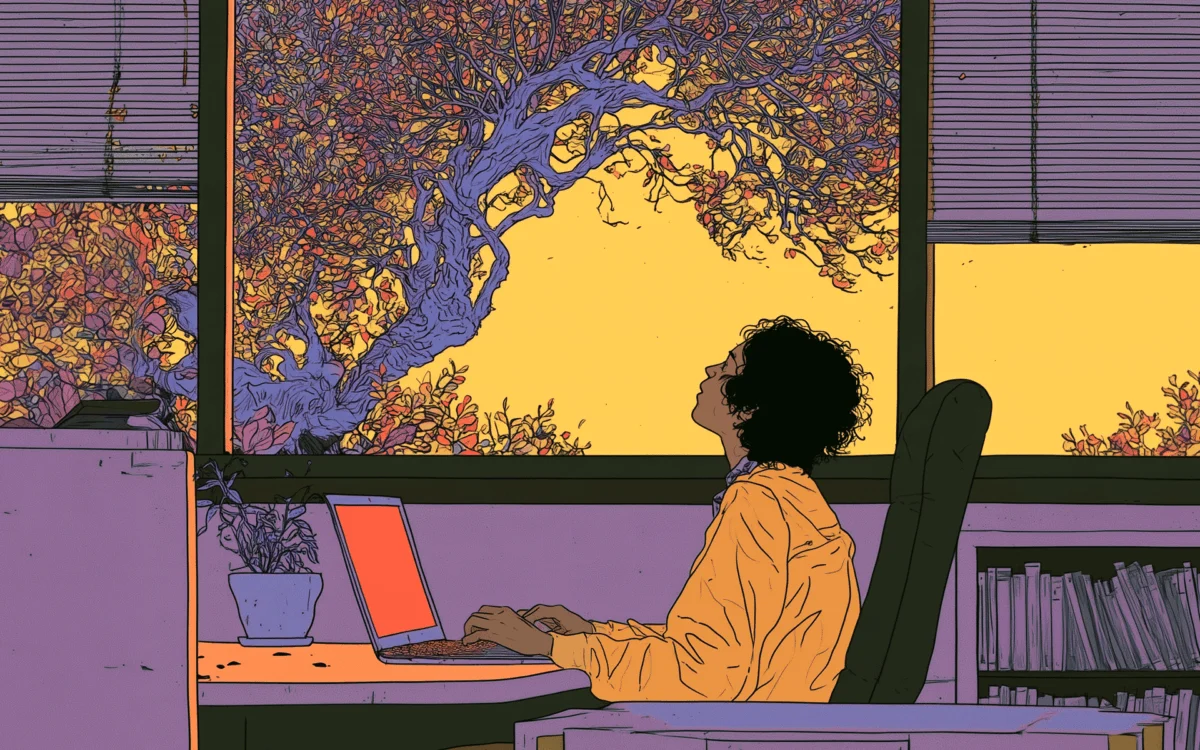
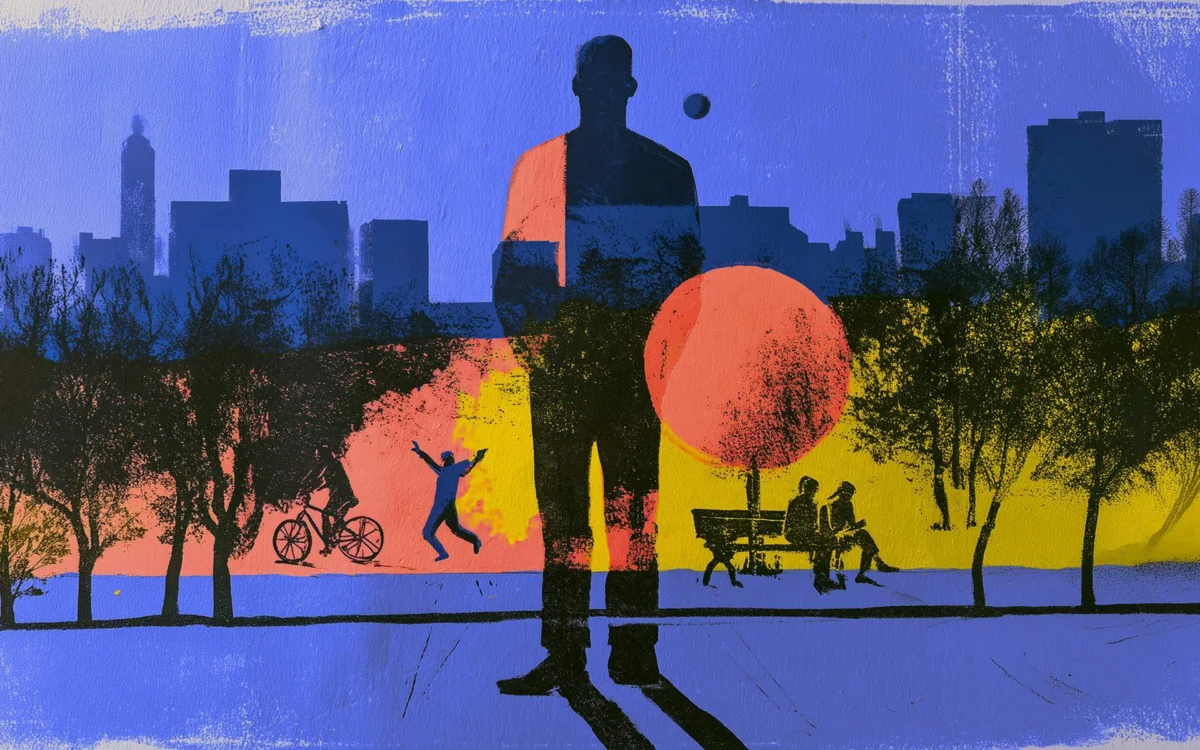
Look up from your screen right now. Do you see a tree, a potted desk plant, or any living organism other than a fellow human being? Can you open a window and inhale a deep breath of genuinely fresh, unconditioned air? For millions of urbanites worldwide, the answer is a resounding no. Modern existence is increasingly defined by recycled air from centralized ventilation systems, endless stretches of concrete, and a heavy reliance on artificial lighting and digital displays. As humanity marches deeper into the largest wave of urbanization in recorded history, public health experts are raising alarms about a widespread psychological and physiological phenomenon: the modern nature deficit.
According to demographic data from the United Nations and global urban planning agencies, over half of the global population now resides in urban centers, with industrialized nations like the United States seeing urban concentrations climb even higher. Public health studies, including prominent research highlighted by medical professionals and psychological researchers, indicate that the average American now spends approximately 90 percent of their life indoors. This dramatic departure from the evolutionary conditions that shaped human physiology for millennia has triggered a cascade of unintended health consequences, leaving contemporary society more stressed, less joyful, and psychologically strained.
The Evolutionary Mismatch: Understanding Biophilia and Urbanization
The disconnect between modern living environments and human biological needs has been a subject of intense scientific inquiry for decades. Author Richard Louv popularized the term “nature-deficit disorder” to describe the behavioral and psychological toll of human alienation from the natural world. Louv posits that industrialized societies cannot suddenly divorce themselves from the natural ecosystems that sustained human evolution without incurring severe psychological and physical repercussions.
This perspective is reinforced by the foundational work of sociobiologist Edward O. Wilson, who introduced the concept of "biophilia." Wilson defined biophilia as the innate, genetically determined emotional affinity that human beings harbor for other living organisms and natural systems. Modern neuroscience and environmental psychology have consistently validated Wilson’s hypothesis. Contemporary researchers, such as environmental psychologist Gregory Bratman, have demonstrated through empirical studies that even brief, highly controlled exposures to green spaces can significantly lower cortisol levels, stabilize heart rates, reduce anxiety, support cognitive attention restoration, and elevate overall mood.
Bratman and his contemporaries emphasize a fundamental biological reality: human brains and nervous systems evolved within complex natural settings—such as forests, savannas, and coastlines—rather than inside concrete canyons, chaotic traffic jams, and hermetically sealed office towers. Because evolutionary adaptation occurs over vast expanses of time, human biology has not kept pace with the rapid, industrial transformation of the global environment. Consequently, the human nervous system continues to signal an innate, biological requirement for nature.
Historical Context and the Evolution of the Green Urban Movement
The systematic separation of human populations from nature accelerated dramatically during the Industrial Revolution of the 18th and 19th centuries, as agrarian societies transitioned into factory-driven urban economies. Parks were initially introduced to industrial cities as hygienic buffers against disease and pollution rather than psychological sanctuaries. However, as 20th-century urban sprawl consumed remaining greenbelts, the architectural and urban planning paradigms shifted toward utilitarian development, prioritizing vehicular traffic and commercial density over ecological integration.
By the late 20th and early 21st centuries, urban planners, landscape architects, and conservation biologists began advocating for a restorative counter-movement. Recognizing the severe toll of urban stress, professionals began retrofitting concrete environments with intentional green spaces, pocket parks, and biophilic architectural designs. These modern interventions serve as vital ecological bridges, reintroducing the natural world into the daily routines of city dwellers who cannot easily escape to rural landscapes.
Practical Interventions: Reintegrating Nature into Daily Urban Life
Despite the prevailing dominance of urban landscapes, researchers and environmentalists emphasize that individuals do not need to relocate to rural cabins or lakeside retreats to reap the psychological benefits of the natural world. Even within densely populated metropolitan centers, urban residents can establish meaningful, low-barrier daily rituals that restore contact with living ecosystems. Experts recommend three primary pathways for bridging the urban-nature divide:
1. Establishing a Dedicated Relationship with a Single Natural Phenomenon
Observational consistency can profoundly alter an individual’s perception of the urban environment. Biologist David Haskell, a professor at the University of the South in Sewanee, Tennessee, documented the psychological and sensory shifts of prolonged ecological observation in his seminal book, The Forest Unseen: A Year’s Watch in Nature. Haskell spent a full year visiting a single square meter of old-growth forest daily, recording the minute interactions of flora, fauna, and soil chemistry.
Haskell’s research demonstrates that intensive, repeated attention to a localized natural patch shatters the artificial psychological boundary separating humans from nature. For urban residents who lack access to old-growth forests, Haskell recommends adopting a localized substitute—such as a single neighborhood tree, a community park, or a recurring flock of urban birds. Commuters who regularly check in on the seasonal changes, bark texture, and wildlife interactions of the sole tree on their city block often report higher levels of environmental connectedness than rural residents who take their surroundings for granted.
2. Utilizing Restorative Urban Green Spaces
Urban landscape architecture has increasingly prioritized the creation of designated restorative zones designed to interrupt the sensory overload of city life. Notable examples include the Elizabeth and Nona Evans Restorative Garden within the Cleveland Botanical Garden, designed by landscape architect David Kamp. Conceived as an intentional oasis of calm, the garden utilizes distinct sensory zones, aromatic plant walks—such as the tactile Basil Walk—and spatial zoning to encourage visitors to pause and recalibrate their cognitive frameworks.
The success of these localized interventions has influenced commercial and municipal real estate developments nationwide. Urban planners have successfully replicated similar pocket-park models in high-density commercial hubs, such as New York City’s Rockefeller Center channel gardens. These controlled green pockets act as physiological charging stations for the human nervous system, offering immediate reprieves from noise pollution, architectural density, and hyper-paced schedules.
3. Engaging in Tactile Soil Interaction
Kinesthetic connection with earth provides one of the most primal pathways for mitigating urban stress. Urban agriculture initiatives, rooftop farming projects, and community gardens—such as Little City Gardens in San Francisco—have demonstrated that municipal residents fiercely value the opportunity to work directly with topsoil. Horticultural therapy and community gardening programs highlight that the psychological rewards of urban farming extend far beyond the literal harvest. Digging, planting, weeding, and seed germination trigger deep-seated evolutionary memories, fostering intergenerational community bonds and lowering systemic anxiety through direct physical engagement with the earth.
Fact-Based Analysis of Implications and Public Health Outcomes
The growing body of research surrounding nature deficits and biophilic recovery carries profound implications for public health policy, workplace design, and urban planning. As healthcare systems globally grapple with rising rates of chronic stress, anxiety disorders, and burnout, policymakers are increasingly viewing urban green infrastructure not merely as an aesthetic amenity, but as a critical preventative healthcare measure.
- Healthcare Cost Reduction: Urban planning models that integrate accessible green spaces correlate with measurable decreases in stress-related primary care visits and pharmacological interventions for anxiety and depression.
- Cognitive Enhancement: Workplace environments incorporating biophilic design principles—such as natural lighting, interior plant life, and views of vegetation—demonstrate statistically significant improvements in employee productivity, attention retention, and job satisfaction.
- Urban Heat Island Mitigation: Expanding urban canopy coverage and community gardens simultaneously combats the ecological dangers of urban heat islands while fostering community resilience and biodiversity.
Official Responses and Municipal Policy Shifts
Municipal governments worldwide are responding to environmental psychology data by codifying green infrastructure mandates into zoning laws. Major metropolitan areas in Europe, North America, and Asia have begun implementing mandatory green-roof policies, urban tree-planting quotas, and pedestrian-only thoroughfares designed to maximize citizen exposure to flora and fauna.
Urban planners emphasize that these initiatives require sustained capital investment and cross-sector collaboration between public health agencies, real estate developers, and municipal transit authorities. By treating nature as an essential public utility rather than an optional luxury, cities can mitigate the hidden psychological costs of urbanization.
Conclusion: A Sustainable Path Forward
Reconnecting with the natural world does not require dramatic life overhauls or extensive time commitments. Clinical and behavioral data indicate that consistent, micro-doses of nature—ranging from ten to twenty minutes spent in a neighborhood park, drinking morning coffee beside an open window, or tending to a single potted balcony plant—can effectively reset an overstimulated nervous system.
Ultimately, these routine practices serve as gentle reminders of an immutable biological truth: human beings remain intrinsically linked to the living earth. By consciously weaving small moments of ecological awareness into daily urban routines, individuals can bridge the modern divide, fostering greater psychological resilience and a deeper appreciation for the natural environment that sustains human life.
(Note: This article is intended for general informational and inspirational purposes. Individuals experiencing chronic mental health challenges or severe psychological distress should consult a qualified healthcare professional. While environmental engagement serves as a powerful preventative and supportive tool, it is not a substitute for clinical medical care.)
Frequently Asked Questions (FAQ) Reconnecting With Nature in Everyday Life
How much time do I need to spend in nature to experience measurable benefits?
Empirical studies suggest that brief, consistent exposures yield significant positive results. Spending as little as 10 to 20 minutes within a green or natural space can lower cortisol levels, reduce blood pressure, and improve mood. Regularity is paramount; brief, daily contact with nature is far more effective for long-term psychological wellbeing than sporadic, extended trips once or twice a year.
What strategies can I use if I reside in a densely built metropolis with minimal park access?
When expansive parks are unavailable, individuals can leverage localized micro-environments. A single street tree, a building courtyard, an accessible rooftop, a residential balcony, or even an unobstructed view of the sky from an apartment window can serve as a focal point. Reconnecting with nature relies as heavily on the quality of mindful attention as it does on the physical volume of green foliage present.
I do not consider myself an outdoorsy person. Can I still benefit from these practices?
Yes. Biophilic engagement does not require strenuous outdoor activities, mountaineering, or camping. Passive, low-exertion practices—such as sitting quietly beneath a tree, tending to indoor houseplants, or listening to urban birdlife—are entirely sufficient to trigger relaxation responses. Individuals are encouraged to start with activities that feel comfortable and familiar.
How can I manage my time constraints when trying to incorporate nature into a busy schedule?
Urban residents can seamlessly integrate nature into pre-existing daily routines without adding administrative friction to their days. Effective strategies include:
- Selecting a slightly greener, tree-lined walking route during daily commutes.
- Consuming morning beverages near an open window or on a porch.
- Pausing to take three intentional, mindful breaths whenever passing a plant or tree during the workday.
Is it possible to practice nature connection during inclement or unfavorable weather conditions?
Adverse weather conditions do not preclude ecological engagement. Observing precipitation through a window, listening to wind patterns, monitoring shifting cloud formations, or stepping outdoors briefly with appropriate apparel allows individuals to experience the full spectrum of natural seasonal cycles. Nature encompasses all climatic variations, and observing weather phenomena can be deeply grounding.