Angie Faith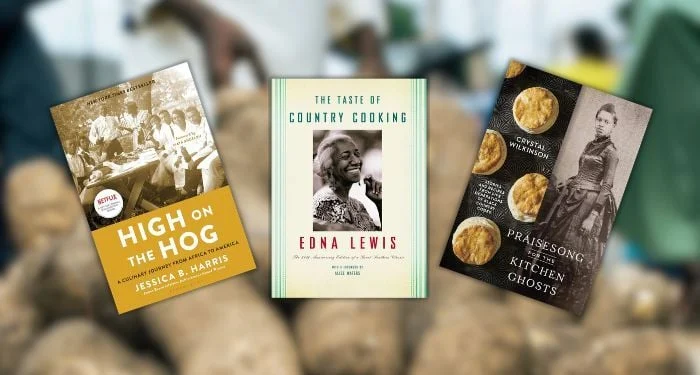
A comprehensive education on American culinary traditions necessitates a deep dive into African American foodways. It is a fundamental truth that no single culture defines the vast and varied landscape of American cuisine. From the agricultural foundations laid by Indigenous peoples to the diverse ingredients introduced by immigrants seeking a taste of their homelands, the tapestry of American recipes is woven from a global palette. This exploration focuses on three seminal books that illuminate the history, traditions, and enduring legacy of African American food and foodways, revealing how these elements have profoundly shaped the nation’s culinary identity. These works go beyond mere recipe collections, serving as historical narratives that trace the journey of foods and culinary practices from enslaved Africans to the generations that followed, solidifying their indelible place in the American gastronomic narrative.
The Enduring Legacy of High on the Hog
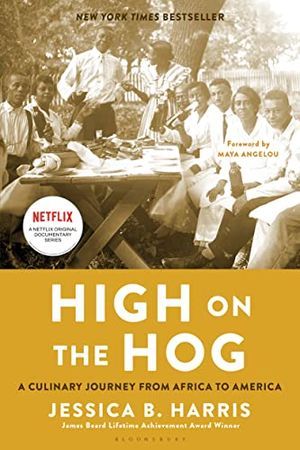
Jessica B. Harris’s High on the Hog: A Culinary Journey From Africa to America stands as a cornerstone in understanding the origins and evolution of African American cuisine. The book, and its acclaimed Netflix adaptation, powerfully illustrate that the story of African American food is inextricably linked to the brutal history of slavery. Harris, a renowned food historian and author, meticulously traces culinary connections from the markets of West Africa and the Caribbean to the plantations of the American South, culminating in the vibrant kitchens and restaurants of African Americans throughout history.
The narrative begins with the forced migration of enslaved Africans, carrying with them not only their resilience but also their agricultural knowledge and culinary traditions. Crops like rice, yams, and okra, which became staples in the American South, were introduced or cultivated through the expertise of enslaved Africans. The book details how these foundational elements, combined with the ingenuity and resourcefulness born out of necessity, formed the basis of what would become recognized as Southern cuisine, a significant subset of African American foodways. Harris’s research highlights the sophisticated cooking techniques and flavor profiles that enslaved people brought with them, adapting them to the ingredients available in their new environment.

High on the Hog emphasizes that understanding African American cuisine requires acknowledging the historical context of its creation. The economic and social structures of slavery meant that enslaved people often had to make do with limited resources, transforming humble ingredients into nourishing and flavorful meals. This period forged a culinary heritage characterized by innovation, resilience, and the art of making the most of what was available. Harris’s expansive and beautifully written account provides a critical lens through which to view this history, moving beyond simplistic portrayals to reveal the complex interplays of culture, survival, and culinary artistry. The book’s structure, which often presents historical context before delving into recipes, ensures that readers grasp the depth of meaning behind each dish. This approach has been instrumental in raising awareness and appreciation for the contributions of African Americans to the American culinary landscape.
Edna Lewis: A Culinary Matriarch and The Taste of Country Cooking
The work of Edna Lewis, a celebrated chef and cookbook author, offers another vital perspective on African American food traditions. Her seminal book, The Taste of Country Cooking, which recently celebrated its 50th anniversary, is a testament to her lifelong dedication to preserving and celebrating the culinary heritage of the rural South. Lewis, who grew up in Freetown, Virginia, a community founded by formerly enslaved people, infused her cooking with the flavors and traditions of her upbringing.
The Taste of Country Cooking is more than a collection of recipes; it is a deeply personal memoir that intertwines Lewis’s life experiences with the seasonal rhythms of food preparation and consumption. The book beautifully captures the essence of Southern cooking, emphasizing fresh, seasonal ingredients and the communal joy of sharing meals. Lewis’s ability to evoke the sensory experience of food, from the aroma of yeast rolls baking to the sweetness of brandied peaches, makes her writing particularly evocative.
The organization of recipes by season—offering menus for "An Early Summer Breakfast" or "Sunday Revival Dinner"—underscores the agricultural connection to food and the importance of tradition in African American communities. These seasonal menus reflect a way of life deeply attuned to the land and the cycles of nature. Lewis’s culinary philosophy championed the idea that good food is not just about sustenance but also about connection, memory, and heritage. Her work has inspired countless chefs and home cooks, solidifying her status as a culinary icon whose influence continues to resonate. The book’s enduring popularity highlights a growing appreciation for the sophisticated and nuanced contributions of African American cooks to American gastronomy.
Praisesong for the Kitchen Ghosts: Unearthing Black Appalachian Foodways
Crystal Wilkinson’s Praisesong for the Kitchen Ghosts: Stories and Recipes From Five Generations of Black Country Cooks sheds light on a less-explored but equally significant aspect of African American culinary heritage: Black Appalachian foodways. Wilkinson’s work is a heartfelt tribute to her ancestors and the rich, complex culture of Black communities in the Appalachian region. The book masterfully blends personal narrative, family history, and a collection of recipes that showcase the unique culinary traditions of this often-overlooked region.
Wilkinson’s narrative invites readers into the world of her family, detailing their lives and their connection to the land. She highlights the resourcefulness and ingenuity of Black Appalachian cooks who utilized the bounty of the mountains, from foraged wild greens to garden vegetables and locally raised meats. The book features recipes for familiar Southern dishes, such as chicken and dumplings, alongside innovative preparations that reflect the specific ingredients and cooking styles of the region.
A particularly poignant aspect of Praisesong for the Kitchen Ghosts is Wilkinson’s portrayal of her childhood experiences, including foraging for wild greens with her grandmother. These anecdotes not only provide a glimpse into traditional food gathering practices but also emphasize the intergenerational transmission of culinary knowledge. The book’s inclusion of family photographs further enhances its evocative power, creating a visual narrative that complements the written word. Wilkinson’s work is crucial in bringing attention to the existence and richness of Black Appalachian foodways, challenging stereotypes and expanding the understanding of the diversity within African American cuisine. By documenting these traditions, she ensures their preservation and celebrates the cultural contributions of Black people in Appalachia.
The Broader Significance of These Culinary Narratives
These three books, while distinct in their focus and narrative style, collectively underscore the profound and multifaceted contributions of African Americans to the American culinary landscape. They move beyond the perception of African American food as solely a component of Southern cuisine, revealing its broader geographical reach and historical depth.

The impact of these works extends beyond the realm of gastronomy. They serve as critical historical documents, offering insights into the social, economic, and cultural forces that have shaped American life. The resilience, creativity, and enduring spirit of African Americans are vividly illustrated through their food traditions, providing a powerful lens through which to understand the broader arc of American history.
Furthermore, these books play a vital role in combating culinary erasure and promoting a more inclusive understanding of American identity. By highlighting the origins and evolution of African American foodways, they challenge dominant narratives and acknowledge the diverse influences that have contributed to the nation’s culinary richness. The continued popularity and critical acclaim of these books suggest a growing public appetite for authentic and historically grounded narratives about food and culture.
The implications of understanding these foodways are far-reaching. It fosters a greater appreciation for the cultural heritage of African Americans, encourages culinary innovation rooted in tradition, and promotes a more equitable and comprehensive understanding of American history. As these books continue to be read and shared, they contribute to a richer, more nuanced, and more inclusive national conversation about food, culture, and identity. They serve as essential guides for anyone seeking to understand the true breadth and depth of American cuisine, revealing how the flavors of Africa, the ingenuity of enslaved people, and the enduring traditions of generations have woven themselves into the very fabric of the nation’s table.