Indra Kusuma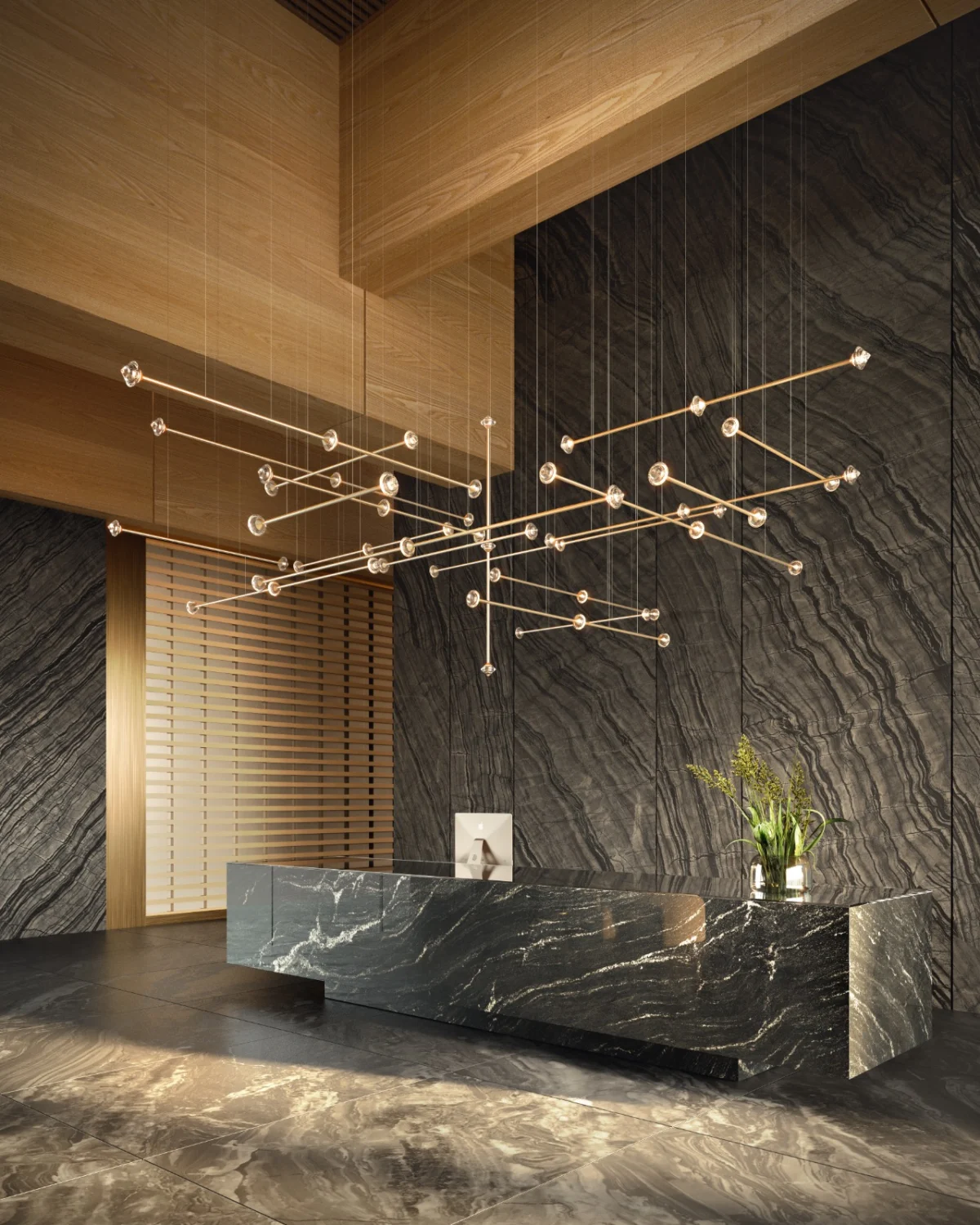
Every design professional relates to the persistent dilemma: a fully custom light installation serves as the crown jewel of a space, yet it is often shadowed by the pragmatic concerns of ballooning budgets, protracted lead times, and the inherent risks of bespoke fabrication. Conversely, standard inline fixtures offer a streamlined, low-risk path to illumination, yet they frequently fail to provide the aesthetic gravity or unique cachet required for high-end interior architecture. Preciosa Lighting has sought to reconcile this dichotomy through its Signature Designs, a portfolio engineered to bridge the chasm between pure custom artistry and modular, reliable implementation.
The Evolution of the Signature Design Concept
The modern architectural landscape demands a synthesis of form and function that traditional off-the-shelf lighting often fails to meet. As projects become increasingly complex—spanning luxury residential penthouses, sprawling hospitality lobbies, and high-performance commercial environments—designers have historically faced a binary choice: sacrifice the original vision to fit a standard catalog item, or invest heavily in the logistical overhead of a fully custom piece.
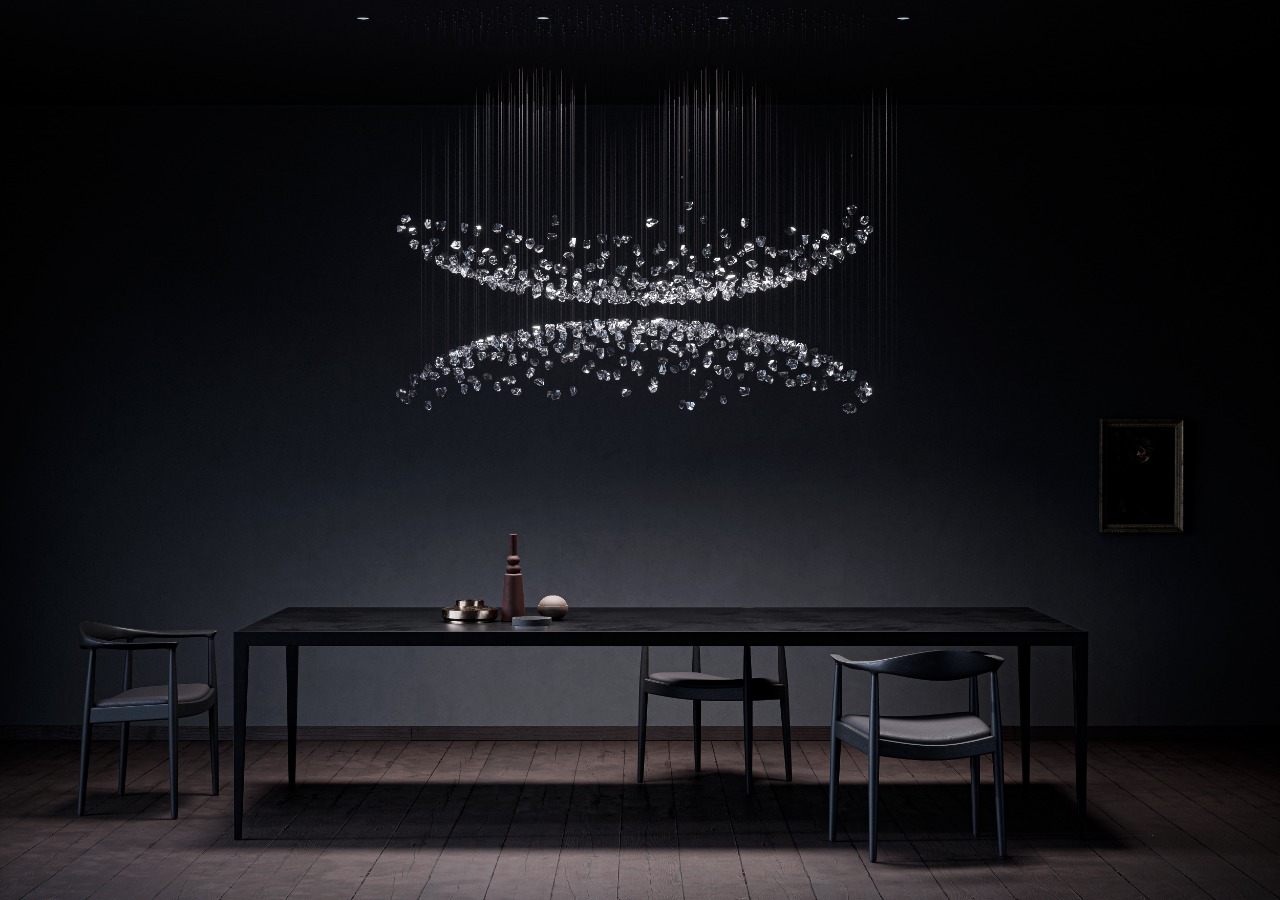
Preciosa’s Signature Designs represent a strategic shift in this paradigm. By leveraging a portfolio of established conceptual frameworks—including the kinetic, light-diffusing Drifting Lights, the interconnected geometry of Crystal Links, the organic aesthetic of Raw Crystal, and the structured architectural lattice of Crystal Grid—the company allows for deep customization within a proven technical foundation. This approach is not merely a product launch but a refined operational model designed to mitigate the volatility of high-end project management.
A Legacy Rooted in Crystal Valley Tradition
To understand the efficacy of the Signature Designs, one must examine the provenance of the manufacturer. Based in the Crystal Valley of Czechia, Preciosa draws upon a centuries-old heritage of glassmaking that dates back to the 18th century. The company’s ability to scale this artisan tradition into a modern, industrial-grade process is the cornerstone of its current market offering.
Historically, the transition from traditional craftsmanship to large-scale, tech-integrated lighting began to accelerate in the early 21st century. As global hospitality and luxury residential markets expanded, architects required lighting partners who could guarantee structural integrity while maintaining the delicacy of hand-blown crystal. Preciosa’s current process—an integrated model covering design, engineering, prototyping, manufacturing, and installation—reflects the maturation of the lighting industry’s supply chain. By keeping these five stages under one roof, the company eliminates the "silo effect" that typically plagues custom fabrication, where communication gaps between designers and engineers frequently lead to project delays.
Technical Versatility and the Scale of Expression
The fundamental value proposition of the Signature Designs lies in their elasticity. Each design principle is engineered to be scalable, allowing a fixture to be magnified to soaring, monumental heights for a grand atrium or reduced to a subtle, intimate cluster for a private dining area.
Michael Holy, Managing Director of Preciosa Lighting North America, underscores the depth of this flexibility: "Each Signature Design features a rich palette of possibilities: the composition and scale of the light fixture, the color, shape and cut of the crystal, the finish of the metal and the effect of the lighting."

This flexibility extends beyond mere physical size. By manipulating the "DNA" of the fixture—the specific cut of the crystal or the finish of the metal components—designers are essentially creating a bespoke experience using a set of proven building blocks. The result is a high-impact installation that carries the aesthetic weight of a one-off commission while adhering to the safety standards and installation timelines of standardized manufacturing.
Analysis: The Impact on Project Management
From an industry perspective, the shift toward "semi-custom" solutions is a response to rising costs in materials and skilled labor. Data from the interior design and construction sectors indicates that lead times for custom lighting installations have historically been the primary source of friction in project scheduling. When a custom piece fails quality control or encounters shipping delays, the ripple effect can force construction site shutdowns, costing thousands of dollars per day in labor and overhead.
By utilizing a modular design framework, firms like Preciosa allow for more accurate project forecasting. The engineering is "baked into" the design, meaning that the structural load-bearing requirements, electrical integration, and heat dissipation are pre-validated. For the architect, this represents a significant reduction in the liability associated with custom work. It provides a "known quantity" that can be adapted to meet the specific visual language of a project, effectively de-risking the installation phase.
Emotional and Architectural Utility
Beyond the technical benefits, the Signature Designs are categorized by the distinct spatial experiences they evoke. This categorization is a departure from traditional product catalogs, which are usually organized by material or style.

- Drifting Lights: Designed to introduce movement and fluid aesthetics, these installations are frequently used in spaces where the goal is to soften hard architectural lines and create a sense of organic transition.
- Crystal Links: Engineered to encourage social interaction and connection, these fixtures serve as gravitational anchors in hospitality settings, such as lounge areas or hotel bars.
- Raw Crystal: Utilized to facilitate moments of contemplation, this design highlights the tactile, unrefined beauty of the material, often serving as a focal point for high-end residential interiors.
- Crystal Grid: Provides structure and rhythm, acting as a geometric counterpoint to open-plan architecture, bringing a sense of order to expansive, cavernous spaces.
"Each Signature Design becomes an expression of a designer’s vision, shaped through crystal and light to enrich the way people move, gather and feel," Holy notes. This statement reflects a broader industry trend toward "experiential design," where lighting is no longer just a functional necessity but a tool to influence human behavior within a built environment.
Market Implications and Future Trends
The success of this modular-bespoke model suggests a long-term shift in the luxury lighting sector. As the demand for personalization continues to rise, manufacturers who can provide a platform for creativity without the unpredictability of "from-scratch" manufacturing will likely capture a larger share of the commercial and high-end residential market.
Furthermore, the emphasis on in-house, end-to-end production is an increasingly important metric for sustainability. By controlling the entire lifecycle of the product—from the raw materials sourced in the Crystal Valley to the final installation—Preciosa minimizes waste and logistical carbon footprints. This integrated approach allows for tighter tolerances in material usage and a more efficient allocation of resources, which is increasingly vital as firms push toward stricter environmental, social, and governance (ESG) reporting requirements.
Conclusion: A New Standard for Design Professionals
The modern designer is often tasked with the impossible: delivering unparalleled luxury on an aggressive schedule. Preciosa’s Signature Designs offer a compelling answer to this demand. By stripping away the uncertainty of custom fabrication while retaining the artistic potential of bespoke lighting, the company provides a bridge to a more efficient, creative, and predictable future.

As architects and designers continue to navigate the complexities of global supply chains and high-stakes client expectations, the ability to rely on a proven, adaptable, and emotionally resonant lighting framework will become a significant competitive advantage. The future of interior lighting is not just in the brilliance of the crystal, but in the ingenuity of the system that brings it to life. For those seeking to harmonize the rigors of engineering with the soul of design, the Signature portfolio stands as a blueprint for the next generation of architectural lighting.