Angie Faith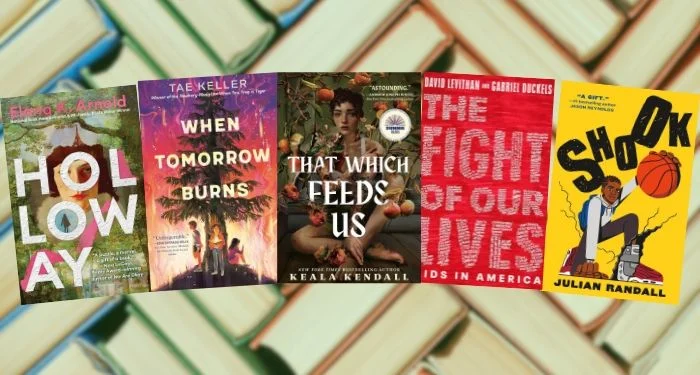
Following a rigorous multi-stage evaluation process, the National Book Foundation has officially unveiled the highly anticipated shortlist for the 2026 National Book Award for Young People’s Literature. This announcement marks a critical juncture in the literary calendar, narrowing down an expansive initial pool of contenders to five distinguished finalists. These selected works represent the pinnacle of contemporary literature written for children and adolescents, addressing complex themes with artistic maturity, emotional resonance, and rigorous historical and social inquiry.
The journey toward this final shortlist began last month when panels of expert judges revealed their longlists across five distinct categories: Fiction, Nonfiction, Poetry, Translated Literature, and Young People’s Literature. Today’s announcement of the finalists narrows the focus to the top five titles vying for the ultimate prize in the youth literature sector. The transition from longlist to shortlist highlights the literary community’s ongoing commitment to recognizing books that not only entertain young readers but also challenge their intellects and validate their lived experiences.
Financial Stakes and Award Logistics

The prestige of the National Book Award is matched by substantial recognition and financial support for the honored authors. Each of the five finalists announced today will receive a prize of $1,000, acknowledging their contribution to the literary landscape. The anticipation will culminate on November 18, when the winners across all categories are formally announced at the prestigious National Book Awards Ceremony and Dinner in New York City.
The category winner will receive a significantly elevated prize of $10,000, alongside a traditional bronze sculpture symbolizing literary achievement. Beyond the immediate financial reward, a National Book Award win or even a finalist placement historically translates to substantial commercial momentum, increased library acquisitions, and broader inclusion in school curricula nationwide. Publishers often see a notable surge in print runs and sustained readership, cementing these titles as permanent staples of modern young adult and middle-grade literature.
The 2026 Judging Panel
The responsibility of selecting this year’s finalists fell upon a distinguished panel of five judges deeply rooted in the literary and educational communities. The 2026 Young People’s Literature judging panel comprises Edith Campbell, Brandy Colbert, Tricia Ebarvia, Jarrett J. Krosoczka, and Anne Ursu. These educators, authors, and advocates spent months reviewing hundreds of submissions published between December 1 of the previous year and November 30 of the current award year. Their collective expertise ensures that the selected titles reflect a diverse range of artistic styles, narrative structures, and thematic concerns, balancing literary innovation with accessibility for teen and adolescent audiences.

The 2026 Finalists: An In-Depth Overview
The five selected books explore a vast spectrum of human emotion, historical trauma, neurodivergence, and societal growth. Critics and fellow authors have praised the shortlist for refusing to shy away from difficult truths while maintaining narrative power.
Holloway by Elana K. Arnold
Published by Clarion Books, Elana K. Arnold’s Holloway is an ambitious and immersive novel that captures the inner world of a neurodivergent teenager named Nora. Arnold weaves a complex narrative exploring time, love, forgiveness, and the enduring necessity of art. Critics have drawn parallels between the societal disruptions of the post-WWII era and the post-COVID-19 landscape, praising the author’s ability to render sensory and intellectual overload through lyrical prose. Acclaimed author A.S. King commended Arnold, stating, "Elana K. Arnold paints prose like a master. A fascinating journey through time, love, and forgiveness."
When Tomorrow Burns by Tae Keller
Tae Keller, an acclaimed voice in contemporary youth literature, returns with When Tomorrow Burns, published by Random House Books for Young Readers. The novel delivers a profound exploration of community, friendship, and family resilience, centering on characters named Nomi, Arthur, and Vi. Keller poses a fundamental, high-stakes question to her readership: "What do you do when your biggest fear comes true?" Reviewers from major literary outlets have lauded the book for offering a poignant dose of reality, while fellow author Erin Entrada Kelly offered high praise, predicting that readers universally will fall in love with the central characters and their journeys.

That Which Feeds Us: A Sunnie Reads Select: A Hawaiian Gothic by Keala Kendall
Published by Random House Books for Young Readers, Keala Kendall’s That Which Feeds Us introduces readers to a striking Hawaiian gothic narrative set against the backdrop of a former plantation transformed into a luxury resort in Kōpaʻa. Kendall examines the heavy toll of colonialism, intergenerational trauma, and exploitation through an intensely intimate tale of sisterhood and belonging. The novel has been celebrated for its incisive prose and its ability to leverage historical horrors to maximize psychological tension. Poet Jihyun Yun remarked that the book "bites with real teeth and is sure to leave its mark," blending terror with emotional depth.
The Fight of Our Lives: AIDS in America by David Levithan and Gabriel Duckels
Co-authored by David Levithan and Gabriel Duckels and published by Knopf Books for Young Readers, this rigorous work of non-fiction addresses one of the most devastating public health crises in modern American history. Balancing academic research with a narrative style accessible to teen readers, the book honors those lost to the epidemic while inspiring a new generation of activists. Renowned author Jason Reynolds reflected on the emotional weight of the work, noting that as a pre-teen during the crisis, he wished he had such a resource to help comprehend the compounding grief of illness and social judgment. Critical reception has highlighted the seamless synthesis of the co-authors’ expertise in creating a vital historical record.
Shook by Julian Randall
Rounding out the shortlist is Shook by Julian Randall, published by Henry Holt and Co. (BYR). Randall delivers a witty, poignant narrative that directly confronts mental health stigmas. The novel emphasizes the critical importance of seeking and accepting help, thoughtfully navigating the nuances of adolescent identity. Acclaimed author Elizabeth Acevedo urged readers to make "permanent room on your shelves—and in your hearts—for this witty and poignant novel," while industry reviews have praised Randall’s astute handling of complex psychological landscapes.
Broader Implications and the State of Young Adult Literature

The inclusion of such varied formats—ranging from speculative gothic fiction and historical non-fiction to contemporary realism and lyrical prose novels—demonstrates the expanding boundaries of literature designed for young people. Industry analysts note that contemporary youth literature increasingly tackles complex, systemic issues without sacrificing narrative engagement. Books addressing historical epidemics, the lingering impacts of colonialism, and neurodivergent perspectives reflect a literary market that respects the emotional intelligence and intellectual curiosity of teenage readers.
Furthermore, the National Book Awards continue to serve as a cultural barometer, identifying works that spark vital national conversations. As schools and libraries across the United States navigate shifting landscapes regarding book access and curricular inclusion, the recognition of these five finalists underscores the foundational role of diverse, challenging, and empathetic storytelling in youth development.
Looking Ahead to November
With the finalists now locked in, publishers, authors, and readers turn their attention to the upcoming National Book Awards Ceremony and Dinner on November 18. Until then, the literary community will continue to champion these five extraordinary titles, encouraging readers of all ages to engage with the stories that have been deemed the very best of 2026. For those wishing to explore the broader landscape of this year’s submissions, the complete longlists remain accessible through the National Book Foundation and literary platforms such as Book Riot, offering an extensive roadmap of the year’s most significant contributions to children’s and young adult literature.