Reynand Holland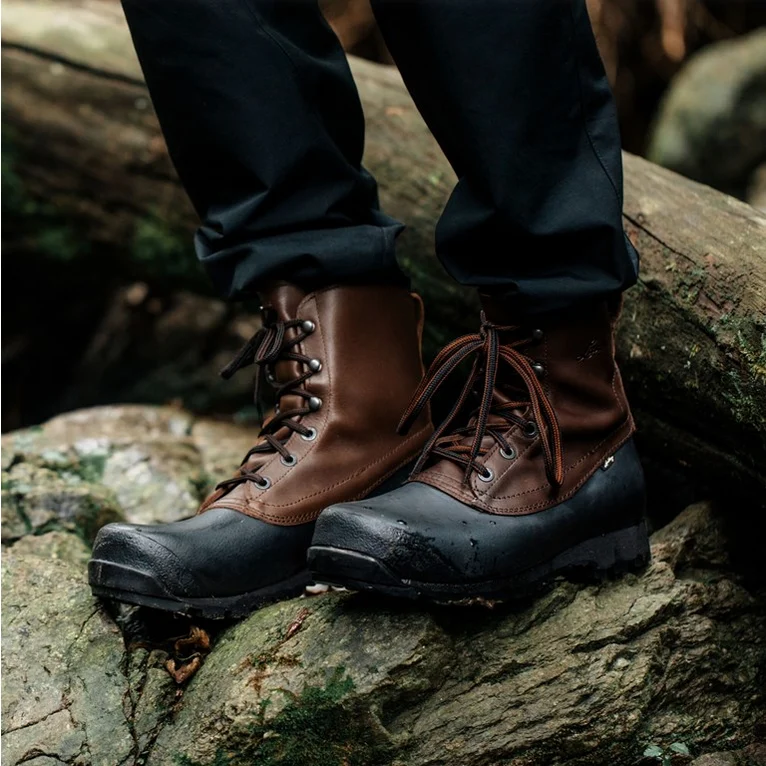
The arrival of winter invariably brings freezing temperatures, snow accumulation, and slush-covered urban sidewalks, forcing consumers to seek out dependable footwear that can withstand harsh elements. However, an increasing body of environmental and health research indicates that traditional winter boots often harbor a hidden environmental cost: per- and poly-fluoroalkyl substances, commonly known as PFAS. For decades, the textile and outdoor footwear industries have relied heavily on these synthetic chemical compounds to impart Durable Water Repellent (DWR) finishes onto boots, jackets, and outdoor gear. Because PFAS molecules feature exceptionally strong carbon-fluorine bonds, they repel water, oil, and stains effectively without impeding material breathability. Yet, these exact properties make them virtually indestructible in natural ecosystems.
Often referred to as "forever chemicals," PFAS compounds do not break down naturally under environmental conditions. As individuals traverse snowy landscapes, microscopic particles of DWR treatments flake off footwear, entering snowpacks, waterways, and local soil systems. Subsequent environmental contamination has made its way into public water supplies across North America and Europe, raising alarm bells among environmental toxicologists and public health advocates. Furthermore, the threat is not merely external. Indoor shedding allows these chemicals to accumulate in household dust, leading to chronic low-level human exposure. Federal health agencies and toxicological studies have increasingly linked chronic PFAS accumulation to a range of adverse health outcomes, including elevated risks of specific cancers, reproductive complications, weakened immune response, and hormonal dysregulation.
Recognizing these risks, regulatory bodies in both the United States and the European Union have begun implementing stringent restrictions on the manufacturing use of fluorinated chemicals. In response, a progressive segment of the footwear industry has transitioned toward alternative waterproofing technologies. Truly sustainable winter footwear must now fulfill a strict criteria matrix: providing robust, weather-resistant performance, utilizing ethically sourced or recycled materials, maintaining transparent supply chains, offering after-market repair services, and remaining completely free of toxic fluorinated finishes. Unless an outdoor or lifestyle brand explicitly certifies that its products are PFAS-free, PFC-free, or free of fluorinated chemicals, consumers must assume that legacy waterproofing treatments were utilized during production.
Historical Timeline and Regulatory Evolution of Forever Chemicals
The history of per- and poly-fluoroalkyl substances dates back to the late 1930s, when they were accidentally discovered by chemist Roy Plunkett at DuPont. By the 1950s, these compounds were commercialized extensively, finding widespread application in industrial manufacturing, non-stick cookware, firefighting foams, and consumer apparel.
The timeline of regulatory scrutiny and industry pushback spans several decades:
- Late 20th Century: Scientific literature begins documenting the bioaccumulative nature of early-generation PFAS compounds, such as PFOS and PFOA, in wildlife and human blood samples.
- Early 2000s: Major chemical manufacturers face mounting pressure and begin voluntary phase-outs of long-chain PFAS chemicals, though short-chain alternatives quickly fill the market gap with similar persistence concerns.
- 2020–2022: Independent testing organizations and investigative journalism spotlight the prevalence of forever chemicals in outdoor gear, prompting major consumer backlash and legislative action.
- 2023–Present: Several U.S. states, including California and New York, pass landmark legislation banning the sale of apparel and outdoor gear containing intentionally added PFAS, catalyzing a systemic shift across global supply chains.
Essential Criteria for Evaluating Sustainable Winter Footwear
Evaluating the true sustainability of winter boots requires a multi-faceted approach that extends well beyond simply verifying a chemical-free label. Modern conscious consumers must examine material origins, manufacturing ethics, and product lifecycle management.
Safe Material Sourcing and Chemical Management
When assessing the environmental footprint of winter footwear, raw material selection is paramount. For leather boots, consumers should look for certifications issued by the Leather Working Group (LWG). The LWG audits tanneries based on environmental performance metrics, including water usage, energy consumption, waste management, and chemical restriction compliance. For synthetic or vegan options, the Global Recycled Standard (GRS) verifies the authenticity and traceability of recycled polyester and rubber components. Additionally, strict adherence to bluesign criteria or comprehensive restricted substances lists ensures that factories manage chemical inputs safely, preventing hazardous discharge into local aquatic ecosystems.
Supply Chain Transparency and Ethical Labor
Environmental sustainability cannot exist in isolation from social responsibility. The manufacturing of footwear is historically labor-intensive, often concentrated in regions with varying regulatory oversight. Leading sustainable brands distinguish themselves by mapping their supply chains down to raw material extraction sites, partnering with initiatives like the Fair Wear Foundation, and publicly disclosing factory locations. Transparent brands enforce rigorous codes of conduct to guarantee fair wages, safe working environments, and the prohibition of forced or child labor.
Longevity and After-Market Repair Infrastructure
The most environmentally friendly product is the one that never needs to be replaced. Sustainable winter boots must be structurally engineered for longevity, utilizing resoleable constructions and durable hardware. Forward-thinking brands support circular economy models by providing after-market repair services, supplying affordable replacement components, and offering detailed care guides to help consumers maximize the operational lifespan of their footwear.
Leading Brands Offering PFAS-Free Winter Boots
Several pioneering brands have successfully decoupled high-performance winter weather protection from toxic chemical dependencies, offering stylish, durable, and safe alternatives for the conscious consumer.
1. Keen
As an early trailblazer in the outdoor industry, Keen made the strategic decision to eliminate PFAS across its entire footwear catalog, publicly sharing its technical roadmap to encourage industry-wide reform. Keen’s diverse lineup ranges from urban lifestyle boots to heavy-duty snow boots, all protected by proprietary PFAS-free Durable Water Repellent treatments. The brand exclusively sources leather from LWG-certified tanneries, maintains a strict restricted substances list, and ensures that a significant portion of its production occurs in company-owned facilities while rigorously auditing external Tier 1 and Tier 2 suppliers.
- Price Range: $115 – $250
- Geographic Availability: United States, with global availability across Europe, Asia, Australia, and China through authorized partner dealers.
2. Jack Wolfskin
Headquartered in Germany, Jack Wolfskin engineers high-performance technical outerwear and footwear designed to withstand extreme alpine conditions without relying on fluorinated additives. The majority of the brand’s winter boot collection utilizes customized, windproof, and waterproof Texapore technology that achieves weather resistance cleanly. Jack Wolfskin maintains complete supply chain transparency, partnering exclusively with bluesign-approved facilities or suppliers that strictly prohibit hazardous chemical inputs. Independent third-party auditors regularly inspect these manufacturing partners to enforce fair labor standards.
- Price Range: $120 – $230
- Geographic Availability: Primarily across European markets.
3. Lundhags
Established in Sweden in 1932, Lundhags brings nearly a century of Scandinavian craftsmanship to the sustainable footwear market. Specializing in durable shell boots, one-layer, and three-layer designs, Lundhags manufactures its leather footwear in Europe utilizing hides sourced from a regional German tannery, thereby minimizing transportation emissions. Emphasizing circularity, Lundhags operates a dedicated after-market repair shop designed to restore and extend the operational life of its products. Factory working conditions are regulated under the comprehensive Brav code of conduct.
- Price Range: $217 – $597
- Geographic Availability: Most European countries.
4. Vaude
German outdoor brand Vaude integrates rigorous environmental standards into every aspect of its production lifecycle. Its winter boot offerings feature waterproof and windproof membranes constructed from PFAS-free recycled polyester, paired with locally sourced leather uppers from German tanneries. Vaude provides granular transparency, detailing the specific manufacturing origins on every individual product page. Furthermore, the company champions product longevity by offering accessible replacement parts and managing a comprehensive full-service repair division.
- Price Range: $200 – $263
- Geographic Availability: Canada and the majority of European nations.
5. Forsake
Forsake blends aesthetic versatility with technical utility, producing LWG-certified waterproof footwear that transitions seamlessly from snowy mountain trails to metropolitan streets. Ranging from rugged hiking silhouettes to insulated sneaker-boots, Forsake’s parent organization enforces a strict corporate code of conduct across all manufacturing partners, supported by routine facility audits. Consumers should note that while the primary exterior materials are thoroughly vetted, the exact sourcing origin of internal memory foam components remains partially unspecified.
- Price Range: $145 – $160
- Geographic Availability: United States.
6. EcoAlf
Certified B-Corp brand EcoAlf approaches winter footwear through the lens of radical circularity and vegan design. Its boots are constructed utilizing GRS-certified recycled polyester derived from post-consumer plastic bottles, combined with virgin and recycled rubber outsoles, completely omitting animal-derived materials and PFAS treatments. EcoAlf tracks its supply chain depth down to Tier 3 suppliers, though complete traceability regarding primary raw material extraction remains an area targeted for future transparency improvements.
- Price Range: $145 – $299
- Geographic Availability: United States, Europe, select South American nations, and major Asian markets.
7. Will’s Vegan Store
Operating out of Italy and Portugal, Will’s Vegan Store crafts animal-free footwear utilizing bio-based leather alternatives and recycled polyester thermal insulation. The brand traces every tier of its manufacturing process to guarantee ethical labor practices and environmental compliance. While several waterproof models feature certified PFAS-free uppers, buyers must carefully review individual product descriptions, as certain styles incorporate standard synthetic polyurethane leather and may require specific verification regarding chemical finishes.
- Price Range: $134 – $190
- Geographic Availability: Global shipping to all countries.
8. Poppy Barley
Poppy Barley produces sophisticated, weather-resistant ankle and calf-length winter boots utilizing LWG-certified leathers. Manufacturing takes place in carefully audited artisan workshops located in Europe and Mexico, ensuring equitable wages and safe working conditions. Because select seasonal collections utilize alternative materials, consumers are advised to consult individual product listings to confirm LWG certification status prior to purchase.
- Price Range: $293 – $480
- Geographic Availability: Continental United States, Canada, Mexico, and Australia.
9. REI Used Gear
For consumers seeking sustainable winter footwear on a budget, the REI Used platform offers a secondary marketplace dedicated to buying, selling, and trading pre-owned outdoor gear. Participating in this circular retail model significantly extends the lifecycle of winter boots while diverting textile waste from landfills. While outdoor giant REI is actively executing a corporate transition to eliminate PFAS from its entire private-label and retail assortment, shoppers should verify specific brand policies on older used listings, as legacy inventory may occasionally feature historical DWR treatments.
- Price Range: $22 – $149.50
- Geographic Availability: United States.
Industry Implications and Future Outlook
The systemic shift away from per- and poly-fluoroalkyl substances in winter footwear marks a critical turning point for the fashion and outdoor industries. As legislative bans expand globally and consumer awareness solidifies, brands can no longer rely on chemical persistence as a shortcut for performance. The successful innovations demonstrated by market leaders prove that weather-resistance, structural longevity, and chemical safety are mutually compatible. Moving forward, the widespread adoption of transparent supply chains, third-party chemical certifications, and robust repair infrastructure will redefine the baseline standard for responsible manufacturing, ensuring that consumers can protect their feet against winter storms without compromising the health of the planet.