Pranda Michaela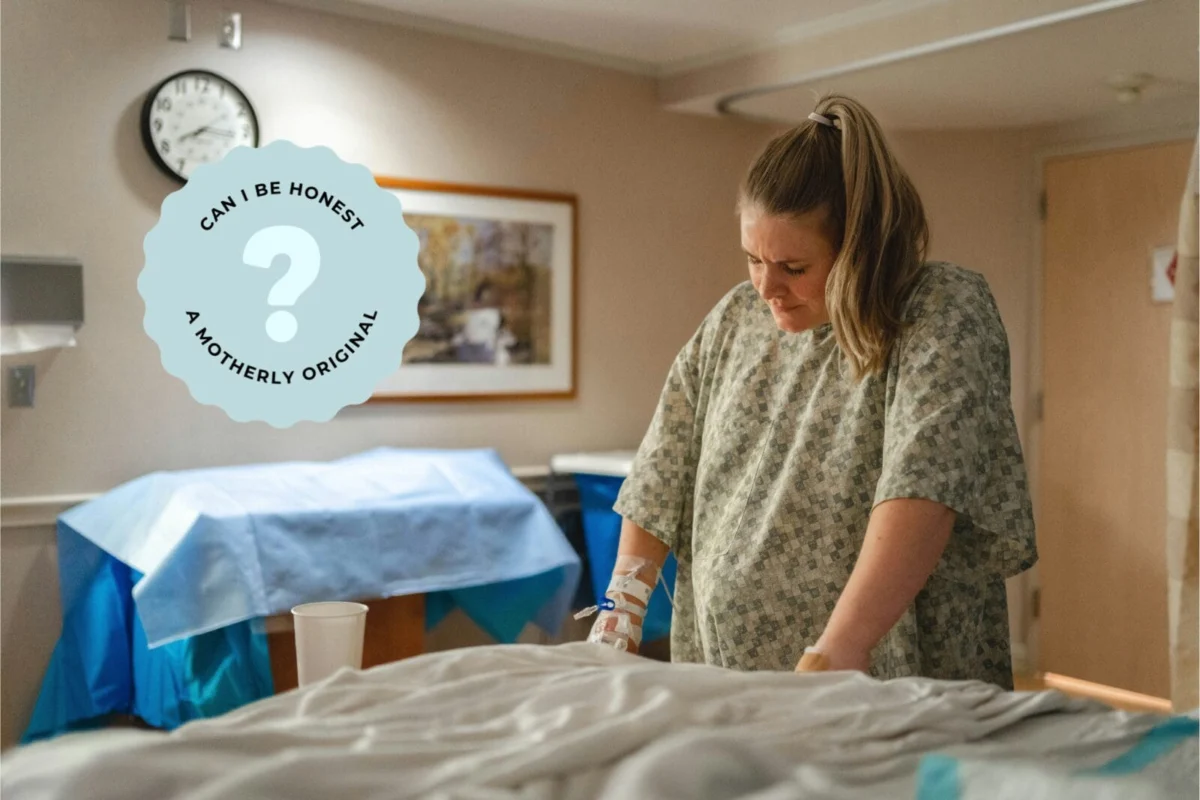
For many expectant mothers, the anticipation of labor is defined by the classic cinematic portrayal: a sudden break of water followed by rhythmic, abdominal contractions that intensify until the moment of birth. However, this narrow narrative often excludes the reality of back labor, a physically demanding and often debilitating experience that affects a significant portion of birthing individuals. As medical understanding of fetal positioning and pelvic anatomy evolves, experts are increasingly emphasizing the need for comprehensive prenatal education that includes the realities of non-traditional labor pain.

What is back labor and why does it occur?

Medically defined as persistent, intense pain in the lower back that occurs during contractions, back labor is a phenomenon that clinicians encounter frequently in delivery rooms. Dr. Brandye Wilson-Manigat, a board-certified OB-GYN, notes that the condition is often linked to the positioning of the fetus within the birth canal. When a baby is in the occiput posterior position—meaning the back of the baby’s skull is directed toward the mother’s spine—the pressure exerted on the sacrum, tailbone, and surrounding pelvic nerves is significantly higher than in a typical anterior presentation.

This pressure does not merely manifest as discomfort; for many, it presents as a relentless, stabbing, or grinding sensation that persists even between contractions. While traditional labor is often described as a wave-like intensity localized in the abdomen, back labor is frequently characterized by a lack of reprieve, leading to heightened physical and emotional exhaustion for the laboring parent.

The Clinical and Anatomical Factors

While fetal positioning is a primary suspect, it is not the sole cause of back labor. The anatomy of the maternal pelvis plays a critical role in how a baby descends. In cases where the pelvis is narrow or uniquely shaped, the fetus may struggle to rotate into the optimal position for delivery. Furthermore, if a baby is large relative to the pelvic inlet, the resulting friction and pressure against the posterior structures of the spine can create the localized, agonizing pain described by patients.

Research suggests that back labor occurs in approximately 10% to 30% of all births, though definitive statistics are difficult to capture due to the subjective nature of pain reporting. Despite its prevalence, it remains an under-discussed aspect of prenatal care. Many expectant parents attend childbirth education classes that focus heavily on breathing techniques and pain management for abdominal contractions, often leaving them unprepared for the specific sensory experience of back-focused intensity.

A Chronology of the Experience

The timeline of back labor often begins in the weeks leading up to the delivery, though it is usually identified only once active labor commences. For many, the experience starts with a sense of confusion. Because the sensation is so different from the "textbook" description of contractions, some individuals may not immediately recognize that they are in active labor.

- Early Warning Signs: In the third trimester, some parents report persistent dull aches in the lower back. While these are often dismissed as standard pregnancy discomfort, they can sometimes serve as indicators of a posterior fetal position.
- The Onset of Labor: When true labor begins, the pain is often felt as a deep, radiating pressure in the lumbar region. Unlike abdominal contractions that rise and fall, back labor pain can feel constant, fluctuating in severity rather than disappearing entirely.
- The Active Phase: As cervical dilation progresses, the intensity of the pressure on the sacrum increases. This phase is often where patients report the most distress, as the pain can interfere with their ability to find comfortable positions or maintain focus on breathing exercises.
- The Pushing Stage: The final stage of labor may be prolonged in cases of back labor, as the fetus must often rotate from a posterior to an anterior position to clear the pelvic floor. This rotation is a complex biomechanical process that requires time and patience from the care team.
Supporting Data and Medical Perspectives

The impact of back labor on maternal health outcomes is a subject of ongoing study. Data from the American College of Obstetricians and Gynecologists (ACOG) suggests that complications stemming from malpositioning, such as prolonged labor and an increased likelihood of instrumental delivery (forceps or vacuum), are more common in births involving significant back labor.

From a nursing perspective, the management of back labor requires a multidisciplinary approach. Labor and delivery nurses often suggest counter-pressure techniques, such as the application of firm pressure to the sacrum by a partner or a doula, as well as the use of hydrotherapy, such as birthing balls or warm showers, to alleviate the pressure on the spine.

"The goal for our care teams is to support the rotation of the fetus," explains a lead midwife at a regional maternity center. "By utilizing gravity-dependent positions—like kneeling, leaning forward, or using a peanut ball—we can often encourage the baby to turn, which in turn reduces the pressure on the mother’s sacrum."

The Implications for Prenatal Education

There is a growing consensus among maternal health advocates that the current standard of prenatal education must be updated to address back labor more directly. By normalizing the possibility of back-focused pain, clinicians can help patients feel more empowered to advocate for themselves in the delivery room.

When a laboring person understands that their pain is a result of mechanical positioning rather than a failure of their own body, it can reduce the trauma associated with the experience. Furthermore, early detection of a posterior fetal position via ultrasound can allow for more proactive management, including manual rotation attempts by a provider or the early implementation of specific laboring positions designed to rotate the baby.

Official responses from professional organizations have begun to shift toward a more holistic view of labor support. Acknowledging that the "one-size-fits-all" approach to childbirth is outdated, many hospitals are now integrating physical therapy-led prenatal programs that focus on pelvic floor health and fetal positioning techniques to help mitigate the risk of severe back labor before the due date arrives.

Broader Societal and Psychological Impact

The psychological toll of an unexpected and painful labor experience should not be underestimated. Many mothers report feelings of confusion and a loss of control when their labor does not align with the expectations set by books, media, or friends. This disconnect can exacerbate postpartum anxiety or contribute to feelings of inadequacy.

It is essential for the healthcare community to frame back labor not as an anomaly, but as a known variation of the human birth process. Providing patients with the language to describe their pain—and the tools to manage it—is a matter of health equity. Every birthing individual deserves to enter the delivery room with a comprehensive understanding of the potential paths their birth might take.

Looking ahead, the focus of maternity care must remain on education and the validation of the patient experience. By bridging the gap between clinical knowledge and the lived experience of the patient, the medical community can foster a more supportive environment. While the pain of back labor is significant, it is a temporary stage of a much larger journey. Recognizing this reality allows for a more prepared, informed, and ultimately, more resilient approach to the transformative event of childbirth.