rifanmuazin
In the dynamic landscape of social media, the precise timing of content dissemination can significantly influence its visibility and impact. A comprehensive study by Buffer, analyzing over 8.7 million tweets, has unveiled critical insights into the optimal moments for posting on X (formerly Twitter) to maximize engagement. The findings pinpoint 9 a.m. on Tuesday as the single most effective time for tweets to garner interaction, underscoring the enduring relevance of timing even within an algorithmically driven feed.
This extensive analysis, a cornerstone for social media marketing strategies, reveals that while the platform’s shift from a chronological timeline to an algorithm-centric feed has altered some dynamics, the hour and day of posting continue to play a pivotal role in content performance. The study utilized engagement rate – encompassing likes, comments, and retweets – as its primary metric, recognizing these interactions as strong signals of content value to X’s algorithm, thereby increasing its potential reach across user feeds.
Methodology and the Algorithmic Imperative
Buffer’s research meticulously examined millions of tweets, identifying distinct patterns in engagement across various times and days. This robust dataset provides a statistically significant basis for understanding audience behavior on X. The platform, initially known for its real-time, chronological feed, transitioned to an algorithm that prioritizes relevance and engagement. This shift meant that simply posting "when everyone is online" was no longer the sole factor; rather, generating immediate engagement became paramount to signal to the algorithm that content was valuable and worthy of broader distribution.
Despite the algorithmic shift, the study unequivocally demonstrates that timing retains its importance. An early surge in engagement can significantly boost a tweet’s algorithmic ranking, pushing it into more users’ "For You" feeds. Conversely, posting during periods of low activity means content might get buried quickly, struggling to gain the initial traction needed to activate the algorithm. Therefore, strategic timing acts as a catalyst, providing content with the best possible launchpad to leverage the algorithm’s amplification mechanisms.
Key Findings: Unpacking Peak Engagement Hours
The Buffer analysis presents a clear hierarchy of optimal posting times:
- 9 a.m. on Tuesday: Emerges as the top-performing slot for engagement.
- 10 a.m. on Wednesday: Ranks as the second-best time.
- 9 a.m. on Wednesday: Secures the third position.
These top three slots collectively highlight a consistent trend: mid-morning on weekdays, particularly early to mid-week, represents the prime window for audience interaction on X.
The Daily Rhythm of Engagement
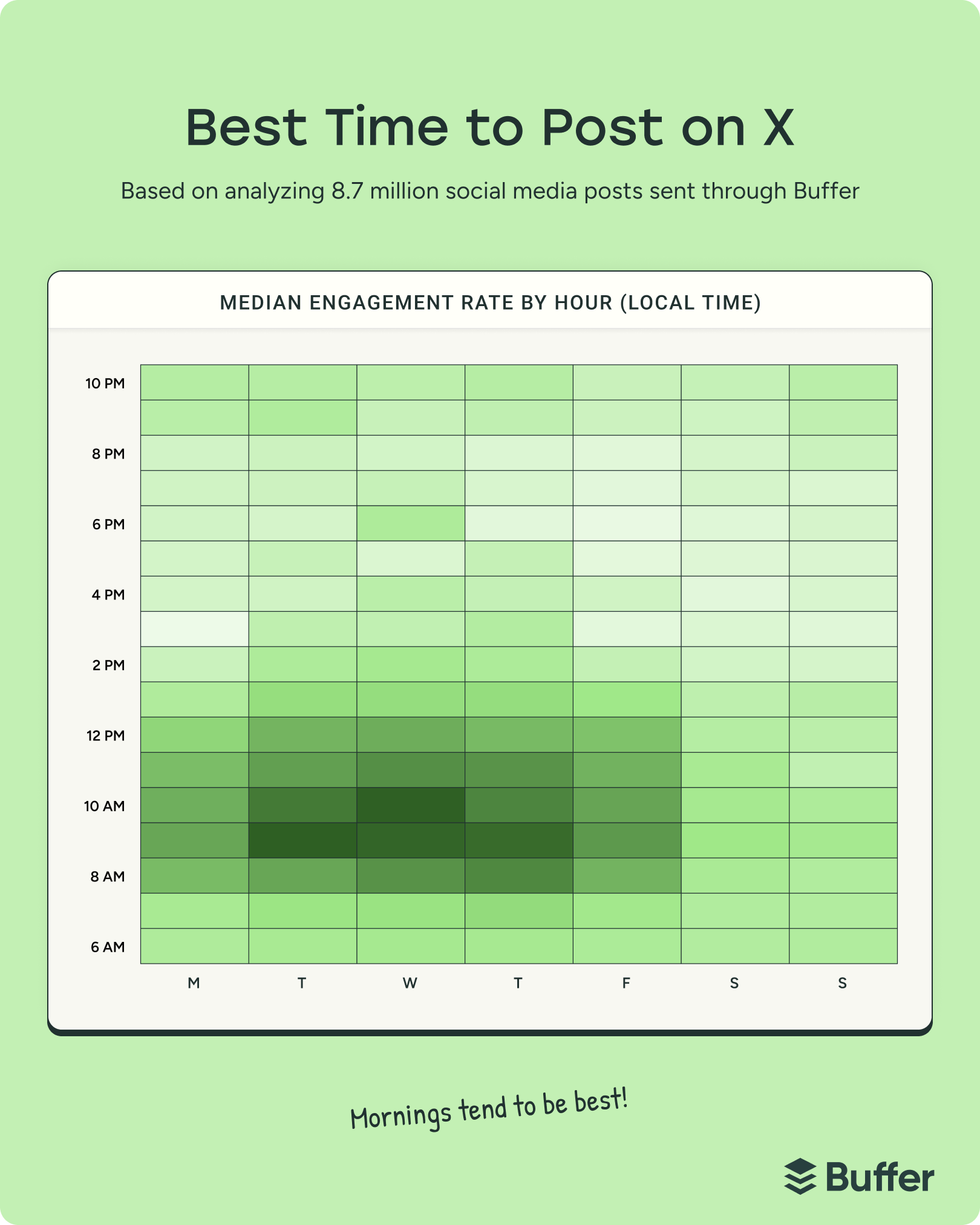
A closer examination of daily patterns reveals a consistent preference for morning engagement across the workweek. On most weekdays, engagement levels begin to rise in the early morning, typically peaking around 9 a.m. to 10 a.m., before gradually declining into the early afternoon. This pattern strongly suggests that users are actively checking their feeds as they start their workday, during commutes, or while taking initial breaks.
This behavior aligns with demographic data provided by Statista, which indicates that a significant portion of X’s global user base falls within the 25-34 age bracket (37.5%), followed by 18-24 year-olds (32.1%). This demographic profile suggests a user base largely composed of working professionals or students who are likely to integrate social media consumption into their morning routines before or during their primary daily activities.
Worst Times for Engagement
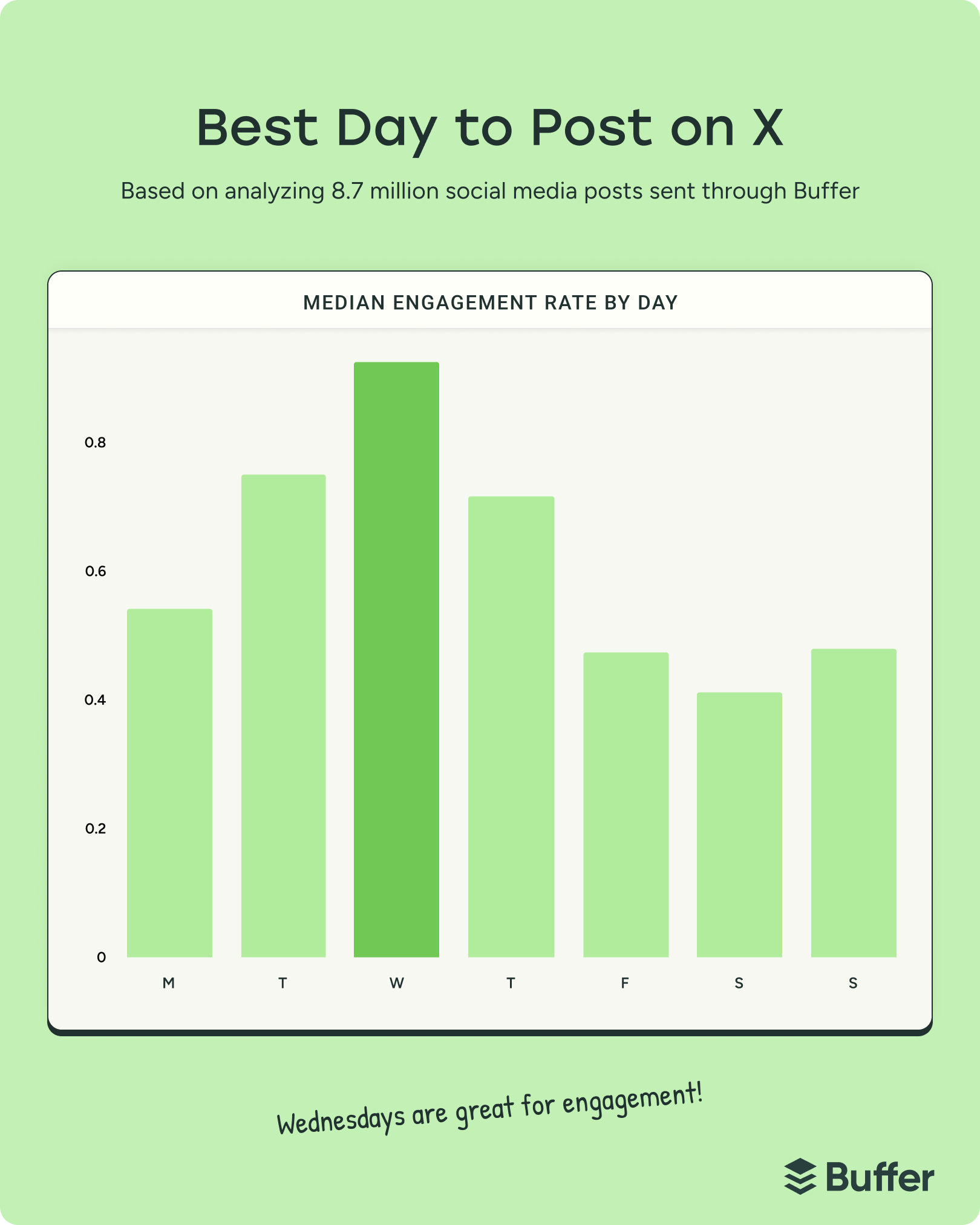
Conversely, the study identifies specific periods where engagement significantly plummets. Evening hours, specifically between 6 p.m. and 11 p.m., consistently show the lowest engagement rates across all days of the week. This dip is likely attributable to users disengaging from professional or news-oriented content as they transition to leisure activities, family time, or other forms of entertainment. Weekends also generally exhibit lower engagement, with Saturday being the weakest day overall.
A Detailed Breakdown by Day:
- Monday: The best time to post is 9 a.m., followed by 10 a.m. and 8 a.m. As users return to their routines, early morning content captures attention.
- Tuesday: Cementing its position as a top day, 9 a.m. is the optimal time, with 10 a.m. and 11 a.m. also performing strongly. This day appears to be when users are fully settled into their weekly routines and most receptive to content.
- Wednesday: While 9 a.m. is strong, 10 a.m. takes the lead, with 11 a.m. also being a favorable slot. Midweek often sees a sustained interest in fresh content, perhaps as a mental break during work.
- Thursday: Similar to early week trends, 9 a.m. is the best, supported by 10 a.m. and 8 a.m. Engagement remains robust as the week progresses.
- Friday: The best time remains 9 a.m., with 10 a.m. and 11 a.m. also proving effective. However, overall engagement begins to decline compared to earlier in the week as users anticipate the weekend.
- Saturday: Generally the weakest day, but if posting is necessary, 9 a.m. is still the best, followed by 10 a.m. and 11 a.m. Mid-mornings still outperform later parts of the day, but overall reach is limited.
- Sunday: Another day with relatively low engagement, the best times are 9 a.m., 10 a.m., and 8 a.m. Similar to Saturday, early to mid-morning offers the best chance on a slower day.
Universal Applicability of Time Zones
A crucial aspect of Buffer’s study is the universal applicability of its time zone recommendations. The data scientist behind the analysis normalized the findings, meaning that all recommended times should be interpreted as local time. This eliminates the need for complex conversions, allowing content creators in different geographical regions – be it London, Lagos, or Los Angeles – to apply the 9 a.m. recommendation directly to their local time. This simplification significantly enhances the practical utility of the research for a global audience.
Best and Worst Days of the Week
Beyond specific hours, the study also identifies clear trends for the most and least effective days for posting:
- Best Days: Wednesday stands out as the highest-performing day for engagement, with Tuesday following closely in second place, and Thursday ranking third. These three weekdays collectively represent the most opportune period for content dissemination on X.
- Worst Days: Saturday is unequivocally the worst day for engagement, with Friday ranking as the second-worst. This suggests a significant drop-off in active user engagement as the week concludes and people shift their focus away from digital platforms. For content creators aiming for maximum impact, prioritizing weekdays for their prime content is a sound strategy.
Strategic Implications for Marketers and Content Creators
While these data-driven insights provide an invaluable starting point, social media strategists emphasize that timing is just one component of a multifaceted marketing strategy. The quality, relevance, and format of the content itself remain paramount. A perfectly timed post with unengaging content will likely fall flat, whereas compelling content posted outside peak hours might still find an audience, albeit with potentially reduced initial velocity.
However, leveraging these optimal times can significantly amplify the reach of high-quality content. For businesses and individuals managing their X presence, this data facilitates more effective content calendar planning. Instead of guessing, creators can strategically schedule their most important messages during these proven high-engagement windows.
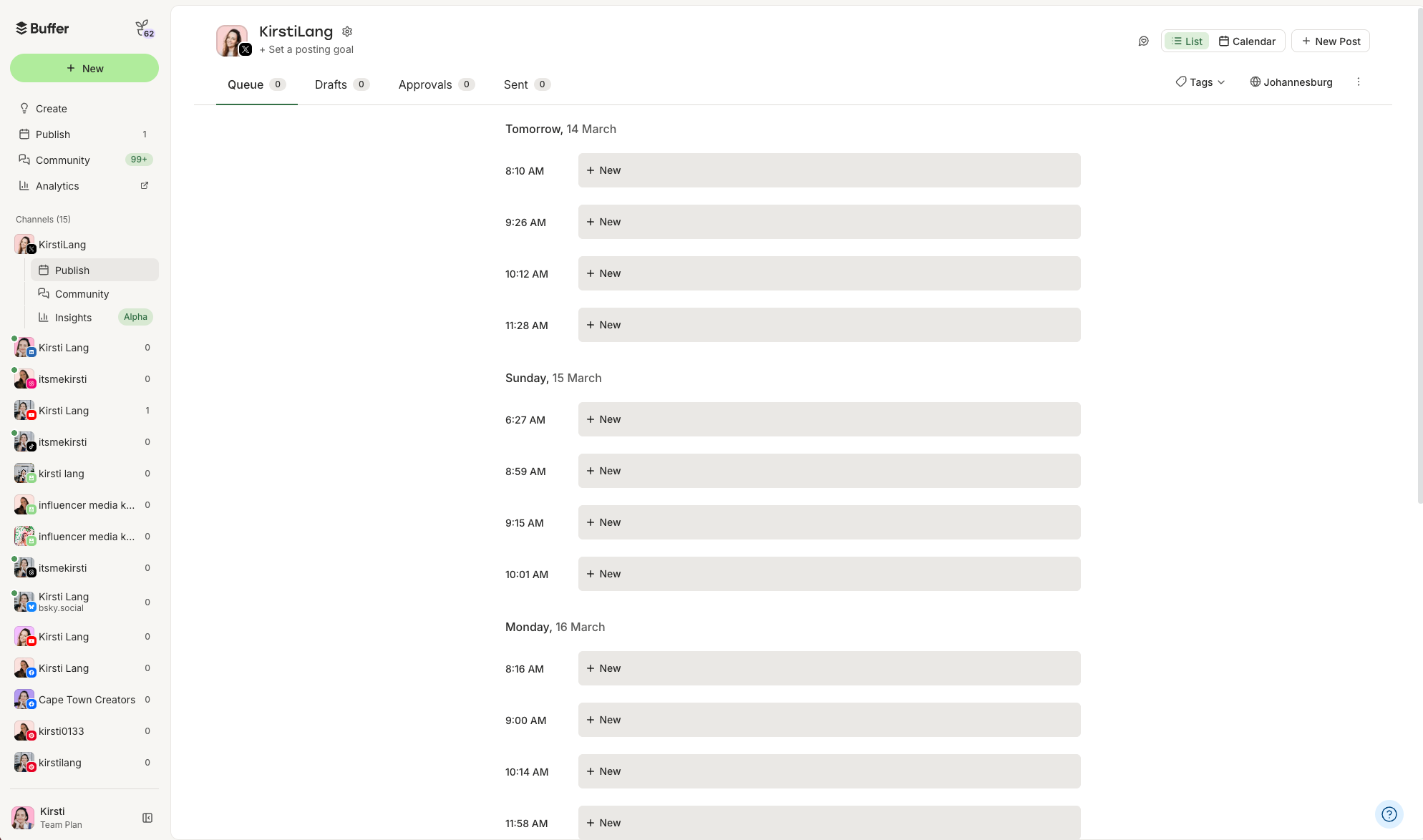
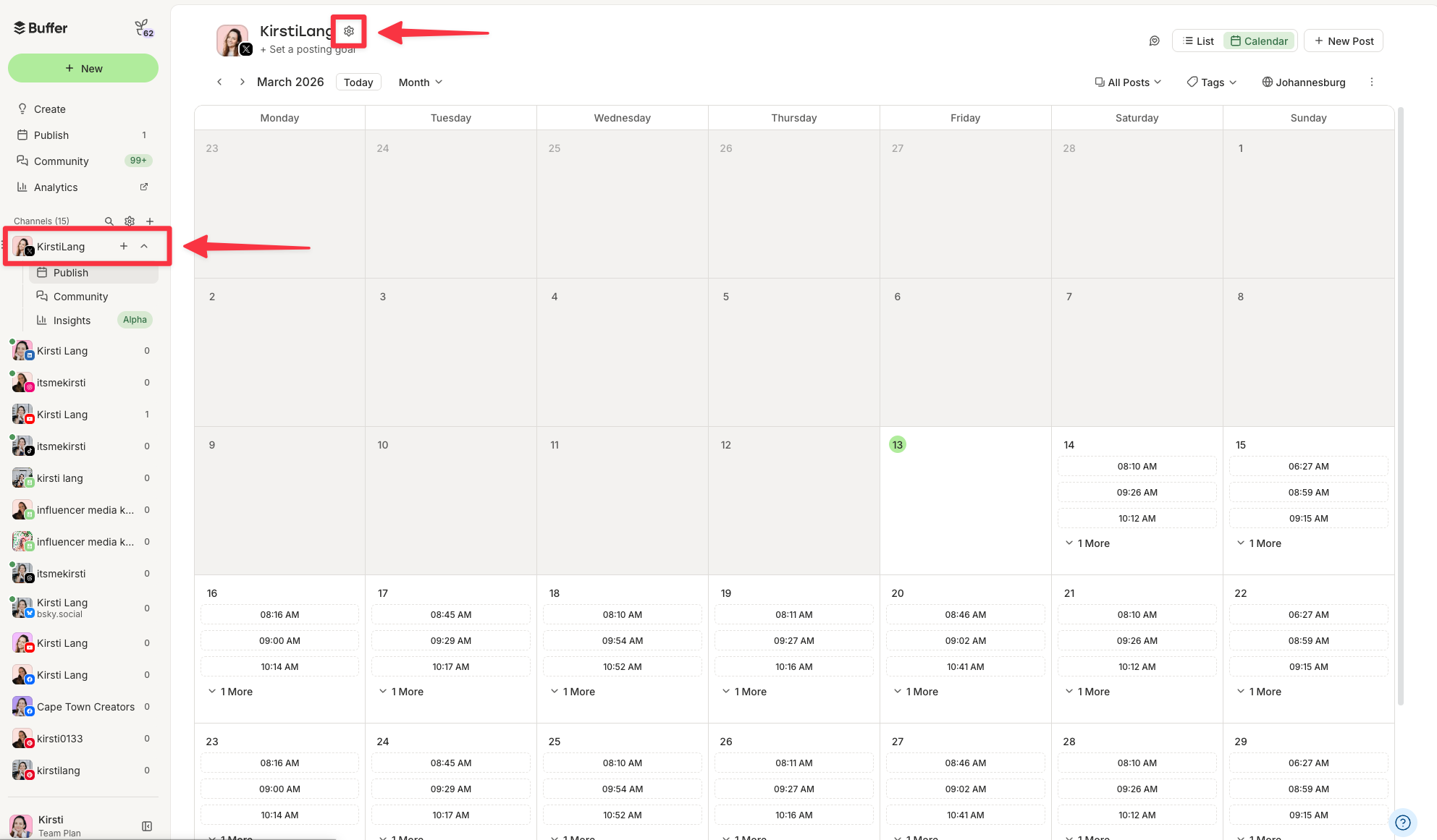
Furthermore, it is crucial for brands to conduct their own audience-specific analysis. While Buffer’s findings offer broad trends, every target audience is unique. Factors such as geographical distribution, industry niche, and specific community habits can influence peak activity times. Social media management tools, such as Buffer, offer integrated analytics that allow users to track the performance of their own tweets, identify their unique audience’s peak engagement times, and refine their strategies accordingly. These tools often provide features for generating optimized posting schedules based on individual account data, moving beyond generalized recommendations.
Beyond the Clock: A Holistic Approach to X Success
Achieving consistent success on X extends beyond mere timing. A comprehensive approach involves several critical elements:
- High-Quality Content: Crafting engaging, valuable, and relevant tweets is fundamental. This includes strong visuals, concise messaging, and compelling calls to action.
- Audience Understanding: Deep knowledge of your target audience’s interests, pain points, and preferred content formats is essential.
- Consistency: Regular posting, even if not always at the absolute peak, builds audience expectation and maintains visibility.
- Engagement: Actively participating in conversations, responding to comments, and retweeting relevant content fosters community and signals activity to the algorithm.
- Hashtag Strategy: Utilizing relevant and trending hashtags can increase discoverability.
- Visuals: Including images, GIFs, and videos significantly boosts engagement rates.
- Experimentation: Continuously testing different content types, formats, and posting times is vital for adaptation and growth.
The evolving nature of social media platforms, coupled with shifts in user behavior, necessitates an agile and data-informed approach to content strategy. While X’s algorithm continues to be the primary gatekeeper for content visibility, strategic timing, informed by extensive data analysis, remains a powerful tool in the arsenal of any digital marketer. By combining the insights from Buffer’s comprehensive study with an understanding of their unique audience and a commitment to high-quality content, creators can significantly enhance their presence and impact on X.
Future Outlook
As X continues to evolve under new ownership and strategic direction, user behavior and algorithmic priorities may shift. Continuous monitoring and re-evaluation of optimal posting times will remain crucial for marketers. The foundational principle, however, is likely to endure: content that generates early and sustained engagement will always be favored. Therefore, understanding and leveraging these peak engagement windows will remain a vital component of any successful X strategy for the foreseeable future.