Reynand Holland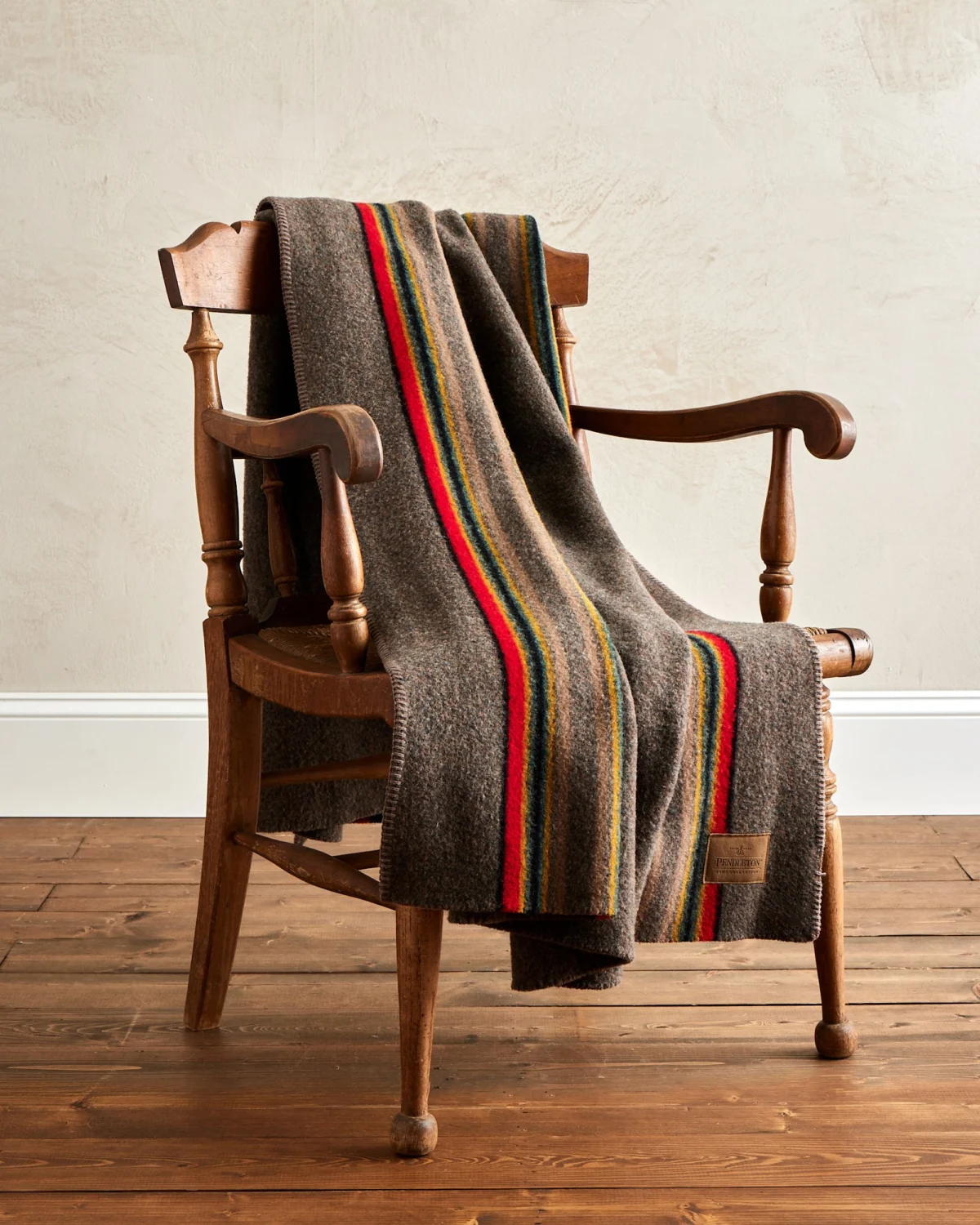
As winter approaches, bringing with it dropping temperatures, seasonal travel, and quiet evenings indoors, the demand for cozy home textiles surges. Yet, behind the comforting appeal of a plush throw or heavy quilt lies a complex global supply chain often reliant on synthetic fibers, chemical dyes, and opaque labor practices. Navigating the market for well-made, long-lasting blankets requires intention, particularly for consumers aiming to align their purchasing decisions with environmental sustainability and personal health safety.
Evaluating the environmental and health impacts of home textiles demands a comprehensive look into material sourcing, chemical processing, and artisan welfare. By breaking down the lifecycle of modern blankets—from raw agricultural production to the final weave—shippers and interior designers alike can make informed investments that prioritize longevity and ecological balance.
The Hidden Health Hazards of Synthetic Home Textiles
The contemporary bedding market is heavily saturated with synthetic textiles, such as polyester, acrylic, and nylon. While these materials are frequently marketed for their affordability and softness, their production and chemical treatment present significant concerns for both human health and domestic air quality.
Synthetic blankets are routinely dyed using immuno-sensitizing azo-benzene disperse dyes. When consumers snuggle beneath these synthetic layers, friction and body heat can cause microscopic chemical particles to break off and integrate into household dust. Consequently, even though blankets are not ingested directly, these hazardous substances are frequently inhaled or absorbed through the skin by household members, including children and pets.
Furthermore, synthetic fibers like polyester are derived from petrochemicals, contributing to microplastic pollution every time a synthetic blanket is laundered or degraded. These tiny plastic particles pass through wastewater treatment plants and enter marine and terrestrial ecosystems.
To mitigate these risks, industry experts advocate for natural, skin-safe fibers. Organic cotton, alpaca, merino wool, linen, Tencel, and hemp offer superior breathability, thermal regulation, and durability without the petrochemical footprint. To ensure that these natural materials are processed without toxic inputs, third-party certifications such as Oeko-Tex Standard 100 and bluesign serve as reliable benchmarks, verifying that textiles have been tested for harmful chemicals throughout every stage of production.
Durability, Timeless Design, and Maintenance
A cornerstone of sustainable consumption is durability. Fast-homeware trends have increasingly normalized the purchase of inexpensive, low-quality blankets that degrade within a single season, ultimately filling landfills. True sustainability involves investing in timeless, high-quality pieces designed to last for decades.
Natural protein fibers, particularly wool and alpaca, possess unique structural properties that enhance their longevity. Wool fibers are naturally anti-odor, moisture-wicking, and flame-retardant. Unlike synthetic alternatives that trap odors and require frequent washing, wool blankets can often be refreshed simply by airing them out, thereby reducing water and energy consumption over the product’s lifecycle.
When purchasing home textiles, consumers are encouraged to review material care instructions carefully. Proper maintenance—such as hand-washing, dry-cleaning, or using gentle, eco-friendly detergents—maximizes the lifespan of natural fiber investments. Additionally, selecting minimalist and classic aesthetic designs ensures that the blanket remains stylish across changing interior design trends, preventing premature disposal driven by shifting fashion cycles.
Ethical Labor and Traceability in Textile Manufacturing
The production of artisanal blankets represents a vital intersection of cultural heritage and global commerce. Hand-loomed quilts, woven throws, and traditional patterns often support indigenous communities and small-scale artisan workshops around the world. However, the textile industry has historically struggled with labor transparency, wage exploitation, and unsafe working conditions.
Conscious consumers increasingly demand supply chain transparency, seeking brands that partner directly with artisan cooperatives and ensure fair compensation. Certifications such as Fair Trade USA and the World Fair Trade Organization (WFTO) provide institutional verification that manufacturing partners adhere to rigorous social compliance standards, including safe working environments, the prohibition of forced labor, and community development premiums.
Market Overview: Leading Sustainable Blanket Brands
To assist consumers in identifying high-integrity home goods, market analysts have compiled a comprehensive survey of leading brands operating within the sustainable bedding sector. These companies demonstrate varying degrees of commitment to organic materials, ethical labor, and transparent manufacturing.
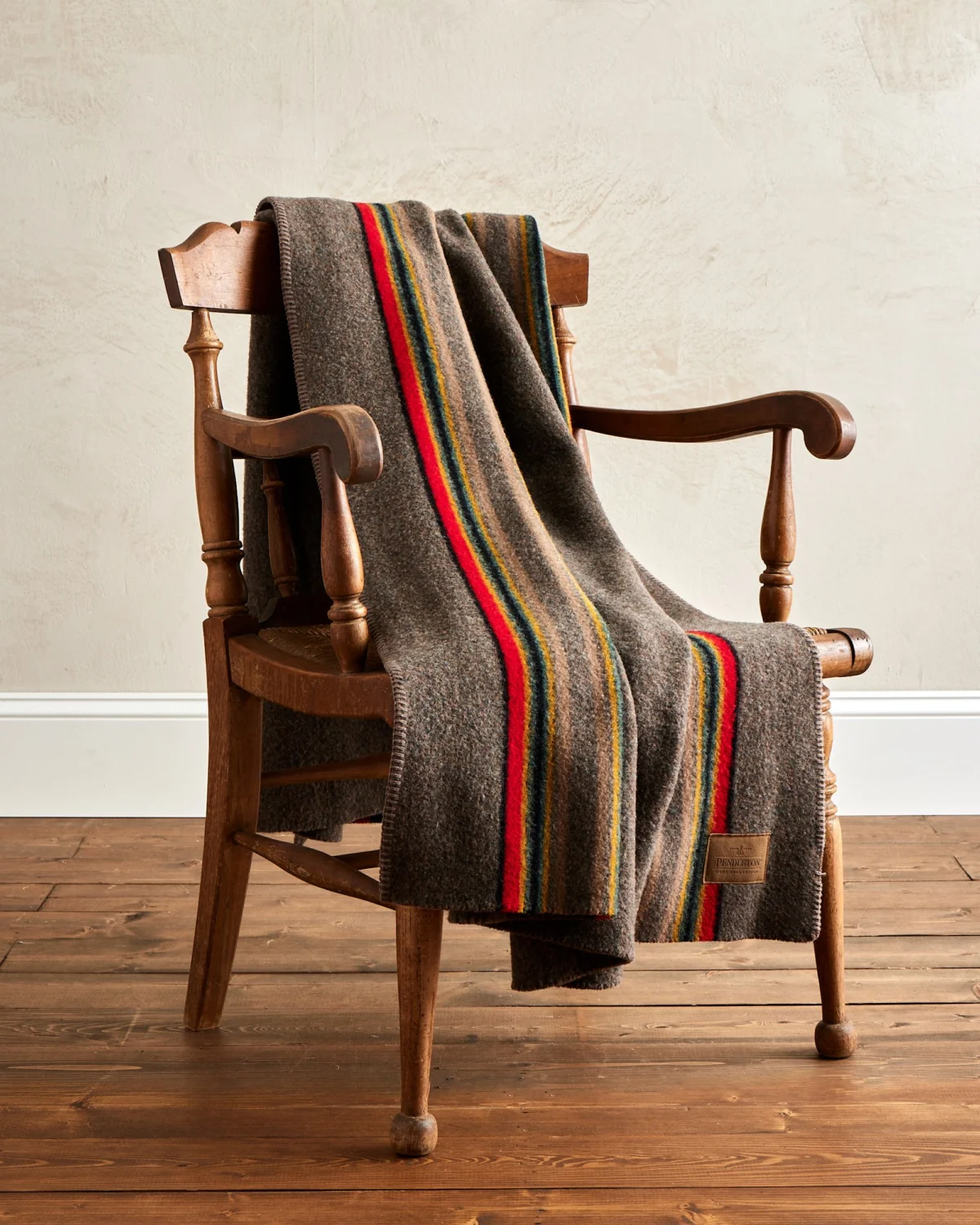
Pendleton
Founded in 1909, Pendleton is a heritage brand operating two of the remaining woolen mills in the United States. The company controls significant portions of its supply chain, directly scouring, dyeing, spinning, weaving, and hand-finishing wool and cotton for its Oeko-Tex-certified blankets. Pendleton maintains long-standing relationships with domestic wool growers and collaborates with Indigenous artists to produce its iconic geometric patterns, which are woven on traditional looms.
- Price Range: $60 – $529
- Availability: United States
Minna
Based in Upstate New York, Minna is a certified B Corporation and queer-led enterprise specializing in minimalist, abstract home textiles. Hand-loomed in small batches by artisan partners in Central and South America, Minna’s collection utilizes alpaca, Oeko-Tex-certified cotton, and merino wool. The brand practices radical transparency, explicitly listing the specific artisan groups responsible for crafting each product on its website.
- Price Range: $165 – $398
- Availability: International
April Notes
Specializing in earth-friendly home linens, April Notes manufactures breathable, hypoallergenic blankets using linen, cotton, and merino wool. All products are certified free of harmful chemicals and synthetic dyes. To mitigate textile waste and overproduction, the brand operates on a made-to-order manufacturing model, partnering exclusively with a boutique atelier in Lithuania to guarantee fair wages and safe labor conditions.
- Price Range: $149 – $180
- Availability: North America, Europe, United Kingdom, Australia, New Zealand, and select global markets.
Avocado
Headquartered in Los Angeles, Avocado is a certified B Corporation renowned for its sustainable sleep products. The company’s throw blanket collection features Oeko-Tex-certified organic cotton, alpaca wool, cashmere, merino wool, and recycled cotton. Notably, several alpaca throws utilize naturally occurring fleece colors, eliminating the need for dyes entirely. The remaining collection relies exclusively on azo-free dyes, supported by regular supply chain audits in Northern India.
- Price Range: $39 – $349
- Availability: United States
Coyuchi
Coyuchi focuses on low-impact home goods, utilizing organic cotton and wool sourced primarily from India. The company’s blankets are woven in Fair Trade-certified facilities across Turkey, Portugal, and Germany. Coyuchi provides detailed consumer education resources, including an online blanket guide designed to assist buyers in selecting textiles suited to their specific thermal and stylistic preferences.
- Price Range: $58 – $478
- Availability: United States
Savvy Rest
Operating as a certified B Corporation, Savvy Rest offers organic cotton, dye-free blankets ranging in size from throws to king-sized bedding. Emphasizing domestic production, the brand’s cotton is grown and woven entirely within the United States, reducing transportation emissions and supporting domestic agricultural standards.
- Price Range: $89 – $198
- Availability: United States
Under the Canopy
Under the Canopy manufactures its home textile collection across India, Pakistan, Turkey, and China, utilizing Oeko-Tex-certified low-impact dyes. The brand sources merino wool from Argentina and organic cotton from Turkey, focusing on durable construction and intentional aesthetic designs built for extended use.
- Price Range: $178 – $212
- Availability: United States
Boll & Branch
As a Fair Trade Certified bedding manufacturer, Boll & Branch prioritizes non-toxic industrial processing. Its luxury throws are handcrafted by artisan networks in India, Turkey, and Pakistan, utilizing fully traceable, Oeko-Tex-certified organic cotton and alpaca wool.
- Price Range: $149 – $699
- Availability: United States and Canada
Bearaby
While primarily recognized for its ergonomic weighted blankets designed to alleviate anxiety and improve sleep quality, Bearaby also produces lightweight decorative throws. The brand incorporates sustainable materials including Austrian Tencel, Indian organic cotton, and Oeko-Tex-certified recycled polyester.
- Price Range: $149 – $309
- Availability: United States
Cold Picnic
Operating out of Brooklyn, New York, Cold Picnic designs artistic home goods utilizing domestically sourced Oeko-Tex-certified recycled cotton. Its products are manufactured in small batches by a family-owned U.S. company, while its quilt line is handmade by traditional artisans in India.
- Consumer Note: Select blanket models incorporate polyester blends; buyers sensitive to synthetics are advised to review individual product specifications.
- Price Range: $130 – $560
- Availability: Worldwide
Parachute
Parachute is a direct-to-consumer home goods brand offering contemporary designs crafted from Oeko-Tex-certified cotton, alpaca wool, and linen. The company maintains an ethical supply chain through manufacturing partnerships with Fair Trade-certified facilities in Portugal and Turkey.
- Consumer Note: Certain items include minor polyester blends; verification of material composition is recommended prior to purchase.
- Price Range: $99 – $289
- Availability: United States and Canada
The Citizenry
The Citizenry operates on a direct-to-artisan model, partnering with global weaving communities to produce lightweight blankets and quilts from alpaca wool, mohair, linen, and organic cotton. Product listings detail the specific country, cooperative, and artisan traditions involved in creating each piece.
- Consumer Note: Select throws incorporate trace amounts of synthetic fibers.
- Price Range: $189 – $299
- Availability: United States and Canada
Made Trade
Functioning as an ethical online curated marketplace, Made Trade vets third-party manufacturers to verify sustainability claims. The platform allows consumers to filter inventory based on specific ethical metrics, including USA-made goods, artisan-handcrafted items, Fair Trade certification, and preferred raw material compositions such as hemp, linen, organic cotton, and recycled polyester.
- Consumer Note: Shoppers should utilize platform filters to screen out synthetic blends if seeking 100% natural fiber products.
- Price Range: $40 – $719
- Availability: International shipping across North America, Europe, Australia, and Asia.
Broader Industry Implications and Future Outlook
The growing consumer pivot toward sustainable and non-toxic home textiles reflects a broader structural shift within the global textile industry. As regulatory bodies in the European Union and North America tighten restrictions on hazardous chemical usage, microplastic shedding, and greenwashing claims, brands are increasingly compelled to adopt verifiable supply chain transparency.
Investing in certified organic, durable, and ethically produced blankets does more than enhance domestic comfort; it signals market demand for regenerative agricultural practices, fair labor compensation, and circular manufacturing models. By moving away from petrochemical-derived synthetics and supporting transparent artisan networks, consumers and manufacturers alike contribute to a more resilient, health-conscious global textile economy.