Reynand Holland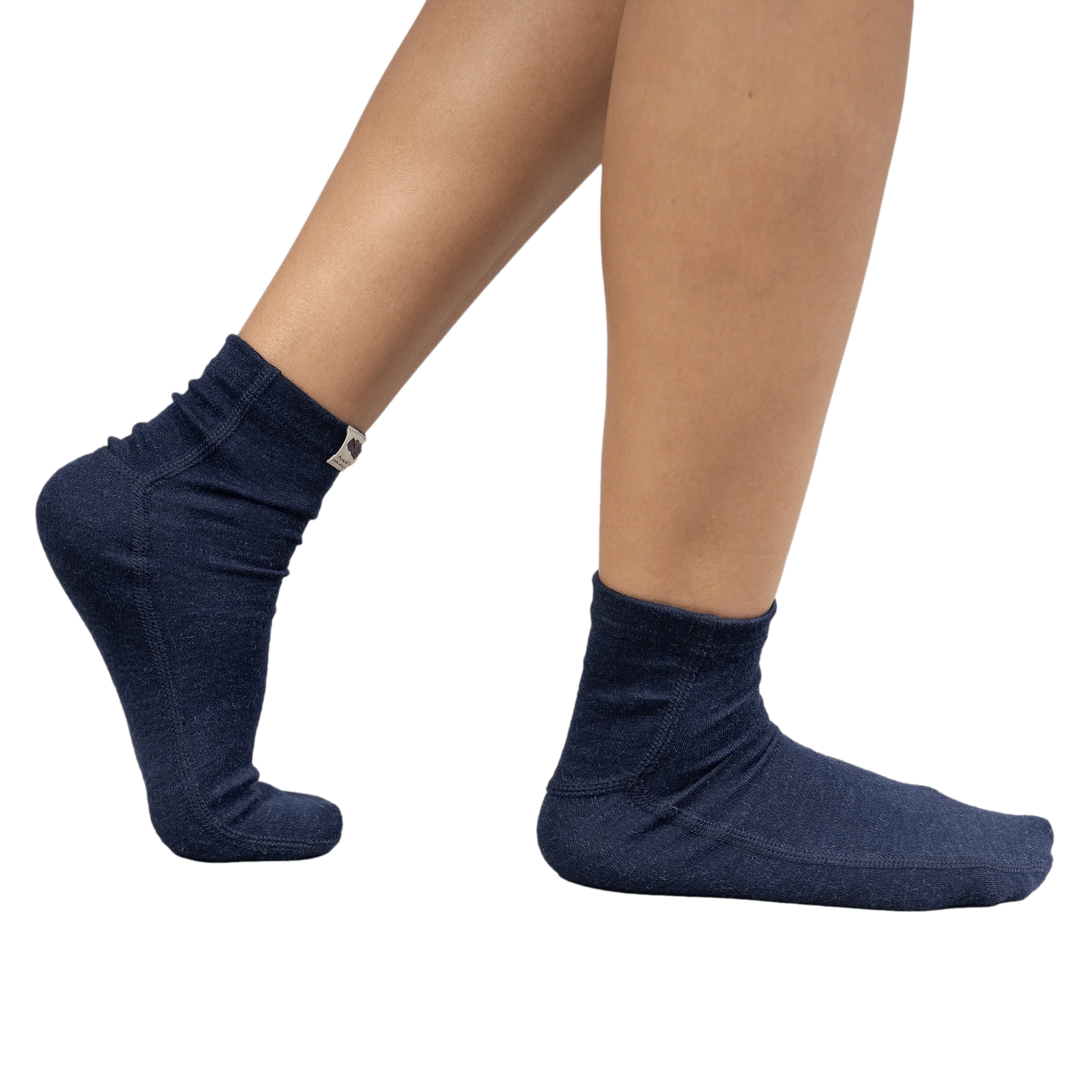
Socks are frequently overlooked as an insignificant component of the modern wardrobe, yet they play a critical role in daily physical comfort, thermoregulation, and skin health. In recent years, a growing body of dermatological and textile research has cast a harsh spotlight on conventional hosiery. Far from being benign accessories, many mass-market, synthetic socks are manufactured using chemical treatments and petroleum-derived plastics that can trigger severe skin sensitivities, exacerbate foot odor, and, in severe cases, introduce carcinogenic compounds directly to the human body. As consumer awareness shifts toward holistic wellness and environmental sustainability, a burgeoning sector of ethical apparel brands is reshaping the market with non-toxic, natural-fiber alternatives.
The Problem with Plastics: Chemical Sensitizers in Conventional Hosiery
To understand the necessity of the modern shift toward natural socks, one must examine the material composition of standard footwear accessories. The vast majority of commercially available socks rely heavily on synthetic fibers such as polyester, nylon, acrylic, and elastane. While these materials offer high elasticity, low production costs, and durability, they fundamentally alter the microclimate of the foot. Unlike natural fibers, synthetics lack effective moisture-wicking properties; instead, they trap sweat and heat against the skin, creating an ideal breeding ground for odor-causing bacteria.
Beyond odor retention, the chemical treatments applied to synthetic textiles present significant health hazards. Azo-benzene disperse dyes, commonly utilized to impart vibrant colors to polyester and nylon, are well-documented skin sensitizers. According to toxicological studies published in peer-reviewed medical literature, certain azo dyes can break down under the influence of bacterial enzymes and perspiration to release carcinogenic aromatic amines. When absorbed through the skin—a process accelerated by the friction, warmth, and moisture inherent in enclosed footwear—these chemicals pose localized and systemic health risks. Consequently, individuals suffering from contact dermatitis, eczema, or chronic foot irritation are increasingly advised by medical professionals to eliminate synthetic dyes and petroleum-based fabrics from their wardrobes.
The Evolution of Sustainable Standards and Certifications
Recognizing the chemical burdens carried by conventional garments, the sustainable fashion movement has established rigorous auditing frameworks to verify the safety and ethical production of non-toxic hosiery. Navigating the market for skin-safe socks requires familiarity with several key textile certifications:
Oeko-Tex Standard 100: This independent testing and certification system limits the use of hundreds of regulated and unregulated hazardous substances in textile production, ensuring that finished garments are chemically safe for human use.
bluesign: A holistic system that traces the entire textile supply chain to approve chemical inputs and eliminate harmful substances at the manufacturing stage, safeguarding both workers and consumers.
Responsible Wool Standard (RWS) and Responsible Alpaca Standard (RAS): These agricultural benchmarks guarantee animal welfare, verifying that fibers are harvested without practices such as mulesing—a painful surgical procedure historically used to prevent parasitic infections in sheep.
Global Organic Textile Standard (GOTS): The worldwide leading processing standard for organic fibers, encompassing ecological and social criteria backed by independent certification of the entire textile supply chain.
Fair Trade and B Corp Certifications: These designations validate that manufacturing facilities adhere to fair labor practices, provide living wages, and maintain transparent corporate governance.
A Comprehensive Directory of Non-Toxic, Sustainable Sock Brands
For consumers seeking to mitigate skin sensitivities without compromising on style, functionality, or ethical values, the market now offers diverse options ranging from completely synthetic-free wool and cotton to certified organic blends.
Harvest & Mill
Operating out of the United States, Harvest & Mill champions a localized, hyper-transparent supply chain. The brand specializes in dye-free organic cotton socks that preserve the natural hues of the raw fibers. By cultivating, spinning, and knitting its cotton entirely domestically, the company drastically reduces its carbon footprint. Furthermore, Harvest & Mill maintains a zero-waste manufacturing ethos, recycling or repurposing all fabric scraps, and ships its products in home-compostable packaging.
Subset
Formerly known as Knickey, Brooklyn-based Subset offers Oeko-Tex-certified, Fair Trade organic cotton socks produced in India. Designed with a sleek, low-profile aesthetic, these socks utilize tightly embedded elastic to prevent direct skin contact with rubber or synthetic bands, making them suitable for individuals prone to cuff-induced contact dermatitis. While containing roughly 24% synthetic content for structural integrity, Subset’s adherence to PFAS-free manufacturing ensures a cleaner consumer experience.
Paka
For consumers residing in harsh climates or engaging in winter outdoor activities, Paka delivers heavyweight performance through alpaca wool and Tencel blends. Certified as a B Corp, Paka sources its alpaca fibers from Peruvian artisans who utilize eco-friendly, Oeko-Tex-certified dyes. Alpaca wool is naturally thermal-regulating, moisture-wicking, and antimicrobial, though consumers should note that Paka’s heavier-duty winter models incorporate up to 50% recycled synthetics to enhance durability.
Arms of Andes
Standing out as a rarity in the modern apparel landscape, Arms of Andes manufactures 100% pure alpaca fiber socks completely free of synthetic blends. Sourced from free-range alpacas in the high Andes, these Oeko-Tex-certified slipper socks offer exceptional natural insulation and breathability without relying on elastane or nylon. The brand collaborates directly with local agricultural co-operatives to oversee every stage of production from raw shearing to final assembly.
Cottonique
Designed explicitly for individuals with severe dermatological conditions, Cottonique produces 100% organic cotton, allergy-free hosiery. Completely free of latex, bleach, and synthetic dyes, Cottonique’s products feature exterior-facing or covered seams to prevent mechanical friction against delicate skin. Developed in consultation with dermatologists, these hypoallergenic socks are manufactured in dedicated facilities in the Philippines using Indian organic cotton.
Boody
Headquartered in Sydney, Australia, Boody utilizes Oeko-Tex-certified organic bamboo viscose as the primary material for its extensive line of lifestyle and athletic socks. Bamboo fiber is celebrated for its silky texture, superior breathability, and natural moisture management. Boody ensures ethical labor standards by partnering exclusively with WRAP-certified facilities across China, Vietnam, and India.
Kotn
As a certified B Corp, Kotn builds direct-trade relationships with smallholder cotton farmers in Egypt, ensuring fair compensation and long-term economic stability. Kotn’s organic cotton socks are colored using Oeko-Tex-certified non-toxic dyes, providing a polished, professional aesthetic backed by full supply chain traceability and recyclable packaging.
Quinn
Engineered specifically for individuals managing chronic skin conditions such as eczema, Quinn offers a diverse portfolio of organic cotton and merino wool socks. Designed in Canada and manufactured in audited facilities in Portugal and Sri Lanka, Quinn provides both dye-free cotton options and mid-weight wool alternatives featuring reinforced, cushioned heels for enhanced durability and comfort.
Cariloha
Specializing in bamboo-derived textiles, Cariloha creates hypoallergenic socks that blend bamboo viscose with organic cotton. Certified by Oeko-Tex and Fair Trade, the brand implements rigorous environmental standards while utilizing Forest Stewardship Council (FSC)-certified paper packaging to minimize consumer waste.
Dedicated
Based in Sweden, Dedicated combines bold, expressive patterns with stringent ethical oversight. The brand utilizes Fair Trade certified organic cotton sourced from WRAP-certified suppliers, providing transparent manufacturing data directly on its product listings while ensuring high standards of organic textile processing.
Darn Tough
Renowned for durability, Darn Tough manufactures its merino wool socks in family-owned mills located in Vermont, USA. Utilizing RWS-certified wool and Oeko-Tex-approved chemical formulations, the brand maintains a strict restricted substances list. Darn Tough supports its products with a lifetime guarantee, reflecting a commitment to circularity and reduced consumption.
Nisolo
Known primarily for sustainable footwear, certified B Corp Nisolo offers a complementary line of socks crafted from upcycled cotton, linen, wool, and recycled polyester in a generational North Carolina mill. While incorporating higher percentages of synthetics for stretch and longevity, the brand distinguishes itself through rigorous supply chain mapping and a commitment to living wages for all workers.
Swedish Stockings
Addressing the specialized market for hosiery, knee-highs, and ankle socks, Swedish Stockings produces garments in Italy using Oeko-Tex-certified bamboo viscose, organic cotton, and recycled synthetic materials. The brand operates a dedicated recycling program for old hosiery, addressing the notoriously difficult waste stream of synthetic undergarments.
Broader Implications for the Textile Industry and Consumer Health
The rising demand for non-toxic, natural-fiber hosiery highlights a broader paradigm shift within the global fashion industry. For decades, the proliferation of cheap, petroleum-based textiles externalized the true costs of production onto environmental ecosystems and consumer health. The widespread prevalence of skin sensitivities, combined with growing scrutiny over microplastic shedding and hazardous chemical runoff, has forced brands to reevaluate their material sourcing strategies.
As regulatory bodies in the European Union and various North American jurisdictions tighten restrictions on hazardous chemical usage—such as ongoing legislative efforts to restrict PFAS and harmful dye intermediates—the market advantages enjoyed by fast-fashion synthetic producers are beginning to wane. Investments in traceable organic agriculture, ethical supply chains, and transparent chemical management are no longer viewed merely as niche marketing angles, but as foundational requirements for future-proofing apparel brands.
Ultimately, the transition toward clean, skin-safe socks demonstrates that minor wardrobe adjustments can yield meaningful benefits for both individual health and global sustainability. By prioritizing natural fibers, certified non-toxic dyes, and ethical labor practices, consumers can actively participate in dismantling the linear, polluting models of the past in favor of a regenerative textile economy.