Ali Ikhwan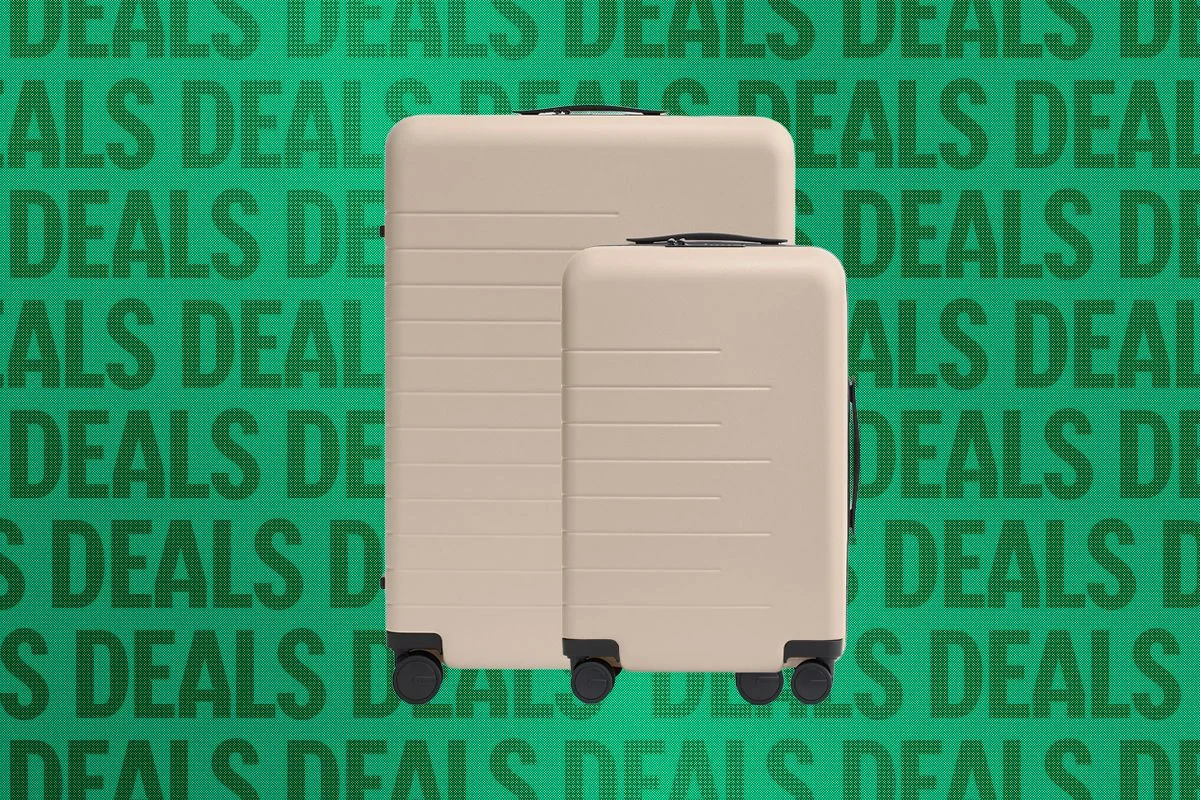
The direct-to-consumer (DTC) luggage market has undergone a significant transformation over the last decade. Brands like Away disrupted a legacy industry defined by expensive, heritage-labeled suitcases by offering high-quality, polycarbonate luggage at a "mid-market" price point—typically ranging from $300 to $450. However, the emergence of newer entrants, most notably Quince, is challenging the established status quo by utilizing lean supply chain models to offer nearly identical specifications at a fraction of the cost.
The Evolution of the Travel Luggage Industry
For decades, the luggage sector was dominated by a handful of companies that maintained high margins through traditional retail distribution. The introduction of the DTC model in the mid-2010s focused on removing wholesale markups, effectively lowering costs while maintaining premium design aesthetics. Away, launched in 2015, became the industry bellwether, leveraging social media marketing and a minimalist "Instagrammable" design language to capture a younger demographic of travelers.
By 2020, the market began to shift again. As manufacturing capabilities became more democratized and global logistics networks matured, companies began seeking ways to further strip out costs. Quince, a platform that describes itself as a "factory-to-closet" retailer, has aggressively targeted these premium categories, applying the same principles—transparency, direct manufacturing, and minimal overhead—to categories ranging from Mongolian cashmere to hard-shell travel gear.
Comparative Analysis: Engineering and Specifications
When evaluating the Quince Expandable Small Carry-On and Large Check-In Suitcase Set against industry benchmarks, the technical specifications reveal a striking degree of parity. Both the Quince bundle and comparable offerings from high-end competitors utilize high-grade, durable polycarbonate shells. Polycarbonate is favored in the industry for its high impact resistance and lightweight profile, as opposed to cheaper, more brittle ABS plastics or heavier aluminum frames.
Data from product comparisons indicate that both Quince and its primary competitors incorporate industry-standard hardware, including:
- 360-degree silent-run spinner wheels: Designed for stability and maneuverability across varied airport surfaces.
- Travel Sentry-approved TSA locks: Essential for international travel and security compliance.
- Expandability features: A critical component for modern travelers seeking to maximize packing capacity without exceeding standard airline size restrictions.
- Interior organization: Both brands feature compression systems and integrated laundry bags, which have become a functional requirement for the modern luggage consumer.
While Away’s "Flex" series and the Quince luggage set share similar internal dimensions, real-world testing suggests that the Quince model is slightly lighter, a factor that appeals to travelers navigating increasingly stringent airline weight limits. Furthermore, the structural integrity of these hard-shell cases is comparable, with both companies offering lifetime warranties that cover cracks in the shell or damage to wheels and handles.
The Economics of the "Dupe" Market
The term "dupe" has gained significant traction in consumer retail, often referring to products that mimic the design and functionality of high-end brands at a lower price. From a supply chain perspective, the price discrepancy between a $270 set from Quince and a similarly configured set from a premium competitor—which could exceed $750 when purchased individually—is primarily driven by differences in operating models.
Premium luggage brands often invest heavily in physical retail storefronts, extensive lifestyle marketing campaigns, and high-profile partnerships. These expenditures are baked into the unit cost. Quince, conversely, operates with a significantly smaller physical footprint and a reliance on digital-first marketing, passing those savings directly to the consumer. This model, while disruptive, has forced legacy DTC brands to re-evaluate their pricing strategies and value propositions in an era of heightened economic sensitivity.
Chronology of Market Shifts
- 2015–2018: The "Away Era" begins. DTC luggage becomes a status symbol, with a focus on integrated batteries (which were later phased out due to FAA regulations) and aesthetic consistency.
- 2019–2021: The COVID-19 pandemic causes a massive downturn in travel, leading to a surplus of inventory and a period of consolidation. Brands pivot to "staycation" or home-organization products.
- 2022–2023: As travel demand surges to pre-pandemic levels, consumers exhibit "revenge travel" behaviors but show increased price sensitivity due to inflation.
- 2024: The market matures into a state of "commoditized premium." Consumers prioritize functional longevity and price-to-value ratios over brand status, providing a window for value-oriented retailers to capture market share.
Consumer Rights and Warranty Policies
A critical differentiator for modern luggage companies is the return and warranty policy. In an industry where physical inspection of goods is often impossible prior to purchase, a generous return window is essential for brand trust. Quince’s implementation of a 365-day return policy for unused products stands out as a significant competitive advantage compared to the 100-day windows typical of many competitors.
This policy shift implies a high level of confidence in product quality and represents a calculated risk aimed at lowering the barrier to entry for first-time customers. For the average traveler, the ability to test a suitcase for nearly a full year before being locked into a purchase decision is a powerful incentive, particularly when the price point is significantly lower than the market incumbent.
Broader Implications for Retail
The success of the Quince model suggests that the "premium" label is becoming increasingly difficult to justify based on design alone. As consumers become more informed through social media and independent review platforms, the "luxury tax"—the premium paid solely for a brand logo—is shrinking.
Industry analysts note that this trend is not limited to luggage. Retailers that can successfully replicate the core functionality of popular products while maintaining transparency in manufacturing costs are poised to dominate the next cycle of retail. For the consumer, this signifies a move toward a more utilitarian marketplace where quality is no longer tethered to high-status branding.
Conclusion
The shift toward affordable, high-performance travel gear is indicative of a larger trend in consumer behavior. As the lines between premium brands and their more affordable counterparts blur, the primary differentiator for consumers has become the value proposition—the intersection of build quality, warranty support, and total cost. While established names like Away continue to command a segment of the market through brand loyalty and aesthetic recognition, the rapid rise of companies like Quince signals that the era of paying a premium for standard polycarbonate luggage may be coming to a close. For the budget-conscious traveler, the current market offers more options than ever, provided they are willing to look past the label.