 Cintya Tara Annisa
The landscape of higher education has long been defined by its intellectual rigor, but in recent decades, it has also become a critical nexus for specialty coffee culture. As universities strive to create more integrated, "lifestyle-oriented" campus environments, the arrival of premium roasters has become a hallmark of modern development. The latest significant development in this sector is the arrival of San Francisco-based Sightglass Coffee, which officially opened its doors on May 8, 2026, at the University of California, Berkeley. Located within the ground floor of the newly developed Helen Diller Anchor House at the intersection of University Avenue and Oxford Street, the cafe serves as a high-profile anchor for both the campus community and the surrounding downtown Berkeley district.
A Legacy of San Francisco Craftsmanship
Founded in 2009 by brothers Justin and Jerad Morrison, Sightglass Coffee established itself as a pioneer of the "theatrical" roasting movement. By placing the roasting equipment in the center of their retail spaces, the company stripped away the traditional barriers between production and consumption. Today, the company operates under women-led leadership, maintaining its commitment to small-batch roasting and direct-trade sourcing.
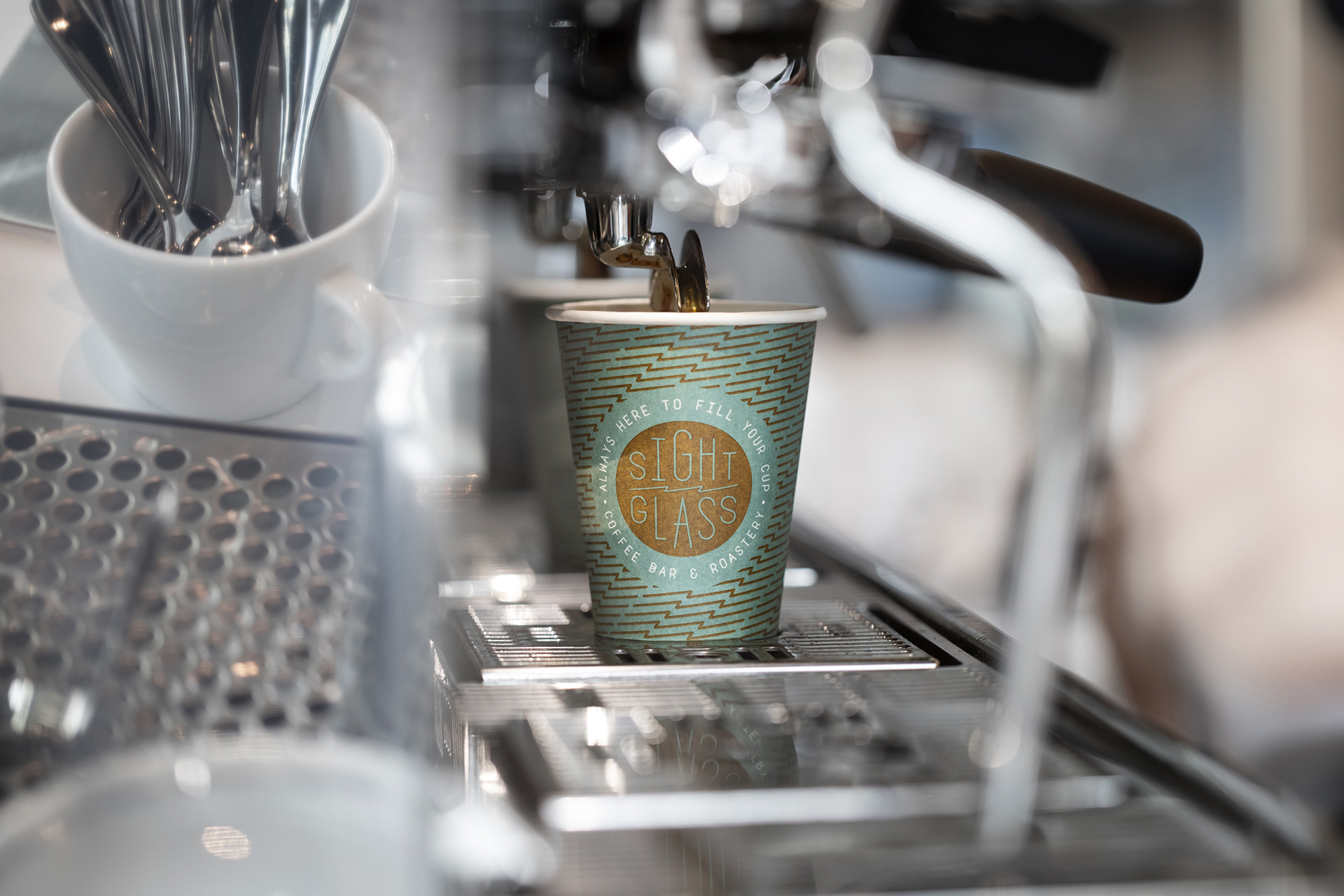
The Berkeley location marks the company’s fifth retail outpost, joining a portfolio that includes three locations in San Francisco and one in Los Angeles. The decision to expand into the East Bay represents a strategic move to capture the high-density foot traffic of a major research university, aligning the brand with an demographic that increasingly prioritizes traceability, sustainability, and quality in their daily caffeine consumption.
Architectural Innovation and Design Philosophy
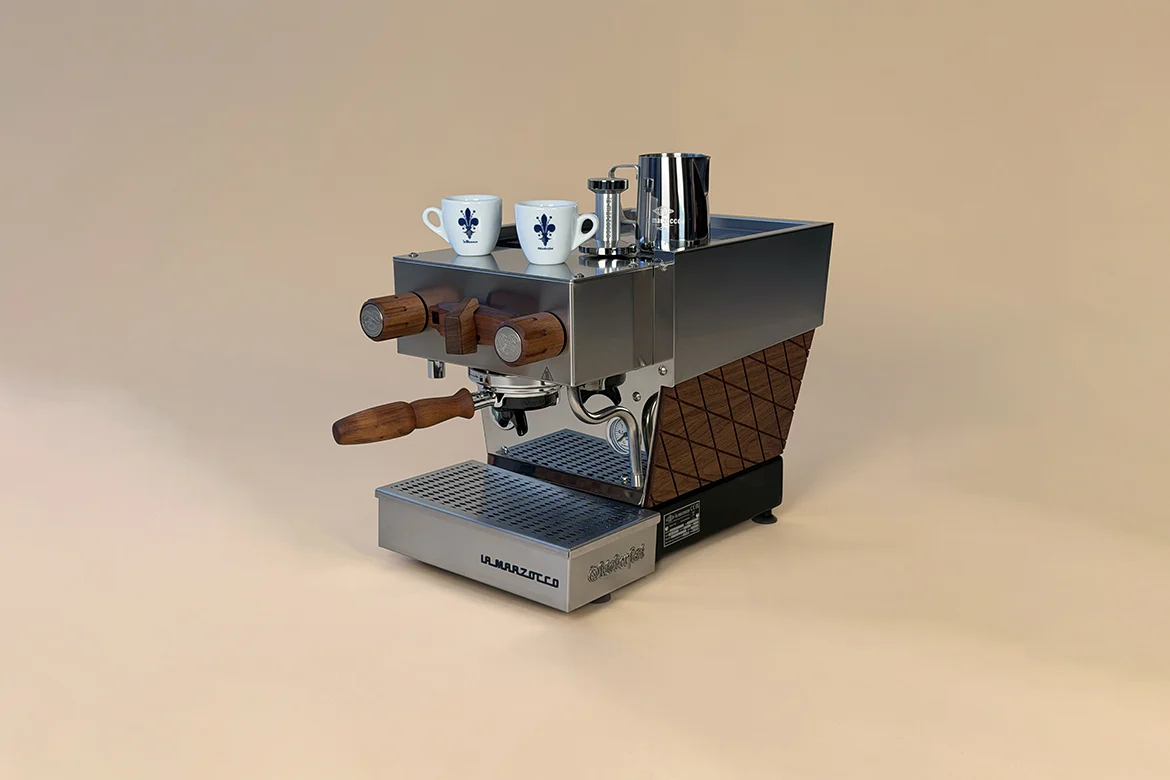
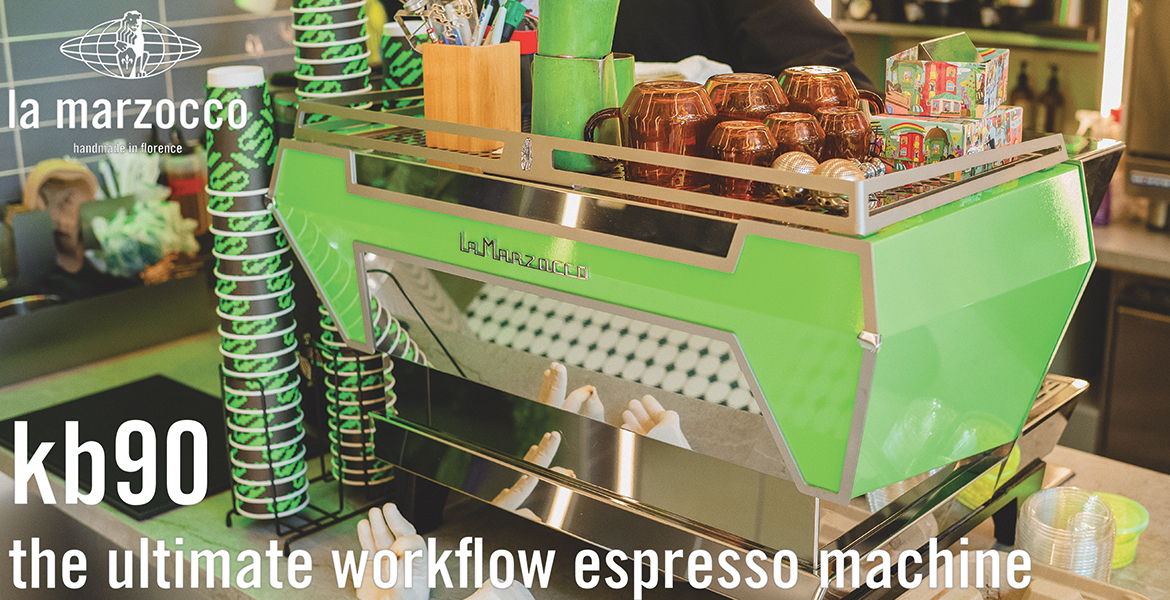
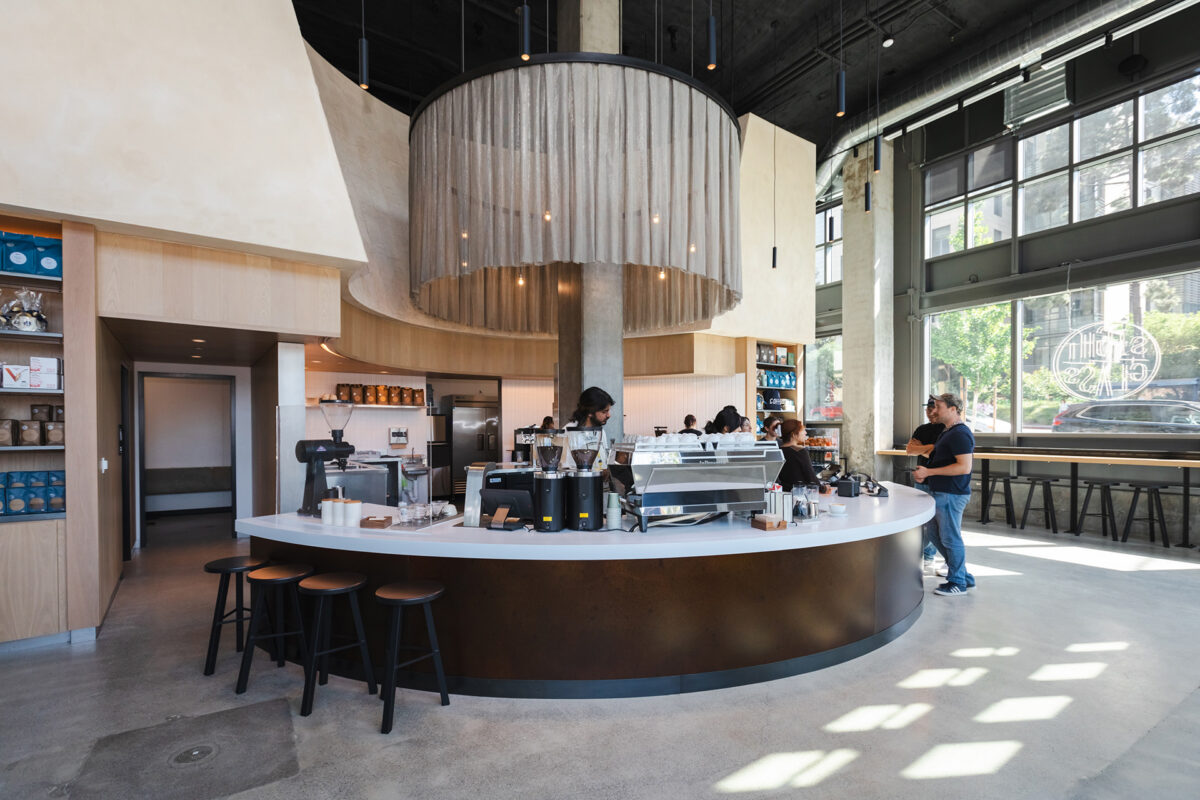
The design of the new Berkeley cafe, spearheaded by the renowned Lundberg Design, represents a departure from traditional coffee bar layouts. Eschewing the conventional back-bar configuration, the design team created a central, curved, and open-plan bar. This layout ensures that all equipment, including the high-precision La Marzocco espresso machines, is visible to the customer, reinforcing the company’s "no-hidden-work" philosophy.
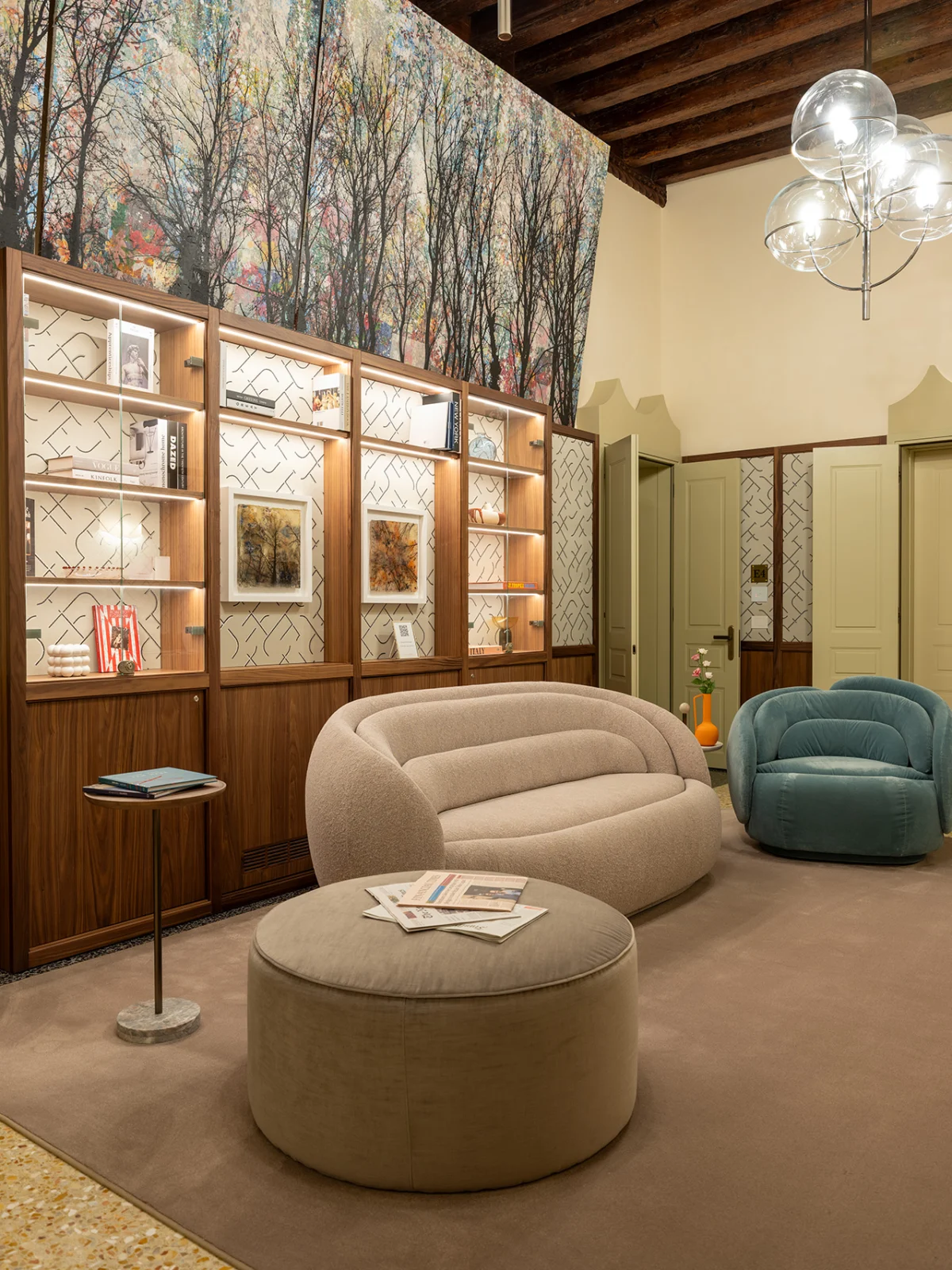
Lundberg Design drew technical inspiration from the mechanics of the coffee process itself. The interior features a mechanical soffit modeled after the conical shape of a coffee bean hopper, while a bespoke drum constructed of steel and stainless mesh serves to filter natural light entering through the floor-to-ceiling windows. The choice of materials—fluted tile reflecting the folds of a paper filter and hand-raked plaster in a soft, latte-inspired hue—was selected not only for aesthetic cohesion but for longevity.
According to project representatives, the space was designed as a "kit of parts" rather than a rigid template. This modular approach is intended to allow for future iterations of the brand’s design language to be implemented across new locations without the need for total renovations, emphasizing a long-term sustainability strategy that prioritizes durability over short-lived trends.
Sustainability as a Core Metric
The environmental impact of modern coffee retail is under constant scrutiny, and the Berkeley Sightglass location addresses this through a multi-tiered sustainability strategy.
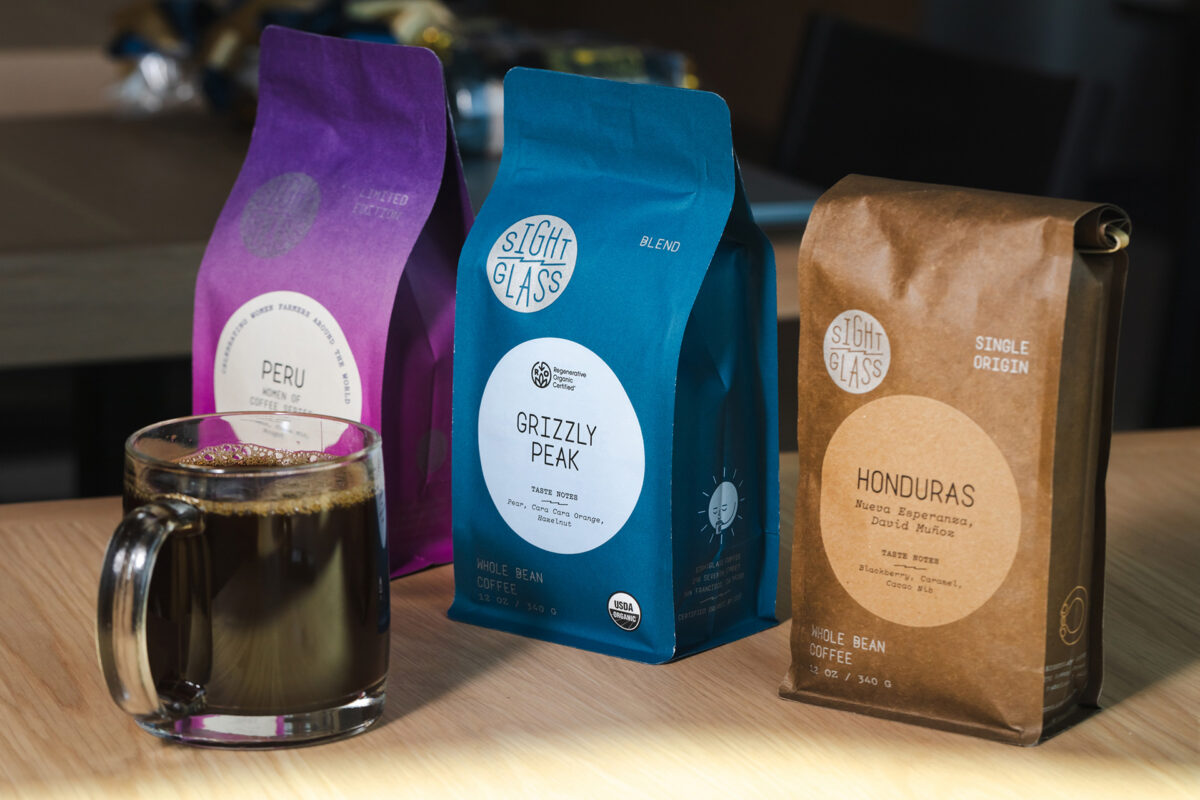
First, the company has integrated a robust sourcing model. The inaugural coffee for the Berkeley location, titled "Grizzly Peak," is the company’s first Regenerative Organic Certified (ROC) offering. By moving toward contract harvest agreements, Sightglass aims to insulate producers from the volatility of commodity markets, enabling farmers to plan years ahead rather than operating on a single-season basis.
Second, the operational footprint of the cafe is inherently tied to the building it occupies. The Helen Diller Anchor House is a LEED Gold-certified structure, featuring significant rooftop solar arrays that generate approximately 30 percent of the building’s total cooling demand. By locating within a high-performance building, Sightglass significantly lowers the energy intensity of its operations compared to retrofitting older, less efficient commercial properties.
Finally, the cafe’s interior design prioritizes "patina-ready" surfaces. By selecting materials that age well, the company aims to extend the lifecycle of the cafe’s interior, arguing that the most sustainable build-out is one that does not require a "rip-and-replace" cycle every five years.
The Economic and Social Context
The arrival of a brand like Sightglass on the UC Berkeley campus is indicative of a broader trend in university urban planning. As residential and academic buildings become more porous, integrating retail and community space is essential for creating a vibrant, 24-hour campus environment.
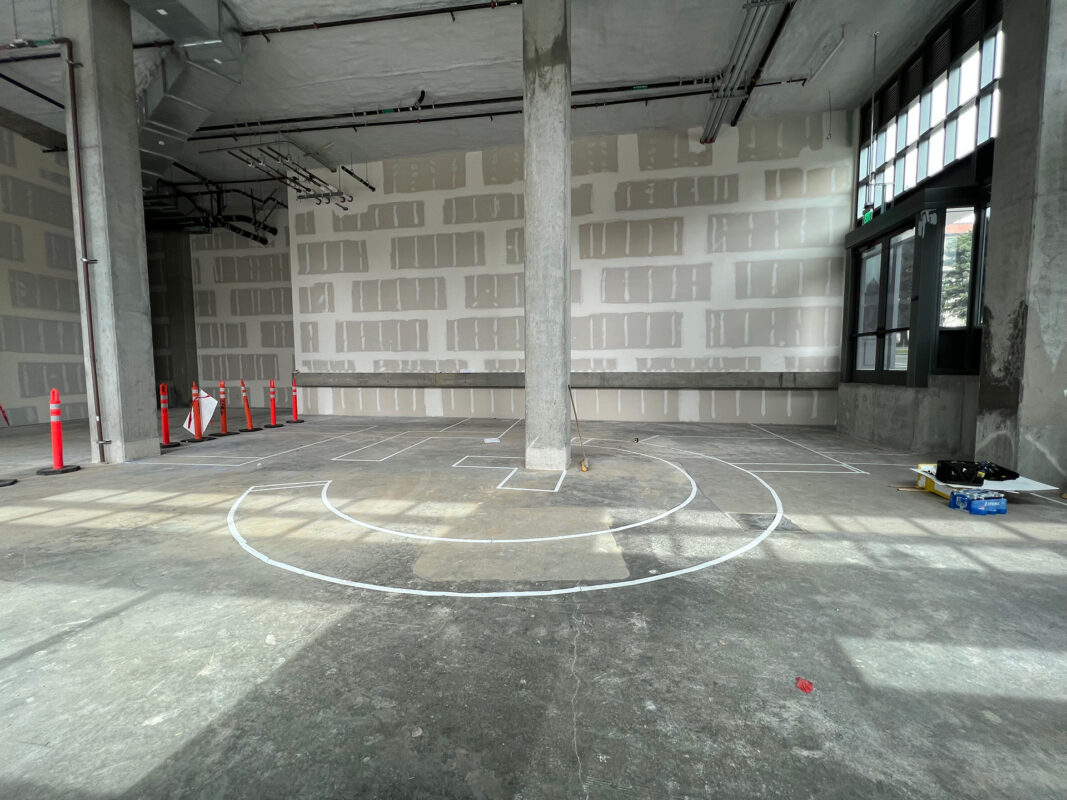
The East Bay coffee market is notoriously competitive, with a deep history of independent roasters and established chains. Sightglass’s entry into this market is not merely a retail expansion; it is an attempt to integrate into a community that demands high social responsibility. The partnership with the Helen Diller Anchor House—a project designed to provide graduate student housing—positions the cafe as a central social hub, potentially serving thousands of students, faculty, and local residents daily.
Implications for the Coffee Industry
The "Build-outs of Coffee" initiative, which chronicles the development of new cafes globally, has documented a shift toward more transparent, high-efficiency spaces. The Sightglass Berkeley model offers several implications for the future of the industry:
- The Death of the "Back Bar": As consumers become more educated about coffee preparation, the demand for transparency increases. The central, barrier-free bar will likely become the standard for premium retail.
- Contract-Based Sourcing: The move away from spot-market purchasing toward long-term contracts for harvest cycles suggests that roasters are increasingly viewing supply chain stability as a competitive advantage.
- Institutional Integration: Future growth for major specialty roasters may increasingly rely on partnerships with large institutional landlords (universities, tech campuses, and major transit hubs) rather than traditional high-street retail leases.
Looking Forward
As of the third quarter of 2026, the initial feedback on the Berkeley location has been largely focused on its technical integration and its role as a "blueprint" for future expansions. By successfully marrying the high-volume, high-pace environment of a university campus with the nuanced, detail-oriented culture of a specialty roaster, Sightglass has set a new benchmark for how institutional-adjacent retail should function.
While the brand continues to manage its existing locations in San Francisco and Los Angeles, the success of the Berkeley project provides a clear roadmap for further expansion into the East Bay. The emphasis on regenerative agriculture and modular design serves as a case study for companies looking to scale without sacrificing the core values of quality and environmental stewardship.
In the broader context of the 2026 coffee landscape, the Sightglass Berkeley opening is more than just the addition of another cafe; it is a signal of the maturation of the industry, where design, sustainability, and agricultural ethics are no longer optional "value-adds," but the foundational pillars of modern commerce. As students and staff gather at the corner of University and Oxford, they are participating in a system that links the ridge of Grizzly Peak to the specific, calculated geometry of a steel-mesh filtered bar, proving that even in the fast-paced world of academia, the process—and the provenance—still matter.