
 Hanik Kholidah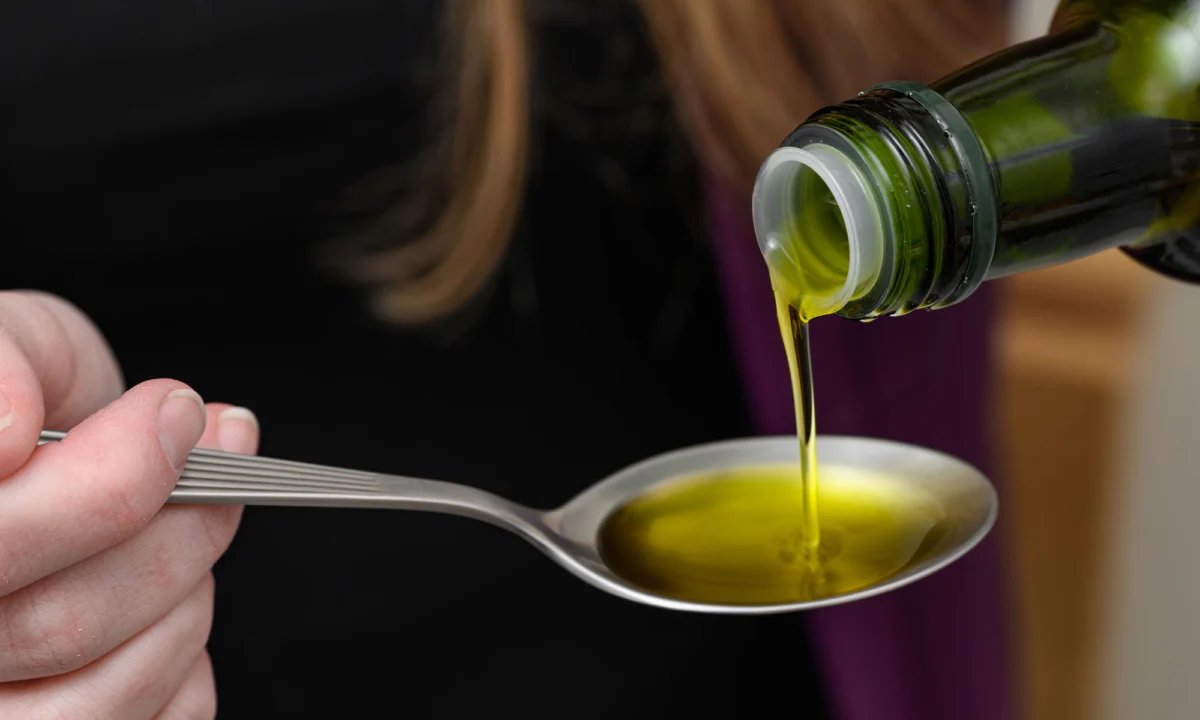
The global wellness community has long championed extra virgin olive oil as a cornerstone of cardiovascular health, metabolic function, and anti-inflammatory nutrition. For generations, dietary guidelines have recommended integrating this Mediterranean staple into everyday cooking, vinaigrettes, and marinades. However, a growing wellness trend has bypassed culinary application entirely in favor of a direct approach: consuming a straight spoonful of olive oil daily.
While taking dietary oils directly may seem unorthodox to culinary traditionalists, proponents argue that this practice maximizes the intake of beneficial polyphenols and healthy monounsaturated fats without diluting them through cooking processes. To examine the real-world effects of this regimen, Registered Dietitian Nutritionist Molly Knudsen recently spoke with Bahar Ayar, a corporate professional who has maintained a daily olive oil supplementation habit for fifteen consecutive months. Their discussion sheds light on the practical motivations, digestive responses, and broader nutritional implications of incorporating a spoonful of cold-pressed oil into a pre-meal routine.
Motivations and Origins of the Routine
The adoption of Ayar’s daily olive oil ritual began fifteen months prior to her interview with Knudsen, sparked by proactive health management and family medical history. Growing up, Ayar observed close family members managing thyroid imbalances and associated metabolic challenges. Routine diagnostic blood work revealed early indicators that mirrored her family’s predisposition, prompting her to research nutritional interventions capable of supporting metabolic and endocrine pathways.
Scientific literature increasingly highlights the interconnected nature of gut health, systemic inflammation, and endocrine function. Research indexed in major medical databases underscores that polyphenol-rich dietary fats can modulate gut microbiota composition and reduce systemic inflammatory markers, which indirectly supports thyroid homeostasis. Faced with these findings, Ayar evaluated her daily routine to identify sustainable dietary adjustments.
Because her baseline nutrition relied heavily on whole foods prepared with minimal added cooking oils, traditional methods of increasing healthy fat intake—such as heavy pan-frying or excessive roasting—did not align with her culinary preferences. Pouring a measured tablespoon of extra virgin olive oil directly into a spoon offered a frictionless solution. It required zero meal preparation changes, preserved the chemical integrity of the oil by avoiding high-heat cooking, and provided a precise, repeatable dosage of beneficial lipids.
Digestive Responses and Symptom Management
The most pronounced change Ayar reported over the 15-month timeline centered on gastrointestinal comfort. Prior to adopting the routine, she frequently experienced post-prandial discomfort, abdominal pressure, and bloating when consuming specific food groups. Following the consistent introduction of a pre-meal spoonful of extra virgin olive oil, these acute sensitivities noticeably diminished, and meals that once triggered mild distress became significantly easier to tolerate.

This anecdotal observation aligns with a growing body of gastroenterological research. Extra virgin olive oil acts as a biological modulator within the gastrointestinal tract. Clinical studies indicate that high-quality olive oil encourages the proliferation of beneficial gut microflora, specifically strains such as Lactobacillus and Bifidobacterium, which play a critical role in nutrient breakdown and mucosal barrier integrity.
Furthermore, clinical trials investigating fat-rich dietary interventions have noted correlations between regular consumption of extra virgin olive oil and the amelioration of functional gastrointestinal disorders, including chronic bloating and feelings of incomplete gastric emptying. Because dietary fats stimulate the release of cholecystokinin—a hormone that regulates gallbladder contraction and pancreatic enzyme secretion—a small bolus of healthy fat consumed shortly before a meal may prime the digestive tract, facilitating smoother enzymatic processing of subsequent macronutrients.
Chronology and Protocol Implementation
Establishing a sustainable health habit requires consistency, and Ayar’s protocol quickly evolved into a fixed behavioral anchor. Rather than taking the supplement haphazardly throughout the day, she integrated the practice into a strict pre-meal window, typically preceding lunch or dinner by several minutes.
The mechanics of her routine are straightforward:
- Dosage: Exactly one standard tablespoon, ensuring compliance with established research indicating that one to two tablespoons daily provide optimal physiological benefits without caloric excess.
- Timing: Consistently executed before a primary meal. Ayar explicitly avoided post-meal supplementation to prevent feelings of over-fullness or sluggishness.
- Product Selection: While not wedded to a specific commercial brand, Ayar exclusively utilizes cold-pressed, extra virgin olive oil. This distinction is critical, as mechanical cold-pressing preserves delicate phenolic compounds and antioxidants that are frequently degraded by heat or chemical extraction methods.
This structured chronology transformed the intervention from a conscious chore into an automatic habit. Within weeks, the taste profile of the raw oil transitioned from an acquired sensation to a neutral, expected prelude to dining.
Nutritional Data and Regulatory Recognition
The physiological rationale supporting the consumption of extra virgin olive oil is anchored in decades of rigorous nutritional science. Olive oil is exceptionally rich in oleic acid, a monounsaturated omega-9 fatty acid, alongside an array of bioactive minor components, including tocopherols, phytosterols, and phenolic compounds such as oleocanthal and oleuropein.
Regulatory bodies have increasingly acknowledged the profound systemic benefits of these constituents. The U.S. Food and Drug Administration (FDA) has completed reviews confirming qualified health claims regarding the consumption of oleic acid and its role in reducing the risk of coronary heart disease. Specifically, replacing saturated fats with oils containing high levels of oleic acid supports healthier lipid profiles, notably by maintaining optimal low-density lipoprotein (LDL) cholesterol levels while preserving high-density lipoprotein (HDL) metrics.

Beyond cardiovascular metrics, the phenolic compounds present in extra virgin olive oil exert potent antioxidant and antimicrobial effects. These compounds resist gastric acidity, allowing them to reach the distal sections of the gastrointestinal tract intact, where they selectively inhibit pathogenic bacteria while nourishing beneficial microbial populations. This dual action underpins the improvements in gut motility and reductions in inflammatory bloating reported by long-term consumers.
Expert Perspectives and Alternative Delivery Methods
While personal accounts like Ayar’s provide valuable qualitative insights, nutritional science emphasizes that direct ingestion is merely one mechanism among many to achieve optimal lipid intake. Registered dietitians stress that the human body extracts identical systemic and gastrointestinal benefits whether extra virgin olive oil is consumed off a spoon or integrated directly into a balanced meal.
For individuals who find the sensory experience of swallowing raw oil unappealing, numerous culinary alternatives achieve the exact same biochemical outcome:
- Cold Vinaigrettes: Whisking raw olive oil with citrus juice or vinegar for salad dressings preserves the integrity of heat-sensitive polyphenols.
- Finishing Oils: Drizzling a generous splash over warm soups, steamed grains, or roasted vegetables immediately prior to serving imparts flavor while keeping the oil below its smoke point.
- Dip Formulations: Pairing high-quality extra virgin olive oil with balsamic vinegar and whole-grain artisan bread provides a traditional, enjoyable vehicle for consumption.
Dietitians advise that adherence remains the single most critical factor in any nutritional protocol. If a spoonful a day fosters consistency, it represents a valid and efficient health hack. However, forcing an unpleasant routine is counterproductive when identical benefits can be realized through enjoyable culinary applications.
Broader Impact and Future Implications
The rising popularity of direct-to-spoon olive oil consumption reflects a broader cultural shift toward proactive, personalized preventive health. As consumers become more literate regarding the mechanisms of gut microbiomes, systemic inflammation, and metabolic resilience, pantry staples are increasingly re-evaluated as functional therapeutics.
The 15-month trajectory documented in Ayar’s experience demonstrates that simple, low-cost dietary adjustments can yield measurable improvements in daily quality of life, particularly regarding digestive comfort. As clinical researchers continue to map the complex pathways connecting dietary lipids to gastrointestinal motility and endocrine signaling, practices once relegated to folk remedies are finding validation in peer-reviewed literature.
Ultimately, whether incorporated via a morning tablespoon or elegantly drizzled across a Mediterranean salad, extra virginolive oil remains an irreplaceable pillar of nutritional science. For those navigating digestive sensitivities or seeking streamlined ways to optimize their daily fat intake, the humble olive oil bottle continues to offer profound, scientifically validated rewards.