 Hanik Kholidah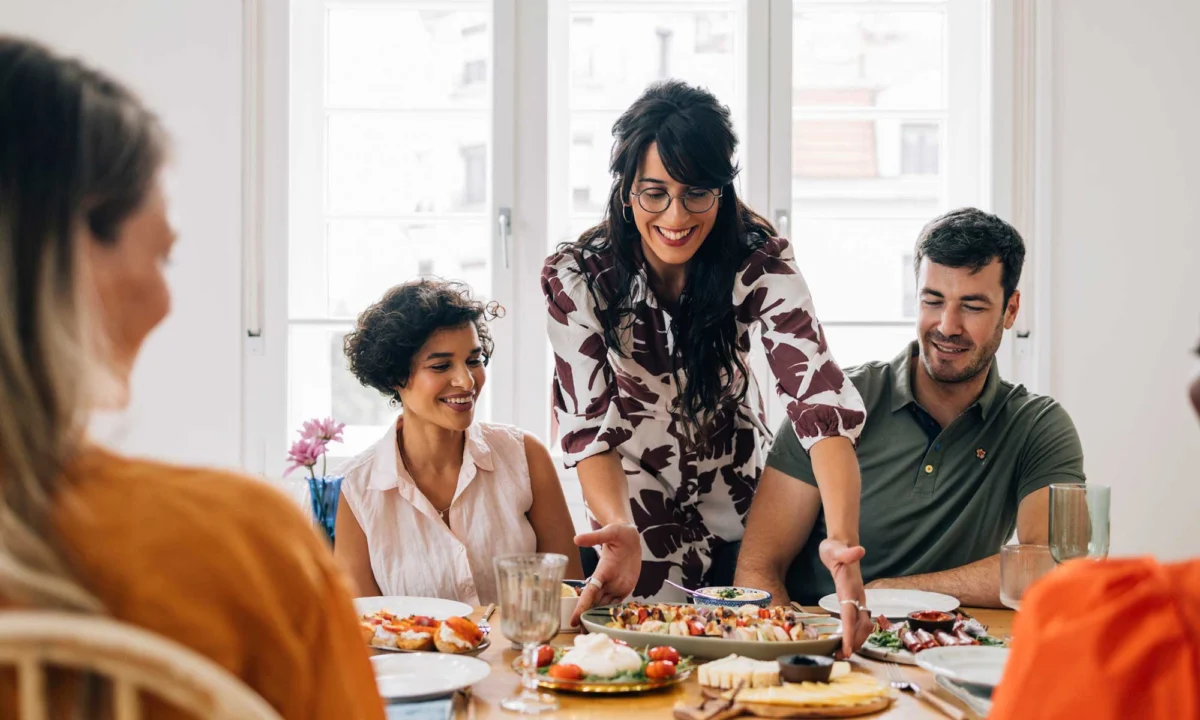
Societal attitudes toward alcohol consumption are experiencing a historic transformation. Recent data from public opinion polls, including a landmark 2025 survey by Gallup, indicate that the percentage of adults who consume alcohol has dropped to a modern low of 54%. This steady downward trend is primarily fueled by a growing body of scientific research highlighting the detrimental health impacts of even moderate drinking, ranging from disrupted sleep patterns to increased long-term risks of chronic illnesses.
However, for a significant portion of the population, the goal is not total abstinence, but rather moderation and mindful consumption. Achieving this balance in a culture deeply rooted in social drinking can present unique interpersonal challenges. As public health initiatives increasingly encourage people to monitor their intake, individuals attempting to cut back often find themselves grappling with social pressure, fear of missing out, and the logistical hurdles of navigating environments where alcohol remains the default social lubricant.
The Evolution of the Sober-Curious Movement
The movement toward reduced alcohol consumption did not happen overnight. Over the past decade, a cultural shift often referred to as the "sober-curious" movement has gained momentum, transitioning from a fringe lifestyle choice into a mainstream wellness trend.
Historically, social structures across Western societies have heavily integrated alcohol into celebrations, networking events, professional milestones, and casual weekend gatherings. For generations, abstaining from drinking required individuals to offer elaborate justifications, often facing social friction or suspicion.
The turning point began in the late 2010s, accelerated by wellness culture, digital communities, and the proliferation of organized challenges like Dry January and Sober October. These initiatives provided millions of participants with a temporary framework to evaluate their relationship with alcohol without committing to lifelong sobriety. By 2025, public health organizations, lifestyle publications, and beverage industries acknowledged a permanent shift: consumers were demanding healthier alternatives, and the stigma around not drinking was visibly beginning to dissolve.
Social Dynamics and the Fear of Exclusion
Despite growing acceptance, cutting back on alcohol while maintaining an active social life remains a delicate balancing act. Hilary Sheinbaum, author of Going Dry: A Practical Guide To Drinking Less and Living More, notes that social settings such as bars, clubs, weddings, and casual dinners are frequently engineered around group drinking.
"When others are imbibing at social gatherings, there may be a sense of feeling left out," Sheinbaum explains. "Opting out of having a drink can feel as though one is opting out of the group activity that is bringing people together, all because drinking has become the default. The reality is that you can still participate in social events and hang out without it."
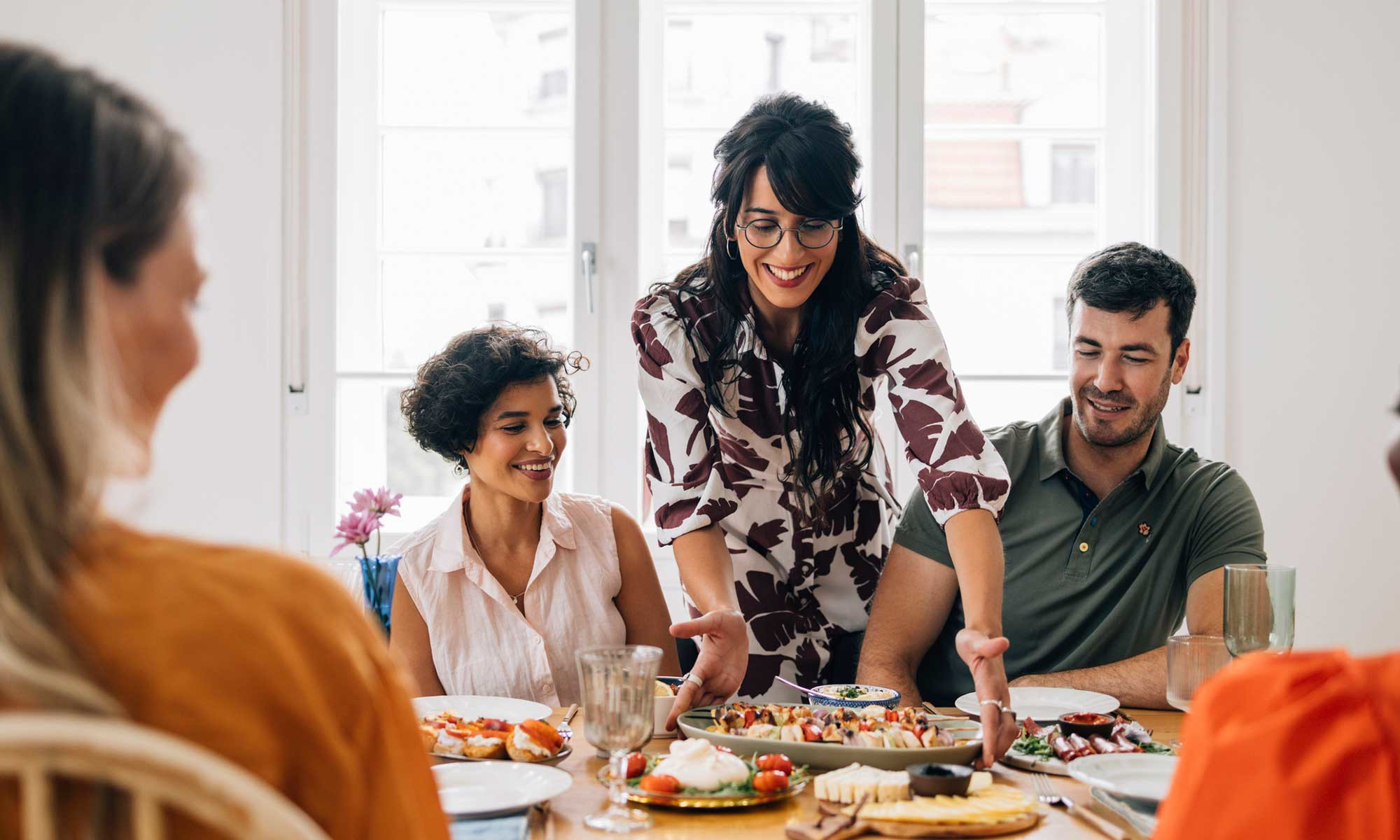
Navigating these environments often feels like a high-stakes operation to those trying to moderate. The pressure to conform is rarely malicious; rather, it is embedded in the cultural architecture of modern socializing. Recognizing this dynamic is the first step toward dismantling the anxiety associated with ordering a non-alcoholic beverage in a room full of drinkers.
Practical Strategies for Mindful Drinking
Adopting a low-pressure approach is essential for long-term success. Rigid rules can often backfire, leading to feelings of failure and abandonment of moderation goals entirely. Experts emphasize flexibility and grace when individuals embark on a reduction journey.
Embracing Flexibility During Challenges
Structured challenges like Dry January offer a comforting framework for beginners, but they can occasionally feel too restrictive. Slips happen, and a single night of drinking does not negate weeks of progress.
"If you slip up and have a drink, or a night of drinking, pick up on abstaining the next day. It doesn’t mean all is lost," Sheinbaum advises. "The point is to drink less and see how it impacts your days and nights."
Rather than viewing a misstep as a failure, mindful drinkers are encouraged to treat it as a data point—evaluating how the alcohol made them feel physically and mentally, and utilizing that insight to refine their future choices.
Redefining Social Event Planning
One of the most proactive methods for maintaining a vibrant social life while reducing alcohol intake is to change the venue and nature of the gatherings. By taking the lead in organizing events, individuals can curate environments where alcohol is not the central focus.
Hosting dinner parties centered around culinary exploration, organizing outdoor activities such as hiking or recreational sports, or scheduling daytime coffee meetups and creative workshops allows friends and family to bond meaningfully without relying on intoxicating beverages.
Utilizing Non-Alcoholic Alternatives
The rapid expansion of the non-alcoholic beverage market has revolutionized social gatherings. Sophisticated craft mocktails, dealcoholized wines, and high-end non-alcoholic beers offer the sensory experience and ritual of drinking without the ethanol content.

"No one needs to know what’s in your glass, and you still get to enjoy the same great taste that you would in your favorite beer, cocktail, or wine," notes Sheinbaum. This anonymity provides a shield against unsolicited questions and allows the individual to focus entirely on the company and conversation.
The Collective Responsibility of Inclusive Environments
While personal agency is crucial, the responsibility of creating a comfortable environment does not fall solely on the person abstaining. Observers and hosts play an equally vital role in fostering an inclusive atmosphere.
A fundamental rule of modern etiquette is to refrain from questioning an individual’s beverage choice. Inquiries such as "Why aren’t you drinking?" or "Are you doing a challenge?" place undue pressure on the recipient. People abstain from alcohol for a multitude of deeply personal reasons, including underlying health conditions, pharmaceutical interactions, pregnancy, fitness goals, mental health management, or simple personal preference. These reasons are private, and probing into them violates social boundaries.
Instead, social circles are encouraged to normalize neutral responses when a drink is declined. If someone orders a sparkling water or a soda, the conversation should continue seamlessly without drawing attention to the choice. Furthermore, proactive hosts can enhance inclusivity by ensuring that high-quality non-alcoholic options are readily available alongside traditional bar offerings, signaling hospitality and consideration for all guests.
Broader Economic and Public Health Implications
The widespread pivot toward moderation is reshaping multiple industries, most notably the food and beverage sector. Traditional alcohol manufacturers are rapidly acquiring or developing non-alcoholic product lines to meet plunging demand, while standalone alcohol-free bottle shops and zero-proof bars are proliferating in major metropolitan areas.
From a public health perspective, healthcare providers view the trend with cautious optimism. Reductions in per capita alcohol consumption correlate with long-term decreases in the incidence of cardiovascular disease, certain cancers, hepatic disorders, and mental health complications associated with substance misuse. As cultural norms continue to evolve, the societal expectation that alcohol must accompany every celebration is giving way to a more nuanced, health-conscious paradigm—one where connection and well-being take precedence over the contents of the glass.