 Muhammad Hendra
In the modern professional landscape, the human body is subjected to unprecedented levels of repetitive micro-movements. Following an arduous day marked by uninterrupted virtual meetings, relentless digital correspondence, and continuous navigation of touchscreens, physical fatigue frequently manifests in predictable zones. While individuals routinely acknowledge localized tension in the shoulders, lower lumbar region, and cervical spine, a critical area of the musculoskeletal system is frequently overlooked: the hands and wrists.
According to occupational health experts, the intricate network of bones, tendons, and nerves located within the human hand bears a disproportionate burden in the contemporary digital workplace. Although compact in physical scale, the hands serve as the primary interface for nearly all professional and domestic tasks. Consequently, cumulative micro-stressors in this region can radiate upward, compromising the mobility of the arms, shoulders, and upper back. Addressing hand and wrist tension has thus emerged as a vital component of holistic ergonomic wellness, serving as a primary defense against musculoskeletal misalignment and chronic repetitive stress injuries (RSIs).
Background Context and Occupational Ergonomics
The escalation of hand and wrist discomfort closely mirrors the rapid evolution of modern communication technologies. Over the past three decades, the transition from analog workflows to digital-first environments has fundamentally altered human physical behavior. Office workers, remote professionals, and students alike now execute thousands of keystrokes and screen swipes daily.
Medical researchers have established a direct correlation between prolonged, static postures and the development of upper-extremity disorders. Repetitive motions, when combined with inadequate ergonomic setups, place sustained pressure on the median nerve and surrounding tendon sheaths. Conditions such as carpal tunnel syndrome, tendonitis, and generalized repetitive strain injuries have transformed from specialized occupational hazards into widespread public health concerns.
Public health data compiled by labor and health agencies indicate that musculoskeletal disorders account for a significant percentage of workplace injuries, resulting in millions of lost productivity days annually. In response to these escalating figures, occupational health specialists increasingly advocate for preventive self-care strategies. Integrating targeted micropractices into daily routines allows individuals to mitigate physical strain before it evolves into chronic clinical pathology.
Chronology of Tension and the Necessity of Micro-Interventions
The accumulation of physical stress is a gradual, insidious process. Understanding the timeline of how tension develops throughout a standard workday highlights the necessity of timely, structured interventions.
During the initial hours of a morning work session, musculoskeletal tissues adapt relatively well to sedentary tasks and repetitive typing. However, by midday—following hours of continuous data entry, device handling, and cognitive stress—sympathetic nervous system activation triggers subtle physiological changes. Muscle fibers begin to contract involuntarily, grip pressures on writing implements and electronic devices increase, and localized circulation diminishes.
Without intentional intervention, this physiological tension solidifies during the afternoon hours, ultimately manifesting as stiffness, dull aches, and reduced joint mobility by the end of the business day. To counteract this trajectory, health professionals recommend deploying targeted physical micro-interventions at regular intervals—such as hourly breaks—rather than attempting to reverse accumulated tension solely at the conclusion of the workday.
Evidence-Based Techniques for Hand and Wrist Restoration
To effectively neutralize upper-extremity strain, specialists recommend a systematic regimen of targeted physical movements. These evidence-based exercises are designed to restore flexibility, improve circulation, and recalibrate neuromuscular tension without requiring specialized equipment.
1. The Gentle Fist Squeeze
Prolonged screen interaction frequently induces a subconscious, hyper-vigilant gripping posture. The gentle fist squeeze is designed to interrupt this neural pattern. By slowly and deliberately closing the hand into a soft, non-forceful fist and subsequently releasing it, individuals can reset muscle tone and encourage blood flow. Experts recommend incorporating this movement immediately following high-stress tasks or protracted periods of digital engagement.
2. The Finger Tendon Glide
Tendons require regular articulation to maintain gliding efficiency and prevent adhesion formation within the synovial sheaths. The finger tendon glide guides the hand through distinct structural phases: an initial full extension, a transition into a hook fist, and a concluding full fist position. This sequence is particularly beneficial for individuals recovering from minor hand trauma or those experiencing joint stiffness resulting from prolonged immobilization.
3. The Individual Finger Bend
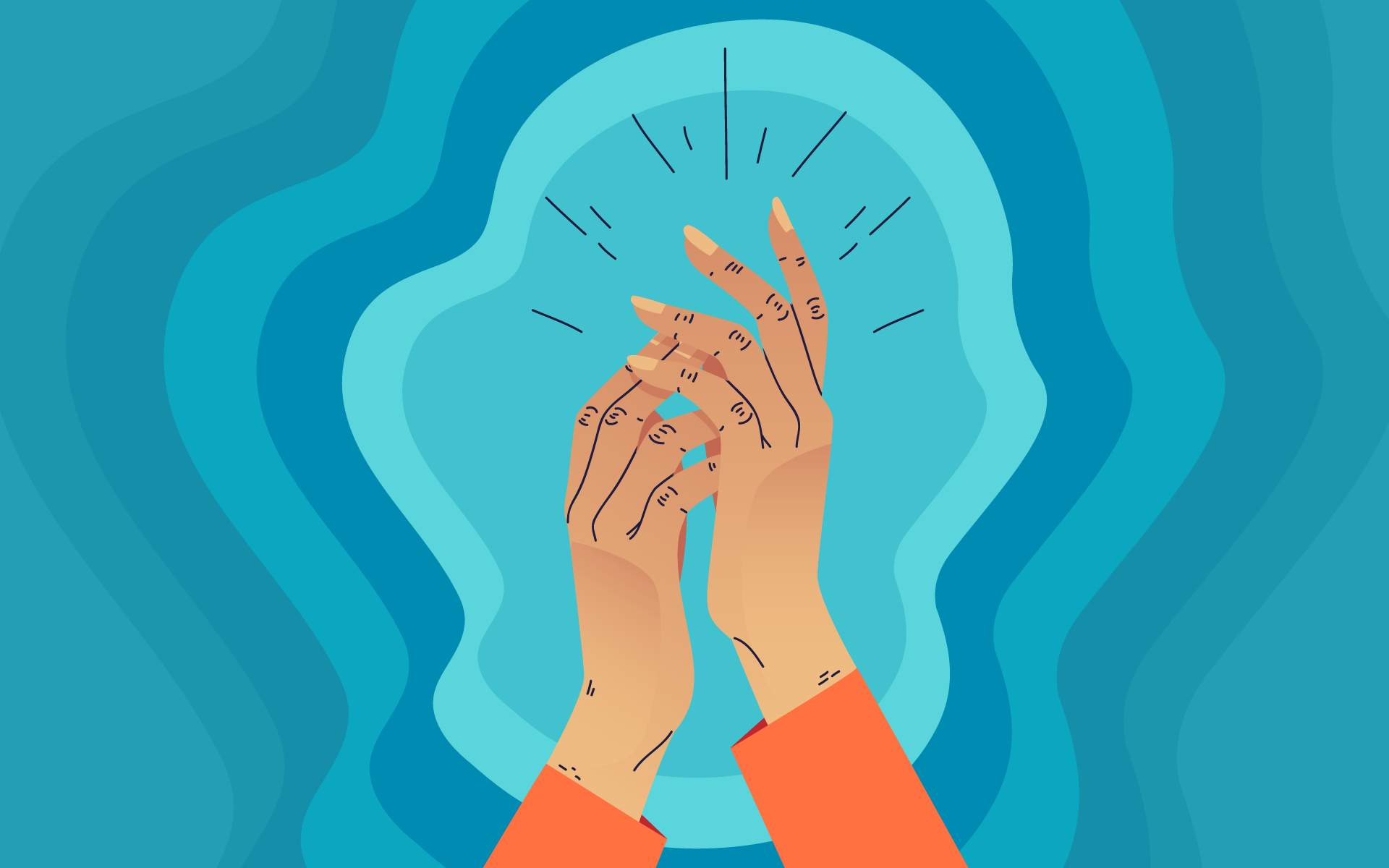
Because different digits assume specialized roles during digital tasks—such as the heavy utilization of the index finger for pointing and clicking, or the thumb for mobile navigation—tension accumulation is rarely uniform. The individual finger bend isolates each digit, allowing practitioners to identify and address localized tightness. Bending and extending each finger individually while holding for several breaths encourages targeted myofascial release.
4. The Thumb and Finger Stretch
The human thumb, supported by complex musculature that enables opposition and gripping, is subjected to intensive workloads via modern smartphone usage. Stretching the thumb across the palm toward the fifth digit, combined with sequential fingertip-to-thumb opposition exercises, maintains functional range of motion. When paired with controlled diaphragmatic breathing, this practice simultaneously downregulates the sympathetic nervous system, mitigating both physical and psychological stress responses.
5. The Palm Press
Surface-level stretches occasionally fail to reach deeper fascial restrictions within the hand. The palm press involves utilizing the opposite thumb or palm to systematically scan the palmar surface for tender trigger points. Sustaining gentle, direct pressure on these areas for approximately 10 seconds encourages the release of deeper connective tissue tension.
6. The Wrist Flex and Extension
Because the intrinsic muscles of the hand rely on tendons anchored in the forearm, wrist mobility is inseparable from hand health. Seated wrist flex and extension exercises—executed by supporting the forearm with the opposite hand and gently moving the wrist through controlled arcs of motion—prevent forearm tightness and prepare upper extremities for subsequent physical demands.
7. The Full Hand Shakeout
At the core of dynamic physical reset techniques is the deliberate discharge of neuromuscular energy. Letting the hands go completely limp and executing a rapid shakeout for 20 to 30 seconds leverages physiological mechanisms similar to Tension and Trauma Releasing Exercises (TRE). This instinctive movement effectively disperses adrenaline and acute physical tension, making it an ideal pre-emptive strategy prior to high-stakes professional engagements or immediately following stressful events.
Official Perspectives and Expert Analysis
Health and wellness authorities emphasize that the efficacy of these somatic techniques relies heavily on consistency rather than duration. According to workplace wellness analysts, sustainable health habits are best established through the implementation of realistic, incremental goals.
Clinical researchers studying somatic therapies note that integrating brief movement pauses into existing daily routines—such as executing a palm press while waiting for coffee to brew or performing a gentle fist squeeze after a conference call—creates neuroplastic reinforcement. Over time, these micro-habits cultivate somatic awareness, enabling individuals to recognize subconscious muscle clenching before it results in structural discomfort.
Furthermore, medical professionals highlight the profound interconnection between physical somatic release and emotional regulation. Practices that combine intentional physical movement with breathwork or mindfulness activate the parasympathetic nervous system, reducing circulating stress hormones and fostering systemic equilibrium.
Broader Implications and Workplace Impact
The integration of hand and wrist maintenance protocols carries significant implications for corporate wellness, occupational health, and individual productivity. As remote and hybrid work models continue to dominate the professional landscape, the boundary between professional workspace and personal environment has dissolved, frequently leading to extended working hours and diminished ergonomic oversight.
Organizations that prioritize ergonomic education and micro-break integration frequently observe measurable improvements in employee well-being, reduced absenteeism related to repetitive strain injuries, and enhanced overall productivity. By framing hand health not merely as an isolated physical concern, but as an integral component of comprehensive stress management, employers and individuals alike can foster more sustainable professional environments.
Ultimately, mitigating digital-age physical strain does not require exhaustive interventions. By acknowledging the heavy toll exacted on the hands and committing to regular, mindful restorative practices, individuals can successfully protect their physical alignment, enhance their neuromuscular resilience, and restore a vital sense of physiological ease.