Angie Faith
The 98th Academy Awards ceremony marked a significant and historic milestone for the horror genre, with a record number of films within the category receiving prestigious nominations and ultimately securing multiple coveted statuettes. This year’s event underscored a growing recognition and appreciation for horror as a legitimate and artistically significant cinematic medium, moving beyond its traditional niche appeal. The Academy’s embrace of these darker narratives signals a potential shift in how the genre is perceived within the broader film industry and among critical circles.
A Banner Year for Horror at the Oscars
The dominant force in this year’s horror landscape at the Academy Awards was undeniably Ryan Coogler’s acclaimed film, Sinners. The movie achieved a remarkable feat, garnering an unprecedented 16 nominations across various categories. Its success culminated in four major wins, solidifying its place as a standout achievement. Michael B. Jordan was honored with the award for Best Actor, a testament to his powerful performance. The film’s visual artistry was recognized with Autumn Durald Arkapaw taking home the Oscar for Best Cinematography. Ryan Coogler himself was celebrated for his directorial vision and storytelling prowess, earning the award for Best Original Screenplay, while Ludwig Göransson’s evocative score received the accolade for Best Original Score. The sheer volume of nominations and wins for Sinners signifies a monumental victory for horror cinema, demonstrating its capacity to compete at the highest levels of cinematic achievement.
Beyond the triumph of Sinners, the 98th Academy Awards featured several other notable horror entries that garnered significant attention and accolades. Zach Cregger’s Weapons received a single nomination for Best Actress, an award that went to the immensely talented Amy Madigan for her compelling performance. Guillermo del Toro’s ambitious reimagining of Frankenstein was another significant contender, securing nine Academy Award nominations and ultimately winning three awards, further highlighting the genre’s diverse thematic and stylistic reach. Adding an international flair to the horror representation, the Norwegian film The Ugly Stepsister, directed by Emilie Blichfeldt, earned a nomination for a single Oscar, underscoring the global appeal and critical reception of horror filmmaking.
The collective success of these four films at the 98th Academy Awards represents a watershed moment. Prior to this year, horror films, while occasionally recognized for technical achievements or specific performances, rarely achieved such widespread critical acclaim and multiple major award wins. The Academy’s decisions this year reflect a broader cultural shift, where the genre’s ability to explore complex societal themes, evoke profound emotional responses, and push the boundaries of visual storytelling is increasingly being acknowledged and rewarded.

Deep Dive into the Oscar-Nominated Horror Features
Sinners: A Landmark Achievement
Ryan Coogler’s Sinners has etched its name in cinematic history not only for its critical success but also for its groundbreaking narrative and thematic depth. Set against the backdrop of 1930s Mississippi, the film delves into profound issues of prejudice, supernatural malevolence, and the enduring struggle for justice. The critical acclaim for Best Actor for Michael B. Jordan, Best Cinematography for Autumn Durald Arkapaw, Best Original Screenplay for Ryan Coogler, and Best Original Score for Ludwig Göransson speaks to the film’s holistic excellence. The cinematography likely captured the oppressive atmosphere and stark beauty of the American South, enhancing the film’s visceral impact. Coogler’s screenplay, recognized for its originality, suggests a fresh and compelling approach to horror storytelling, potentially weaving social commentary with terrifying elements. Göransson’s score, a frequent collaborator with Coogler, is expected to have amplified the film’s emotional resonance and suspense, contributing significantly to its overall chilling effect. The film’s success at the Academy Awards is likely to embolden filmmakers to explore darker, more challenging themes within the horror genre, potentially leading to a new wave of critically acclaimed and commercially successful horror productions.
Weapons: A Masterclass in Suspense
Zach Cregger’s Weapons, while receiving a singular nomination for Best Actress for Amy Madigan, has been lauded for its intricate plotting and relentless suspense. While specific details about the film’s plot are not provided in the original text, the context of horror nominations suggests a narrative that effectively builds tension and delivers impactful scares. The nomination for Best Actress for Madigan indicates a strong central performance that anchors the film’s emotional core and likely contributes significantly to its overall effectiveness. The film’s ability to secure an Oscar nomination in a competitive year for horror underscores its quality and its resonance with Academy voters, even if it did not achieve multiple wins.
Frankenstein: A Timeless Tale Reimagined
Guillermo del Toro’s adaptation of Frankenstein represents a significant artistic undertaking, bringing a classic literary monster to life with the director’s signature blend of gothic atmosphere and profound thematic exploration. The film’s nine Academy Award nominations and three wins demonstrate its broad appeal and critical success across multiple cinematic disciplines. Del Toro is renowned for his visual artistry and his ability to imbue his creations with both terror and pathos. The awards likely recognized aspects such as its production design, visual effects, or perhaps a specific acting performance that brought the iconic creature or its creator to life in a compelling new way. The success of this adaptation reaffirms the enduring power of literary horror and its potential for captivating contemporary audiences.
The Ugly Stepsister: A Feminist Fairy Tale Twist
Emilie Blichfeldt’s Norwegian horror film, The Ugly Stepsister, marks a notable international presence among the Oscar-nominated horror features. Its single nomination signifies that the film made a distinct impression, likely for a specific element that resonated with Academy voters, such as a unique performance, an innovative directorial choice, or a particularly striking screenplay. As a retelling of a classic fairy tale, The Ugly Stepsister suggests a subversion of traditional narratives, potentially exploring themes of female agency, societal expectations, and the darker undercurrents often present in folklore. Its inclusion highlights the Academy’s increasing openness to international cinema and diverse storytelling approaches within the horror genre.
Bridging the Gap: Literary Recommendations for Horror Aficionados
In the wake of the 98th Academy Awards’ celebration of horror cinema, enthusiasts seeking to extend their cinematic thrills into the literary realm will find a wealth of compelling recommendations. The success of Sinners, Weapons, Frankenstein, and The Ugly Stepsister provides a rich foundation for exploring novels that share thematic resonances, stylistic similarities, or even direct narrative connections.
For Fans of Sinners

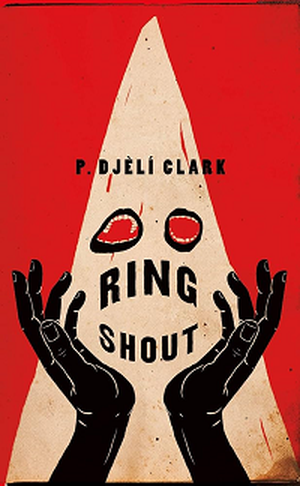
For those captivated by the historical horror and supernatural elements of Sinners, P. Djèlí Clark’s Ring Shout emerges as a highly recommended companion read. Set in the American South, this historical horror novel transports readers to 1920s Georgia, where Maryse Boudreaux and her allies, the Harlem Hellfighters, confront the Ku Klux Klan not as mere bigots, but as literal demons and shape-shifters embodying hate itself. The parallel settings—Sinners in 1930s Mississippi and Ring Shout in 1920s Georgia—create a compelling historical resonance. The novel’s exploration of fighting literal manifestations of hate against a backdrop of historical oppression mirrors the thematic depth found in Sinners. The author’s own acknowledgment of the book as an excellent companion piece further solidifies its appeal.
Further exploring the thematic landscape of Sinners, particularly its engagement with Black vampires and societal commentary, readers can delve into a curated list of Black vampire books. These selections offer a deeper dive into narratives that often intertwine supernatural horror with explorations of race, identity, and historical trauma, echoing the sophisticated storytelling present in Coogler’s film.
For Fans of Weapons
Audiences enthralled by the suspenseful and potentially supernatural elements of Weapons will find a kindred spirit in Richard Chizmar’s Chasing the Boogeyman. This novel plunges readers into a small Maryland suburb grappling with a series of brutal murders. As the investigation unfolds, the unsettling possibility arises that the perpetrator is not human, echoing the escalating dread and mysterious evil that likely permeated Weapons. The narrative’s focus on a small town gripped by fear and the emergence of an inexplicable evil force creates a palpable sense of unease and shared terror.
Beyond this direct recommendation, fans of Weapons may also find themselves drawn to the darker, more unsettling aspects of childhood horror. Books featuring creepy children often tap into primal fears and psychological unease, themes that are frequently explored within the broader horror genre. Additionally, those who appreciated the atmosphere and potential for supernatural occurrences in Weapons might also be drawn to recent witchy book recommendations, as these often feature narratives that blend folklore, dark magic, and unsettling encounters.
For Fans of Frankenstein
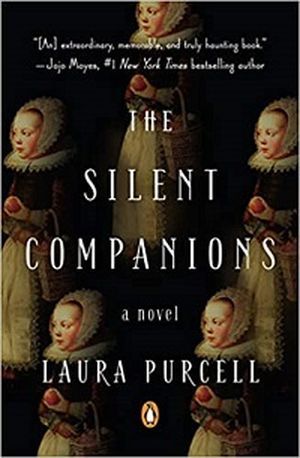
The enduring appeal of Mary Shelley’s Frankenstein lies in its exploration of gothic atmosphere, psychological horror, and the profound questions surrounding creation and monstrosity. Laura Purcell’s The Silent Companions offers a compelling literary experience for those who appreciate these elements. Set in a brooding, isolated country estate, the novel follows Elsie, a young bride whose newfound wealth and status are overshadowed by the hostility of her new environment and the unsettling presence of strange wooden figures that bear an uncanny resemblance to herself. The story masterfully builds suspense and dread, delving into themes of superstition, isolation, and the uncanny, all hallmarks of classic Gothic horror that resonate with the spirit of Frankenstein.
For those seeking even more variations on this classic tale, a collection of eight Frankenstein retellings provides a fascinating array of modern interpretations. These retellings likely explore different facets of the original story, from the creature’s perspective to modern scientific anxieties, offering fresh and often terrifying insights into the enduring mythos of Frankenstein.
For Fans of The Ugly Stepsister
The feminist and body horror elements present in The Ugly Stepsister find a powerful literary counterpart in Carmen Maria Machado’s acclaimed short story collection, Her Body and Other Parties. This collection is celebrated for its innovative blend of fairy tale, fabulism, and visceral body horror, dissecting the ways in which women navigate societal expectations and endure various forms of violence. Machado’s stories, much like The Ugly Stepsister, subvert traditional narratives and delve into the unsettling psychological and physical realities of female experience, making it an ideal read for those who appreciated the genre-bending and thematic boldness of the Norwegian film.
For readers who are drawn to the dark and subversive nature of fairy tale retellings, a further exploration of horror retellings offers a treasure trove of chilling narratives. These stories often reimagine beloved classics with a contemporary, often frightening, twist, providing ample opportunities for readers to encounter familiar tales through a new, unsettling lens.
The unprecedented success of horror films at the 98th Academy Awards has not only elevated the genre’s standing within Hollywood but has also provided a rich cultural moment for fans to engage with both cinematic and literary works that explore the darker corners of human experience and imagination. The continued recognition and exploration of these narratives promise a vibrant future for horror across all forms of media.