Cintya Tara Annisa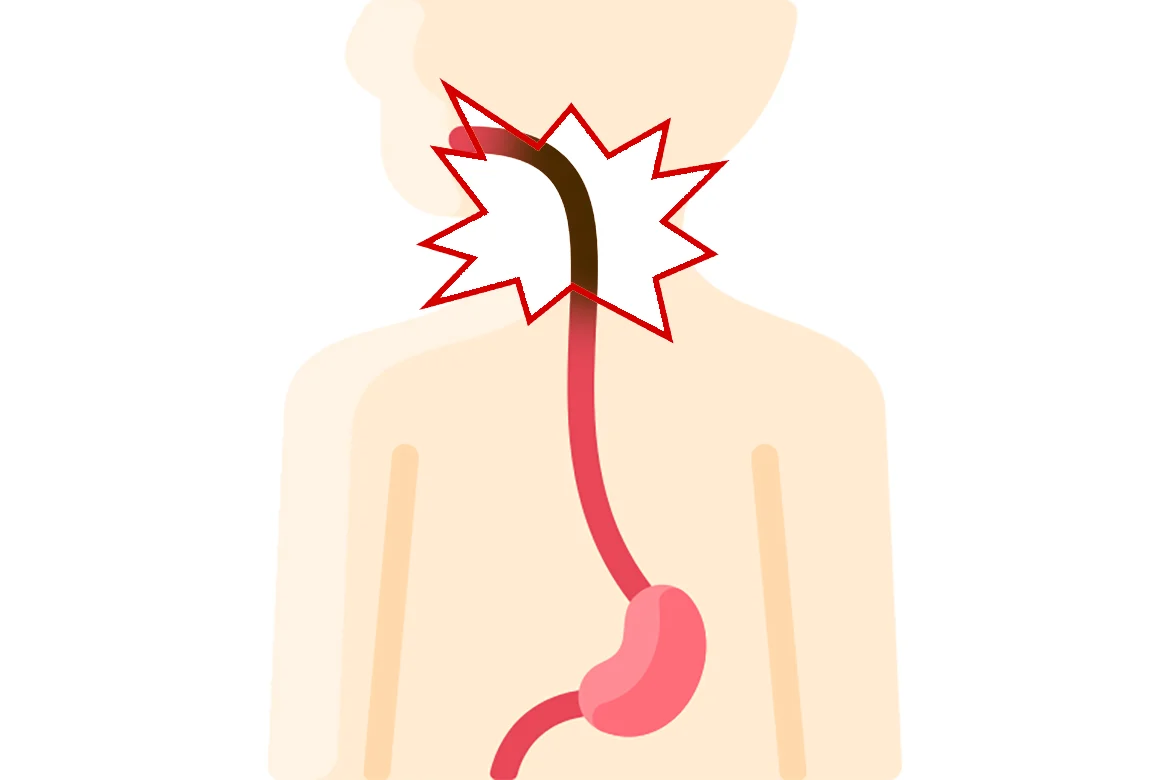
Chronology of Thermal Research and Cancer Risk
The investigation into the link between hot drinks and esophageal squamous cell carcinoma is not a nascent field of study, though it has gained momentum over the last decade. In 2016, the International Agency for Research on Cancer (IARC), a branch of the World Health Organization, classified "very hot" beverages—defined as those consumed at temperatures above 65°C (149°F)—as "probably carcinogenic to humans." This classification was based on limited evidence from human epidemiological studies and more conclusive evidence from animal models, which indicated that thermal injury could promote the development of tumors.
Following the IARC’s pronouncement, various studies sought to quantify this risk. A significant study released approximately four years ago served as a precursor to the current Oxford research. That earlier work established a baseline for the correlation, yet it was limited by a smaller cohort size. The current study, published in the International Journal of Cancer, effectively doubles the sample size, utilizing data from over 977,000 participants. This increase in data density allows for a more granular analysis of consumption habits, including the frequency of intake and the precise temperature thresholds that trigger elevated risk factors.
Defining the Risk: Data and Methodology
The core of the recent study centers on the distinction between "warm" beverages and those classified as "very hot." Researchers defined the latter category as any liquid exceeding 65°C (149°F). The findings indicate that individuals who consistently consume beverages at or above this threshold exhibit a three-fold increase in the risk of developing esophageal cancer compared to those who prefer lower temperatures.
Furthermore, the data suggests a dose-response relationship. The risk is not uniform across all consumers; it escalates significantly among individuals who report drinking six or more "very hot" beverages daily. This suggests that chronic, recurring thermal trauma to the esophageal lining may be a cumulative factor in cellular mutation.
While the statistical association is clear, the study emphasizes that the absolute risk for any individual remains relatively low. Health professionals caution that while the relative risk is tripled, the baseline incidence of esophageal cancer in the general population is low enough that the average consumer should view the findings as a guideline for habit modification rather than a cause for acute alarm.
Thermal Dynamics of Coffee Brewing and Consumption
To understand the practical implications of these findings, it is necessary to examine the thermodynamics of the brewing process. Professional coffee preparation typically involves water heated to between 90°C and 96°C (195°F–205°F). Upon extraction, the liquid enters the vessel at a temperature well above the danger threshold.
However, the temperature of the coffee drops rapidly once it is exposed to ambient air and decanted into a cup. According to industry standards established by the Specialty Coffee Association (SCA), the ideal sensory profile of coffee—where the nuances of flavor, acidity, and body are most perceptible—is achieved when the beverage is between 49°C and 66°C (120°F–150°F).
This range aligns almost perfectly with the safety thresholds identified by researchers. Beverages consumed below 65°C are not only safer from a medical perspective but are also generally regarded by sensory experts as superior in taste. High temperatures can overwhelm the palate, masking subtle flavor notes and potentially inducing a numbing effect on the tongue that obscures the quality of the roast. Consequently, the advice to allow a beverage to cool is supported by both public health directives and culinary best practices.
Biological Mechanisms of Thermal Injury
The biological hypothesis behind the increased cancer risk is rooted in the concept of chronic thermal irritation. The esophagus is lined with a delicate mucosal epithelium. When this lining is subjected to repeated, high-temperature trauma, it can undergo cycles of damage and regeneration. This chronic inflammation is believed to facilitate the development of pre-cancerous lesions.
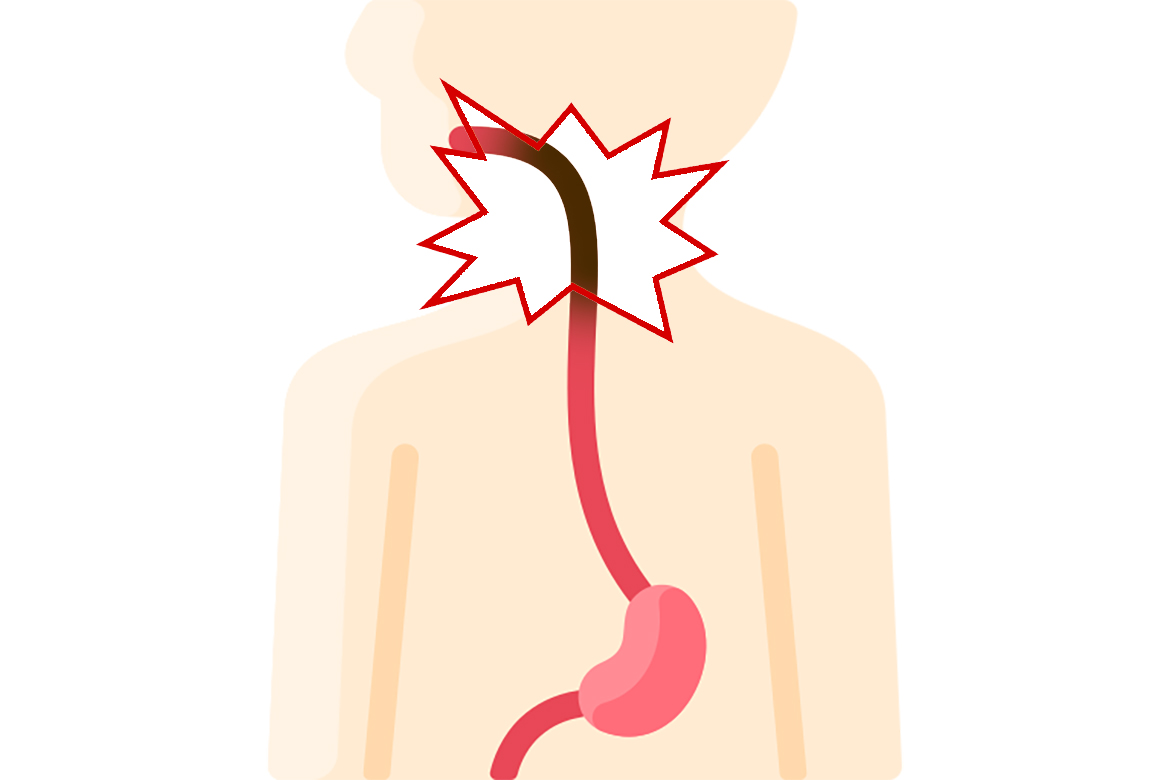
Supporting this, a study published in the journal Nature identified that temperatures reaching 70°C (158°F) are consistently perceived as painful or "too hot" by human subjects. When a beverage exceeds this temperature, the body’s natural protective reflexes, such as rapid swallowing or gagging, may be bypassed, leading to direct exposure of the esophageal tissue to heat. Over time, the constant repair process increases the likelihood of DNA replication errors, which are the precursors to oncological developments.
Broader Health Context and Mitigation Strategies
It is essential to contextualize these findings within the broader landscape of public health. While the temperature of one’s coffee is a modifiable risk factor, it is by no means the primary driver of esophageal cancer. Extensive medical literature confirms that the most significant contributors to the development of this disease remain tobacco use and alcohol consumption.
Health organizations, including the American Cancer Society and the National Cancer Institute, have long identified smoking and heavy alcohol consumption as the primary, high-impact risks for esophageal malignancies. The findings regarding "very hot" drinks should be interpreted as an additive factor—a lifestyle adjustment that, while helpful, does not negate the necessity of addressing more potent carcinogens.
For the average consumer, the most effective mitigation strategy is simple: patience. Allowing a cup of coffee or tea to sit for three to five minutes post-brew significantly lowers the temperature to a range that is both safer and more palatable. In professional or high-volume settings, such as cafes, there is also an argument for serving beverages at temperatures that allow for immediate consumption without the risk of thermal injury, aligning consumer safety with quality control.
Implications for the Beverage Industry
The beverage industry, particularly the coffee and tea sectors, may find themselves at a crossroads between tradition and safety. Many consumers associate a "piping hot" cup with freshness and quality. However, as awareness of thermal health risks grows, there may be a shift toward standardizing serving temperatures.
Some specialty cafes have already begun to adjust their service protocols, ensuring that milk-based drinks, for instance, are steamed to temperatures that do not scald the dairy proteins—which degrades flavor—and, by extension, do not pose a thermal risk to the consumer. This alignment of flavor profile and safety represents a positive trend for the industry.
Summary of Findings
The latest research from the University of Oxford serves as a timely reminder that our daily rituals are not without physiological consequences. The three-fold increase in risk for those consuming beverages at or above 65°C is a significant epidemiological finding, yet it is one that can be mitigated with minor adjustments to consumption habits.
By prioritizing beverages served at lower, more stable temperatures—ideally between 50°C and 60°C—consumers can protect their long-term health while simultaneously enhancing their sensory experience of the product. Furthermore, the findings underscore the importance of focusing on high-impact lifestyle interventions, such as the cessation of smoking and the moderation of alcohol, as the primary means of reducing the risk of esophageal cancer.
Ultimately, the goal is to foster a culture of mindful consumption. Whether it is coffee, tea, or any other hot beverage, the data suggests that cooling is not just a preference for the palate, but a necessary precaution for the body. As science continues to refine our understanding of how temperature affects human health, the shift toward temperate consumption is likely to become a standard recommendation in both medical and culinary circles.