Muhammad Hendra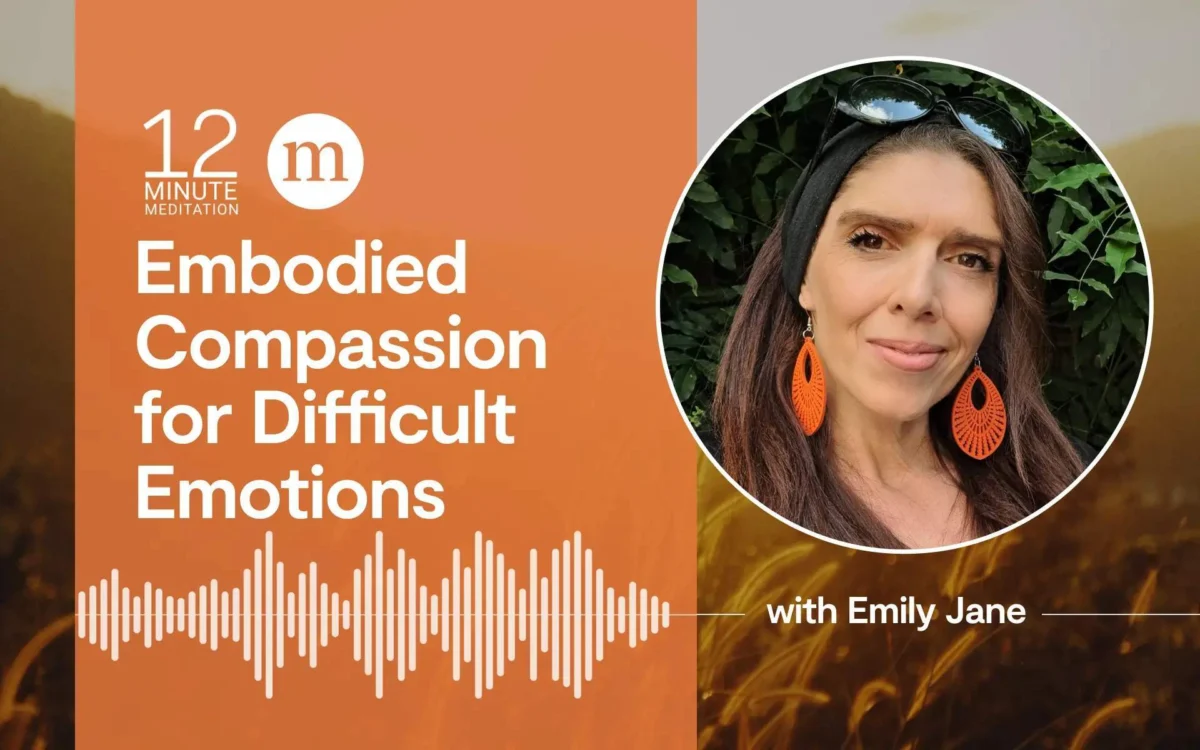
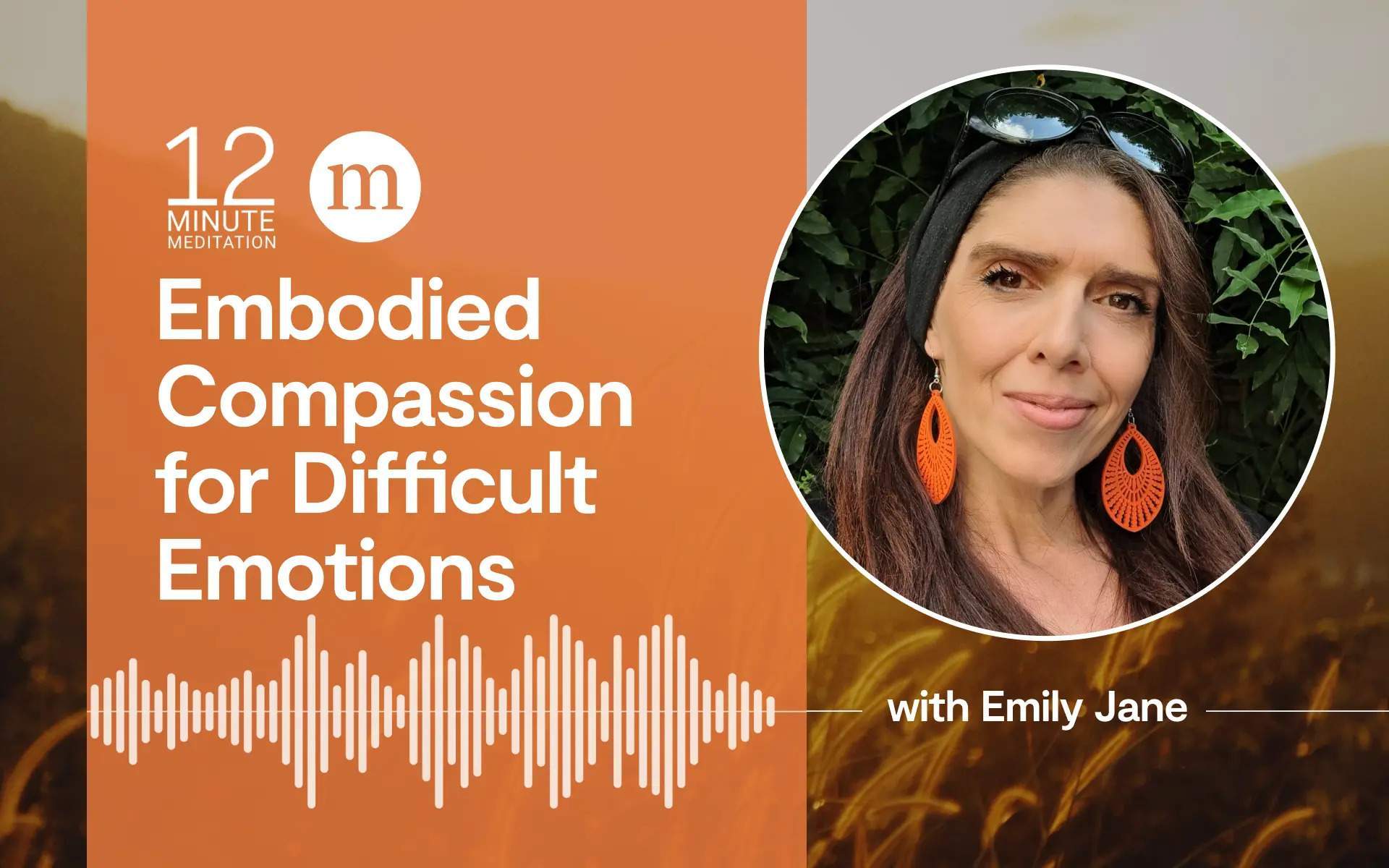
In an era increasingly marked by mental health challenges and the pervasive struggle with emotional regulation, recovery coach Emily Jane is offering a timely and accessible meditation practice designed to cultivate courage and compassion in the face of overwhelming, confusing, or distressing emotions. This innovative approach, rooted in core mindfulness principles, challenges the conventional impulse to resist or repress difficult feelings, advocating instead for a compassionate acceptance that can fundamentally shift one’s relationship with inner turmoil. The practice, titled "Embodied Compassion for Difficult Emotions," serves as a crucial tool for individuals seeking support in fostering curiosity, courage, and understanding towards their challenging internal experiences.
The Counterintuitive Wisdom of Emotional Acceptance
A cornerstone of contemporary mindfulness practice, and indeed a central tenet of psychological well-being, is the often-challenging notion that accepting emotions, rather than resisting them, ultimately leads to greater peace and resilience. This principle becomes particularly profound when confronting emotions that are inherently painful, confusing, or frightening. The human tendency to recoil from discomfort is deeply ingrained, an evolutionary response aimed at self-preservation. However, in the context of internal emotional states, this resistance frequently exacerbates suffering, transforming transient feelings into prolonged psychological distress. Research in affective neuroscience, such as studies published in the Journal of Personality and Social Psychology, has consistently demonstrated that individuals who habitually suppress their emotions report lower levels of well-being and are more prone to anxiety and depression. Conversely, emotional acceptance is correlated with improved psychological flexibility, reduced rumination, and a greater capacity to cope with life’s stressors.
Emily Jane’s methodology directly addresses this counterintuitive aspect, guiding participants towards a self-compassionate engagement with their inner world. This move towards self, characterized by gentleness and understanding, stands in stark contrast to the self-critical or avoidant patterns many individuals adopt when confronted with emotional pain. It represents a paradigm shift from a reactive stance of struggle to a proactive position of mindful presence.
Emily Jane’s Journey and the Genesis of Embodied Compassion
The architect of this powerful practice, Emily Jane, brings a wealth of both professional expertise and profound lived experience to her work. As a mindfulness teacher, certified Embodied Processing (EP) practitioner, and recovery coach, her professional toolkit is comprehensive, integrating elements of social work, trauma therapy, and somatic practices. However, it is her personal journey that imbues her teachings with a unique depth and authenticity. Emily Jane openly shares her experience of navigating two decades of active addiction, a period she has now been in recovery from for over eight years. This extensive personal history with suffering and subsequent healing forms the bedrock of her compassionate approach, transforming her past challenges into a wellspring of empathy and understanding for others on their own recovery paths.
Her background in social work provided foundational insights into systemic issues and human psychology, while her certifications in mindfulness and Embodied Processing deepened her understanding of the mind-body connection. Embodied Processing, a therapeutic modality, focuses on helping individuals reconnect with their physical sensations and body-based experiences to process trauma and regulate emotions. This approach aligns seamlessly with mindfulness, which also emphasizes present-moment awareness of bodily sensations. Her integration of these diverse disciplines – mindfulness, coaching, trauma therapy, and somatic tools – is not merely theoretical; it is a practical framework designed to help individuals cultivate a sense of safety, peace, and empowerment. This holistic perspective is further articulated in her acclaimed book, Beyond Addiction: A Mindful Guide to Recovery, which offers a trauma-informed and compassionate roadmap for healing.
Understanding the Core Principles of the Meditation
The "Embodied Compassion for Difficult Emotions" meditation is structured to gradually introduce participants to a new way of relating to their internal states. It begins with a foundational phase of mindful awareness, a practice common in many mindfulness traditions. This initial stage typically involves anchoring attention to the breath or conducting a gentle body scan, allowing the individual to settle into the present moment and observe their internal landscape without judgment. This initial grounding is crucial, as it creates a stable base from which to explore more challenging emotional terrain.
Following this preparatory phase, the meditation gently transitions towards the core intention: inviting in emotions, sensations, and aspects of oneself that are typically avoided or repressed. Emily Jane’s instruction to "invite them in and sit with them with compassion, like an old friend" is particularly potent. This metaphor transforms the adversarial relationship many have with their difficult emotions into one of welcoming and understanding. Instead of viewing these feelings as intruders to be expelled, they are reframed as visitors deserving of attention and kindness. This reorientation is not about condoning or wallowing in negative emotions, but rather about acknowledging their presence, understanding their messages, and allowing them to move through without getting stuck in resistance.
The practice encourages a gentle inquiry into the physical sensations associated with these emotions. For instance, anxiety might manifest as tightness in the chest or a knot in the stomach; sadness might be felt as a heavy sensation or a lump in the throat. By bringing curious, non-judgmental attention to these bodily expressions, individuals can begin to detach from the narrative overlay of the emotion and experience it as a transient sensation, rather than an overwhelming, defining state. This somatic approach is a hallmark of Emily Jane’s work, drawing directly from her Embodied Processing expertise, which posits that unresolved emotional experiences are often held within the body. By mindfully attending to these physical manifestations, individuals can begin to release stored tension and foster a deeper sense of integration and healing.
The Broader Implications for Mental Health and Recovery
The rise of mindfulness-based interventions, exemplified by practices like Emily Jane’s, represents a significant evolution in mental health care. For decades, traditional therapeutic models often focused on cognitive restructuring or behavioral modification, sometimes inadvertently overlooking the profound impact of emotional processing and bodily awareness. However, a growing body of scientific evidence, particularly from studies involving Mindfulness-Based Stress Reduction (MBSR) and Mindfulness-Based Cognitive Therapy (MBCT), demonstrates the efficacy of mindfulness in reducing symptoms of anxiety, depression, chronic pain, and even substance use disorders. A meta-analysis published in JAMA Internal Medicine found that mindfulness meditation programs can moderately improve anxiety, depression, and pain.
For individuals in recovery from addiction, a population Emily Jane specifically serves, the ability to tolerate and process difficult emotions without resorting to maladaptive coping mechanisms is paramount. Addiction is often described as a disorder of emotional regulation, where substances or behaviors are used to numb, avoid, or escape uncomfortable feelings. By teaching individuals how to sit with distress with compassion, Emily Jane provides a vital alternative to these destructive patterns. Her work, therefore, contributes significantly to the evolving landscape of addiction recovery, moving beyond mere abstinence to foster holistic healing that addresses underlying trauma and emotional dysregulation. Experts in addiction medicine and psychology, such as those associated with the National Institute on Drug Abuse (NIDA), increasingly advocate for integrated treatment approaches that include mindfulness and trauma-informed care, recognizing that emotional literacy and self-compassion are critical for long-term sobriety and well-being.
Moreover, the accessibility of guided meditations, whether through audio recordings or written scripts, democratizes access to sophisticated psychological tools. This ensures that individuals, regardless of their immediate access to therapy or specialized treatment, can begin to cultivate crucial coping skills and foster emotional resilience in their daily lives.
Supporting Data and Expert Perspectives
The foundational premise of Emily Jane’s meditation — that resisting emotions creates more suffering — is well-supported by psychological research. A 2017 study published in the Journal of Personality and Social Psychology found that individuals who habitually suppress their emotions experienced greater psychological distress and lower levels of overall well-being. Conversely, studies on self-compassion, pioneered by researchers like Dr. Kristin Neff, have consistently shown that treating oneself with kindness, understanding, and acceptance during times of difficulty significantly reduces self-criticism, anxiety, and depression, while boosting emotional resilience and life satisfaction. The act of "inviting in" difficult emotions with compassion, as taught by Emily Jane, directly leverages these self-compassion principles.
The integration of somatic awareness is also critical. Neurobiological research indicates that emotions are not solely cognitive experiences but are deeply intertwined with physiological responses. Trauma, in particular, can be stored in the body, leading to chronic tension, hyper-vigilance, and various physical ailments. Somatic practices, by guiding attention to bodily sensations, help individuals safely process these stored experiences, promoting a sense of release and integration. This emphasis on the body as a source of information and healing is a core strength of Emily Jane’s trauma-informed approach, differentiating it from purely cognitive interventions.
While direct statements from related parties regarding this specific meditation are not available, the broader scientific and therapeutic communities increasingly endorse the principles it embodies. Mental health professionals and recovery specialists widely acknowledge the efficacy of mindfulness and compassion-based interventions for improving emotional regulation, reducing stress, and supporting sustainable recovery from various mental health challenges, including addiction. The growing demand for such resources underscores a collective societal shift towards more holistic and self-empowering approaches to mental well-being.
Chronology of a Healing Approach
The development of modern mindfulness practices, which heavily influence Emily Jane’s work, traces its roots to ancient Buddhist meditative traditions. However, its formal integration into Western medicine and psychology largely began in the late 1970s with Dr. Jon Kabat-Zinn’s creation of the Mindfulness-Based Stress Reduction (MBSR) program at the University of Massachusetts Medical School. This program systematically stripped away religious dogma to present mindfulness as a secular, evidence-based intervention for managing stress, pain, and illness.
Following this foundational work, the late 20th and early 21st centuries saw a proliferation of mindfulness-based therapies, including Mindfulness-Based Cognitive Therapy (MBCT) for depression relapse prevention, and the emergence of self-compassion-focused therapies. It is within this rich and evolving landscape that Emily Jane developed her expertise. Her personal chronology, marked by two decades of active addiction and a subsequent eight years in recovery, provided the experiential knowledge base. Her professional training in social work, followed by her dedication to becoming a mindfulness teacher, certified Embodied Processing practitioner, and recovery coach, represents a deliberate and informed trajectory towards offering specialized, trauma-informed support. The publication of her book, Beyond Addiction: A Mindful Guide to Recovery, further cemented her position as a thought leader in holistic recovery, synthesizing these diverse influences into a coherent and accessible framework.
Conclusion: A Path Towards Emotional Sovereignty
Emily Jane’s "Embodied Compassion for Difficult Emotions" meditation is more than just a technique; it is an invitation to reclaim emotional sovereignty. By teaching individuals to approach their internal world with curiosity, courage, and unwavering compassion, she empowers them to move beyond the cycle of resistance and suffering. In a world that often encourages emotional suppression or quick fixes, her work stands as a vital reminder that true healing lies in presence, acceptance, and the courageous act of befriending all parts of ourselves, especially those we find most challenging. This mindful approach not only aids in navigating immediate distress but also cultivates a deeper, more sustainable foundation for long-term emotional well-being and recovery. As the understanding of mental health continues to evolve, practices like Emily Jane’s will undoubtedly play an increasingly central role in fostering a more compassionate and resilient society.