
 Ali Ikhwan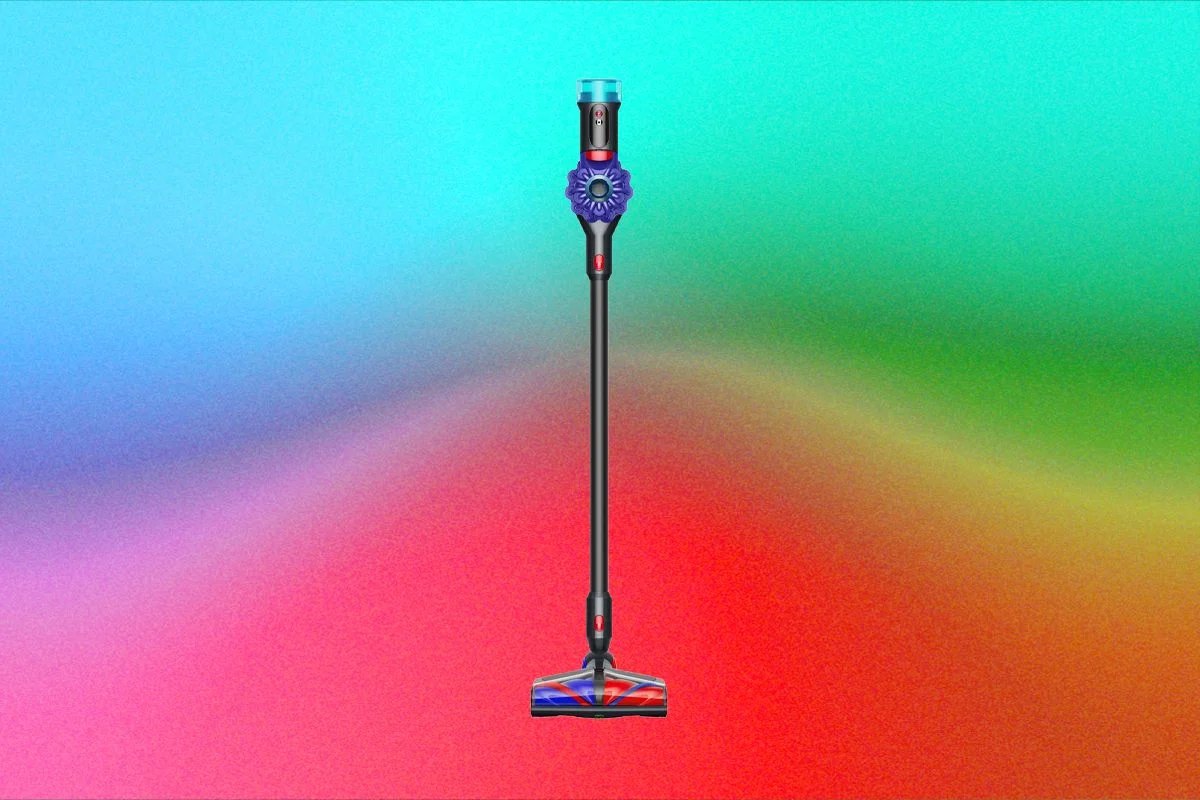
The vacuum cleaner market is currently witnessing a significant shift toward integrated maintenance systems, and Dyson’s latest strategic moves highlight a focus on bridging the gap between mid-range affordability and high-end convenience. The introduction of the Dyson V10 Konical, alongside the announcement of the upcoming Auto-empty Dok, signals a departure from the company’s traditional standalone stick vacuum philosophy. This move is designed to address a growing consumer demand for "set-and-forget" home cleaning solutions that minimize direct contact with dust and debris. While Dyson has long dominated the premium cordless sector with its V-series and Gen5 models, the V10 Konical represents a calculated effort to optimize performance for carpet-heavy households while introducing compatibility with next-generation docking technology.
The V10 Konical occupies a unique space in the current Dyson hierarchy. It is specifically engineered to work with the forthcoming Auto-empty Dok, a self-emptying station slated for release later this year. This compatibility is notably exclusive; currently, only the V10 Konical and the $980 V16 Piston Animal are slated to support this hardware. This suggests that Dyson is moving toward a tiered ecosystem where certain legacy-inspired models are being retrofitted with modern automation capabilities, even as they retain the physical form factors that made the original Cyclone V10 a commercial success.
Technical Performance and Empirical Testing Results
To understand the V10 Konical’s value proposition, it is necessary to examine its performance across a variety of domestic environments. Rigorous testing protocols were established to measure the unit’s efficacy against different debris types, including fine particulates like sand, medium-sized waste like cat litter, and larger household spills such as cereal. The testing environment spanned multiple surfaces, including hardwood floors, low-pile rugs, and high-traffic carpeted areas such as stairs and bedrooms.
The scoring system employed for these evaluations utilized a 1-to-4 scale across five distinct categories: sand extraction, cat litter removal, large debris (Cheerios) pickup, general floor vacuuming, and handheld utility. In these controlled trials, the V10 Konical achieved a cumulative score of 14 out of 20. This performance is particularly noteworthy when compared to more expensive models in the Dyson stable. For instance, the V15 Detect—a model lauded for its laser-based dust detection—scored a 12 out of 20 under the same conditions. The V10 Konical also outperformed the V16 Piston Animal and the entry-level V8 Cyclone in overall efficiency.
The only model to significantly outpace the V10 Konical was the flagship Gen5Detect, which secured a score of 17 out of 20. However, the Gen5Detect lacks the planned compatibility with the Auto-empty Dok, creating a strategic trade-off for consumers. For those prioritizing raw suction power and advanced filtration, the Gen5 remains the superior choice; however, for those looking toward a future of automated maintenance, the V10 Konical offers a more compelling long-term integration.
Surface Adaptability and Hardware Limitations
One of the defining characteristics of the V10 Konical is its reliance on the Digital Motorbar cleaner head. This component is designed to handle a variety of surfaces, but it excels primarily on carpets and rugs. During testing, the vacuum demonstrated impressive "deep clean" capabilities, extracting sand from rug fibers more effectively than its mid-range suction specs might suggest. It also handled large debris with ease, avoiding the "snowplowing" effect—where a vacuum pushes large items forward rather than sucking them up—that often plagues lower-end cordless models.
The limitations of the V10 Konical become more apparent on hard flooring. Unlike Dyson’s premium "Absolute" or "Detect" packages, the V10 Konical does not include the Fluffy Optic cleaner head. The Fluffy Optic head uses soft nylon and anti-static carbon fiber filaments specifically designed for hardwood and tile. Without this specialized attachment, the V10 Konical required multiple passes to clear cat litter from hard surfaces. While it did not scatter the debris as aggressively as the V8 Cyclone, it lacked the "one-pass" efficiency of models equipped with dedicated hard-floor tools.
In handheld mode, the V10 Konical remains highly ergonomic. The weight distribution allows for extended use when cleaning upholstery or vehicle interiors, a factor that contributed to its high handheld utility score. Furthermore, the vacuum felt more maneuverable on low-pile rugs compared to the V8, suggesting improvements in the brush bar’s torque and glide mechanics.
The Strategic Importance of the Auto-empty Dok
The upcoming release of the Auto-empty Dok marks a pivotal moment in Dyson’s product lifecycle management. Historically, Dyson has resisted the self-emptying base trend that has been popularized by competitors such as Shark, Samsung, and LG. By introducing a docking station that automatically clears the vacuum’s bin, Dyson is finally addressing the "dust cloud" issue—the puff of allergens that often escapes when manually emptying a canister.

The decision to make the V10 Konical compatible with this dock suggests that Dyson is revitalizing the V10 platform to compete in the mid-to-high-range market. At a time when consumers are increasingly weary of the high price tags associated with the $1,000+ Gen5 series, a V10-based system paired with an automated dock offers a "premium-lite" experience. Industry analysts suggest that this strategy is intended to capture the segment of the market that desires modern conveniences but is unwilling to pay the flagship premium.
Chronology of the Dyson Cordless Evolution
To appreciate where the V10 Konical stands, one must look at the timeline of Dyson’s cordless development:
- 2016 (The V8 Era): Dyson established the stick vacuum as a primary household tool, moving away from corded uprights.
- 2018 (The Original V10): A complete redesign featured an "in-line" configuration, increasing suction and bin capacity.
- 2021 (The V15 Detect): Introduction of piezo sensors and laser illumination to visualize microscopic dust.
- 2023 (The Gen5Detect): Introduction of the fastest motor in Dyson’s history and improved HEPA filtration.
- 2024 (The Konical and Piston Era): A focus on ecosystem compatibility and the introduction of self-emptying docking stations.
This chronology shows a move from pure hardware power toward a more nuanced focus on user experience and maintenance reduction. The V10 Konical is the bridge between these two eras.
Comparative Market Analysis: Dyson vs. Shark
While the V10 Konical is a strong performer within the Dyson ecosystem, it faces stiff competition from external rivals. Most notably, the Shark PowerDetect has emerged as a formidable challenger. Shark’s flagship models often include multi-surface "DuoClean" technology and integrated self-emptying bases at a lower price point than Dyson’s equivalent setups.
In direct comparison, the Shark PowerDetect often requires less manual switching of heads when moving from carpet to hardwood, thanks to its intelligent surface sensing. However, Dyson loyalists often cite the V10’s superior build quality, long-term battery health, and the prestige of the brand’s engineering as reasons for staying within the ecosystem. For a consumer specifically seeking a Dyson, the V10 Konical represents the "sweet spot" of the current lineup—outperforming the budget V8 and offering more practical future-proofing than the V15.
Broader Implications for the Appliance Industry
The shift toward self-emptying docks like the Auto-empty Dok reflects a broader trend in home robotics and appliances: the elimination of friction. As robot vacuums have become almost entirely autonomous—emptying their bins, washing their mops, and refilling their water tanks—stick vacuums have had to evolve to remain relevant. The manual stick vacuum is no longer just a tool for quick spills; it is part of a larger home maintenance strategy.
By limiting the Auto-empty Dok compatibility to specific models like the V10 Konical and V16 Piston, Dyson is also subtly nudging its user base toward a hardware refresh. It creates a clear incentive for owners of older V6, V7, or V8 models to upgrade to a platform that supports the new docking standard.
Conclusion and Recommendations
The Dyson V10 Konical is a high-performing, mid-range cordless vacuum that punches above its weight class in terms of debris extraction and maneuverability. While it lacks the specialized hard-floor tools of more expensive models, its dominance on carpets and rugs makes it an ideal choice for a specific demographic of homeowners.
For consumers with homes featuring significant carpeted areas, the V10 Konical is arguably the best value in the Dyson catalog. It offers a superior cleaning experience compared to the V8 and V15, and its future compatibility with the Auto-empty Dok provides a clear path toward a more automated cleaning routine. While it may not yet unseat the top-tier Shark models in terms of raw versatility per dollar, it stands as a testament to Dyson’s ability to refine and modernize its core technology for a changing market. As the Auto-empty Dok arrives later this year, the V10 Konical’s value is only expected to increase, solidifying its place as a cornerstone of Dyson’s modern strategy.







