Reynand Holland
The sheer volume of waste generated by infant care is a significant environmental and public health concern, a reality starkly underscored by the typical usage of approximately 6,000 diapers per child in their first two years. While reusable diapers present an alternative, their practicality often falters for modern, busy parents. Traditional single-use disposable diapers, however, pose a dual threat: a substantial waste burden and potential health risks stemming from their material composition and chemical additives. This article delves into the multifaceted challenges presented by conventional diapers and explores the innovative solutions being pioneered by companies like Dyper, which are committed to offering safer, more sustainable alternatives for both babies and the planet.
The Environmental Footprint of Disposable Diapers
The lifecycle of a conventional disposable diaper begins with resource-intensive manufacturing processes and culminates in a significant landfill contribution. A single disposable diaper is estimated to take between 250 to 500 years to decompose in a landfill. Considering that the average baby uses between 2,000 to 3,000 diapers annually, the cumulative impact on waste management systems is immense. In the United States alone, it is estimated that disposable diapers account for a substantial portion of municipal solid waste, contributing significantly to landfill volume and the associated environmental issues, including methane gas production and potential groundwater contamination.
Beyond the sheer volume, the materials themselves are a point of concern. Conventional disposable diapers are predominantly constructed from petroleum-based plastics, superabsorbent polymers (SAPs), adhesives, and often synthetic fragrances and dyes. The production of these plastics is reliant on fossil fuels, contributing to greenhouse gas emissions. The SAPs, while effective at absorbing moisture, are not biodegradable. The disposal of these non-biodegradable components means they persist in the environment for centuries, creating a lasting ecological legacy.
Health Concerns Associated with Conventional Diapers
The debate over the safety of conventional diapers extends beyond environmental considerations to encompass potential health implications for infants. Numerous studies and consumer advocacy groups have raised concerns about the presence of various chemicals in disposable diapers. These chemicals can include phthalates, dioxins, volatile organic compounds (VOCs), and fragrances, some of which are classified as potential carcinogens or endocrine disruptors.
Phthalates, often used to increase the flexibility of plastics, have been linked to hormonal disruption and developmental issues. Dioxins, a byproduct of the bleaching process used to make diapers white, are persistent environmental pollutants that can accumulate in the body and have been associated with a range of health problems, including cancer and immune system dysfunction. The presence of fragrances, while intended to mask odors, can be a significant source of skin irritation and allergic reactions in sensitive infants. A report by the Environmental Working Group (EWG) highlighted that while the Consumer Product Safety Commission mandates testing for lead in diapers, it does not require testing for a broader spectrum of potentially harmful chemicals, including carcinogens and endocrine-disrupting compounds.
These components are not merely theoretical risks; they have been linked in scientific literature to adverse health outcomes. Research published in journals such as PubMed has indicated potential associations between exposure to chemicals found in diapers and endocrine and reproductive disorders, acute skin rashes, and even, in the long term, a potential increased risk for conditions such as testicular cancer. The sensitivity of an infant’s developing system makes them particularly vulnerable to the cumulative effects of exposure to these substances. The lack of comprehensive regulation and ingredient transparency in the disposable diaper industry further exacerbates these concerns for parents seeking to make informed choices about their child’s well-being.

The Genesis of Dyper: A Response to a Growing Problem
The realization of the overwhelming diaper waste generated by his own child prompted Tony Patron, an engineer, and his business partner to seek a more sustainable solution. Witnessing their trash bins overflowing with plastic diapers served as a potent catalyst for change. This personal experience, coupled with an understanding of material science and engineering, laid the groundwork for what would become Dyper.
The journey began with an exploration of existing sustainable diaper options and potential partnerships. The founders recognized that while reusable diapers offered an eco-friendly alternative, their demanding maintenance routine made them impractical for many modern families. This identified a critical market gap: the need for a single-use diaper that was both convenient and environmentally responsible. The initial exploration into a merger with a company already manufacturing compostable diapers eventually led to the formation of Dyper, a company singularly focused on innovating within the disposable diaper sector to significantly reduce its environmental impact and enhance its health profile.
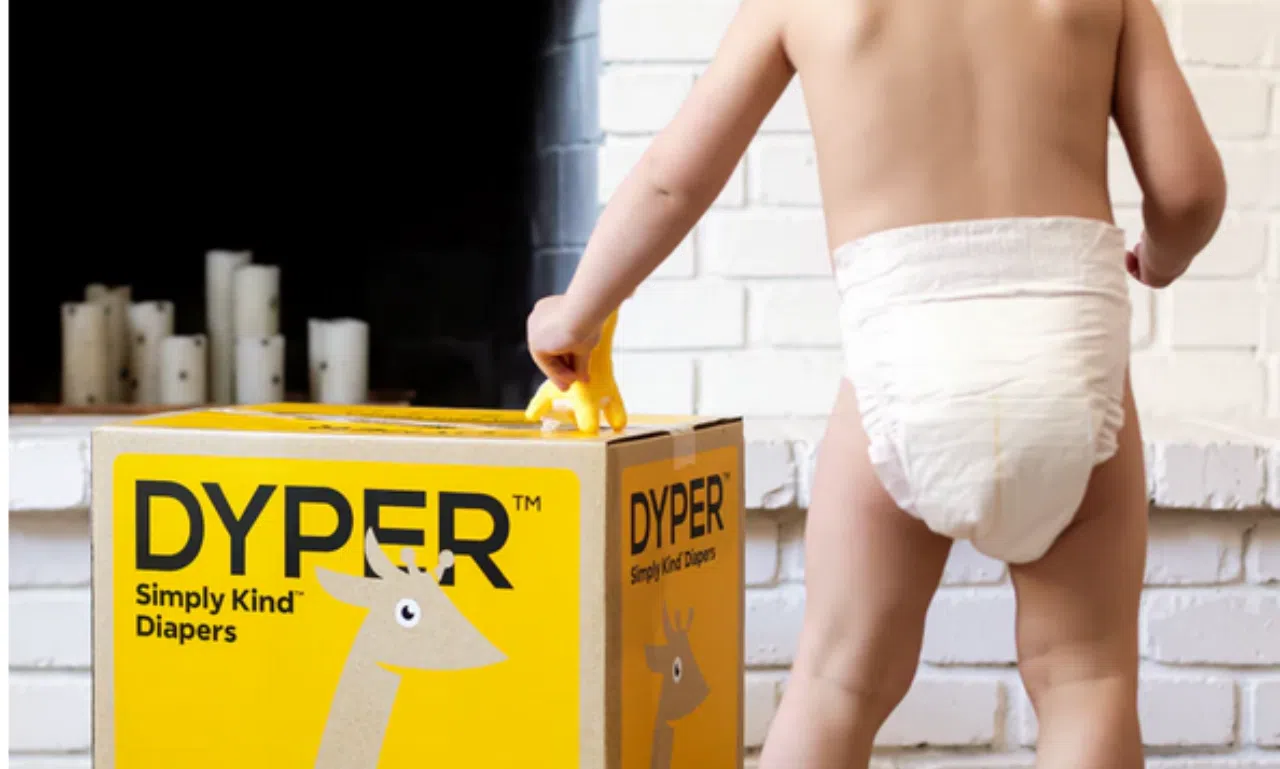
Dyper’s mission statement, "plants over plastic for happy babies," encapsulates their core philosophy. This ethos drives their product development, aiming to create diapers that perform at the highest level of absorbency, comfort, and fit, while simultaneously minimizing their ecological footprint and eliminating potentially harmful chemicals.
Dyper’s Commitment to Sustainability and Health
Dyper’s approach to diaper manufacturing is rooted in a commitment to transparency and the use of plant-based, biodegradable materials. The company endeavors to ensure that nearly all components of their products are biodegradable, acknowledging that certain technological limitations, such as the availability of biodegradable fastenings, may still necessitate the use of non-biodegradable elements in some instances. However, their continuous innovation aims to address these limitations.
The core of Dyper’s product lies in its material composition. They primarily utilize US-grown, Forest Stewardship Council (FSC)-certified bamboo and eucalyptus fibers. Bamboo, known for its rapid growth and minimal need for pesticides, offers a sustainable and renewable resource. The viscose bamboo used is sourced from an Oeko-Tex certified supplier, ensuring that the materials have been tested for harmful substances and are safe for human use. Dyper’s commitment to transparency is further demonstrated by their practice of labeling each layer of the diaper with its specific components, empowering conscious consumers to make informed decisions.
This dedication to natural materials has earned Dyper significant certifications. Their diaper products are Certified USDA BioPreferred, with the diapers themselves meeting a 55% bio-based content and their wipes achieving an impressive 95% bio-based content. These certifications provide consumers with verifiable assurance of the products’ renewable resource origins. Furthermore, Dyper’s diaper products adhere to Oeko-Tex standards, guaranteeing they are free from a wide range of harmful chemicals. A notable achievement in their pursuit of skin safety is the DermaTest 5-Star Certification, a rigorous independent assessment that confirms the diapers are hypoallergenic and do not cause skin reactions.
Beyond material selection, Dyper employs third-party laboratories to rigorously test their products, validating their non-toxic nature and compostability claims. This multi-faceted approach ensures that Dyper diapers are not only better for the environment but also safer for an infant’s delicate skin.
The "Plants Over Plastic" Philosophy in Practice
Dyper’s guiding principle of "plants over plastic for happy babies" translates directly into the tangible benefits for both the child and the planet. By consciously excluding harmful chemical additives, Dyper diapers are free from common irritants such as phthalates, latex, parabens, and artificial fragrances. This focus on natural fibers results in diapers that are gentler on a baby’s sensitive skin, significantly reducing the likelihood of rashes and allergic reactions. The responsible sourcing of these plant-based materials also assures parents that their choices align with ethical and sustainable practices.
The performance of Dyper diapers is a critical aspect of their design. Despite their eco-friendly composition, they are engineered for high performance, effectively preventing leaks and maintaining dryness, which is crucial for a baby’s comfort and skin health. This addresses a common concern that sustainable products may compromise on functionality. Dyper aims to prove that parents do not need to choose between effective diapering and environmental responsibility.
A significant innovation offered by Dyper is their optional REDYPER program. This service, available in select regions, provides a unique solution for managing used diapers. Parents can opt for a scheduled pickup service for their used Dyper diapers and wipes. The company then partners with regional composting facilities to process these materials. Biodegradable components are broken down within approximately 14 to 16 weeks. Non-biodegradable elements are then separated and disposed of responsibly. This closed-loop system represents a forward-thinking approach to diaper disposal, significantly diverting waste from landfills. As of the latest available data, the REDYPER program has successfully diverted over 14 million pounds of waste from landfills, demonstrating a tangible impact on waste reduction efforts.
The "plants over plastic philosophy" extends to Dyper’s packaging as well. The company actively seeks to utilize sustainable materials wherever possible in its packaging to further minimize its environmental footprint. This holistic approach underscores their commitment to sustainability across their entire product lifecycle.
Making Sustainable Diapering Accessible
Dyper offers flexible purchasing options to cater to the diverse needs of parents. Consumers can opt for convenient subscriptions, ensuring a regular supply of diapers, or make one-time purchases. The company provides a wide range of sizes to accommodate babies as they grow. In areas where the REDYPER program is available, parents can also benefit from weekly or biweekly pickup services for used diapers and wipes, simplifying the composting process.
By choosing Dyper, parents are not merely selecting a diaper; they are making a conscious decision to support a company that prioritizes sustainability, champions transparency in its product composition, and is dedicated to providing superior care for their babies. This commitment extends from the raw materials used to the innovative disposal solutions offered, positioning Dyper as a leader in the evolving landscape of infant care products. The company’s efforts represent a significant step towards transforming an industry traditionally associated with substantial environmental challenges into one that embraces ecological responsibility and prioritizes the well-being of future generations.