Ali Ikhwan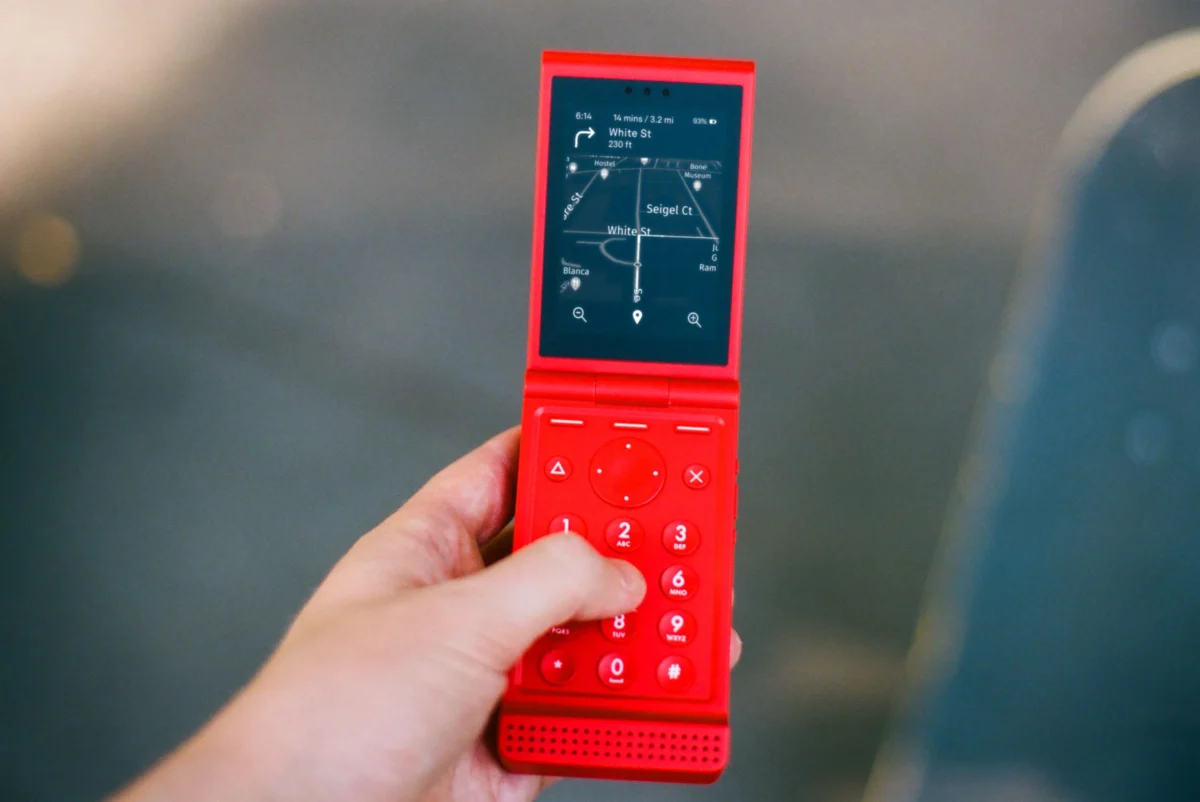
The Brooklyn-based technology firm Light Phone has announced its newest hardware venture, the Light Flip, a device designed to provide a radical departure from the increasingly complex smartphone ecosystem. This announcement comes as a strategic pivot following feedback regarding the company’s previous model, the Light Phone III. Despite its monochrome OLED screen and intentional lack of a traditional app store, the Light Phone III was criticized by some early adopters for being "too similar to a smartphone" in its form factor. In response, the Light Flip returns to a classic clamshell design, intentionally eschewing modern touch interfaces in favor of physical tactile controls and a distraction-free user experience.
The Light Flip is positioned not merely as a budget alternative, but as a cultural statement. Featuring a design reminiscent of late-1990s and early-2000s handsets from manufacturers like Motorola and Ericsson, the device lacks an external front screen entirely. Instead, it relies on a simple notification LED to alert users of incoming messages or calls. This design choice is intended to eliminate the "phantom vibration" syndrome and the compulsion to constantly check a screen for notifications. By stripping away the external display, Light Phone aims to provide users with total control over their digital interactions, ensuring that the phone only demands attention when the user actively chooses to open it.
The Evolution of the Minimalist Phone Movement
The journey of the Light Phone brand began in 2015 with a successful Kickstarter campaign for the original Light Phone, a credit-card-sized device that could only make and receive calls. Over the last decade, the company has navigated the difficult balance between utility and minimalism. The Light Phone II, released in 2018, introduced an electronic-paper (E-ink) display and basic tools like messaging and an alarm clock. However, as the "dumbphone" market has matured, consumer expectations have shifted.
The Light Phone III, announced earlier this year, represented a move toward more robust hardware, including an all-metal build and 5G connectivity. Yet, the $899 price tag—driven by global RAM shortages and international trade tariffs—placed it out of reach for many consumers. The Light Flip represents a correction in both design philosophy and market positioning. By utilizing a plastic chassis and a more traditional flip-phone architecture, Light Phone has managed to bring the entry price down to $299, making the "light" lifestyle accessible to a broader demographic.

Technical Specifications and Hardware Architecture
While the Light Flip leans into retro aesthetics, its internal components are modern. The device is powered by a 5G-capable chipset, ensuring longevity as telecommunications providers continue to sunset 3G and 4G networks. Unlike many "feature phones" currently on the market from brands like HMD or TCL, which are often criticized for poor build quality and outdated software, the Light Flip is designed as a premium tool.
Key hardware features include:
- Display: A 2.8-inch internal OLED screen, providing high contrast and clarity without the battery drain or blue-light issues associated with larger smartphone panels.
- Interface: The device lacks a touchscreen. Navigation is handled via a physical D-pad, three dedicated function keys, and traditional T9 predictive text for messaging.
- Camera: A 12-megapixel rear-facing camera is included, allowing users to capture memories without the immediate pressure of social media integration.
- Audio: In a move that distinguishes it from the Light Phone III, the Flip includes a 3.5mm headphone jack, alongside stereo speakers and dual microphones for high-quality voice calls.
- Battery and Charging: The device features a 1,800-mAh user-replaceable battery, a significant nod to the "Right to Repair" movement. Charging and data transfer are handled via a standard USB-C port.
- Connectivity: Support for Nano SIM and eSIM, Bluetooth, Wi-Fi, and GPS for navigation tools. The device is rated IP54 for water and dust resistance.
The Economic Landscape: Pricing and the MVNO Model
The announcement of the Light Flip comes at a time of significant economic volatility in the consumer electronics sector. Kaiwei Tang, CEO and cofounder of Light Phone, noted that the company was forced to raise the price of the Light Phone III from its initial promotional price to $899 due to the rising costs of components, specifically RAM. This price hike highlighted a growing problem in the niche tech market: the "minimalist tax."
To combat this, the Light Flip will be offered at a more competitive $299 price point for those who pre-order. Furthermore, Light Phone is expanding its role as a Mobile Virtual Network Operator (MVNO). The company is introducing a 24-month contract option that bundles the hardware with a service plan for $39 per month. This plan, powered by the AT&T and T-Mobile networks in the United States, includes unlimited talk and text and 1 GB of data—enough to power the device’s utility tools like GPS and music streaming without encouraging mindless browsing.
This shift toward a subscription model reflects a broader trend in the industry where hardware manufacturers seek recurring revenue to offset the high costs of low-volume production. For many users, the $39-per-month entry point is a more palatable way to transition away from the $1,000+ flagship smartphones offered by Apple and Samsung.

Cultural Context: Gen Z and the "Summer of Ludd"
The primary driver behind the Light Flip’s design is a burgeoning counter-culture among younger consumers. According to Light Phone leadership, interviews with more than two dozen Gen Z consumers revealed a profound dissatisfaction with the current state of mobile technology. "They don’t want to be seen as using a smartphone," Tang explained. This demographic is increasingly wary of Big Tech, algorithmic manipulation, and the pervasive influence of Artificial Intelligence.
This sentiment was epitomized by the "Summer of Ludd" festival held in New York City, where participants gathered to celebrate life offline. Attendees at such events have been known to express vocal disapproval of smartphone usage in social settings. For this group, a flip phone is not a sign of being "behind the times," but a badge of intentionality. However, the existing "dumbphone" market has largely failed them. Older devices often lack the necessary bands to work on modern 5G networks, and current budget flip phones are often viewed as "ugly" or "disposable." The Light Flip aims to fill this gap by providing a device that is aesthetically pleasing, durable, and functionally reliable.
Software Ecosystem and Third-Party Development
The Light Flip runs on LightOS, a proprietary platform designed to be "as light as possible." At launch, the device will include a suite of essential "tools," which include:
- Phone and Messaging (T9)
- Alarm Clock and Timer
- Calculator
- Calendar
- Notes/Voice Memo
- Directions (GPS)
- Music Player and Podcast Tool
In May, Light Phone took a significant step by releasing a Software Development Kit (SDK). This allows third-party developers to create additional tools for the platform. However, the company maintains strict gatekeeping to ensure that these tools remain utilitarian. The goal is to allow for services like Uber, Spotify, or public transit apps without opening the door to infinite-scroll social media feeds or intrusive advertising. This "curated utility" approach is what differentiates LightOS from the Android-based operating systems found on competing minimalist devices.
Competitive Analysis: Light Flip vs. Commodore Callback 8020
The Light Flip is entering a market that is suddenly becoming crowded. Recently, the retro gaming brand Commodore announced the "Callback 8020," another flip phone targeting the digital detox market. While both devices share a similar form factor, their philosophies differ significantly.

The Commodore Callback 8020 runs a modified version of Android that allows users to download standard apps but blocks social media and web browsers. It offers a more familiar interface for those who cannot fully leave the Android ecosystem. In contrast, the Light Flip’s lack of a touchscreen and its proprietary OS represent a more "hardline" approach to digital minimalism. While the Commodore device is priced at $399 and ships later this year, the Light Flip’s $299 price and April 2027 release date suggest a longer-term play for market dominance in the premium minimalist sector.
Broader Implications for the Tech Industry
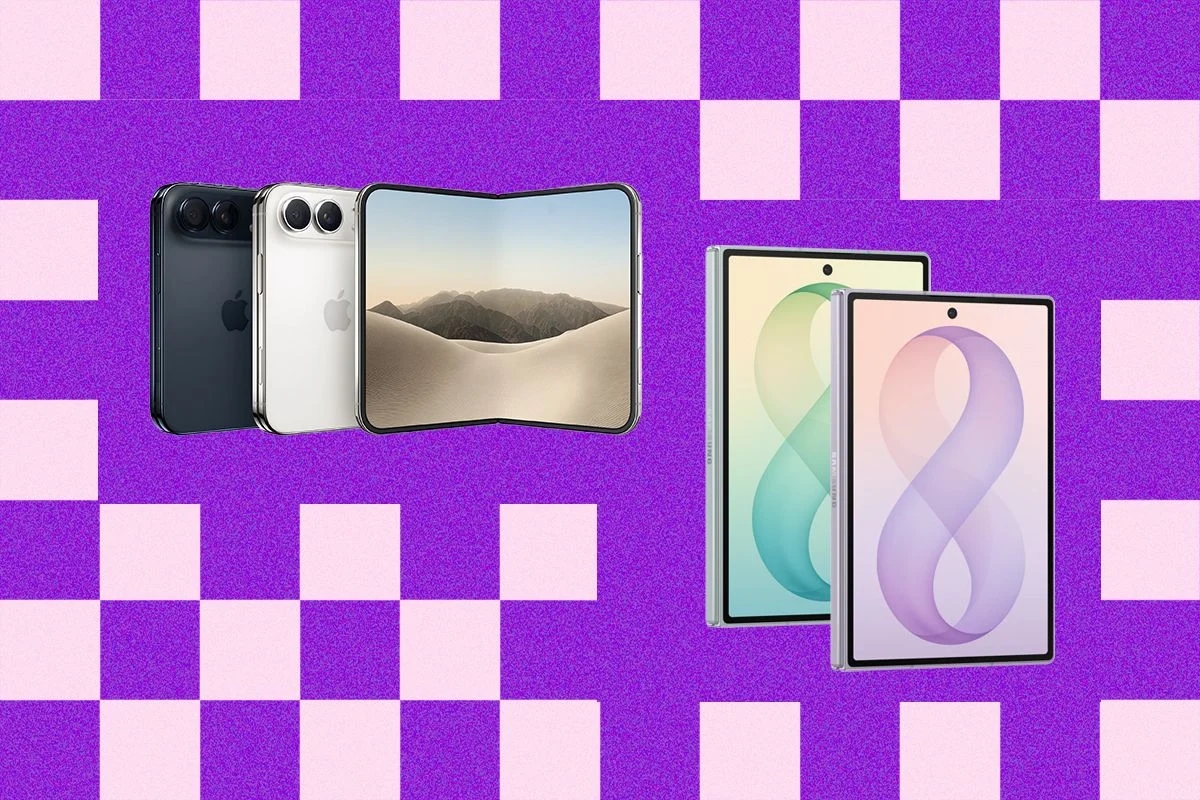
The timing of the Light Flip announcement—just one day before Samsung’s "Galaxy Unpacked" event—is a deliberate piece of counter-programming. While the tech giants continue to push the boundaries of foldable screens and AI-integrated hardware, Light Phone is betting on a "less is more" future.
The success or failure of the Light Flip will likely serve as a bellwether for the minimalist tech industry. If the device meets its pre-order targets, it will signal to the broader market that there is a sustainable demand for hardware that prioritizes mental well-being over feature density. Moreover, the inclusion of a replaceable battery and a headphone jack suggests that "retro" features are becoming increasingly synonymous with "sustainability" and "longevity"—concepts that are becoming central to the consumer electronics conversation.
As the Light Flip moves toward its April 2027 shipping date, it stands as a testament to a decade-long mission to reclaim human attention from the grip of the attention economy. For a growing number of people, the most advanced feature a phone can offer is the ability to be put away and forgotten.