Cintya Tara Annisa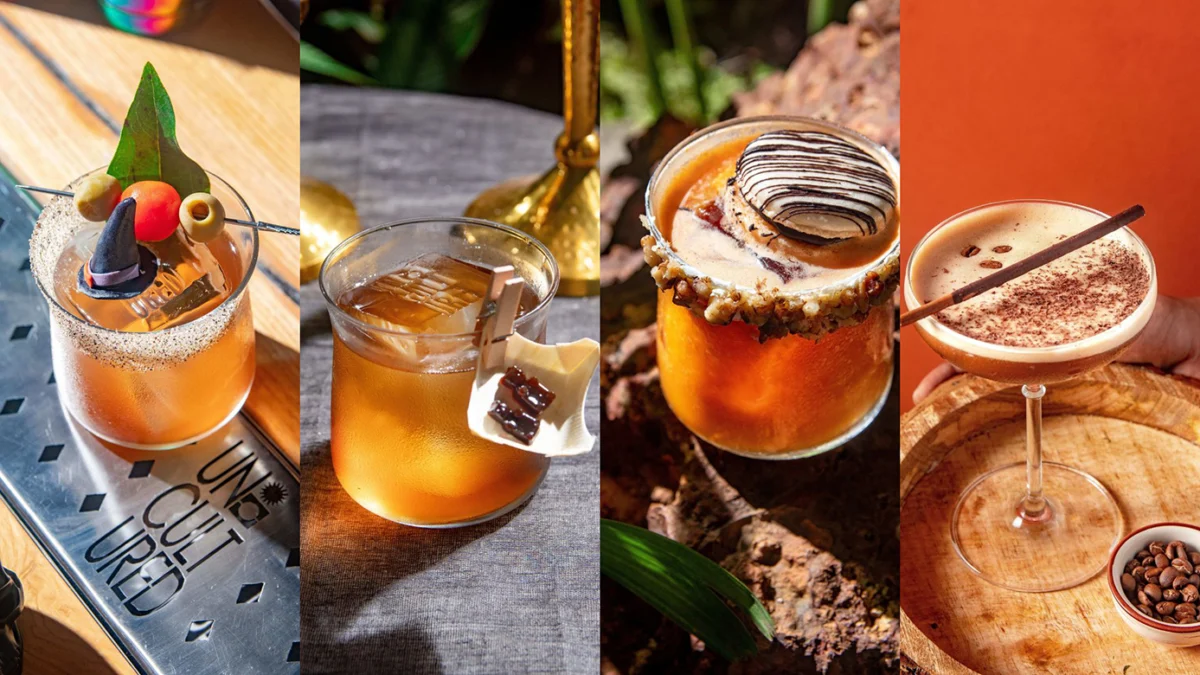
The hospitality landscape in the Indian state of Goa is undergoing a significant transformation, moving beyond its traditional reputation for beachside revelry to embrace niche, high-concept luxury. At the forefront of this shift is Unseen, a boutique hotel located in the tranquil village of Assagao, which has positioned itself as a premier destination for specialty coffee enthusiasts. Marketed as a "coffee-forward" lodging option, Unseen integrates a professional-grade roastery, a high-end cafe, and a coffee-centric speakeasy into a single cohesive guest experience. While the establishment’s claim to be the world’s first coffee hotel is subject to industry debate, its arrival marks a pivotal moment for India’s domestic coffee culture and the broader global trend of beverage-based tourism.
A New Paradigm in Boutique Hospitality
Assagao, often referred to as the "Village of Flowers," has recently become the epicenter of Goa’s upscale interior tourism. Located just five minutes from the confluence of the Chapora River and the Arabian Sea, the village provides a serene backdrop that contrasts with the bustling coastal strips of North Goa. It is within this context that Unseen has established its operations, aiming to cater to a demographic that values artisanal craftsmanship and sensory experiences as much as traditional luxury.
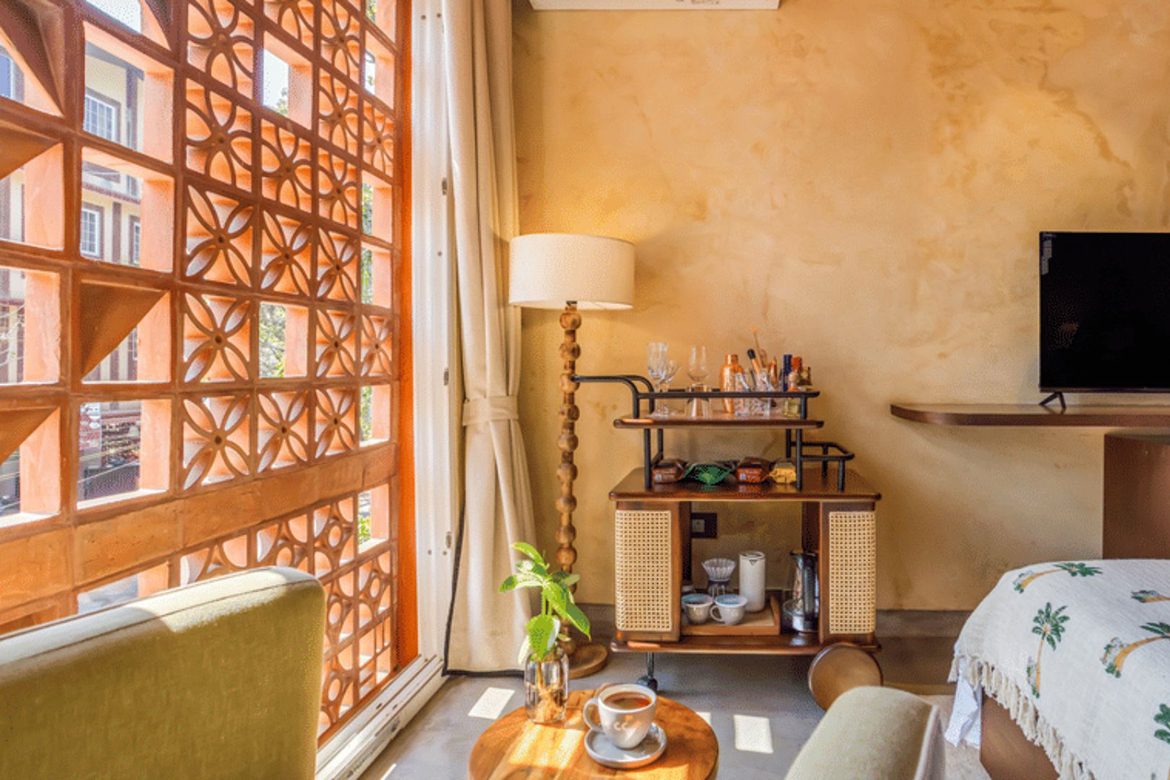
The hotel’s identity is inextricably linked to the specialty coffee movement. This is not merely a matter of providing high-quality beans in the lobby; rather, the architecture and service model of Unseen are built around the "seed-to-cup" philosophy. Every guest room is equipped with professional brewing apparatus, including Origami drippers, gooseneck kettles, and dedicated reverse-osmosis (RO) water systems. This attention to detail ensures that the water chemistry—a critical but often overlooked variable in coffee extraction—is optimized for the specific roast profiles provided by the hotel’s in-house roastery.
Navigating the "First Coffee Hotel" Claim
In the competitive world of boutique hospitality, "first-of-its-kind" claims are common, yet they require careful contextualization. While Unseen touts itself as the world’s first coffee-forward boutique hotel, several international precedents exist. Man Met Bril Koffie in Rotterdam, Netherlands, has long operated a hotel that includes a residency program for traveling baristas. In the producing regions of the Global South, Casa Cafeología in Chiapas, Mexico, serves as a hub for green coffee buyers, and La Palma y El Tucan in Colombia offers an immersive farm-stay experience.
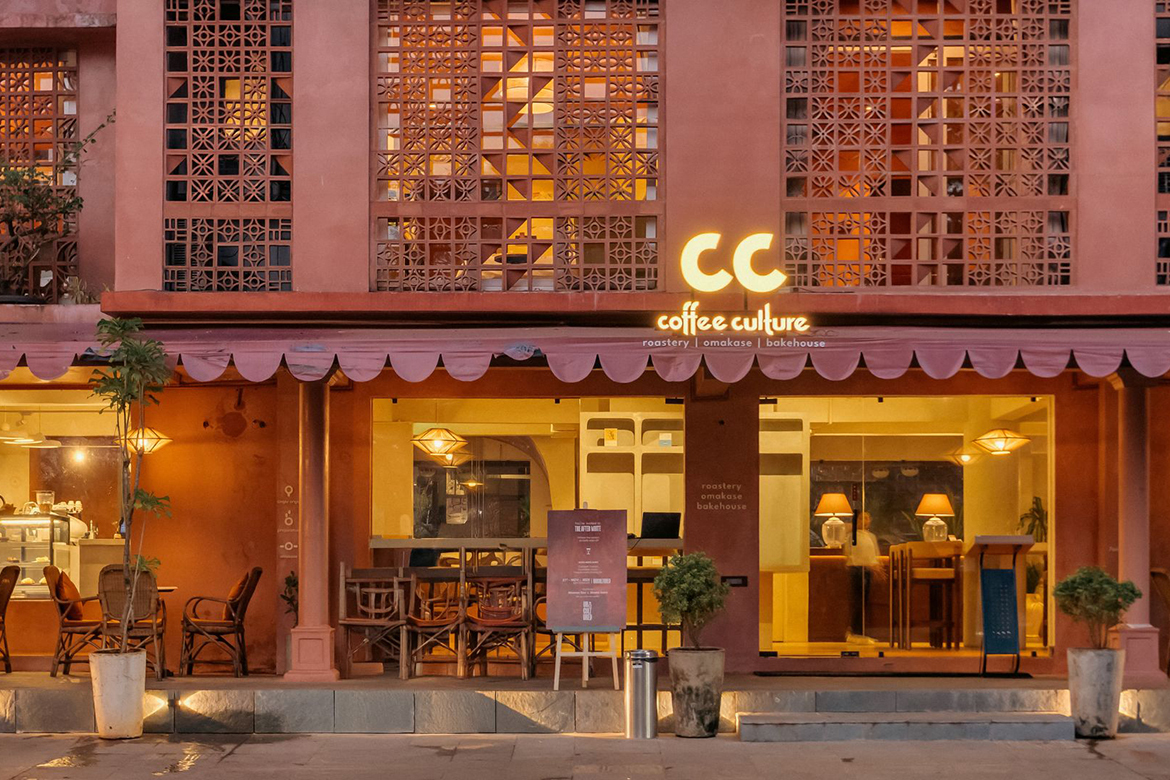
However, Unseen distinguishes itself by being a consumer-facing flagship located in a non-producing urban/resort setting, rather than a farm-based lodge or a strictly industry-focused facility. It represents the flagship operation for Coffee Culture, an Indian brand that has rapidly expanded to over 20 locations across the subcontinent. By situating its flagship in Goa, Coffee Culture is leveraging the state’s status as a domestic and international travel hub to showcase the maturity of the Indian specialty coffee market.
Technical Excellence and the Roastery Flagship
The heart of the Unseen experience is its in-house roastery. India is historically the world’s seventh-largest producer of coffee, yet for decades, its highest-quality Arabica and Robusta beans were almost exclusively exported to Europe and North America. The domestic market was largely dominated by instant coffee or traditional South Indian filter coffee. The roastery at Unseen seeks to flip this narrative by highlighting premium Indian lots that many international travelers may have never encountered, alongside a curated selection of global coffees.
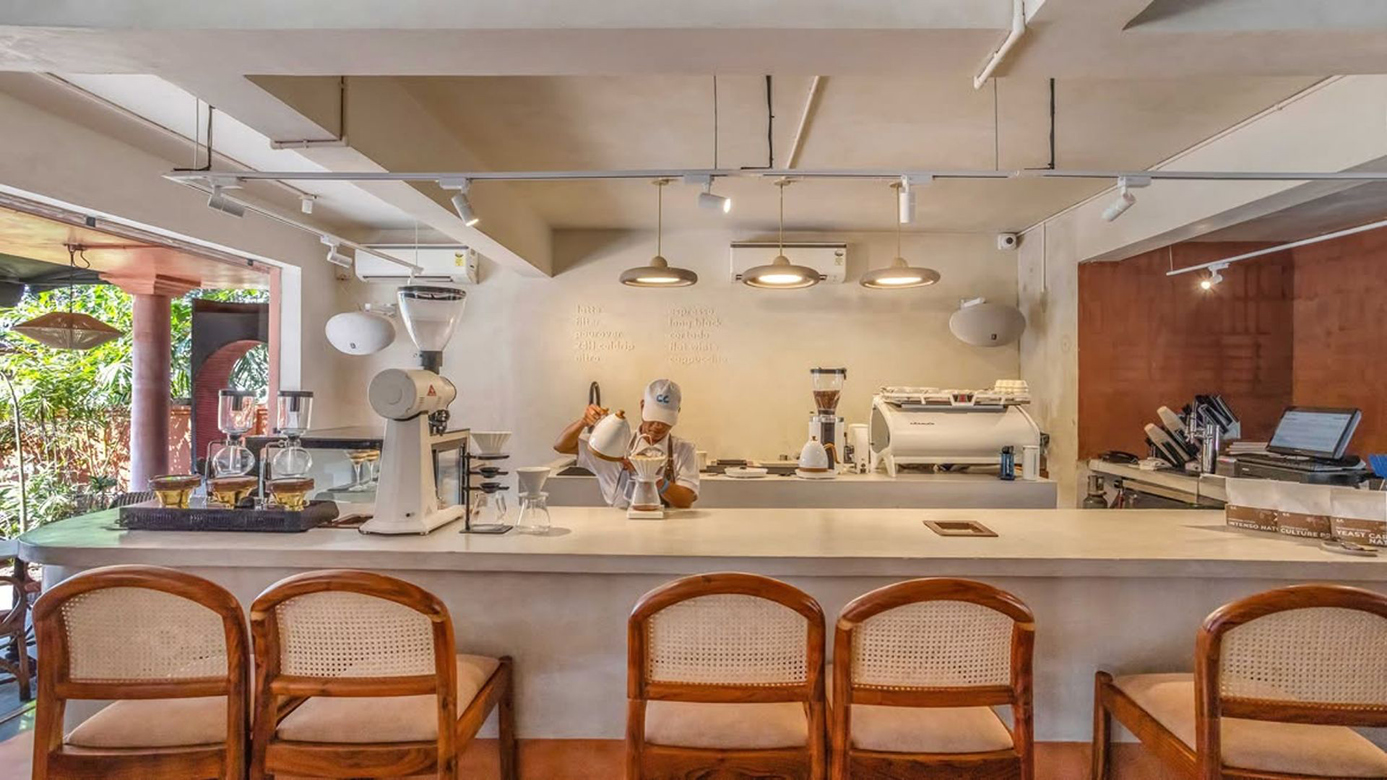
The on-site cafe, managed by Coffee Culture, serves as a laboratory for technical precision. The facility utilizes a La Marzocco Strada, a machine renowned in the specialty industry for its pressure profiling capabilities, allowing baristas to fine-tune the extraction of different bean varieties. Complementing the espresso service are manual brewing stations featuring V60s and siphons, supported by the Mahlkönig EK43 grinder—the industry standard for grind uniformity.
One of the most innovative offerings at the cafe is the "Coffee Omakase." Borrowing the Japanese concept of "leaving it to the chef," this experience provides guests with a guided four-course journey through different terroirs. Currently, the sequence includes coffees from El Salvador, Ethiopia, Colombia, and Panama. Each course is designed to be theatrical and educational, pairing specific flavor profiles with small culinary accompaniments to elevate the guest’s understanding of acidity, body, and aroma.
From Morning Brews to Nighttime Libations: The Uncultured Speakeasy
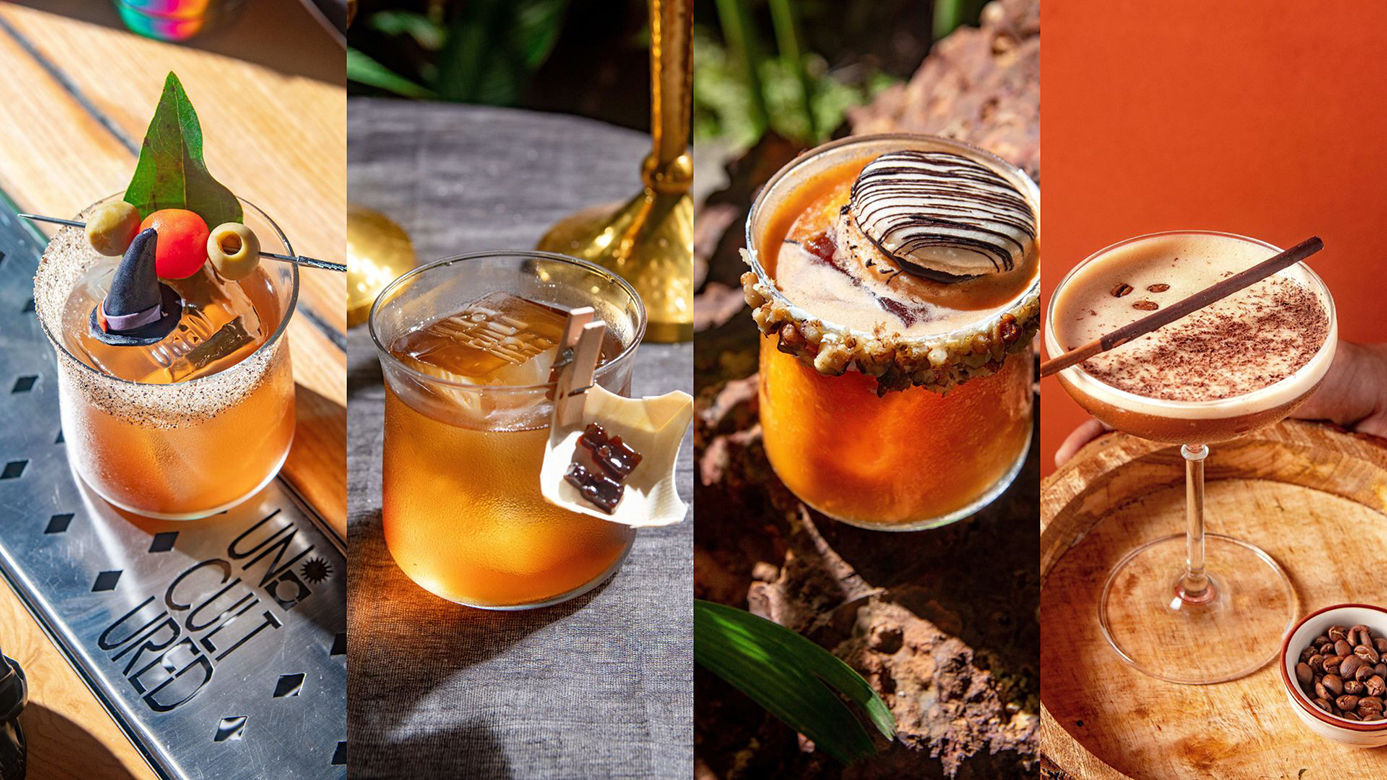
As evening approaches, the hotel’s focus shifts from caffeine extraction to mixology. The "Uncultured" speakeasy, located on the premises, explores the intersection of coffee and spirits. This reflects a growing global trend in the "Coffee in Good Spirits" movement, where coffee is treated as a complex botanical ingredient rather than just a stimulant.
The cocktail menu at Uncultured features sophisticated entries such as "Nobody’s To Own," a blend of spiced rum, cacao nib, and ginger, anchored by a house-made coffee liqueur. Another signature drink, "Unmade Plans," combines bourbon with passionfruit and cacao bitters, demonstrating the versatility of coffee when paired with bright, acidic fruits. This integration of a high-end bar ensures that the coffee theme remains relevant throughout the guest’s entire stay, transitioning from a morning necessity to an evening indulgence.
Economic Context and the Rise of Indian Specialty Coffee
The launch of Unseen comes at a time of explosive growth for the Indian coffee industry. According to data from the Coffee Board of India, domestic consumption has been rising steadily, fueled by a young, urban middle class with increasing disposable income and a preference for artisanal products. The "Third Wave" of coffee—characterized by an appreciation for origin, processing methods, and light roast profiles—has taken firm root in cities like Bangalore, Mumbai, and Delhi.
By offering rooms starting at approximately $50 USD per night, Unseen positions itself at a highly competitive price point. This "affordable luxury" strategy allows the hotel to attract "digital nomads" and domestic travelers who are seeking a "workation" (work-vacation) environment. The inclusion of high-speed internet and professional brewing gear in every room specifically targets the remote worker demographic that has flocked to Goa since the 2020 global shift toward flexible work arrangements.
Chronology of the Coffee Hotel Trend
To understand the significance of Unseen, one must look at the timeline of coffee-integrated hospitality:
- 2010–2015: The rise of "Third Wave" cafes globally leads to improved coffee offerings in luxury hotels, but coffee remains a secondary amenity.
- 2017: Casa Cafeología opens in Mexico, providing a dedicated space for coffee professionals and buyers in a producing region.
- 2019: La Palma y El Tucan in Colombia expands its farm-stay operations, blurring the lines between agriculture and tourism.
- 2021: Man Met Bril Koffie announces its integrated coffee hotel in Rotterdam, focusing on the urban enthusiast and professional.
- 2023–2024: Unseen opens in Goa, representing the first major effort in the Indian market to marry a high-volume domestic brand (Coffee Culture) with a boutique lodging concept.
Broader Implications for Tourism and Sustainability
The establishment of Unseen has broader implications for the Goan economy and the sustainability of the coffee supply chain. By showcasing local Indian coffees to an international audience, the hotel acts as a brand ambassador for Indian farmers. This direct-to-consumer exposure can lead to higher premiums for growers in regions like Chikmagalur and the Araku Valley, as travelers return home and seek out Indian origins from their local roasters.
Furthermore, the "coffee hotel" model suggests a future where hospitality is increasingly fragmented into specialized niches. Just as wine tourism has created entire economies in regions like Napa Valley or Bordeaux, "coffee tourism" is beginning to emerge as a viable sector. For Goa, which has struggled with the environmental impacts of mass tourism, the shift toward smaller, high-value boutique operations like Unseen offers a more sustainable path forward.
Conclusion: A Slower Pace of Life
Ultimately, Unseen represents a convergence of several modern travel desires: the need for a tranquil environment, a passion for craft beverages, and a demand for high-tech amenities in a low-tech setting. By providing a "slower pace of life" just an hour’s flight from the financial hub of Mumbai, the hotel serves as a sanctuary for the modern connoisseur. Whether or not it is technically the "first" coffee hotel, its comprehensive execution of the concept sets a new benchmark for how hospitality brands can engage with the global specialty coffee community. As the Indian coffee scene continues to mature, Unseen stands as a testament to the country’s ability to innovate within the global luxury market.