The contemporary digital landscape often sees creators, brands, and agencies navigating a complex web of social media platforms, frequently juggling multiple browser tabs, numerous mobile applications, and the repetitive task of cross-posting content. This pervasive challenge, characterized by the constant demand for an "always-on" presence, underscores a critical need for streamlined operational strategies. For those managing diverse social media portfolios, whether for personal branding or a roster of client accounts, the objective transcends merely "doing more"; it pivots towards optimizing workflow to execute repetitive tasks once, efficiently and effectively. This guide outlines seven pivotal tactics designed to mitigate busywork, foster consistency, and enhance productivity in the demanding realm of multi-account social media management.
The Evolving Landscape of Digital Presence and the Need for Efficiency
The exponential growth of social media platforms over the past two decades has transformed how businesses and individuals connect with their audiences. From early forums to the sophisticated ecosystems of today’s Instagram, TikTok, LinkedIn, X, and Pinterest, each platform presents unique opportunities and demands. The rise of the creator economy, projected to exceed a trillion dollars, alongside the imperative for brands to maintain authentic and consistent engagement, has amplified the pressure on social media managers. A 2023 survey revealed that over 70% of businesses actively maintain a presence on at least three social media channels, with a significant portion managing five or more. This widespread adoption, while offering unparalleled reach, simultaneously introduces considerable operational complexities. The manual execution of tasks such as scheduling posts, monitoring engagement, and analyzing performance across disparate platforms is not only time-consuming but also prone to error and burnout, particularly for solo entrepreneurs and small marketing teams. The core challenge, therefore, lies in harmonizing a fragmented digital presence into a cohesive, manageable workflow that maximizes impact without exhausting resources.
The Foundational Principle: Centralization and Automation
At its heart, the most efficient approach to managing multiple social media accounts involves centralizing operations through a dedicated social media management tool. This single dashboard concept allows users to connect all their accounts, manage content calendars, schedule posts, respond to comments and direct messages, and track analytics and insights without the cumbersome process of logging in and out of individual applications. Complementing this centralization are strategic elements such as content templates, intelligent crossposting, and automation, all designed to eliminate repetitive manual effort. A gradual, deliberate approach to integrating new platforms further ensures sustainable growth and prevents operational overload. Companies like Buffer offer robust solutions, often providing free tiers for initial exploration, enabling users to test these tactics before committing financially.
Seven Pillars of Streamlined Social Media Management

The following methods represent a comprehensive framework for optimizing multi-platform social media operations. While individually powerful, their combined application typically yields the most significant improvements in efficiency and effectiveness.
1. Leveraging Templates for Repeatable Content Formats
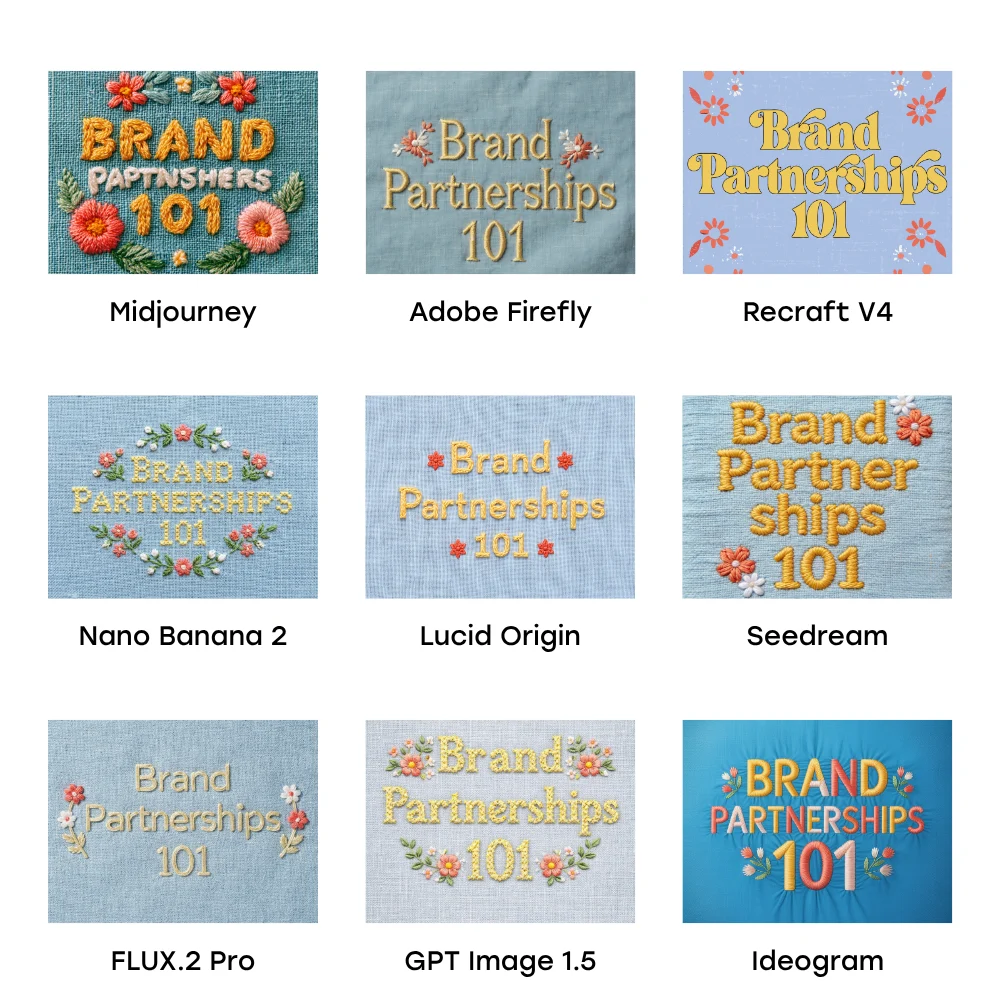
The consistent visual identity and streamlined creation process offered by templates are indispensable for multi-account management. Templates cut down design time significantly and ensure brand recognition across all channels. For instance, if a brand routinely publishes "social proof" graphics every Tuesday, establishing an editable template in design tools like Canva can reduce a 20-minute design task to a mere two-minute update. This not only maintains aesthetic consistency but also alleviates the daily pressure of inventing novel content, allowing creators to lean into proven, repeatable formats. A key consideration, especially for crossposting, is adapting dimensions to fit platform-specific requirements, a detail often overlooked but crucial for optimal presentation. Industry data suggests that brands employing consistent visual templates experience a 33% increase in brand recognition and a 20% reduction in content creation time. This strategy effectively transforms routine content generation from a creative hurdle into an efficient production line.
2. Integrating Content Curation into the Social Media Calendar
Content curation, the practice of discovering, organizing, and sharing relevant and valuable content from other sources, serves as a powerful method for enriching a content calendar without the burden of constant original creation. This approach involves compiling helpful posts, articles, or insights from industry thought leaders or complementary creators into digestible roundups for the audience. Beyond easing the content creation load, curation genuinely benefits the audience by acting as a filter for information overload, providing them with organized, valuable resources they might otherwise miss. Strategically mixing curated content with original posts maintains publishing consistency and can evolve into popular content series that audiences anticipate. For example, many marketing agencies and publications, like Buffer itself, curate weekly newsletters or social media threads summarizing industry news and best practices. This method not only saves time but also positions the brand as a valuable resource and community hub.
3. Strategic Crossposting and Repurposing of Existing Content
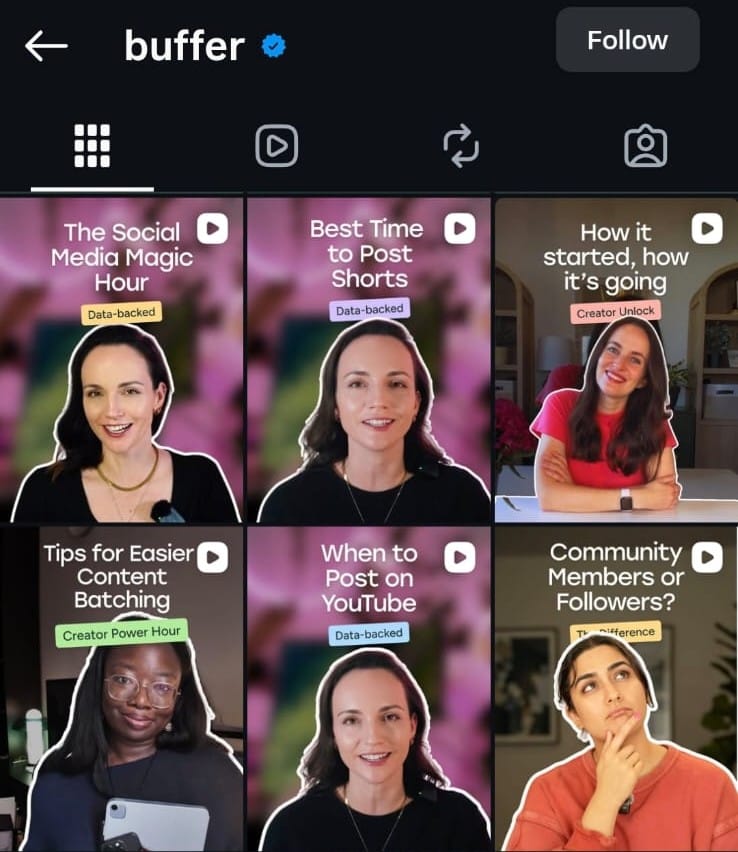
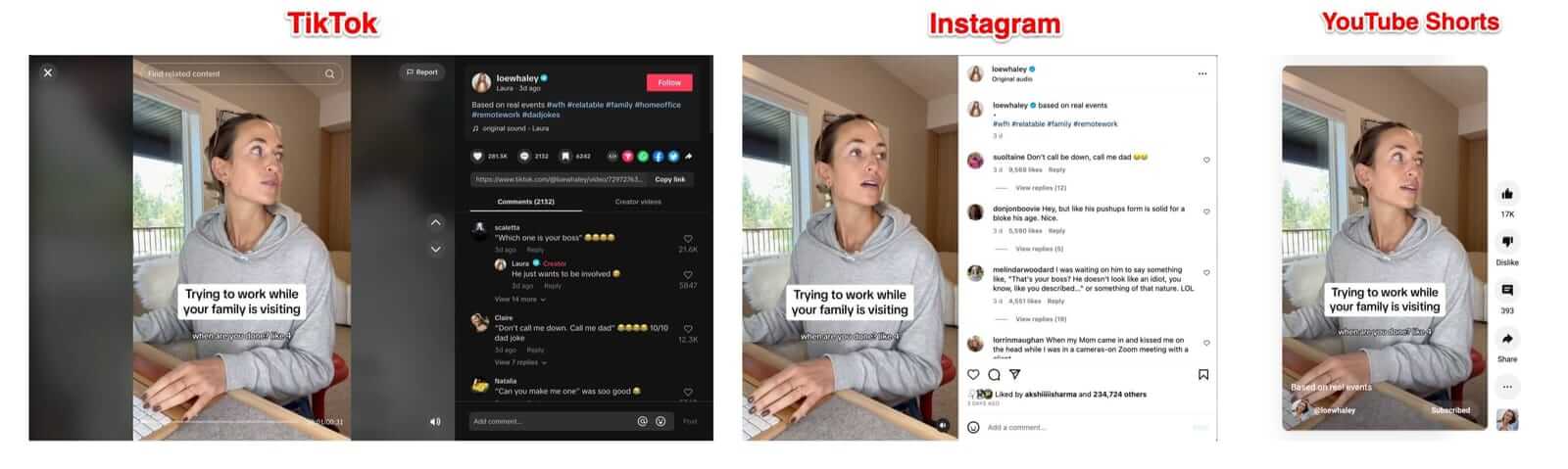
Crossposting and content repurposing are distinct yet complementary strategies for maximizing the utility and reach of content. Crossposting involves sharing identical or near-identical content across multiple platforms, an effective tactic for platforms that favor similar content formats. For instance, a high-performing short-form video reel on Instagram can often be directly shared to TikTok and YouTube Shorts with minimal or no modifications. This strategy capitalizes on content that has already demonstrated engagement potential on one network, extending its lifecycle and reach.
Content repurposing, conversely, entails adapting one piece of content into various new formats to suit different platforms and audience consumption habits. A detailed blog post, for example, can be transformed into an Instagram carousel, a series of short video clips for Reels/TikTok, a LinkedIn article, or a thread on X. This approach not only expands the content’s footprint but also caters to diverse preferences, ensuring the message resonates across various touchpoints. Studies on content marketing ROI indicate that repurposing can increase content lifespan by up to 75% and significantly improve engagement rates across multiple channels. The ability of a social media management tool to facilitate simultaneous posting across selected networks from a single composer is a major time-saver, eliminating the "copy-paste tax" associated with manual distribution.
4. Automating Routine Social Media Tasks
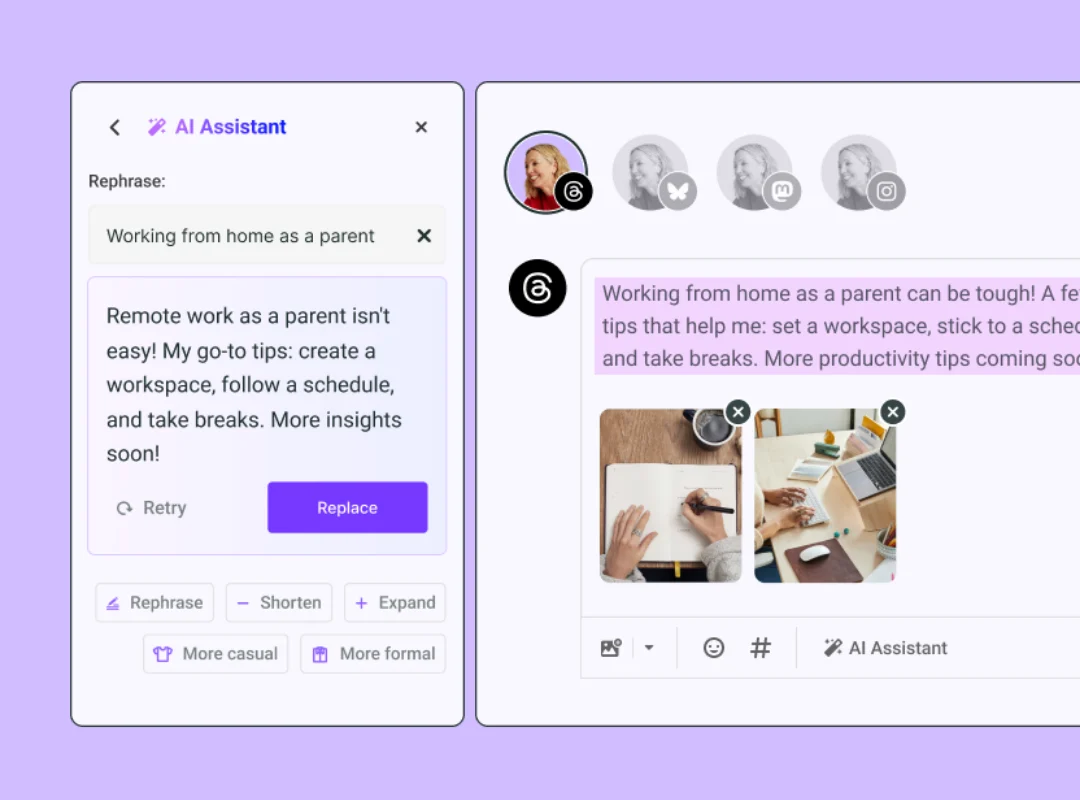
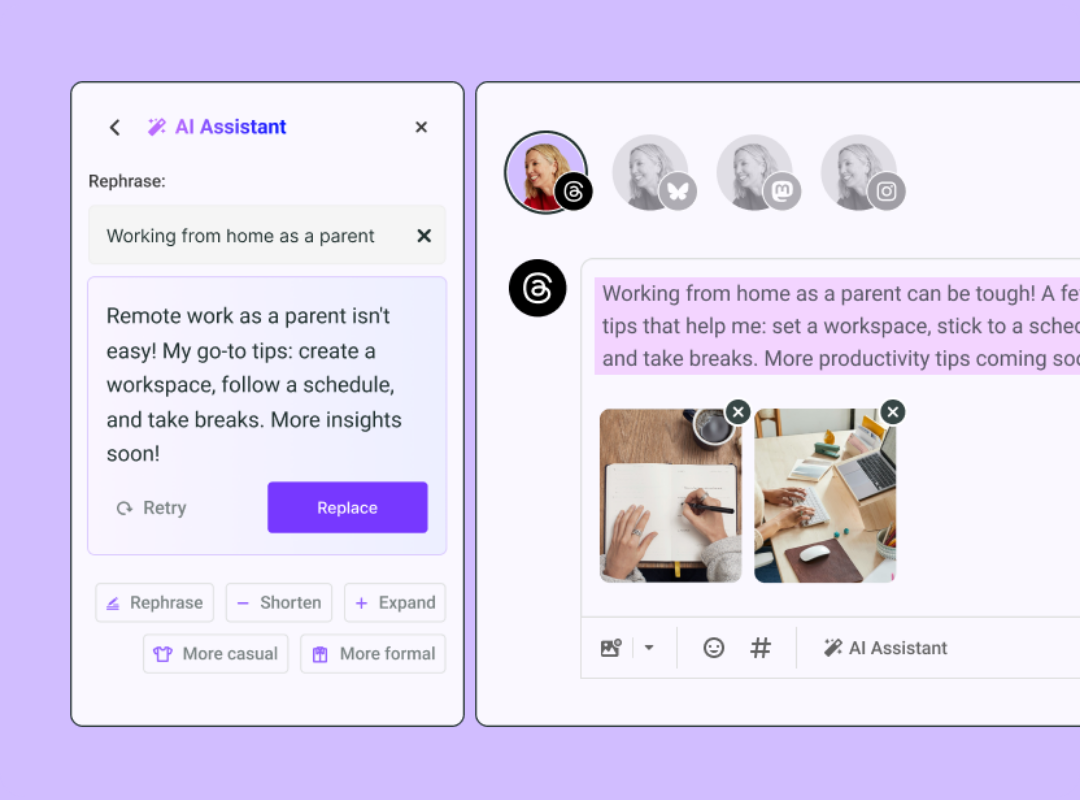
Automation in social media management involves leveraging software to handle repetitive, time-consuming tasks, thereby freeing up human resources for more creative, strategic, and engagement-focused activities. Key areas ripe for automation include content scheduling, performance reporting, and even initial caption drafting or tone adjustments. Tools equipped with AI assistants, such as Buffer’s AI capabilities, can quickly rephrase captions to fit different tones—formal, casual, or humorous—at the click of a button, drastically reducing the time spent on minor edits.
Other automatable tasks include:
- Post Scheduling: Pre-scheduling content for optimal times across all platforms.
- Analytics Collection: Automated generation of performance reports.
- Engagement Monitoring: Consolidating notifications and direct messages for centralized responses.
- Content Discovery: Utilizing RSS feeds or content suggestion tools to curate relevant articles.
By listing every task involved in managing accounts, from ideation to adaptation, and then identifying tools that can automate or expedite them, managers can significantly enhance operational efficiency. This shift from manual execution to strategic oversight allows teams to focus on high-value activities like audience engagement, trend analysis, and content innovation. Research indicates that businesses adopting social media automation can save up to 10 hours per week on routine tasks, translating into substantial productivity gains.
5. Developing a Robust Social Media Strategy and Content Calendar
A well-defined social media strategy is the bedrock upon which all effective multi-account management rests. Without a clear strategy, posting becomes reactive and instinctive, often lacking coherence and measurable objectives. A solid strategy dictates:
- Target Audience: Who are you trying to reach?
- Platform Choice: Where does your audience spend their time, and in what mindset?
- Key Objectives: What do you aim to achieve (e.g., brand awareness, lead generation, community building)?
- Brand Voice and Messaging: How will you communicate consistently?
- Key Performance Indicators (KPIs): How will success be measured?
This strategic framework then translates into an actionable content calendar, which outlines precisely what content goes live, on which network, at what time, and, crucially, why. A well-structured content calendar transforms the chaotic nature of multi-platform posting into an orderly, predictable process. It ensures consistency, allows for proactive planning, and facilitates theme-based content series. Templates for social media strategies are widely available, providing a structured starting point for developing a tailored plan.
6. Implementing a Centralized Social Media Management Tool
A social media management tool stands as the single most impactful lever for streamlining multi-account operations. These platforms consolidate every aspect of social media presence into one interface, rendering the entire endeavor manageable. Key functionalities typically include:
- Unified Content Calendar: Visualizing and scheduling posts across all connected networks.
- Cross-Platform Publishing: Composing a post once and publishing it to multiple selected channels.
- Engagement Inbox: Centralizing comments, mentions, and direct messages for efficient response.
- Performance Analytics: Providing aggregated and individual platform insights.
- Team Collaboration Features: Facilitating approvals, task assignments, and role-based access for agencies and larger teams.
Connecting accounts is typically a one-time authorization process, after which all planning and publishing occur from a single calendar. While no tool can natively replicate every single feature of every platform (e.g., certain Instagram first comments or specific TikTok formats might still require a manual touch), the overall efficiency gain far outweighs these minor limitations. For agencies and freelancers managing client accounts, these tools offer indispensable features like separate workspaces, distinct content calendars, approval workflows, and per-client reporting, preventing cross-contamination and simplifying monthly updates. The market for social media management tools is robust, with options like Buffer catering specifically to creators and small businesses with user-friendly interfaces and affordable (often free to start) plans that include core features like AI assistance and landing page builders.
7. Gradual and Intentional Platform Expansion
The temptation to establish an immediate presence on every emerging social media platform is strong, but it is often the quickest route to burnout and diluted effort. A more sustainable and effective strategy involves adding new platforms one at a time, mastering each before expanding further. This approach allows creators and brands to reuse successful content strategies, refine their voice, and build a dedicated audience organically.
The initial step is to identify where the target audience genuinely resides and, more importantly, in what mindset they engage with content on those platforms. For instance, D2C brands often thrive on visually driven platforms like TikTok, Instagram, and Pinterest, while B2B entities might prioritize LinkedIn, X, and Bluesky. Audience surveys and existing engagement data are invaluable for this assessment. It’s crucial to understand that an audience might be present on multiple networks, but their intent and receptiveness to certain types of content (e.g., purchasing intent versus professional networking) will vary significantly.
Benefits of a phased approach to platform expansion include:
- Burnout Prevention: Spreading the learning curve and workload over time.
- Resource Optimization: Focusing energy and budget on one platform at a time for maximum impact.
- Data-Driven Decisions: Allowing time to collect and analyze performance data to inform the strategy for the next platform.
There is no inherent requirement to be present on every platform. Strategic, unhurried expansion, guided by audience behavior and business objectives, minimizes risk and maximizes the likelihood of sustained success.
Broader Impact and Implications
The strategic implementation of these seven tactics extends beyond mere operational efficiency. For creators, it translates into more time for creative endeavors, reducing the mental burden of repetitive tasks and fostering greater job satisfaction. For small businesses, it means a more professional and consistent brand presence without the need for extensive marketing teams, enabling them to compete more effectively in crowded digital marketplaces. Agencies benefit from streamlined client management, improved collaboration, and enhanced reporting capabilities, ultimately leading to higher client satisfaction and retention.
Furthermore, a well-managed multi-platform strategy contributes to stronger brand consistency, which is directly correlated with consumer trust and loyalty. By ensuring that messaging, visuals, and brand voice remain cohesive across all touchpoints, businesses build a more reliable and recognizable identity. The ability to track aggregated analytics provides a holistic view of audience engagement, allowing for more informed strategic adjustments and a greater return on investment (ROI) from social media efforts.
Conclusion
Managing multiple social media accounts in today’s dynamic digital environment is undeniably challenging, even for seasoned professionals. The grind of content creation, platform-specific adaptations, and continuous engagement can be overwhelming. However, by adopting a strategic mindset and leveraging the right tools, this complexity can be transformed into a manageable and even advantageous process. The journey begins with a clear plan, identifying target audiences, building a robust content calendar, and committing to the efficient repurposing of content. Integrating a centralized social media management tool like Buffer then serves as the operational backbone, facilitating scheduling, engagement, and analytics from a single, intuitive dashboard. By prioritizing strategic planning, automation, and a deliberate approach to platform expansion, creators and brands can navigate the multi-platform landscape with greater ease, consistency, and impact, ultimately fostering sustainable growth and deeper audience connections.