Angie Faith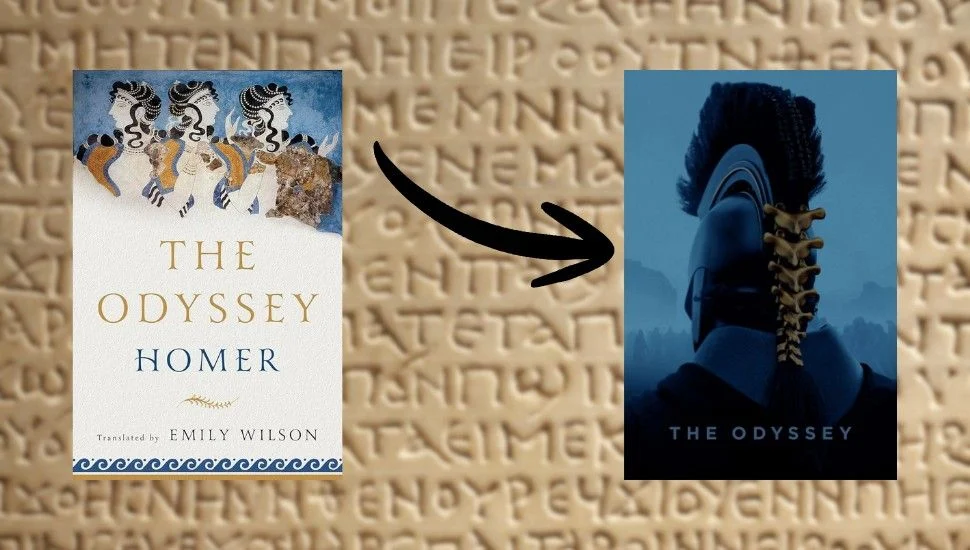
The long-awaited cinematic adaptation of Homer’s ancient epic, The Odyssey, has finally premiered, igniting a fervent discussion among critics, scholars, and the public alike. Directed by visionary filmmaker Christopher Nolan, the film endeavors to translate the millennia-old narrative of Odysseus’s arduous journey home into a modern visual spectacle. This ambitious undertaking has naturally spurred a comprehensive comparison between the source material and its celluloid counterpart, a dialogue that Book Riot’s podcast, "Zero to Well-Read," has embraced with characteristic intellectual zeal.
A Resurgence of Homeric Interest
The release of Nolan’s The Odyssey marks a significant cultural moment, bringing the foundational text of Western literature back into mainstream consciousness. Homer’s epic poem, believed to have been composed in the 8th century BCE, chronicles the ten-year journey of the Greek hero Odysseus as he strives to return to his kingdom in Ithaca after the Trojan War. His voyage is fraught with peril, divine intervention, and encounters with mythical creatures and enchantresses, all while his loyal wife, Penelope, fends off a horde of suitors vying for her hand and Odysseus’s throne.
The poem’s enduring appeal lies in its exploration of universal themes: homecoming, perseverance, cunning, loyalty, and the complex relationship between mortals and the divine. For centuries, it has served as a cornerstone of education, inspiring countless literary works, artistic interpretations, and philosophical inquiries. The decision by a director of Nolan’s caliber to tackle such a seminal work signals a renewed appreciation for classical narratives and their potential to resonate with contemporary audiences.
The "Zero to Well-Read" Podcast: A Deep Dive into Adaptation
Book Riot, a prominent online platform dedicated to book culture, has consistently championed the integration of literary analysis with popular media. Their podcast, "Zero to Well-Read," serves as a dedicated forum for dissecting these intersections. In anticipation of the film’s release, the podcast dedicated significant attention to The Odyssey, offering listeners comprehensive background information. This included an exploration of the epic poem itself, with resources provided to help audiences engage with Homer’s original text. Notably, the podcast featured insights from award-winning translator Emily Wilson, who shared her expertise on approaching and interpreting challenging literary works, a valuable resource for anyone preparing to engage with The Odyssey in either its textual or cinematic form.
The recent "Zero to Well-Read" episode, released following the film’s premiere, directly addresses the inherent questions that arise when a beloved literary work is adapted for the screen. The podcast’s hosts, including Rebecca, Jeff, and Vanessa, engage in a spirited discussion, their collective enthusiasm for the subject matter palpable. The episode is explicitly framed around the "big book-versus-movie questions," a common and often contentious area of discourse for fans of both literature and film.
Key Discussion Points: Beyond the Surface
While the specific details of the podcast’s discussion are not fully outlined in the provided text, the context suggests a thorough examination of several critical aspects of adaptation. These likely include:
- Narrative Fidelity and Divergence: How closely does Nolan’s film adhere to the plot and character arcs of Homer’s epic? What narrative liberties have been taken, and what are the implications of these choices for the story’s core themes and messages? Did the adaptation streamline the epic’s episodic structure, or did it endeavor to capture its sprawling nature?
- Character Interpretation: How are Odysseus, Penelope, Telemachus, and the various gods and monsters portrayed? Do these cinematic renditions align with established literary interpretations, or do they offer fresh perspectives? The "bard-like" channeling and "multiple epics" referencing by the hosts suggest an awareness of the rich tapestry of interpretations that have surrounded these characters for centuries.
- Thematic Resonance: Does the film successfully translate the poem’s timeless themes of perseverance, homecoming, and divine intervention to a modern cinematic language? Are the allegorical layers of the epic preserved or reinterpreted for a contemporary audience?
- Visual and Auditory Storytelling: The mention of "noises about the score" by Vanessa points to the critical role of music and sound design in adapting an epic. How does the film’s sonic landscape enhance or detract from the narrative? How are the fantastical elements of The Odyssey brought to life visually, and does the spectacle serve the story or overshadow it?
- Nolan’s Signature Style: Christopher Nolan is known for his complex narratives, often non-linear timelines, and grand visual scope. How does his directorial approach intersect with the ancient, episodic structure of The Odyssey? Does his signature style enhance the epic nature of the story, or does it create a disconnect with its classical roots?
The Role of Translation and Interpretation
The podcast’s earlier emphasis on Emily Wilson’s insights into tackling "intimidating books" is particularly relevant. The Odyssey, with its archaic language and cultural context, can indeed be a daunting read. Wilson’s work, known for its accessibility and modern sensibility, provides a bridge for readers to connect with Homer’s verse. The film adaptation, in a similar vein, aims to make the epic accessible to a broader audience through the medium of cinema. However, the very act of adaptation involves a form of translation, not just of language but of form and cultural context. The success of such an adaptation hinges on its ability to capture the spirit and essence of the original work while leveraging the unique strengths of its new medium.
Broader Implications and Public Reception
The release of a high-profile adaptation like The Odyssey has the potential to ignite a significant public dialogue about classical literature. It can serve as a gateway for new audiences to discover or re-engage with the source material. The fact that a podcast dedicated to books is actively discussing the film suggests a desire among the literary community to analyze and critique such adaptations rigorously.
Early reactions, as hinted at by the podcast hosts’ palpable "nerd factor," suggest a mixed but engaged reception. The film’s success will likely be measured not only by its box office performance but also by its ability to spark genuine conversation about Homer’s enduring legacy. The podcast’s call for audience feedback via email underscores this commitment to fostering a participatory dialogue.
The decision to bring The Odyssey to the big screen is a testament to its enduring power. Whether the film lives up to the monumental task of adapting such a foundational text remains to be seen, but the conversation it has already generated, particularly within the dedicated community of readers and critics, is a victory in itself, ensuring that Homer’s epic continues to resonate in new and dynamic ways. The process of bringing this epic story to the screen, from the initial script development to the final cut, is a complex endeavor that involves balancing historical accuracy, artistic interpretation, and the demands of modern filmmaking. The success of such an adaptation lies in its ability to honor the spirit of the original work while offering a fresh and compelling experience for contemporary audiences.