
 Ali Ikhwan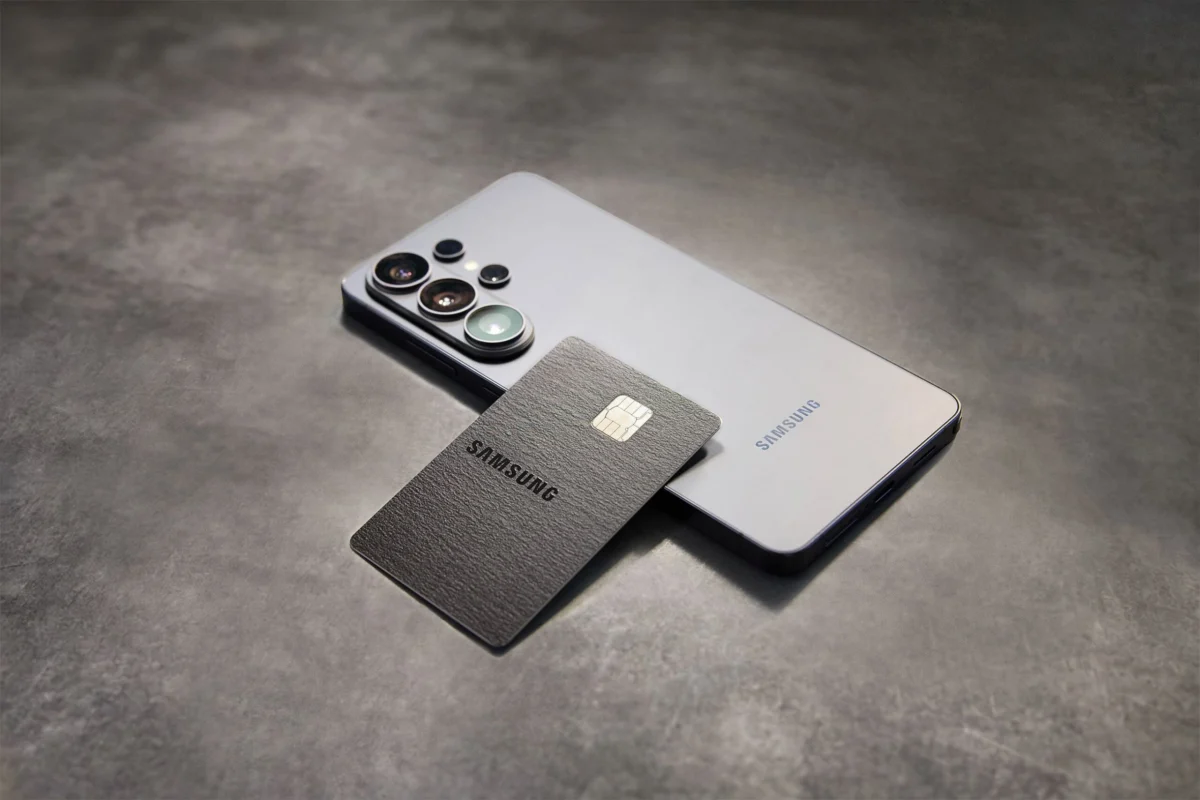
Nearly seven years after Apple redefined the intersection of consumer technology and personal finance with the debut of the Apple Card, Samsung has officially entered the fray with the announcement of the Galaxy Card. This move signals a significant escalation in the ongoing ecosystem wars between the world’s two largest smartphone manufacturers, as Samsung seeks to capture a larger share of the lucrative credit card market while deepening the "sticky" nature of its Galaxy device ecosystem. The announcement arrives strategically just two days before Samsung’s highly anticipated summer Galaxy Unpacked event, where the South Korean conglomerate is expected to unveil its latest iterations of smartwatches and folding smartphones.
The Galaxy Card represents a collaborative effort between Samsung, Barclays, and Visa. While the Apple Card was famously launched in partnership with Goldman Sachs—and is currently in the process of transitioning its portfolio to Chase—Samsung has opted for Barclays as its issuing bank, utilizing the Visa payment network. This partnership allows Samsung to leverage Barclays’ extensive experience in co-branded credit card programs, which includes existing partnerships with major airlines and retailers.
Technical Specifications and Physical Design
In a departure from Apple’s signature titanium card, Samsung has opted for a physical card constructed from recycled steel. This choice reflects a broader industry trend toward sustainable materials in consumer electronics and financial services. While the physical card serves as a tangible symbol of the brand, the primary user experience is centered on the digital version provisioned within the Samsung Wallet app.
The Samsung Wallet integration is the cornerstone of the Galaxy Card’s utility. Upon approval, the virtual card is immediately available for use via Near Field Communication (NFC) for tap-to-pay transactions. This mobile-first approach mirrors the industry-wide shift toward contactless payments, a trend that accelerated significantly during the post-pandemic era. By housing the card within Samsung Wallet, the company ensures that the financial tool remains at the center of the user’s daily digital interactions.
Reward Structure and Financial Incentives
To compete in an increasingly crowded credit card market, Samsung has introduced a tiered rewards program designed to incentivize spending within its own ecosystem while providing competitive rates for external purchases. The Galaxy Card carries no annual fee, a standard requirement for modern "tech-first" credit cards aiming for mass-market adoption.
The rewards hierarchy is structured as follows:
- 5 Percent Cash Rewards: Applicable to all in-store or online purchases made directly through Samsung’s official channels in the United States. This includes smartphones, tablets, home appliances, and accessories.
- 3 Percent Cash Rewards: Awarded for any purchase made using the Galaxy Card through the Samsung Wallet app. This effectively encourages users to utilize their phones for everyday transactions at grocery stores, pharmacies, and retailers.
- 2 Percent Cash Rewards: Targeted at the modern digital consumer, this tier applies to streaming service subscriptions, covering platforms like Netflix, Disney+, and Spotify.
- 1 Percent Cash Rewards: The baseline rate for all other purchases made using the physical recycled steel card.
Cash rewards are flexible in their redemption, allowing cardholders to apply them as a statement credit to reduce their balance or transfer the funds directly to a linked checking or savings account. To further entice early adopters, Samsung is offering a $200 cash reward bonus for users who spend $2,000 within the first 90 days of account opening. Additionally, cardmembers receive a 20 percent discount on Samsung’s VIP Advantage membership, a subscription service that provides extended device protection, specialized technical support, and exclusive access to product deals.
The Strategic Context of the Galaxy Unpacked Event
The timing of the Galaxy Card announcement is not coincidental. By revealing the card just prior to the Galaxy Unpacked event, Samsung is positioning the financial product as a foundational element of its hardware ecosystem. The upcoming event is expected to showcase the Galaxy Z Fold 6 and Galaxy Z Flip 6, alongside new Galaxy Watch models.
By offering 5 percent back on these premium, often high-priced devices, Samsung is lowering the barrier to entry for its most expensive hardware. For a consumer purchasing a $1,800 folding phone, the 5 percent reward translates to $90 back, which can be immediately reinvested into accessories or service plans. This creates a self-sustaining loop of consumption within the Samsung brand, a strategy that has proven highly effective for Apple over the last decade.
Ecosystem Lock-in and Platform Portability
One of the most significant challenges for branded credit cards is the issue of platform lock-in. The Samsung Wallet app is exclusive to Samsung smartphones and watches. This raises the question of what happens if a consumer decides to switch to a different smartphone brand, such as Google’s Pixel or the Apple iPhone.

Samsung has clarified that while the Galaxy Card is optimized for Galaxy device owners, it is not strictly limited to them. Anyone can apply for and use the physical card, and accounts can be managed through a dedicated Barclays online portal. However, the loss of the Samsung Wallet interface results in the loss of the 3 percent reward tier for mobile payments, significantly diminishing the card’s value proposition.
This mirrors the limitations of the Apple Card. If an iPhone user migrates to Android, their physical Apple Card remains functional, but they lose access to the Apple Wallet’s financial management tools and the "Daily Cash" perks associated with Apple Pay. In both instances, the credit card serves as a "gilded cage," creating a financial hurdle that makes switching ecosystems less attractive to the consumer.
Expert Analysis and Market Positioning
Financial analysts view the Galaxy Card as a necessary move for Samsung to maintain parity with its primary rival, though some question the revolutionary nature of the product. Brian Riley, Director of Credit Advisory Services at Javelin Strategy & Research, notes that the credit card market has become largely commodified.
"Cards are basically a commodity at the end of the day; how you differentiate them is really what makes the difference," Riley explained. He emphasizes that the value lies in how the card integrates into a user’s specific spending habits. Riley points out that while the rewards are attractive, the primary risk for consumers remains the accumulation of interest. "One of the big challenges here on rewards is that quite often, you go in well-intentioned and you don’t get the full benefit of the rewards because you start revolving on the product." If a cardholder carries a balance, the interest charges can quickly eclipse the value of the 3 percent or 5 percent cash back earned.
Sara Rathner, a credit card expert at NerdWallet, suggests that while the Apple Card did not "change the world" in the way the original iPhone did, it set a new standard for user interface and transparency in the FinTech space. Features such as seeing a potential interest rate before a hard credit pull and the daily posting of rewards were innovations that the rest of the industry, including Samsung, has had to acknowledge.
Rathner highlights the 3 percent reward for Samsung Wallet purchases as a particularly strong selling point. "If you tap-to-pay at New York City’s subway turnstile with Samsung Wallet on your phone, for example, that’s 3 percent on every commute, and that would be compelling," she noted.
Comparative Chronology: The Evolution of Mobile Finance
The launch of the Galaxy Card is the culmination of a decade-long journey for Samsung in the financial services sector.
- 2015: Samsung launches Samsung Pay, utilizing Magnetic Secure Transmission (MST) technology to allow phones to work with older credit card terminals.
- 2019: Apple launches the Apple Card, focusing on privacy, simplicity, and a titanium physical design.
- 2020: Samsung introduces "Samsung Money by SoFi," a mobile-first money management experience that paired a debit card with a high-yield savings account.
- 2022: Samsung Pay is rebranded and integrated into the more comprehensive Samsung Wallet, combining payments, digital keys, and identification.
- 2024: The Galaxy Card is announced, completing the transition from a payment middleman to a direct credit provider.
Implications for the FinTech Industry
The entry of Samsung into the credit card space suggests that the future of personal finance may lie in "embedded finance," where non-financial brands integrate banking services directly into their products. For Samsung, the Galaxy Card is less about the revenue generated from interest and more about data and loyalty. By understanding where and how their customers spend money, Samsung can better tailor its marketing and product development.
Furthermore, the choice of the Visa network ensures global acceptance, while the lack of foreign transaction fees positions the Galaxy Card as a viable option for international travelers. As applications open on July 22, the industry will be watching closely to see if Samsung can replicate the high adoption rates seen by the Apple Card, or if the fragmented nature of the Android market will make such a deep integration more challenging.
In the broader context of the US economy, where credit card debt has reached record highs, the introduction of another high-reward card serves as a double-edged sword. While it offers savvy consumers a way to "card-max" their rewards, it also provides another avenue for consumer debt in an environment of fluctuating interest rates. As Samsung prepares for its July 22 launch, the success of the Galaxy Card will ultimately depend on its ability to convince its user base that their wallet belongs in their phone—and that their phone belongs to Samsung.







