Muhammad Hendra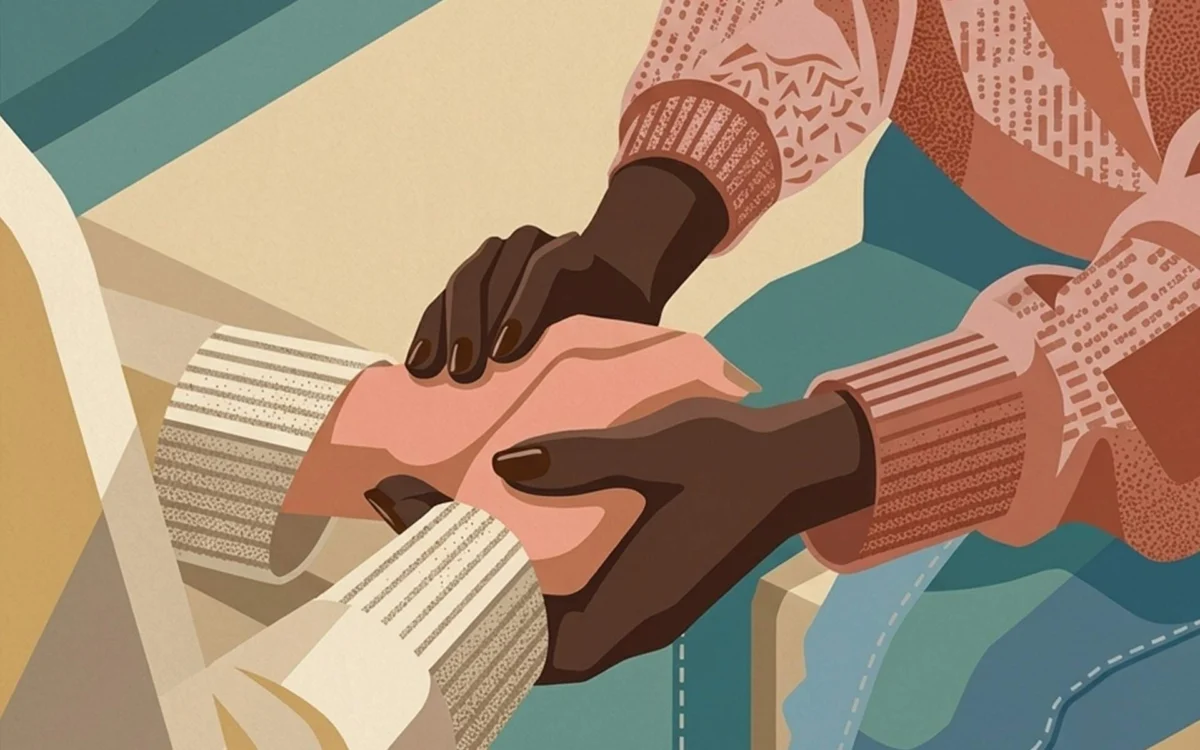
In a quiet office in a Western city, a woman recounts a harrowing journey. She is a survivor, having escaped her homeland after enduring months of detention, interrogation, and torture at the hands of a government bent on silencing her. By all external appearances, she is now safe. Her therapist, a kind and educated professional, attempts to engage her with standard protocols: rating anxiety on a scale of one to ten, suggesting breathing exercises, and offering worksheets on cognitive distortions. The woman never returns. This scenario, repeated in myriad forms across countless clinical settings, underscores a profound and often overlooked deficiency within the established framework of Western mental health care: its failure of imagination when confronted with the complex trauma of state violence and torture.
The "Failure of Imagination" in Western Therapy
The disconnect between conventional therapeutic approaches and the lived reality of torture survivors is not a failure of compassion, but rather a systemic inadequacy. Western psychotherapy, with its deep roots in individualistic frameworks and specific cultural assumptions, was not designed to address wounds inflicted by an entire system, where trust in institutions, strangers, and the fundamental safety of the world has been utterly annihilated. Until this foundational mismatch is acknowledged, the mental health field risks failing those who have already endured the unsurvivable, not due to their trauma’s intractability, but due to the limitations of the care offered.
Assumptions Underpinning Traditional Psychotherapy
Western mental health care operates on a set of deeply embedded assumptions that are rarely questioned. It largely posits healing as an internal process, unfolding within the confines of a private room between two individuals meeting for a defined period. Language is often considered the primary conduit for processing trauma, with an emphasis on naming, examining, and reframing emotions. Within this paradigm, safety is perceived as an internal feeling, something that can be cultivated through specific techniques.
For survivors of systematic state violence, almost every one of these assumptions proves inadequate. When an individual has been deliberately targeted by a government, subjected to imprisonment, interrogation, physical assault, humiliation, sexual violence, mock execution, and stripped of their humanity, the resulting wound transcends mere psychological distress in the Western sense. It strikes at the very core of their being, impacting their perception of reality, justice, and their place in the world. The perpetrator is not an isolated individual but a powerful system, often still in power, still persecuting others, and still an omnipresent threat in the survivor’s new reality. This systemic nature of the trauma fundamentally alters the healing landscape.
The Profound Impact of State Violence and Torture
Globally, the scale of state-sponsored violence and torture is staggering. Organizations like the United Nations High Commissioner for Refugees (UNHCR) report millions forcibly displaced worldwide, many fleeing persecution that includes detention and torture. The Convention Against Torture and Other Cruel, Inhuman or Degrading Treatment or Punishment defines torture as any act by which severe pain or suffering, whether physical or mental, is intentionally inflicted on a person for such purposes as obtaining information or a confession, punishing them, intimidating or coercing them, or for any reason based on discrimination of any kind, when such pain or suffering is inflicted by or at the instigation of or with the consent or acquiescence of a public official or other person acting in an official capacity. The psychological fallout from such experiences is categorized as Complex Post-Traumatic Stress Disorder (C-PTSD), a diagnosis that acknowledges the prolonged, repeated trauma, often involving a loss of personal safety and the erosion of trust in others. However, even this diagnosis, rooted in Western nosology, struggles to fully encapsulate the existential shattering experienced by survivors.
Beyond anxiety or depression, survivors lose their fundamental sense of a safe world, their intrinsic value, the meaning of life, and the very concept of justice. They have been implicitly and explicitly told by their oppressors, communities, and sometimes their own internal narratives, that their suffering is irrelevant. This experience shatters the ground beneath their feet, rendering breathing exercises or cognitive reframing techniques largely ineffectual in addressing the depth of this existential wound.
The Betrayal of "Safe" Havens: Asylum and Detention Realities
The trauma for many survivors does not cease upon escape. A significant number, having fled regimes such as the Islamic Republic of Iran, the Taliban, or other repressive governments, arrive in Western countries believing they have reached a sanctuary built on democracy, due process, and human rights. They expect a different set of rules, a place where their inherent dignity will finally be recognized.
However, the reality for some asylum seekers has proven to be a continuation of profound distress. Reports from human rights organizations like Amnesty International and Human Rights Watch consistently detail conditions in some detention facilities for asylum seekers in Western nations that survivors describe as deeply traumatizing. These accounts include physical and psychological abuse, prolonged isolation, humiliation, threats, and treatment that eerily echoes the very tactics they fled. For example, in the United States, concerns have been raised for years regarding the conditions in Immigration and Customs Enforcement (ICE) facilities, with reports of inadequate medical care, solitary confinement, and a lack of due process that can re-traumatize vulnerable populations. Similar concerns have been voiced about asylum processing centers in Europe and Australia.
The devastating impact of these experiences stems not only from the suffering itself but from the profound sense of betrayal. Survivors anticipated cruelty from authoritarian regimes; they never expected to encounter abuse in countries they believed epitomized freedom, justice, and the rule of law. This second betrayal can shatter any fragile remnants of trust, leaving them with the agonizing question, "If this can happen here, then where is truly safe?" For those who have already endured torture, the greatest injury is often not simply being harmed again, but realizing that the place intended for protection has become another source of fear, fracturing their belief in global safety.
Rethinking Healing: Beyond Western Paradigms
Given the unique nature of this trauma, a fundamental re-evaluation of therapeutic approaches is imperative. For survivors of state violence, an emphasis on rebuilding trust, restoring agency, bearing witness, and establishing relational safety must precede any technique requiring sustained inward attention. While trauma-sensitive mindfulness has proven beneficial for some, its application with survivors of torture and state violence often requires extreme caution. Directing attention inward, particularly to the body, can be profoundly re-traumatizing for individuals whose bodies were sites of unimaginable violence. For them, internal awareness might trigger flashbacks, panic, dissociation, or overwhelming physiological arousal. Similarly, prolonged silence and stillness, common in some mindfulness practices, can inadvertently mirror solitary confinement, detention, or interrogation, transforming a supposed healing practice into a threatening experience.
For many survivors, the path to healing begins not with introspection, but with the discovery that another human being can remain present, listen without judgment, and offer support without inflicting harm. These individuals, who have survived the unsurvivable, are not primarily seeking salvation; they seek to be believed. They need someone to sit with them in their reality—not to fix it, reframe it, or rush them towards resilience—but to affirm, "What happened to you was real. I believe you. And there is still a future that belongs to you."
The clinical setting itself can inadvertently recreate conditions of threat. Enclosed rooms, formal power dynamics, and the expectation of direct eye contact can unconsciously mirror the very environments in which harm occurred. Moreover, the very vocabulary of Western mental health—terms like PTSD, trauma, triggers, self-care—often fails to translate, not merely linguistically but conceptually. Many survivors do not identify as "traumatized" but as "survivors," "resisters," or individuals who did what was necessary to live. Pathologizing their experience through diagnosis can feel like another form of erasure, another institution attempting to define who they are. For those from cultures with no tradition of discussing psychological pain with strangers, the expectation of "talk therapy" can be particularly challenging, as language itself may have become a tool of violence during interrogation.
Effective Approaches: Rebuilding Trust and Witnessing
Healing for survivors of state violence often begins outside the traditional therapy room, in the slow, meticulous rebuilding of community. Peer support networks, culturally resonant spaces, shared rituals, and the experience of being among people who will not inflict pain are crucial. These environments allow for the gradual re-establishment of trust, a foundational element shattered by their experiences.
Every culture possesses unique frameworks for understanding suffering and restoration. For Iranian clients, the rich tapestry of Persian literary tradition, exemplified by poets like Hafez and Rumi, carries a profound healing power that no Diagnostic and Statistical Manual (DSM) category can encompass. For Afghan clients, community prayer, collective mourning, and the comforting presence of elder women are not supplementary to treatment; they are treatment. The role of practitioners is to acknowledge and integrate these culturally specific healing modalities, rather than attempting to replace them with Western constructs. This approach aligns with recommendations from organizations like the International Rehabilitation Council for Torture Victims (IRCT), which advocates for holistic, culturally sensitive, and survivor-centered care.
Perhaps the most undervalued skill in this specialized field is the simple capacity to hear what happened and not look away. This means refraining from immediate analysis or reframing, and resisting the urge to prematurely push towards hope. To stay present in the raw truth of what is being shared, without flinching, is an act of profound healing. This sustained, unflinching witness is the antithesis of the perpetrators’ objectives. They sought silence; they wanted the world to turn its gaze away. By refusing to do so, practitioners become integral to the survivor’s ongoing resistance.
Global Implications and the Path Forward
The mental health field is not inherently malicious; most practitioners who fall short with this population do so because their training programs and diagnostic frameworks were developed for a different kind of suffering in a different world. The current global refugee crisis, exacerbated by ongoing conflicts and political instability, means an increasing number of individuals will require specialized, culturally informed care.
The implications of this inadequacy are far-reaching. Untreated complex trauma can lead to chronic mental and physical health issues, hinder integration into new societies, and perpetuate cycles of distress across generations. The societal cost, both human and economic, is immense.
To truly serve survivors of state violence, the mental health field must undergo a paradigm shift. This requires:
- Revising Training Curricula: Incorporating extensive education on the neurobiology of complex trauma, the unique dynamics of state-sponsored violence, and culturally competent, non-Western healing modalities.
- Developing Specialized Programs: Investing in and supporting centers dedicated to the rehabilitation of torture survivors, which can pioneer and disseminate best practices.
- Advocating for Policy Changes: Working with governments to ensure humane asylum policies, improve conditions in detention centers, and provide adequate funding for specialized mental health services for refugees and asylum seekers.
- Embracing Interdisciplinary Approaches: Collaborating with anthropologists, sociologists, community leaders, and traditional healers to create truly holistic and culturally relevant care models.
- Prioritizing Relational Safety: Shifting the focus from individual techniques to establishing secure, trusting relationships as the bedrock of healing.
In essence, the path forward demands an expansion of the therapeutic imagination, one that acknowledges the profound, systemic nature of state violence and responds with humility, cultural sensitivity, and an unwavering commitment to bearing witness to the truth of survivors’ experiences. Only then can the mental health field offer an anchor that truly holds for those who have weathered the most unimaginable storms.