Reynand Holland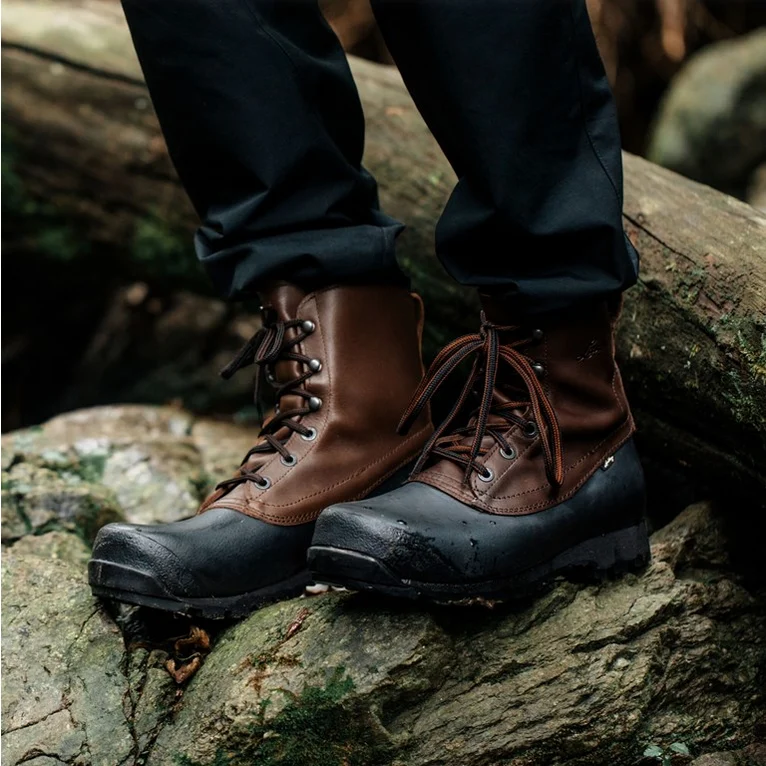
When braving winter’s chill, the integrity of footwear is paramount, not only for personal comfort and safety against snow and slush but also for safeguarding the environment. Truly sustainable winter boots must transcend mere weather resistance; they must be durable, designed for longevity, and critically, free from toxic waterproofing finishes that pose significant risks to both ecosystems and human health. The pervasive use of per- and poly-fluoroalkyl chemicals (PFAS), often lauded in the industry as Durable Water Repellent (DWR) treatments, presents a growing concern, particularly in outdoor and specialized winter gear like snow-proof boots. These "forever chemicals," so named for their extreme persistence in the environment, are a cornerstone of modern waterproofing technology, yet their widespread application is increasingly scrutinized for their long-term detrimental effects.
The Pervasive Threat of "Forever Chemicals"
PFAS are a group of synthetic chemicals that have been utilized for decades across a vast array of consumer and industrial products, including textiles, food packaging, and firefighting foams. Their unique chemical structure, characterized by strong carbon-fluorine bonds, imbues them with remarkable resistance to heat, water, and stains, making them highly desirable for creating waterproof and stain-resistant finishes. In the realm of outdoor apparel and footwear, PFAS have become ubiquitous, offering a seemingly effective solution for repelling moisture and dirt. However, this very durability is the source of their environmental and health hazards.
When PFAS-treated products, such as winter boots, shed these chemicals during use or through wear and tear, they enter the environment. Due to their exceptionally stable chemical bonds, PFAS do not readily break down. Instead, they accumulate in soil, water bodies, and eventually in the food chain. Studies by the U.S. Environmental Protection Agency (EPA) have documented the widespread presence of PFAS in the environment, including in drinking water sources across the United States, raising significant public health concerns. The persistence of these chemicals means that once introduced, they can remain in the environment for generations, posing a continuous threat.
Beyond their environmental impact, PFAS exposure has been linked to a range of adverse health effects in humans. Research has indicated potential associations between PFAS exposure and several health issues, including an increased risk of certain cancers, impacts on fertility and reproductive health, compromised immune system function, and disruptions to hormone levels. These findings underscore the urgent need for industries to transition away from PFAS-containing products, especially those with direct contact to consumers and frequent environmental release.
Defining Sustainable Winter Footwear: A Multifaceted Approach
The quest for truly sustainable winter boots requires a holistic evaluation of a product’s lifecycle, from material sourcing to end-of-life considerations. Beyond the critical absence of PFAS, several key criteria define footwear that prioritizes both environmental stewardship and consumer well-being.
Safe and Sustainable Materials: Beyond the Waterproofing
The foundation of any sustainable boot lies in its constituent materials. While PFAS-free waterproofing is non-negotiable, the choice of base materials also plays a crucial role. Naturally water-resistant materials like leather, when sourced responsibly, can offer a durable and environmentally preferable alternative. Certifications such as those from the Leather Working Group (LWG) are essential, as they indicate that the leather has been processed in tanneries that adhere to stringent environmental standards, managing water usage, waste, and chemical handling.
For brands utilizing recycled materials, verification from organizations like the Global Recycled Standard (GRS) is paramount. GRS certification ensures that recycled content is accurately identified, tracked, and verified, confirming that materials have indeed been repurposed rather than being virgin resources. Furthermore, certifications like bluesign® provide a comprehensive framework for sustainable textile production, assuring that chemical use is minimized and managed responsibly throughout the manufacturing process. Adherence to restricted substances lists (RSLs) by brands also demonstrates a commitment to avoiding harmful chemicals in their production.
Transparent Supply Chains: Ethical Manufacturing at Every Step
A genuinely sustainable brand extends its ethical considerations beyond its immediate operations to encompass its entire supply chain. This involves a deep understanding and active management of where and how raw materials are sourced and products are manufactured. Brands that openly share their factory locations, partner with organizations like the Fair Wear Foundation, or implement robust codes of conduct for their suppliers are typically more attuned to the social and environmental impacts of their production. Transparency in the supply chain ensures that labor rights are protected and environmental regulations are upheld at every stage, from the farm or recycling facility to the finished product.
After-Market Repair and Longevity: Investing in Durability
The concept of sustainability is intrinsically linked to durability and longevity. A pair of winter boots designed to last for years, rather than a single season, significantly reduces the overall environmental footprint by minimizing the need for frequent replacements. Brands that prioritize this aspect often design their products with repairability in mind, offering accessible replacement parts or comprehensive repair services. This commitment to extending the lifespan of their gear not only benefits the consumer by providing long-term value but also actively combats the culture of disposability prevalent in the fashion industry.
Leading the Charge: Brands Championing PFAS-Free Winter Footwear
As consumer awareness of the environmental and health impacts of PFAS grows, a select group of brands are stepping up to offer innovative, stylish, and most importantly, sustainable winter boot options. These companies are not only committed to eliminating harmful chemicals but also to building their products with ethical practices and environmental responsibility at their core.
Keen Footwear: A Pioneer in PFAS-Free Innovation
Keen Footwear has emerged as a significant leader in the transition to PFAS-free outdoor gear. The company was among the first outdoor brands to publicly commit to and implement PFAS-free waterproofing solutions, even sharing its proprietary processes to encourage broader industry adoption. This commitment is evident across their range of winter boots, which are engineered for both comfort and durability. Keen utilizes a PFAS-free Durable Water Repellent (DWR) finish and exclusively partners with Leather Working Group (LWG)-certified tanneries for its leather components. The brand’s dedication to ethical manufacturing is further demonstrated by its internal production capabilities, with at least one in three pairs manufactured in its own factories, and rigorous auditing of its Tier 1 and Tier 2 suppliers to ensure adherence to its comprehensive code of conduct. Keen’s price range for winter boots typically falls between $115 and $250, making sustainable choices more accessible. Their products are widely available in the U.S., with some international distribution through partner dealers.
Jack Wolfskin: German Engineering for Earth-Conscious Adventures
Jack Wolfskin, a German outdoor brand, is another prominent player in the PFAS-free market, offering a collection of innovative and environmentally conscious gear. Their winter boots are predominantly constructed using their proprietary Texapore technology, which provides robust water and wind resistance without the use of harmful fluorinated chemicals. A key aspect of Jack Wolfskin’s sustainability ethos is its unwavering commitment to supply chain transparency. The company publicly lists all its supply chain partners, ensuring that each is bluesign® approved or adheres to stringent standards for avoiding hazardous substances. Regular independent inspections are conducted to verify safe and fair working conditions, reinforcing the brand’s dedication to ethical production. Prices for Jack Wolfskin winter boots generally range from $120 to $230. The brand’s primary market is Europe, with limited availability in other regions.
Lundhags: A Legacy of Durability and Repair in Swedish Design
With a heritage dating back to 1932, Lundhags, a Swedish outdoor brand, embodies a philosophy of enduring quality and environmental responsibility. Their leather winter boots are crafted in Europe using materials sourced from a German tannery, resulting in a commendably short and traceable supply chain. Lundhags offers a diverse range of boot constructions, including shell, one-layer, and three-layer designs, catering to various winter conditions. A cornerstone of their sustainability model is their dedicated after-market repair shop, which empowers customers to extend the lifespan of their gear, thereby reducing waste. The brand’s factory working conditions are regulated under the Brav code of conduct, ensuring fair labor practices. Lundhags boots represent a premium investment, with prices ranging from $217 to $597, reflecting their superior craftsmanship and longevity. They are primarily available in most European countries.
Vaude: Pioneering Recycled Materials and Repairability
Vaude, a German company renowned for its commitment to sustainability, offers winter boots that feature a PFAS-free recycled polyester membrane for water and windproofing. The brand prioritizes local sourcing, with leather uppers often coming from a German tannery. Transparency is a hallmark of Vaude’s approach, with detailed information about product manufacturing locations readily available on each product page. Their dedication to extending product lifecycles is further exemplified by their comprehensive repair services, offering everything from affordable replacement parts to full-service repairs. This focus on longevity ensures that Vaude boots can withstand the rigors of winter for years to come. The price point for Vaude winter boots typically ranges from $200 to $263. While Vaude products are available in Canada and most European countries, they are unfortunately not currently distributed in the U.S. market.
Forsake: Style Meets Sustainability in Waterproof Footwear
Forsake is a brand that successfully blends fashion-forward design with environmental consciousness. They produce LWG-certified waterproof boots in a variety of styles, from athletic sneaker-boots to more rugged hiking-inspired designs. Forsake’s parent group maintains a strict code of conduct for all its suppliers and conducts regular audits to ensure compliance with ethical and environmental standards. While the brand excels in many areas of sustainable production, it is noted that information regarding the sourcing of their memory foam insoles remains less transparent. Forsake’s winter boots are generally priced between $145 and $160 and are available for purchase in the U.S.
EcoAlf: A B-Corp Commitment to Vegan and Recycled Footwear
EcoAlf stands out as a certified B-Corp, a designation that signifies a high standard of social and environmental performance, accountability, and transparency. The brand offers vegan, PFAS-free winter boots crafted from GRS-certified recycled polyester and a combination of new and recycled rubber. EcoAlf demonstrates a commitment to supply chain visibility, tracking its production processes down to Tier 3. However, a minor caveat exists in that the specific origin of their raw materials is not always fully disclosed. EcoAlf boots range in price from $145 to $299 and are accessible in the U.S., most South American countries, most European countries, and most Asian countries.
Will’s Vegan Store: Ethical Vegan Footwear with a Global Reach
Will’s Vegan Store, based in the UK, offers a compelling range of vegan and ethically produced footwear, including waterproof boots made in Italy and Portugal. These boots are constructed using bio-based leathers and recycled polyester insulation. The brand prides itself on tracing every step of its production process to guarantee sustainable and ethical practices. While some of their waterproof footwear features PFAS-free uppers, it’s crucial for consumers to carefully review product descriptions, as not all waterproof styles are explicitly certified as PFAS-free. Additionally, the use of unspecified vegan leather, which is often plastic-based, is a point to consider for those seeking to avoid synthetic materials entirely. Prices for Will’s Vegan Store boots range from $134 to $190, and they ship globally.
Poppy Barley: Artisanal Craftsmanship with Sustainable Leather
Poppy Barley is a Canadian brand recognized for its commitment to producing LWG-certified water-resistant ankle and calf-length boots. Their manufacturing facilities, audited for ethical practices, are located in Europe and Mexico. While Poppy Barley’s dedication to sustainable leather sourcing is commendable, consumers are advised to verify LWG certification on individual product pages, as it is not universally applied to all their boot models. This ensures that the materials used have undergone responsible processing. Poppy Barley boots represent a significant investment, with prices ranging from $293 to $480. They are available in the Continental U.S., Mexico, Canada, and Australia.
REI Used Gear: The Circular Economy for Outdoor Equipment
For budget-conscious consumers and those looking to embrace the principles of the circular economy, REI Used Gear offers a valuable alternative. This platform facilitates the buying, selling, and trading of pre-owned outdoor equipment, including winter boots from a variety of sustainable brands. While REI is actively working towards phasing out PFAS from its own brand products, it’s important for shoppers to check the specific product details for third-party brands, as not all offerings may be explicitly PFAS-free. This approach not only provides access to discounted gear but also significantly extends the lifespan of existing products, reducing overall consumption and waste. Prices on REI Used Gear can vary widely, typically ranging from $22 to $149.50, and it is available within the U.S.
The growing availability of PFAS-free winter boots signifies a positive shift in the outdoor and fashion industries. By prioritizing safe materials, transparent supply chains, and durable design, consumers can make informed choices that support both their personal well-being and the health of the planet, ensuring that winter adventures can be enjoyed responsibly and sustainably.