
 Ali Ikhwan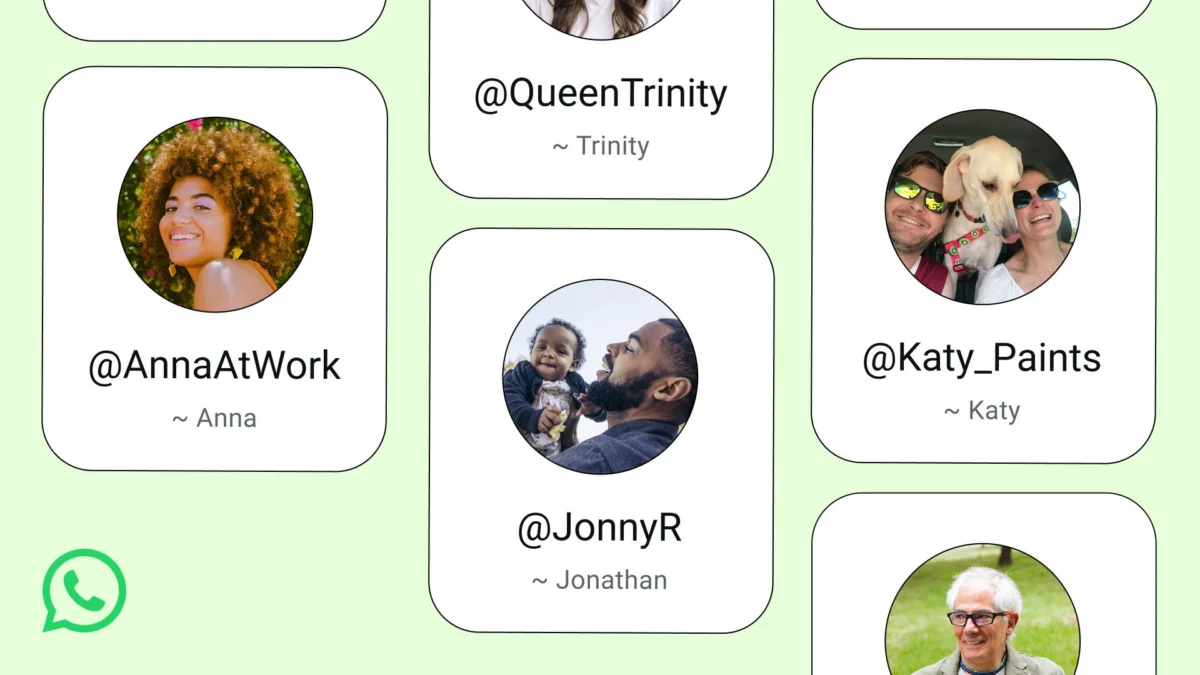
WhatsApp, the world’s most popular instant messaging platform with a user base exceeding three billion people, has officially announced the transition of its highly anticipated username feature from beta testing to a global rollout. This strategic shift represents one of the most significant architectural changes to the platform since its inception in 2009, moving away from a strictly phone-number-based identity system toward a more flexible, privacy-centric model. By allowing users to create unique handles, Meta-owned WhatsApp aims to provide an additional layer of anonymity, enabling individuals to connect, communicate, and join groups without the necessity of disclosing their personal mobile numbers.
The initiative, which is set to begin its phased reservation period this week, addresses a long-standing demand from privacy advocates and the platform’s diverse global demographic. According to Alice Newton-Rex, Vice President of Product at WhatsApp, the introduction of usernames is designed to grant users granular control over their digital footprint. While the feature is entirely optional, its implementation is expected to fundamentally alter how interactions occur on the platform, particularly for professional networking, marketplace transactions, and community engagement where sharing a phone number may be deemed high-risk or unnecessary.
Mechanics of the Username Reservation Process
The rollout of WhatsApp usernames is being managed through a tiered reservation system. Users will receive a notification within the application when the feature becomes available to them. To check eligibility manually, users are directed to navigate to the "Settings" menu, select "Account," and look for the "Username" tab. If enabled, this section allows for the creation of a new, unique identifier.
In an effort to streamline the transition for its existing ecosystem, WhatsApp is offering users the option to port their established handles from other Meta platforms, such as Instagram or Facebook. This cross-platform continuity is intended to help creators and public figures maintain a consistent brand identity. For those seeking inspiration or unique identifiers, WhatsApp has also integrated a username generator. However, the platform maintains that the username does not need to match the user’s legal name or their profile names on other social media services.
Crucially, the reservation period includes a "right of first refusal" for existing account names on Facebook and Instagram, though this priority window is temporary. Once the wider launch is finalized, any unclaimed handles will enter the public pool. To prevent "username squatting"—a practice where individuals claim high-value names to resell them—WhatsApp has implemented a sophisticated reservation logic that prioritizes verified accounts and long-standing users within the Meta ecosystem.
Security Architecture and Anti-Impersonation Measures
A primary concern with any username-based system is the potential for impersonation and spam. WhatsApp has addressed these risks through several integrated security features. Unlike platforms like Telegram or X (formerly Twitter), there will be no public, searchable directory of WhatsApp usernames. This ensures that a user’s handle remains private unless they choose to share it directly with others.
Furthermore, WhatsApp is introducing a secondary security layer: a unique four-digit "Secret Code" or PIN. Users can configure their settings so that even if someone knows their username, they cannot initiate a conversation without also knowing this specific numerical key. This effectively prevents unsolicited messages from strangers who might try to guess common usernames or use automated scripts to find active accounts.
Addressing the issue of high-profile impersonation, Alice Newton-Rex confirmed that the platform has already "held" or reserved the names of public figures, government entities, and celebrities. "The highest-profile names… are held so they can only ever be claimed by their legitimate owners," Newton-Rex stated. This protective measure extends to "look-alike" derivatives—handles that use special characters or subtle misspellings to mimic famous names—thereby reducing the efficacy of phishing attempts and misinformation campaigns.

A Chronology of WhatsApp’s Evolution
The introduction of usernames marks a pivotal moment in WhatsApp’s 15-year history. To understand the significance of this update, it is necessary to look at the platform’s trajectory:
- 2009: WhatsApp is founded by Jan Koum and Brian Acton as a simple status-update app, eventually evolving into a messaging service that utilized the user’s phone contact list.
- 2014: Facebook (now Meta) acquires WhatsApp for approximately $19 billion, promising to maintain the app’s independence and commitment to privacy.
- 2016: The platform implements full end-to-end encryption (E2EE) for all messages and calls, setting a gold standard for private communication.
- 2021: A controversial update to WhatsApp’s privacy policy leads to a mass exodus of users to competitors like Signal and Telegram, highlighting the public’s sensitivity toward data sharing.
- 2023: WhatsApp launches "Channels," a one-way broadcast tool that signaled a shift toward more public-facing features while maintaining private messaging.
- 2024 (February): Competitor Signal rolls out usernames, increasing pressure on WhatsApp to provide similar privacy protections.
- 2024 (Late): WhatsApp begins the global rollout of usernames, decoupling identity from phone numbers.
Comparative Landscape and Market Analysis
WhatsApp’s move follows similar updates by its primary competitors. Signal, often cited as the benchmark for secure messaging, introduced usernames earlier in 2024 to allow users to hide their phone numbers. Telegram has long utilized a username system, though it has faced criticism for its public search functionality, which can facilitate spam.
By adopting a username model, WhatsApp is positioning itself to better compete in the "privacy-first" market. According to data from Meta’s Q2 2024 earnings report, the company has seen a significant increase in business messaging revenue. Usernames are expected to bolster this growth by allowing small businesses and service providers to interact with customers without exposing the personal phone numbers of employees, thus enhancing professional boundaries and safety.
Industry analysts suggest that this update also mitigates the risk of "SIM-swapping" attacks. In such scenarios, hackers gain control of a victim’s phone number to bypass two-factor authentication on various accounts. By allowing users to communicate via usernames, WhatsApp reduces the frequency with which a phone number is shared, narrowing the window of opportunity for such social engineering exploits.
Technical Implications and Challenges
The transition to usernames within an end-to-end encrypted environment presents unique technical challenges. WhatsApp’s encryption protocol—based on the Signal Protocol—requires a secure method for key exchange. Traditionally, this was anchored to the phone number. Moving to usernames requires the platform to manage a massive database of unique identifiers that map to cryptographic keys without compromising the underlying encryption or introducing latency in message delivery.
Furthermore, the introduction of usernames will likely change the platform’s moderation landscape. While E2EE prevents WhatsApp from reading message content, the platform can still act on metadata and user reports. The shift to usernames may lead to an increase in "username-based" harassment, necessitating more robust reporting tools and automated systems to detect and block malicious actors who cycle through multiple handles.
Broader Impact and Future Outlook
The broader implications of WhatsApp’s username rollout are significant for the global digital economy. In regions where WhatsApp serves as the primary infrastructure for commerce and governance—such as Brazil, India, and parts of Africa—the ability to interact via handles could lower the barrier to entry for digital participation. It provides a level of anonymity that is vital for journalists, activists, and individuals living under restrictive regimes.
From a corporate perspective, this update aligns with Meta’s broader goal of "interoperability" across its family of apps. While WhatsApp remains a distinct entity, the ability to port usernames from Instagram and Facebook suggests a more unified identity layer across Meta’s services, potentially paving the way for future cross-platform messaging features mandated by regulations like the European Union’s Digital Markets Act (DMA).
As the rollout continues, the primary metric for success will be user adoption. While Newton-Rex expressed optimism, noting that many users have expressed excitement, the true test will be whether the general public perceives the username as a necessary security tool or an unnecessary complication to a service that has traditionally thrived on its simplicity. For now, the race to claim the most desirable handles has begun, marking a new chapter in the history of global digital communication.







