
 Ali Ikhwan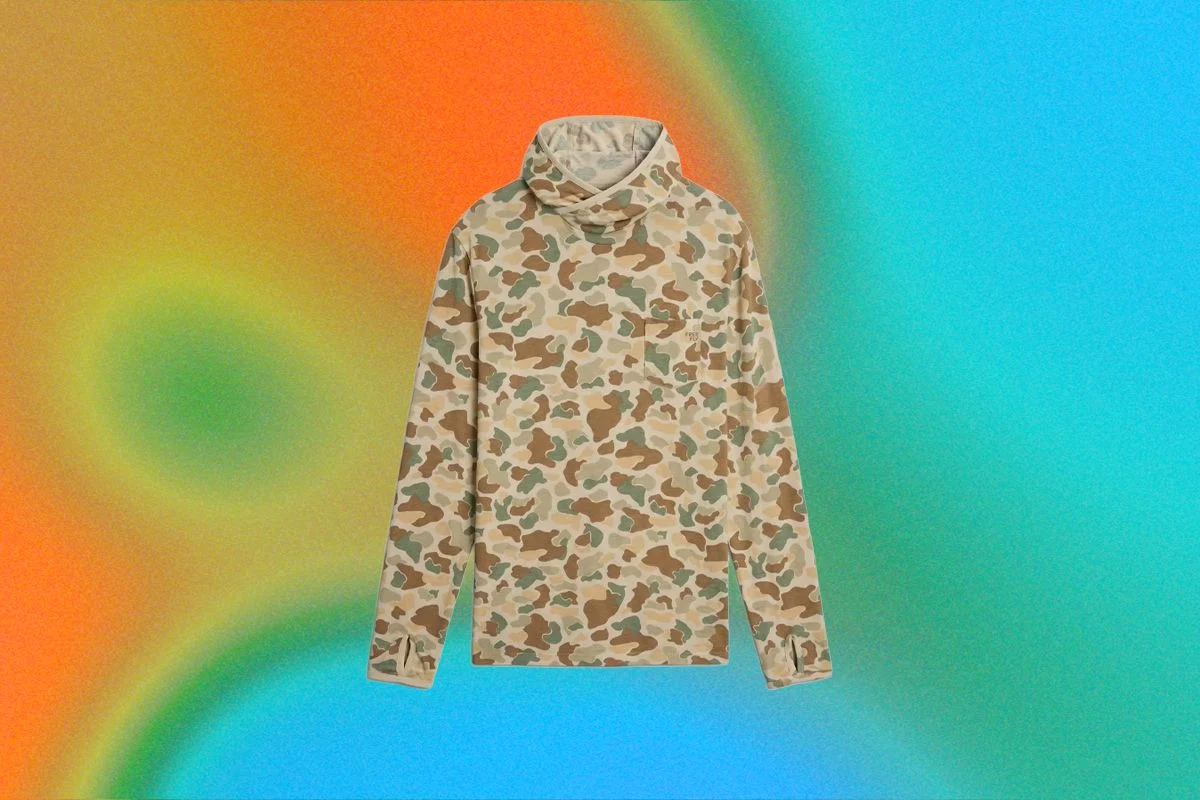
The cultural landscape of the late 20th century was defined by a largely laissez-faire attitude toward solar radiation, where sunburns were frequently dismissed as a temporary rite of passage for an active lifestyle. During this era, the primary defense against ultraviolet (UV) rays consisted of low-SPF suntan oils, often scented with coconut and formulated more for the acceleration of melanin production than for the prevention of cellular damage. However, as medical understanding of skin cancer and photoaging has advanced, the global apparel market has undergone a significant shift. The emergence of the "sun hoodie"—a lightweight, long-sleeved technical garment designed to provide a physical barrier against the sun—represents a pivotal moment in the intersection of textile engineering, dermatological health, and outdoor fashion.
The Shift from Topical to Physical Sun Protection
For decades, the standard recommendation for sun safety centered almost exclusively on topical sunscreens. While effective when applied correctly, lotions and sprays present several logistical challenges. Chemical sunscreens often require application 20 minutes before exposure, need reapplication every two hours, and can be easily washed away by perspiration or water. Furthermore, many consumers report a distaste for the sensory experience of sunscreen, citing greasiness, medicinal odors, and the tendency for products to cause ocular irritation during physical activity.
Data from dermatological studies indicate that the average person applies only 25% to 50% of the recommended amount of sunscreen, leading to a false sense of security and inadequate protection. This "application gap" has fueled the demand for Ultraviolet Protection Factor (UPF) clothing. Unlike Sun Protection Factor (SPF), which measures the effectiveness of topical products, UPF measures the amount of UV radiation that penetrates a fabric and reaches the skin. A standard white cotton T-shirt provides a UPF of approximately 5, allowing roughly 20% of UV radiation to pass through. In contrast, technical sun hoodies are engineered to achieve a UPF of 50 or higher, blocking 98% or more of harmful rays.
A Chronology of UV-Protective Textiles
The development of sun-protective clothing can be traced back to the early 1990s in Australia, a nation with some of the highest skin cancer rates globally. However, the specific "sun hoodie" silhouette—characterized by a high neckline, integrated hood, and lightweight synthetic construction—did not gain significant traction in North America until the early 2010s.
Initial adoption was driven by the mountaineering and alpine climbing communities. At high altitudes, the atmosphere is thinner, providing less filtration for UV radiation. Furthermore, snow can reflect up to 80% of UV rays, resulting in intense exposure from multiple angles. For mountaineers, the sun hoodie provided a solution that protected the neck, ears, and scalp without the need for constant reapplication of creams that could freeze or interfere with gear.
By the mid-2010s, the trend migrated to the fly-fishing and paddlesports industries. Anglers spending eight to ten hours on open water recognized that physical barriers were more reliable than chemical ones, particularly when hands needed to remain clean to handle tackle and bait. By 2020, the sun hoodie had crossed into the mainstream "athleisure" market, becoming a staple for gardeners, hikers, and casual beachgoers who sought a more permanent and comfortable alternative to traditional sun protection.
Technical Composition and Fabric Engineering
The efficacy of a sun hoodie is determined by its construction. Manufacturers utilize several methods to achieve high UPF ratings:
- Fiber Density and Weave: The most common method involves a tight, specialized weave of synthetic fibers, typically polyester or nylon. These fibers are naturally more reflective of UV rays than natural fibers like cotton or linen. By increasing the density of the knit, manufacturers can minimize the gaps between threads where UV light could penetrate.
- Titanium Dioxide Infusion: Some high-performance brands, such as Patagonia and The North Face, utilize fibers embedded with titanium dioxide or zinc oxide. These are the same minerals used in physical sunscreens. When integrated into the yarn itself, these minerals reflect UV radiation away from the body. Because the minerals are embedded rather than coated, the protection does not wash out over time.
- Color and Dye: Darker and more saturated colors generally offer better UV protection than lighter shades, as the dyes absorb more UV radiation. However, technical advancements have allowed for light-colored fabrics to maintain high UPF ratings through the aforementioned weaving and infusion techniques.
Market Analysis: Leading Innovations in the Sun Hoodie Sector
The current market offers a diverse range of sun hoodies tailored to specific environmental needs and activity levels.

The Eastern Mountain Sports (EMS) Sunguard Overhead Hoodie represents the "lifestyle" segment, utilizing soft, moisture-wicking polyester designed for high breathability and quick drying. This category is increasingly replacing the traditional rash guard in aquatic environments, as the looser fit provides better airflow and comfort when transitioning from water to land.
In the high-performance "heavy-duty" segment, products like The North Face Summit Series Direct Sun Hoodie cater to extreme environments. These garments often feature integrated collars to protect the jawline and zippered vents to manage thermal regulation during high-exertion activities.
Sustainability-focused brands have also entered the space. Free Fly has pioneered the use of bamboo-derived viscose in sun-protective apparel. While bamboo-based fabrics often have a lower UPF rating (typically around 20) compared to pure synthetics, they offer natural odor resistance and a softer "hand feel," appealing to consumers who prioritize comfort and natural materials for moderate sun exposure.
British outdoor brand Rab has further refined the category with the Force Hoodie, which focuses on a "trim, athletic fit." This design minimizes excess fabric that could snag on equipment while maintaining a UPF 40 rating, demonstrating the industry’s move toward precision engineering for specific sport disciplines.
Broader Health and Environmental Implications
The rise of sun-protective clothing carries significant public health implications. According to the Skin Cancer Foundation, more people are diagnosed with skin cancer each year in the U.S. than all other cancers combined. One in five Americans will develop skin cancer by the age of 70. By providing a "set it and forget it" method of protection, sun hoodies address the human error factor inherent in sunscreen application.
Furthermore, environmental concerns are driving the shift away from topical lotions. Research has shown that certain chemical UV filters, such as oxybenzone and octinoxate, contribute to coral bleaching and the disruption of marine ecosystems. While "reef-safe" mineral sunscreens exist, they are often difficult to apply and leave a visible white residue. Sun hoodies provide a zero-leach alternative for swimmers and snorkelers, protecting both the wearer and the aquatic environment.
The Future of Solar-Protective Apparel
As the "long-over-short" aesthetic gains cultural acceptance—a trend supported by fashion outlets such as GQ—the sun hoodie is becoming a year-round staple. The integration of UV protection into everyday wardrobes is expected to continue, with future innovations likely to focus on "smart textiles" that can change color or opacity based on UV intensity.
The transition from the "tanning oil era" to the "sun hoodie era" reflects a broader societal shift toward proactive health management. By moving away from reactive treatments for sunburns and toward a preventative, technology-driven approach to apparel, the outdoor industry is setting a new standard for how humans interact with the environment. The sun hoodie is no longer a niche tool for mountaineers; it is an essential component of the modern summer uniform, offering a blend of technical performance, dermatological safety, and environmental responsibility.
As climate patterns shift and summer temperatures continue to reach record highs in various regions, the demand for breathable, high-UPF clothing will likely expand. The sun hoodie represents a successful marriage of form and function, proving that the most effective way to manage solar exposure is through a physical barrier that is as comfortable as it is protective. For the modern consumer, the choice is increasingly clear: the most reliable sunscreen is the one they can wear.