Clara Fransiska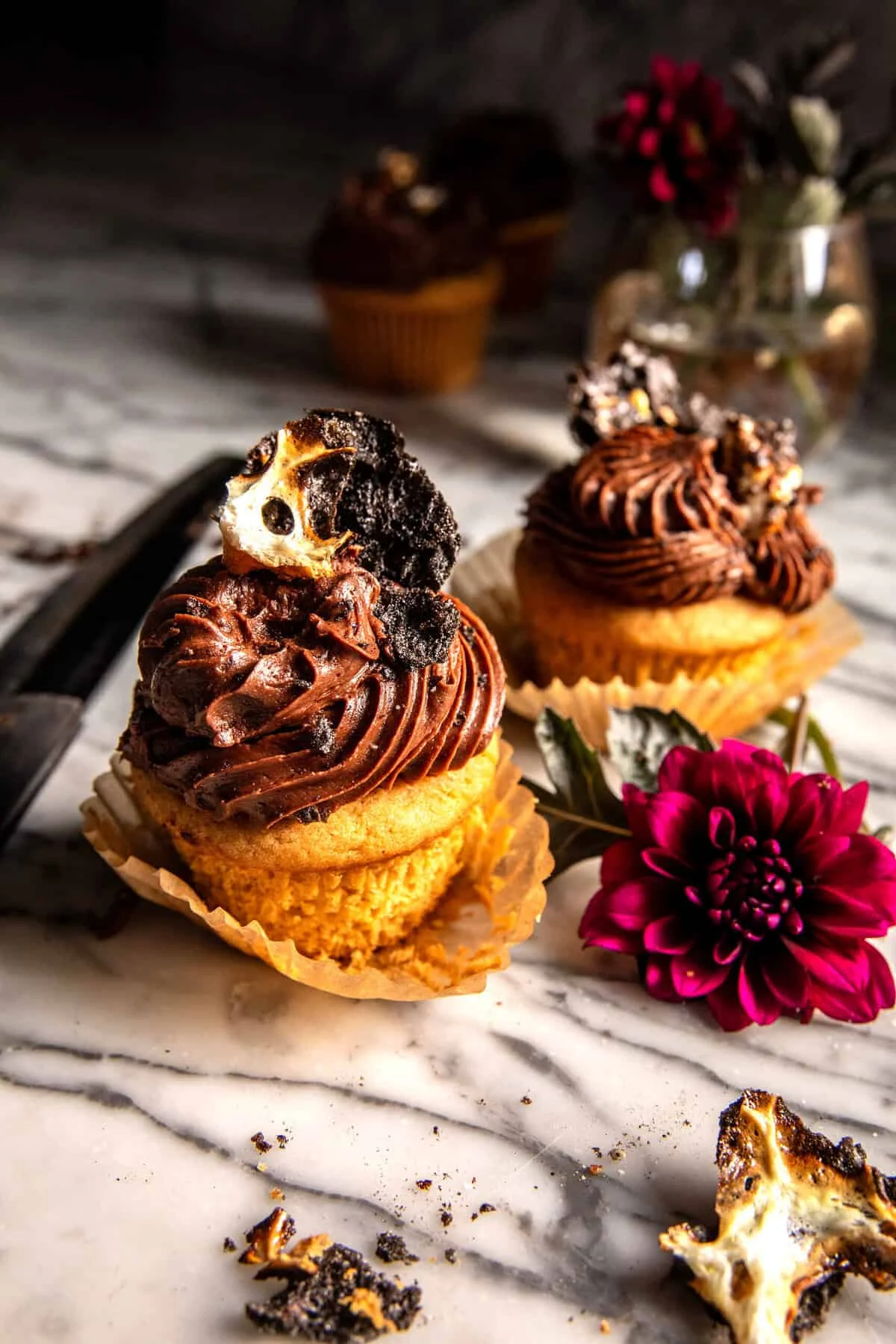
The culinary world is abuzz with the introduction of a new confection that promises to elevate the humble cupcake to an art form. These Vanilla Bean Cupcakes, crowned with a luxurious Whipped Chocolate Marshmallow Frosting, represent a meticulous fusion of classic comfort and sophisticated flavor. Crafted with the finest real vanilla bean and finished with a delightful toasted marshmallow swirl, this dessert is poised to become a staple for celebrations and everyday indulgence alike. The recipe, which emphasizes the use of high-quality ingredients and precise techniques, aims to deliver an unparalleled taste experience, offering a light, fluffy vanilla cake that perfectly complements a rich yet airy chocolate frosting.
The Genesis of a Gourmet Treat
The inspiration behind these refined cupcakes stems from a growing appreciation for authentic flavors and elevated textures in home baking. In an era where convenience often trumps quality, this recipe champions the use of real vanilla bean paste over artificial extracts, a choice that significantly enhances the depth and aroma of the vanilla cake. This shift towards natural, potent ingredients is a notable trend in contemporary pastry, reflecting a desire for more nuanced and satisfying flavor profiles. The incorporation of toasted marshmallows, a technique that transforms the simple sweetness of marshmallows into a complex, caramelized delight, further distinguishes this creation. This approach to flavor development, focusing on subtle yet impactful enhancements, underscores the recipe’s commitment to culinary excellence.

A Symphony of Flavors and Textures
At the heart of this confection lies a meticulously developed vanilla bean cupcake recipe. The use of real vanilla bean paste infuses each cake with an aromatic richness that standard vanilla extract cannot replicate. This foundational element provides a delicate yet profound sweetness, setting the stage for the accompanying frosting. The texture of the cupcake itself is designed to be exceptionally light and fluffy, a testament to careful ingredient ratios and mixing techniques that prevent overworking the batter. This airy quality ensures that the cupcake serves as a perfect canvas for the decadent frosting.
The Whipped Chocolate Marshmallow Frosting is where the dessert truly shines. Far from a typical buttercream, this frosting is characterized by its ethereal lightness, achieved through a whipping process that incorporates air, creating a texture akin to mousse. The chocolate component provides a deep, satisfying counterpoint to the vanilla, while the inclusion of toasted marshmallows introduces a unique layer of flavor and chew. The toasting process caramelizes the sugars in the marshmallows, developing a complex, smoky-sweet note that elevates the entire frosting. This thoughtful integration of textures—the tender crumb of the cupcake, the smooth airiness of the frosting, and the chewy pockets of toasted marshmallow—creates a multi-sensory delight.
The Art of Toasting Marshmallows
A key differentiator in this recipe is the emphasis on toasted marshmallows. While many desserts incorporate marshmallows in their original, sugary state, this recipe advocates for the transformative power of heat. Toasting marshmallows, typically achieved under a broiler or over an open flame, unlocks a deeper, more complex flavor profile. The sugars caramelize, imparting a rich, slightly smoky, and intensely sweet taste that is far more nuanced than raw marshmallow. This technique is not merely decorative; it is integral to the frosting’s character, providing subtle yet distinct notes of caramelized sugar that complement the chocolate and vanilla beautifully. The article emphasizes that while making marshmallows from scratch is an option for the truly dedicated baker, toasting store-bought marshmallows offers a readily accessible way to achieve this elevated flavor.

A Nod to Seasonal Baking and Celebrations
The timing of this recipe’s release, coinciding with the approach of spring holidays such as Easter and Mother’s Day, suggests a strategic culinary calendar. These lighter, celebratory desserts are perfectly suited for springtime gatherings, offering a refreshing alternative to heavier winter fare. The author notes a personal inclination towards these kinds of desserts as the seasons shift, highlighting their appeal for warmer weather and festive occasions. The suggestion to adorn the finished cupcakes with chocolate eggs or bunnies for Easter further underscores their suitability for holiday celebrations, adding a charming and thematic touch that appeals to both adults and children. This adaptability makes the recipe a versatile choice for a variety of events.
Essential Tools for Culinary Success
The preparation of these Vanilla Bean Cupcakes with Whipped Chocolate Marshmallow Frosting relies on a few key kitchen tools to ensure optimal results. A standard cupcake pan and quality paper liners are fundamental for baking the cakes evenly. Essential for mixing the batter are a couple of mixing bowls and a reliable whisk. For achieving the signature whipped texture of the frosting, either a hand mixer or a stand mixer is recommended, as these appliances efficiently incorporate air and create a smooth, creamy consistency. A spatula is invaluable for scraping down bowls and ensuring all ingredients are thoroughly combined. For portioning the batter accurately, an ice cream scoop is a practical and effective tool, guaranteeing uniform cupcake sizes. Finally, a baking sheet and the oven’s broiler are necessary for the crucial step of toasting the marshmallows, transforming them into a flavorful topping.
A Step-by-Step Guide to Baking Perfection
The recipe outlines a clear, sequential approach to creating these delightful cupcakes.

Step 1: Preparation is Paramount
The process begins with preheating the oven to the correct temperature and lining a cupcake pan with paper liners. This initial step ensures that the baking environment is ready as soon as the batter is prepared, streamlining the entire baking process.
Step 2: Crafting the Vanilla Bean Batter
The foundation of the cupcake is built by whisking together wet ingredients, including melted coconut oil, sour cream, eggs, both granulated and brown sugars, and the star ingredient, vanilla bean paste. The author strongly advocates for vanilla bean paste, noting its superior flavor contribution over extract, though acknowledging extract as a viable alternative. Dry ingredients—flour, baking powder, baking soda, and salt—are then incorporated. Milk is added last, mixed gently until just smooth. The emphasis here is on avoiding overmixing, a critical factor in achieving a light and tender crumb.
Step 3: The Baking Process
The batter is then divided evenly among the prepared cupcake liners. Baking continues until the cupcake tops are set and the centers are no longer jiggly, indicating they are cooked through. A crucial instruction follows: the cupcakes must cool completely before frosting. This prevents the frosting from melting and ensures a clean, attractive finish.

Step 4: Creating the Whipped Chocolate Marshmallow Frosting
While the cupcakes cool, the frosting is prepared. This involves beating butter, powdered sugar, cocoa powder, and vanilla extract until a smooth, creamy base is formed. Cream is then added, and the mixture is whipped until it achieves a light, airy, almost mousse-like consistency. This process creates a frosting that is rich in flavor but delightfully light in texture.
Step 5: The Alchemy of Toasted Marshmallows
The marshmallows are spread onto a baking sheet and briefly placed under the broiler. This step requires careful attention, as marshmallows can quickly transition from perfectly toasted to burnt. The goal is to achieve golden-brown, slightly charred tops. Once slightly cooled, about half of these toasted marshmallows are gently folded into the prepared frosting. This imparts pockets of gooey, caramelized sweetness throughout the frosting, adding an unexpected and delightful element.
Step 6: The Final Flourish: Frosting and Finishing
Once the cupcakes have reached room temperature, they are generously frosted. The remaining toasted marshmallows are then artfully placed on top of each frosted cupcake, providing both visual appeal and an extra burst of toasted marshmallow flavor. For festive occasions like Easter, the suggestion is to add a chocolate egg or bunny to the top of each cupcake, enhancing their charm and seasonality.

Insights and Recommendations for Bakers
The recipe’s "Tips and Tricks" section offers valuable guidance for home bakers aiming for perfect results. The preference for vanilla bean paste is reiterated, emphasizing its profound impact on flavor. A strong caution against overmixing the batter is provided, explaining its direct correlation to cupcake texture. The critical nature of monitoring marshmallows during the broiling process is highlighted, with a clear warning that they toast very quickly. The importance of allowing marshmallows to cool slightly before incorporating them into the frosting is also stressed, ensuring they retain their delightful chewiness rather than melting completely. For those whose frosting might be too thick, a simple solution is offered: adding a small amount of cream and re-whipping to achieve the desired consistency. Finally, the idea of adding seasonal decorations, such as chocolate eggs for Easter, is presented as a delightful way to customize the cupcakes for specific celebrations.
Nutritional Considerations and Data
While the provided text includes a nutritional estimate, it is important to note that such figures are approximations. The estimated calorie count per serving is 433 kcal. The recipe yields approximately 22 cupcakes, with a total preparation time of 25 minutes and a cook time of 30 minutes, resulting in a total time of 55 minutes. These figures offer a practical overview for those planning to bake these cupcakes, allowing for effective time management and ingredient planning. It is always advisable for individuals with specific dietary needs to consult with a registered dietitian or nutritionist for personalized information.
The article concludes with an invitation for readers to share their experiences with the recipe, fostering a sense of community among home bakers. This interactive element underscores the author’s commitment to engaging with their audience and encouraging the sharing of culinary creations. The emphasis on tagging on social media platforms serves to further amplify the reach and enjoyment of the recipe, showcasing the diverse ways in which individuals interpret and execute the instructions. The sentiment expressed—that seeing user-made recipes is a favorite part of the process—highlights a genuine passion for baking and sharing that forms the core of the culinary content.