rifanmuazin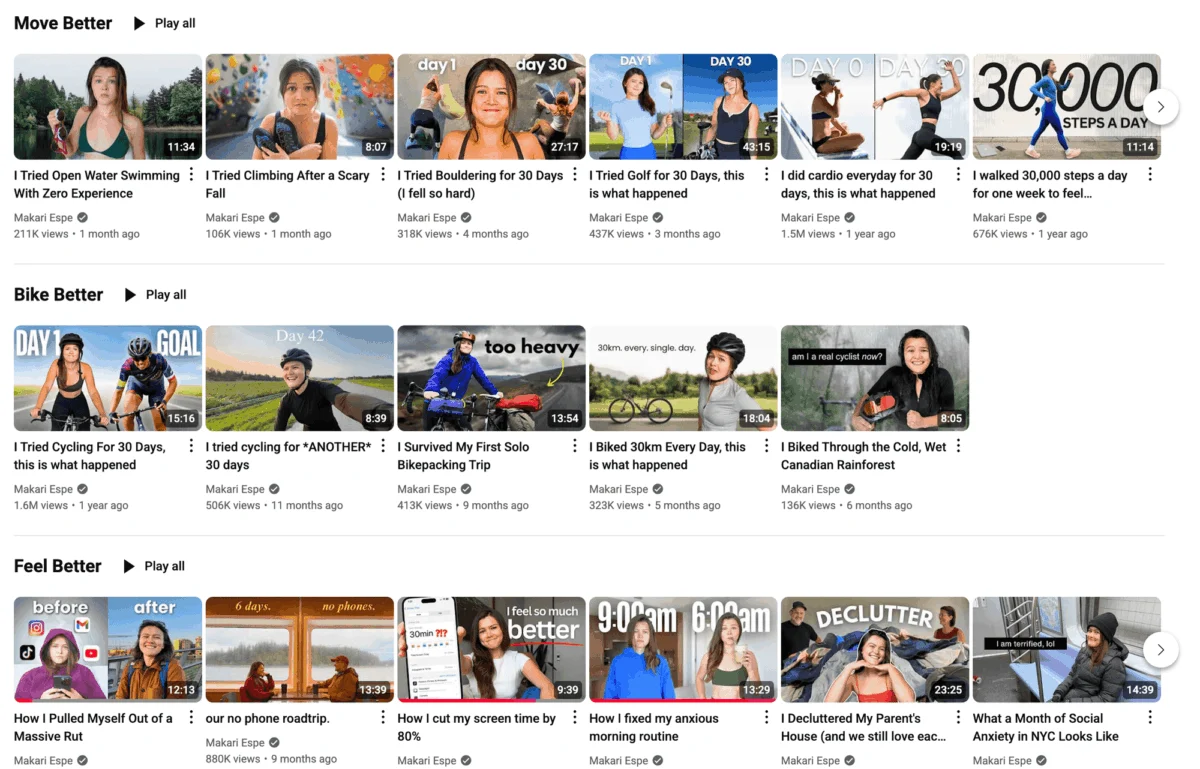
Gaining visibility on YouTube, a platform saturated with diverse content, presents a significant challenge for new and established creators alike. The sensation of "talking to an empty room" is a common initial hurdle, but industry experts and successful creators confirm that strategic, data-driven approaches can significantly boost viewership, even for nascent channels, particularly as the platform evolves into 2026. This article explores the multifaceted strategies that drive YouTube growth, from meticulous content ideation to advanced analytics, highlighting how creators can navigate the competitive landscape to achieve sustained engagement.

The Evolution of YouTube and the Creator Economy
Since its inception in 2005, YouTube has transformed from a simple video-sharing site into a global media powerhouse and a cornerstone of the digital creator economy. With over 2.7 billion monthly active users, the platform hosts an unparalleled volume of content, making differentiation and discoverability paramount. The increasing professionalization of content creation has led to sophisticated strategies that blend artistic vision with analytical rigor, moving far beyond casual uploads. As the platform continues to refine its algorithms, understanding and adapting to these changes is critical for any creator aiming for long-term success.
Strategic Content Ideation: The Foundation of Viewership
At the heart of any successful YouTube channel lies a compelling video idea. While high-quality production, slick editing, and eye-catching thumbnails are crucial, they cannot compensate for a weak or uninteresting topic. The consensus among leading creators and platform analysts is that content ideation must precede production, focusing on concepts that are both "familiar and unexpected." This means identifying topics that resonate with an audience’s existing interests while offering fresh perspectives or novel information that sparks further curiosity.
YouTube creator Cara Nicole emphasizes the importance of a deep understanding of the target audience. "You need to understand your ideal viewer," Nicole states. "Ask yourself: What are they already interested in? How do they want to be talked to? What news and cultural trends are they paying attention to? That gives you a starting point for making videos that resonate." This audience-centric approach forms the bedrock of effective content strategy.
Several beginner-friendly methods exist for uncovering high-potential video ideas:
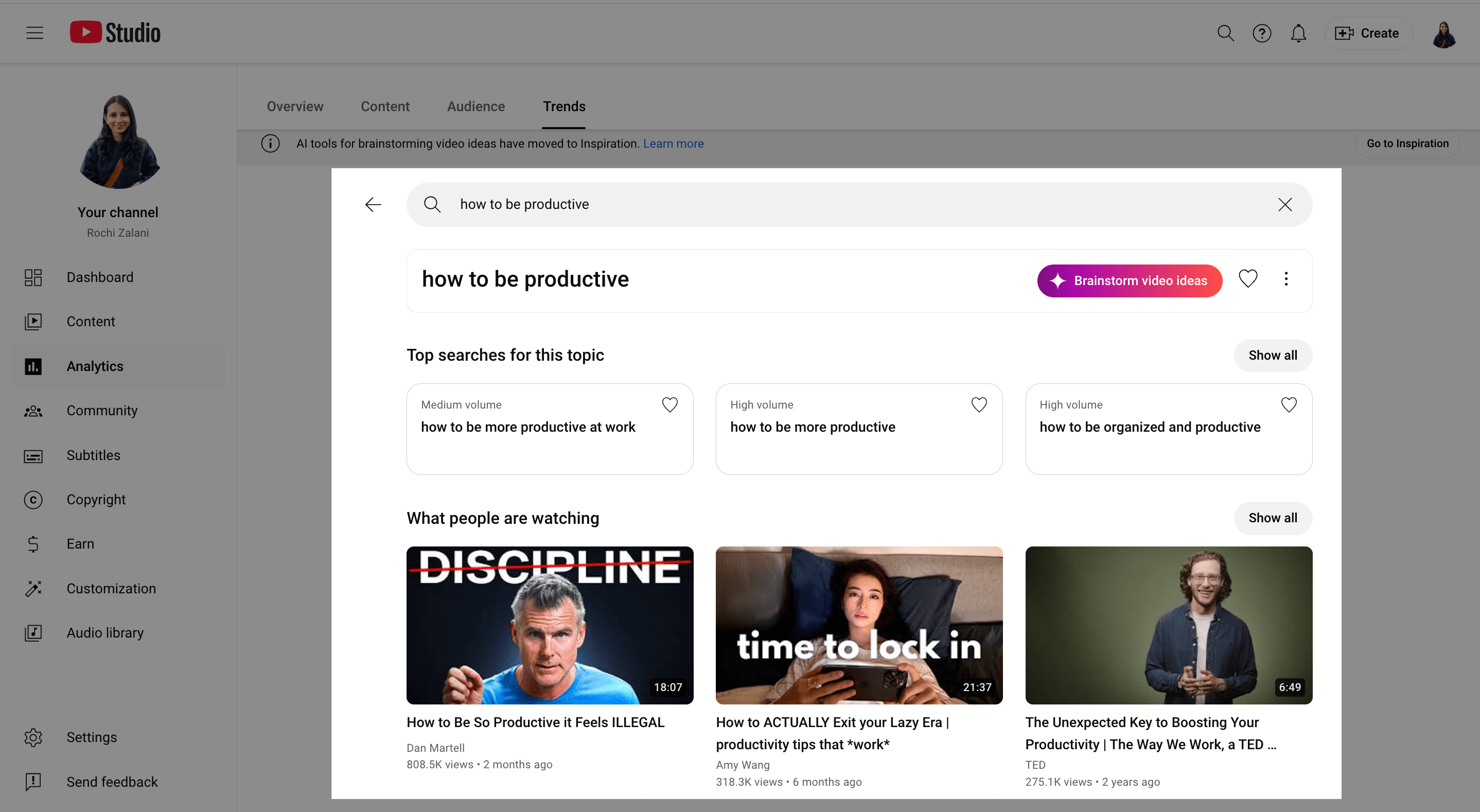
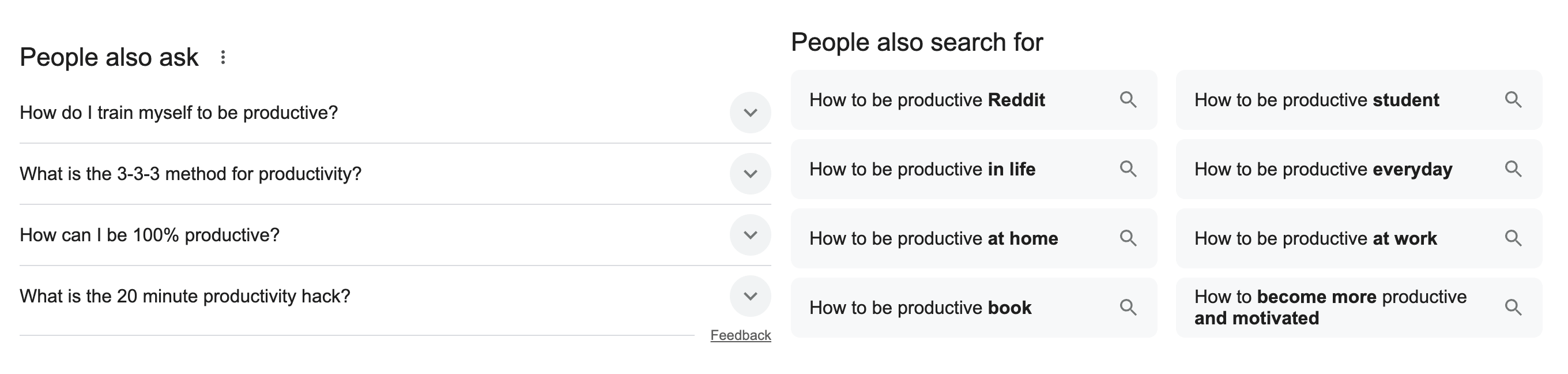
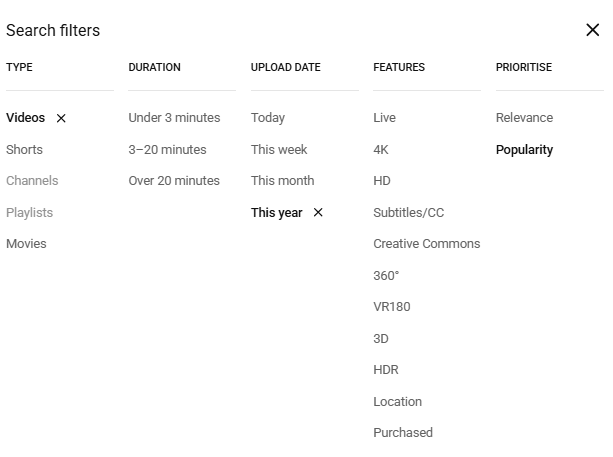
- Leveraging Google Search Data: Simple Google searches related to a channel’s niche can reveal user intent. Examining the "People also ask" and "People also search for" sections provides direct insight into audience questions and related queries, often yielding ready-made titles or foundational topics for videos. For a productivity creator, searching "how to be productive" and exploring these sections can uncover specific pain points, such as "how to be productive while working from home."
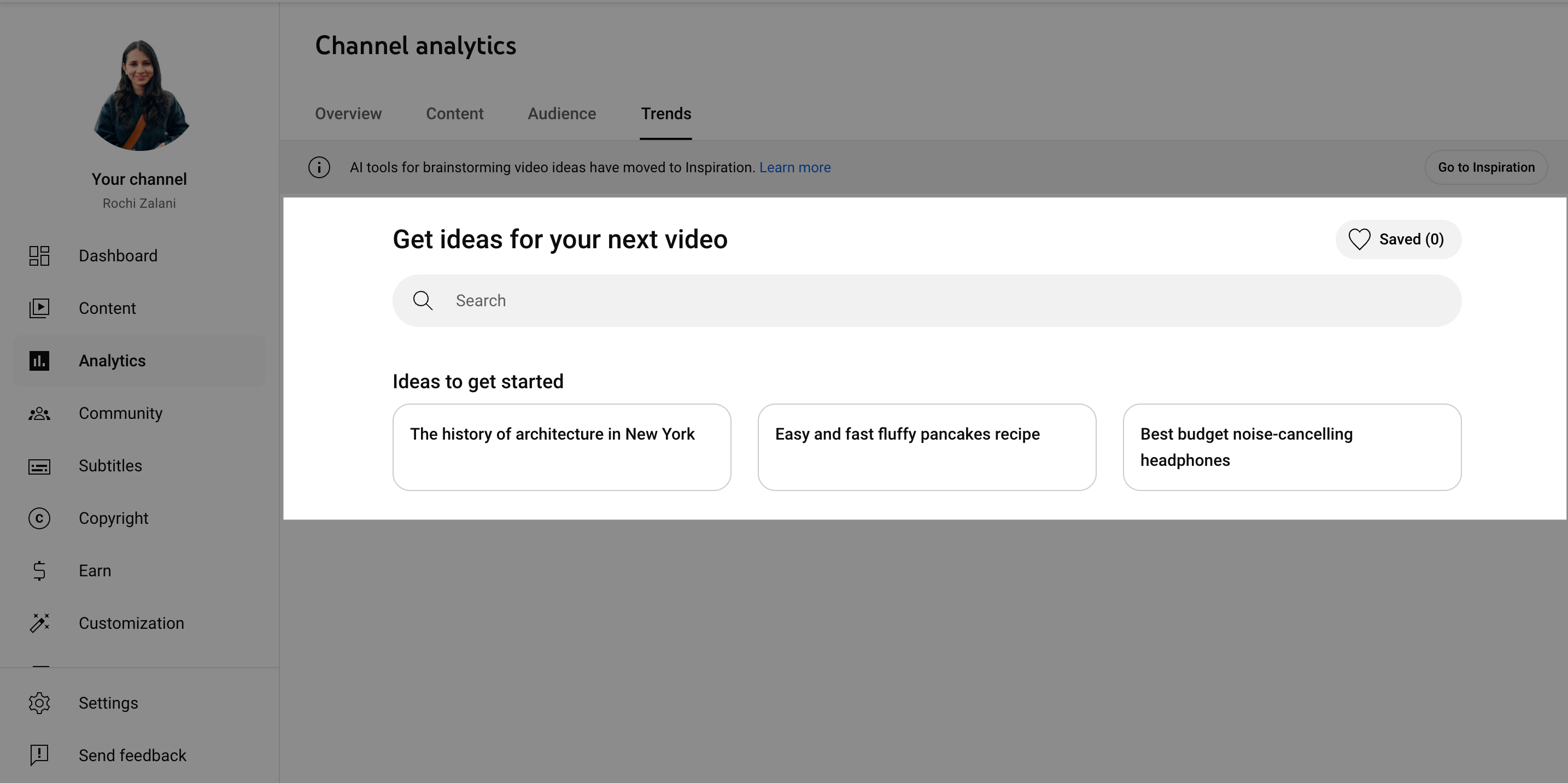
- YouTube Studio Analytics for Trends: Within YouTube Studio, the "Trends" tab under the "Analytics" section offers direct, platform-specific insights. This feature provides ideas based on what a creator’s existing audience watches and the performance of previously posted content. While results can vary, it serves as a valuable first-party data source for identifying emergent interests. Searching basic queries directly in YouTube’s search bar also highlights top keywords and their popularity, alongside related video suggestions.
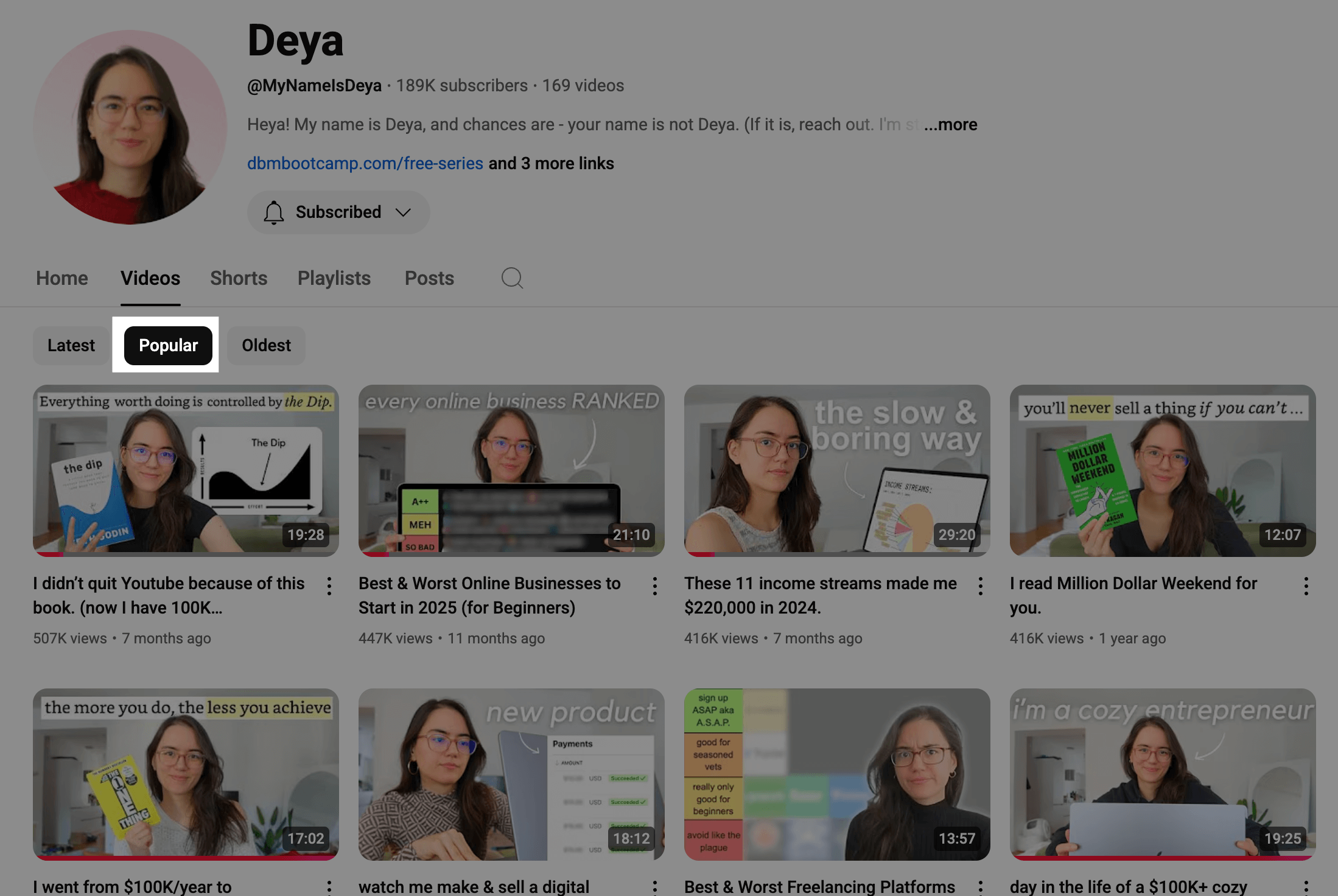
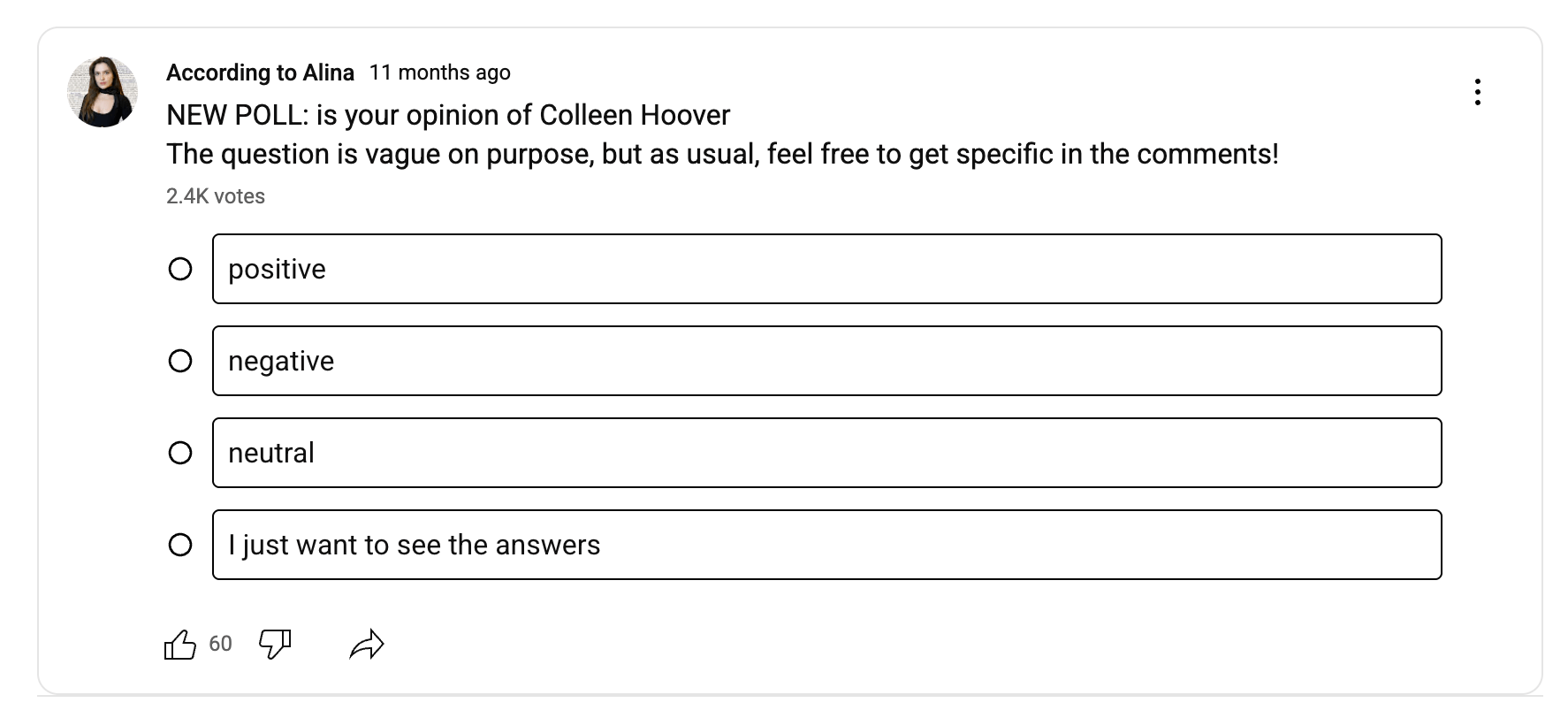
- Audience Feedback and Competitor Analysis: Direct engagement with the audience through comments and YouTube Community posts is invaluable. Viewers often articulate follow-up questions or express interest in related topics, providing organic content cues. For new channels lacking a substantial comment section, conducting a competitor analysis is crucial. By examining popular videos of creators in a similar niche, filtering by recent uploads, and noting videos that outperform subscriber counts, creators can identify breakout topics that the YouTube algorithm has already favored. Jade Beason, founder at Social People Agency, advises, "Look for any videos that received more views than the number of subscribers that the creator has. That’s a clear sign that it was pushed out by YouTube’s algorithm." This competitive intelligence offers a strategic blueprint for identifying trending and algorithmically favored content.
Cultivating a Unique Channel Identity
In a crowded digital space, merely identifying popular topics is insufficient; standing out requires a distinctive competitive edge. YouTuber Ali Abdaal recommends, "Analyze the market and then find your competitive edge. Think in which domains can you stand out – for example, depth of research, storytelling, editing, relatability, or authenticity." Rene Ritchie, a YouTube employee, echoes this sentiment, stating, "What makes you different? What makes you interesting? If you’re just going to copy what somebody else does – unless you can do it so significantly better that people will just rush to you – it’s probably gonna be really hard."
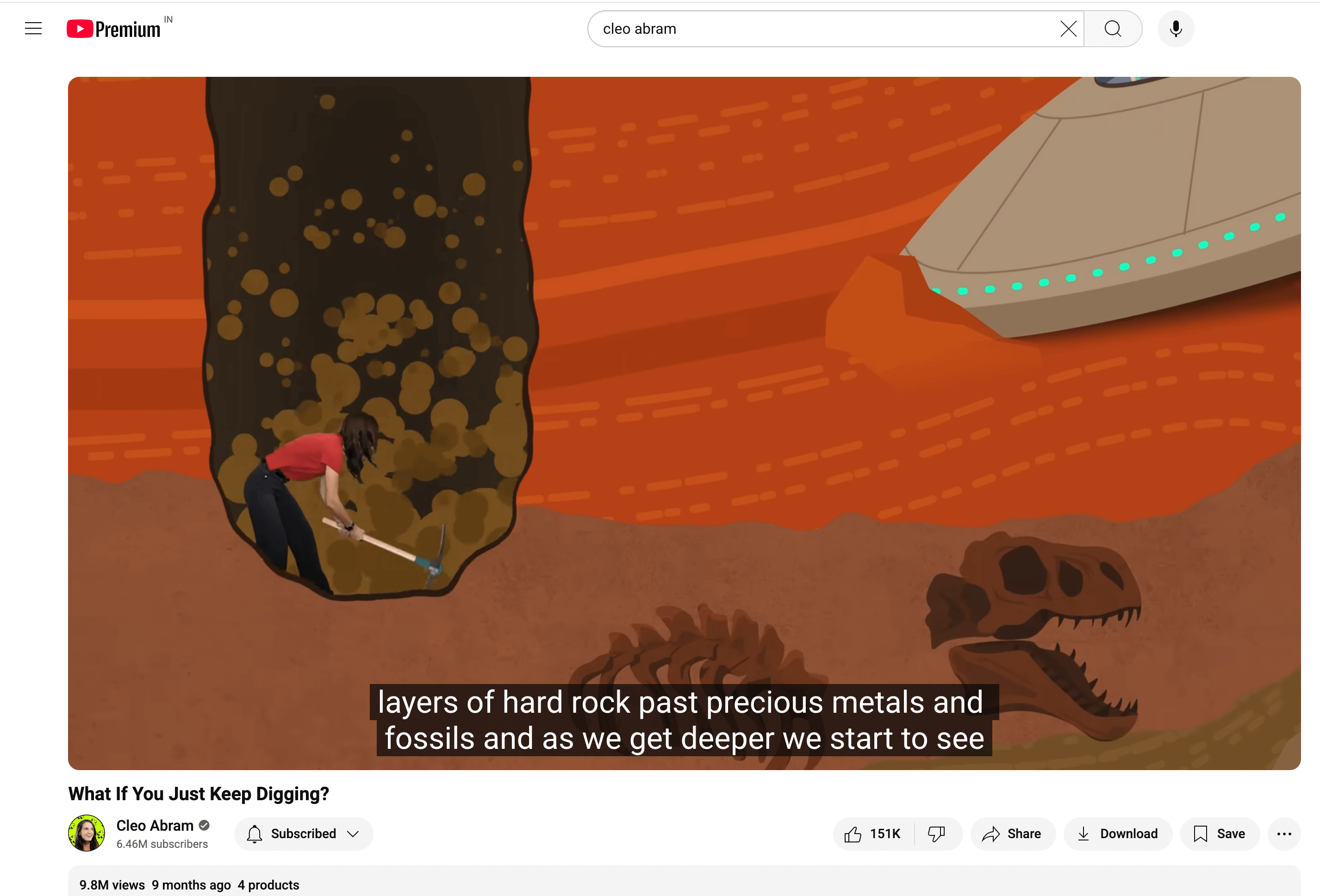
Cleo Abrams, known for her "optimistic tech" videos, exemplifies this by focusing on profound research and stunning animations. Another innovative strategy involves adapting successful formats from adjacent niches. Paddy Galloway, a YouTube consultant, notes, "So much of our success through my consulting company is by seeing what is working in different niches. What is a format that other people are not doing yet that we could bring over and adapt?" This cross-pollination of formats can introduce novelty and capture audience attention in unique ways.
Structuring for Sustained Engagement: The "TV Show" Model
Beyond individual video ideas, a holistic content strategy involves thinking of a YouTube channel as an episodic "TV show." This approach leverages YouTube’s playlist feature to encourage binge-watching and extend viewer session times, a key metric for the platform’s recommendation algorithm. Rene Ritchie highlights the power of viewer journeys: "Someone comes in to watch your video. They should be able to watch 2, 3, or 4 videos immediately after that. Binging is probably the fastest way to grow a channel."
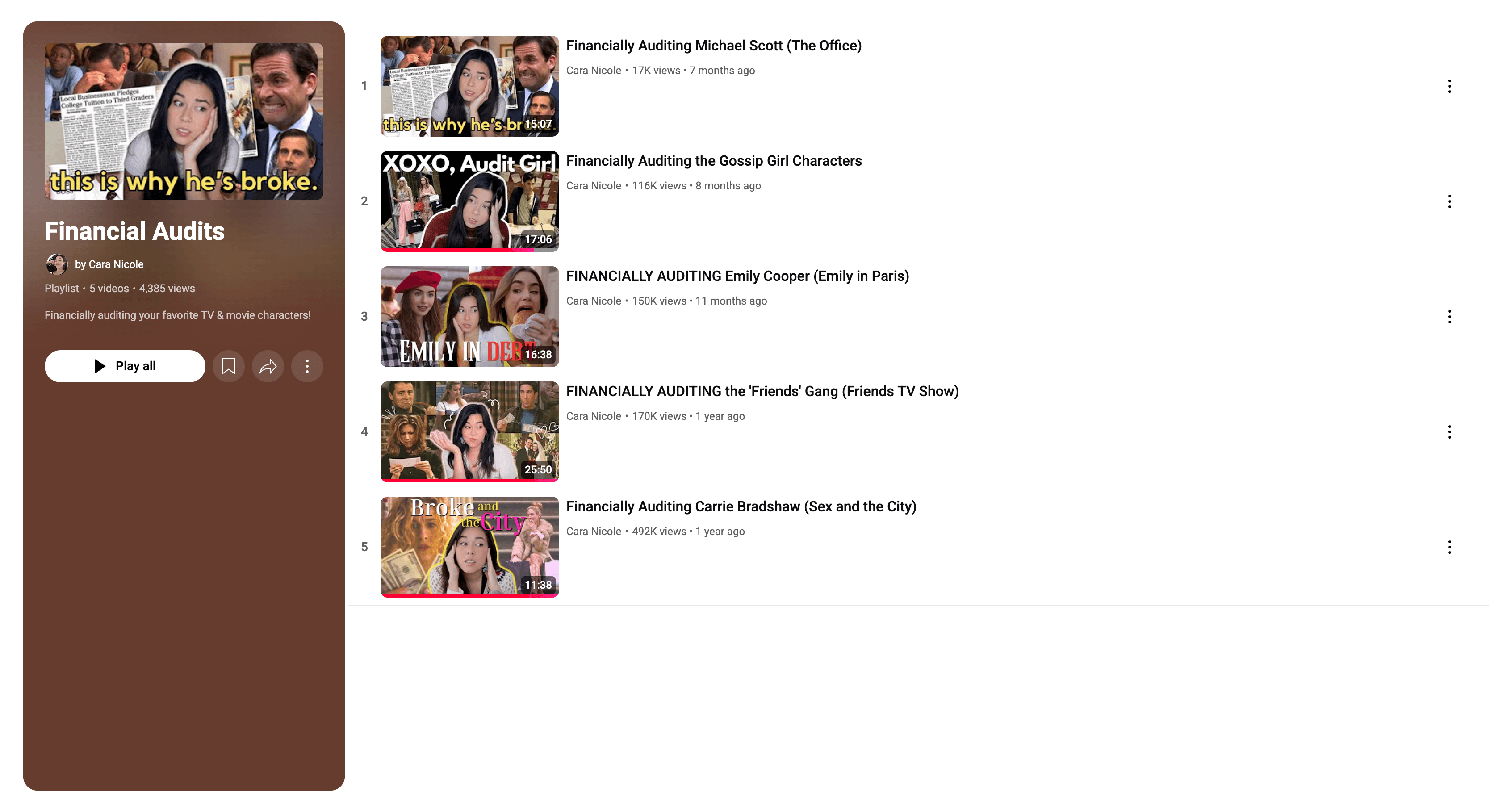
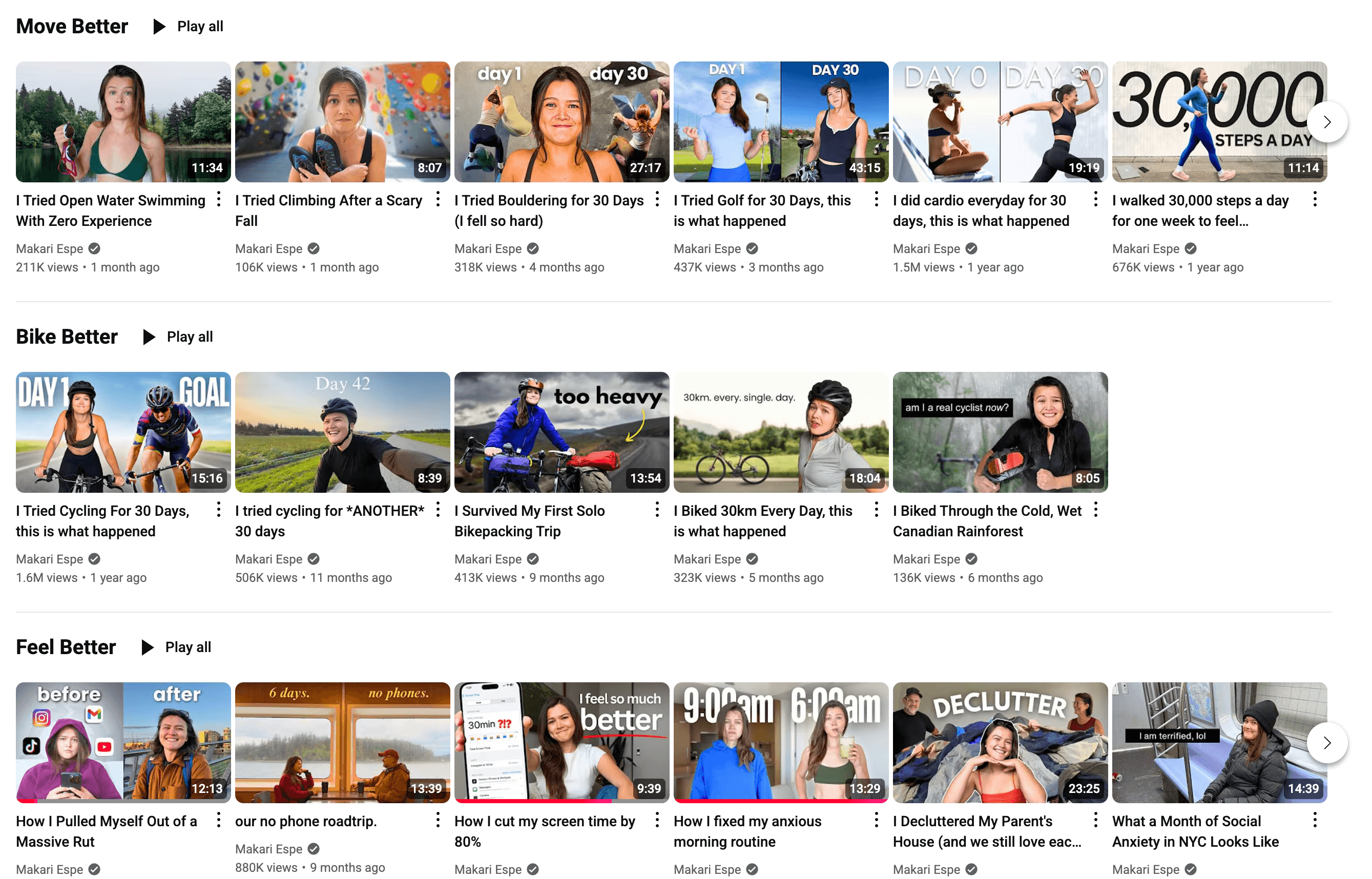
Inconsistent content, like a channel that shifts erratically from "how to fix your washing machine" to "how to fix your refrigerator," fragments the viewer experience. Conversely, creating a cohesive series—e.g., "how to fix your dishwasher," "best parts for your dishwasher," "preventative maintenance for your dishwasher"—builds a natural viewing progression. Cara Nicole’s "financial audit" series and Makari Espe’s "challenge" playlists are prime examples of this episodic strategy, demonstrating how structured content keeps audiences engaged and returning for more. This domino effect not only boosts views but also fosters a loyal community and accelerates subscriber growth.
The Art of the Hook: Thumbnails and Titles
Unlike passive scrolling platforms, YouTube demands an active "click-and-watch" decision from viewers. Consequently, compelling thumbnails and titles function as critical "hooks" that determine whether a video is discovered and engaged with. As Ali Abdaal puts it, "Your titles and thumbnails and concepts need to be sufficiently intriguing that someone actually clicks on the video."
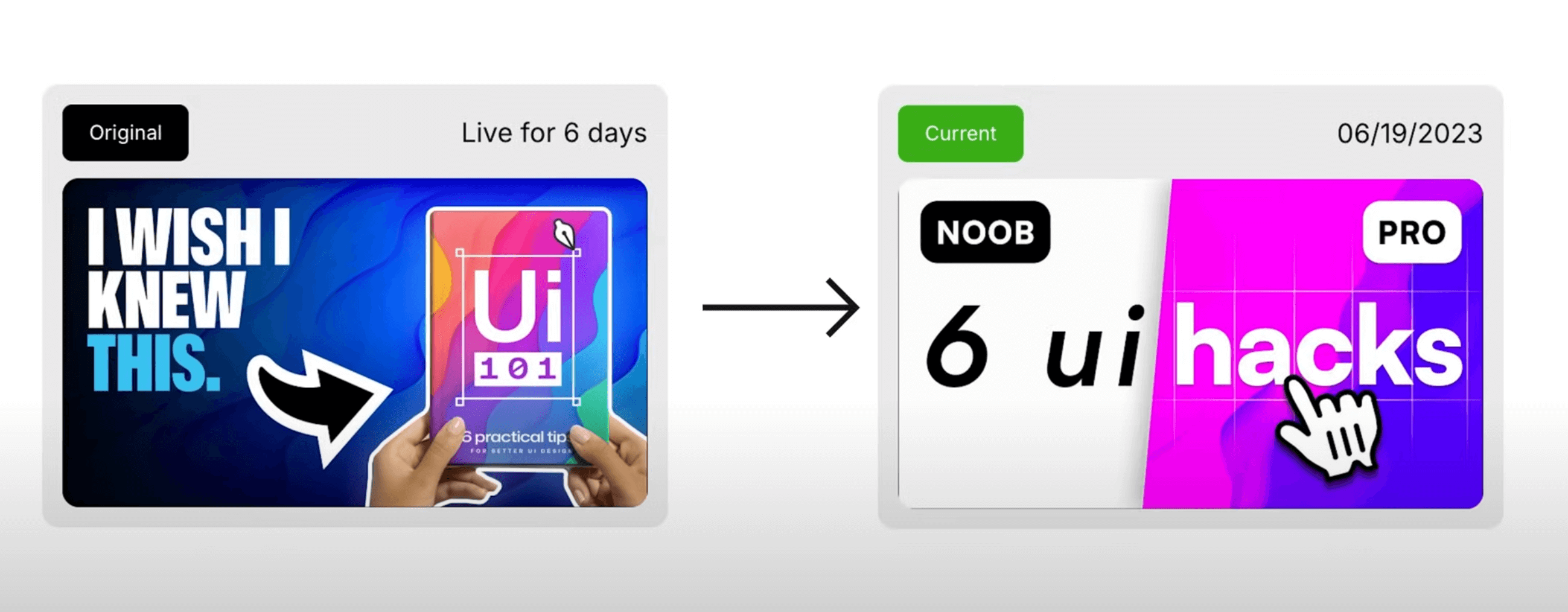
Industry veteran Ryan Hashemi, who managed Jubilee’s YouTube channel to five billion views, advocates for prioritizing this aspect: "Most teams first make a video that they think is going to be great, then scramble to find a title and thumbnail. That’s completely backwards. If you don’t have a must-click title and thumbnail before you shoot, don’t make that video. 40% of your effort should just be focused on this one step, up-front." A striking example is Tim Gabe, a client of Paddy Galloway, whose video saw a 40-fold increase in daily views after a strategic thumbnail redesign.
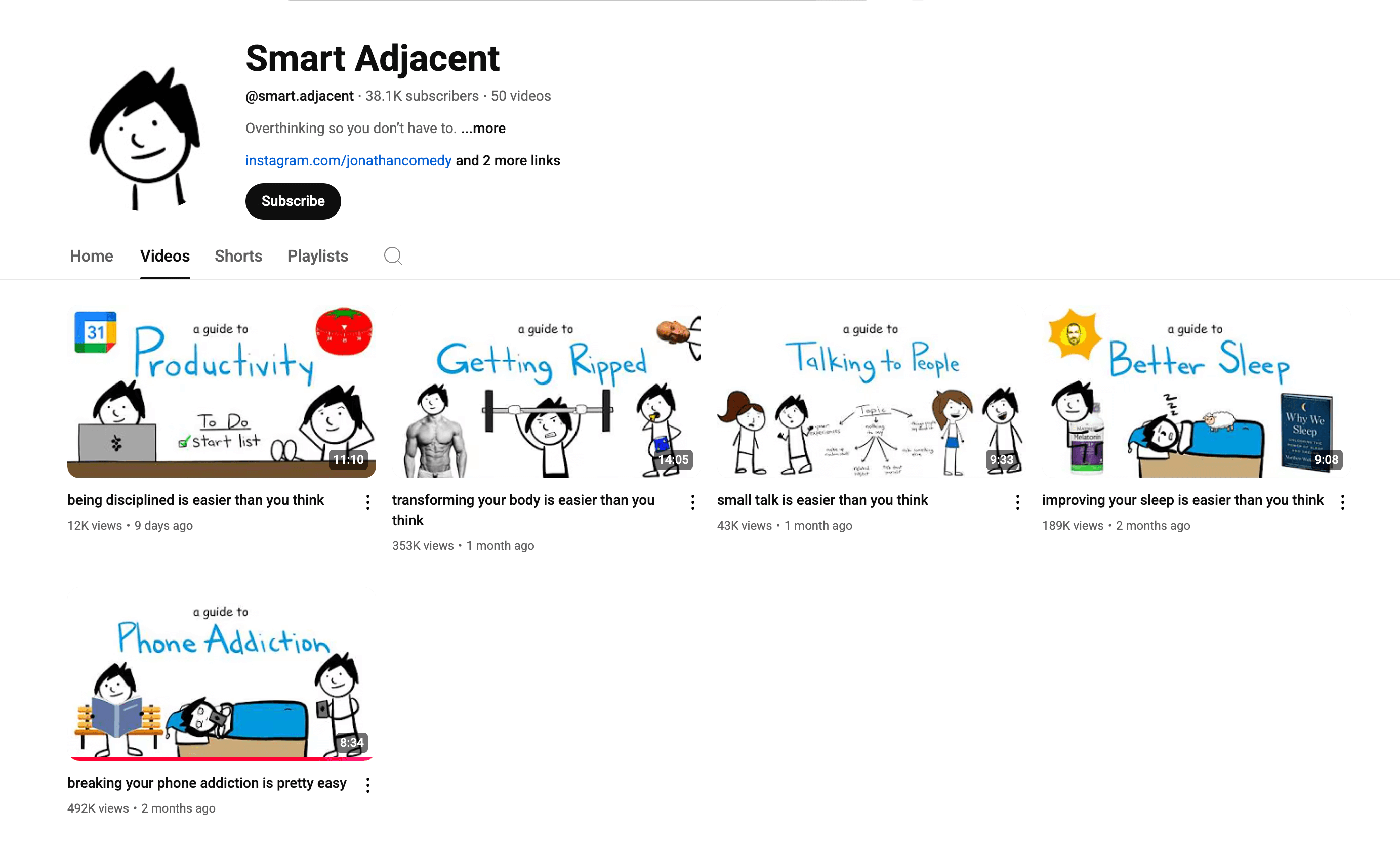
Effective titles combine relevant keywords for searchability with classic hooks that spark curiosity. Channels like Smart Adjacent demonstrate this by using keyword-rich titles that tap into the "curiosity gap," encouraging clicks. For new creators, focusing on search-optimized titles is particularly beneficial, as it allows videos to gain traction even without a large existing audience.
YouTube SEO and Trending Content Integration
To ensure videos rank higher in search results, a robust YouTube SEO strategy is indispensable. This involves thorough keyword research to understand audience search queries and then strategically embedding these keywords within video metadata.
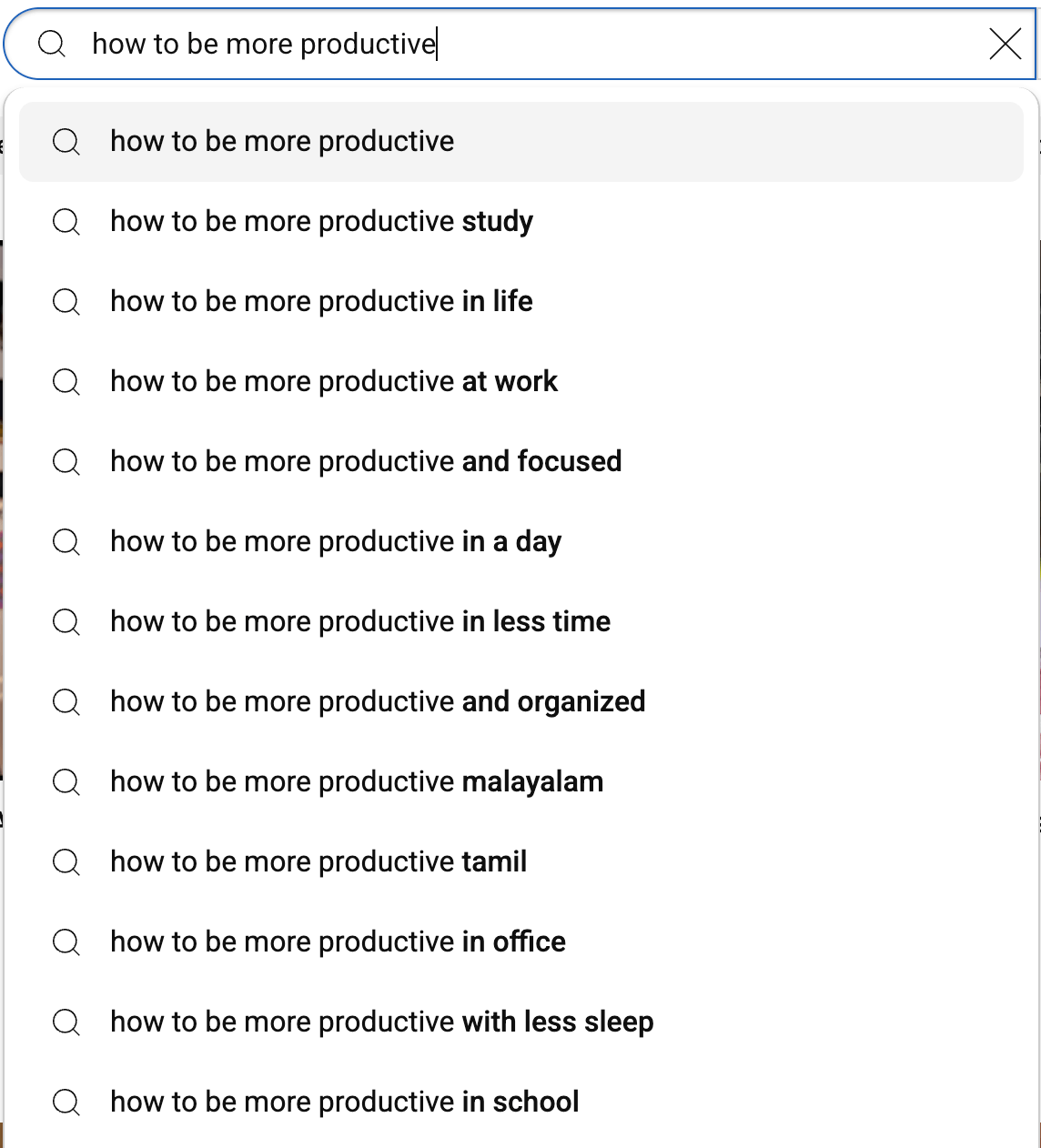
- Keyword Research: Start by "thinking like your audience," identifying problems and questions they might search for. Utilize YouTube’s own search bar to reveal auto-fill suggestions, which are often popular long-tail keywords. Free SEO tools can further refine these terms. For new channels or those in competitive niches, focusing on long-tail keywords—more specific, less competitive phrases—can significantly improve ranking chances.
- Keyword Placement: Optimal placement of keywords across four key areas enhances discoverability:
- Video Include the primary target keyword naturally.
- Description: Integrate primary and secondary keywords without keyword stuffing, providing context.
- Video Tags: Mix broad niche terms with specific long-tail keywords.
- Subtitles (Closed Captions): Verbally state keywords within the video, allowing YouTube’s AI to index the audio content.
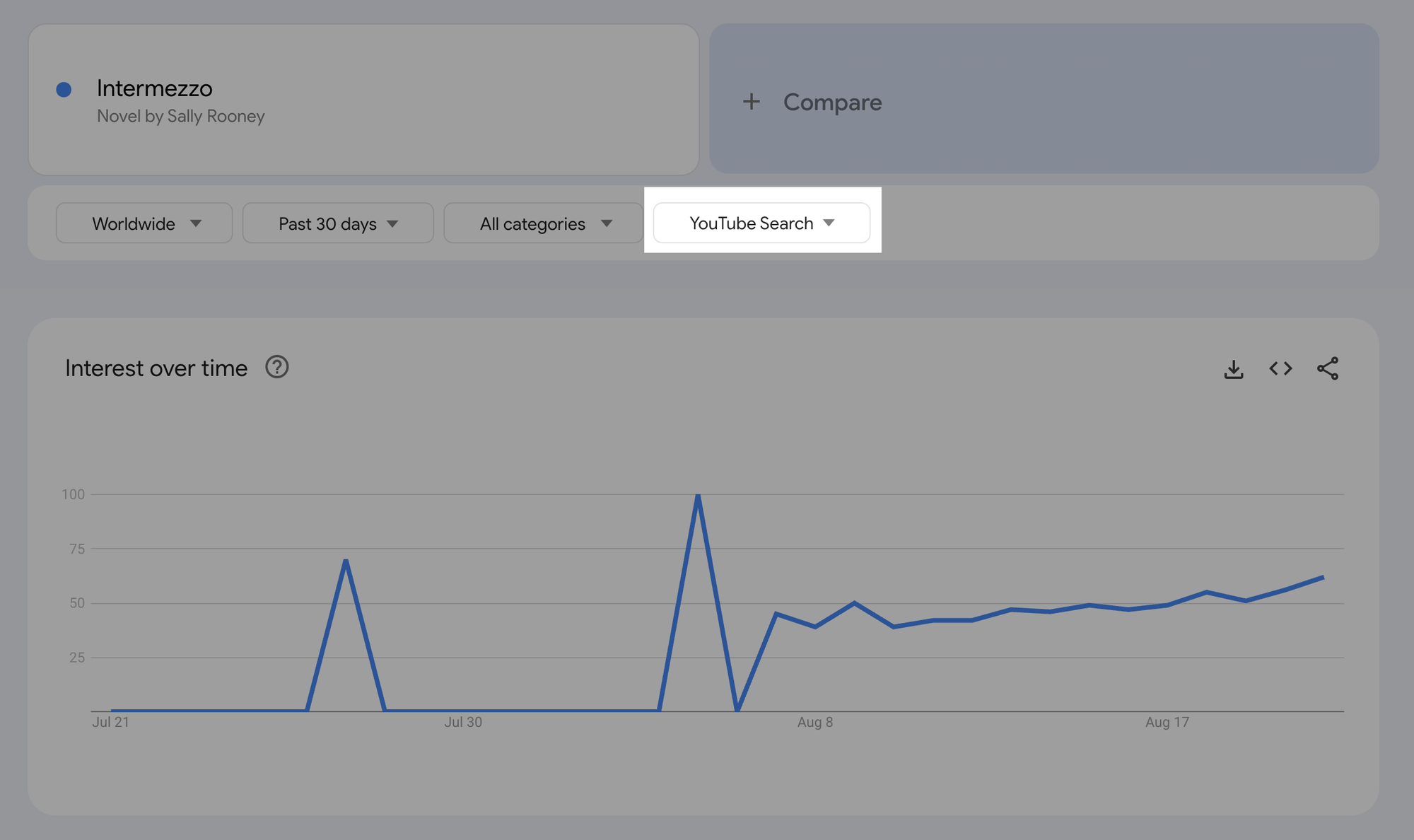
Beyond evergreen SEO, leveraging trending content acts as a powerful accelerator for views. YouTube’s algorithm often prioritizes timely and popular content. Cara Nicole notes, "Trends are one of the best ways to get people in the door. When you’re new, audiences don’t know who you are yet, so attaching your content to something already getting attention… gives you a natural boost." Google Trends, with its "YouTube Search" filter, is an invaluable tool for identifying rising keywords on the platform.
It’s also crucial to recognize platform-centric trends in content formats. Rene Ritchie points to the popularity of "I tried it" videos—where an expert reviews multiple items within a category—as a current trend. However, creators must adapt these trends authentically, avoiding mere imitation. Jade Beason warns against copying large creators: "If you’re starting out, you have to convince people to care about what you have to say and why they should watch your videos."
A balanced content strategy integrates both trending and evergreen videos. Paul Zalewski, co-founder of the Fathercraft channel, explains, "We usually think of trending content as the ‘entry point’ and evergreen videos as the ‘library’ that keeps viewers coming back." This mix ensures short-term traffic spikes while building a steady, long-term content backbone.
Cross-Platform Promotion and YouTube Shorts
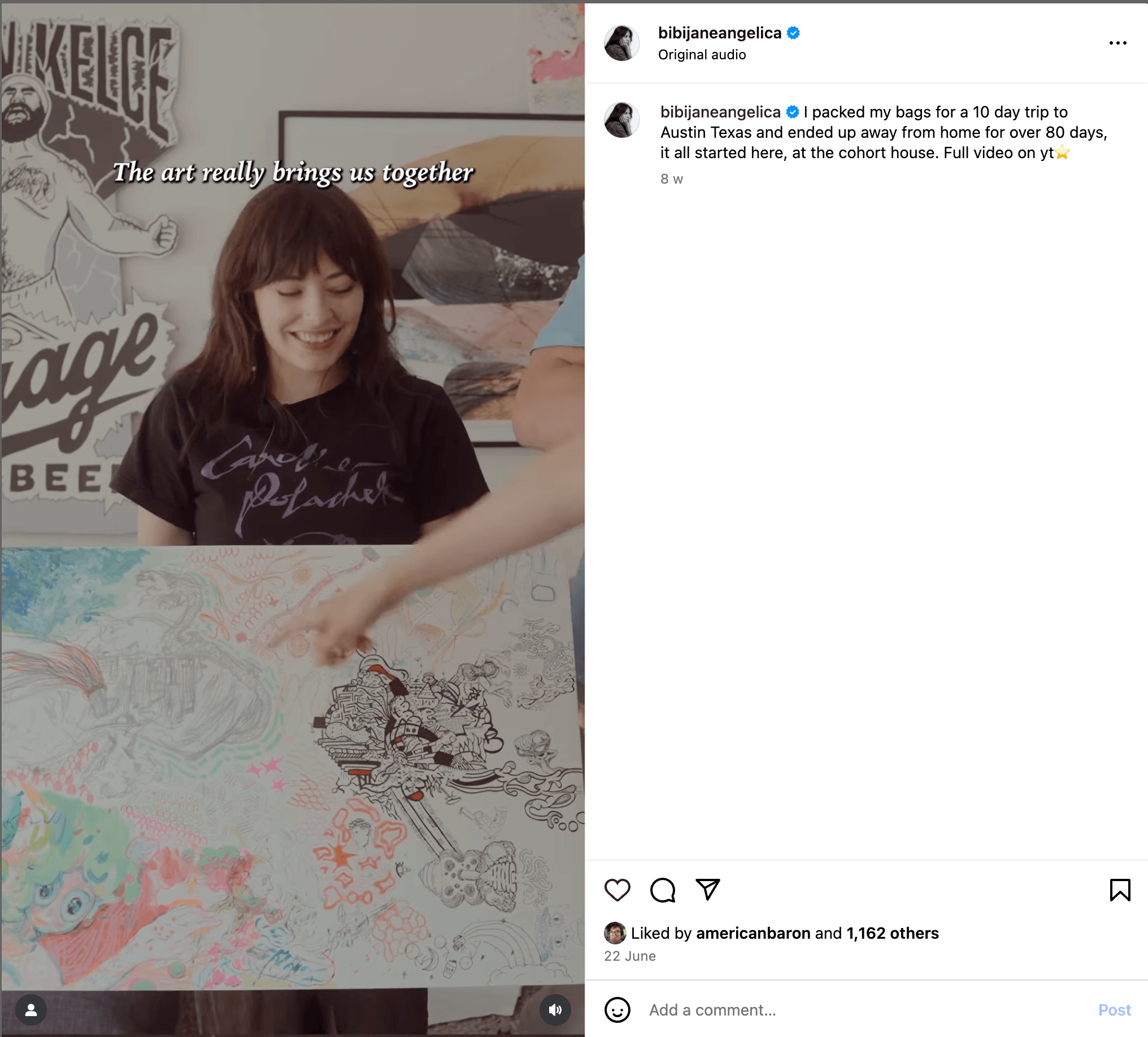
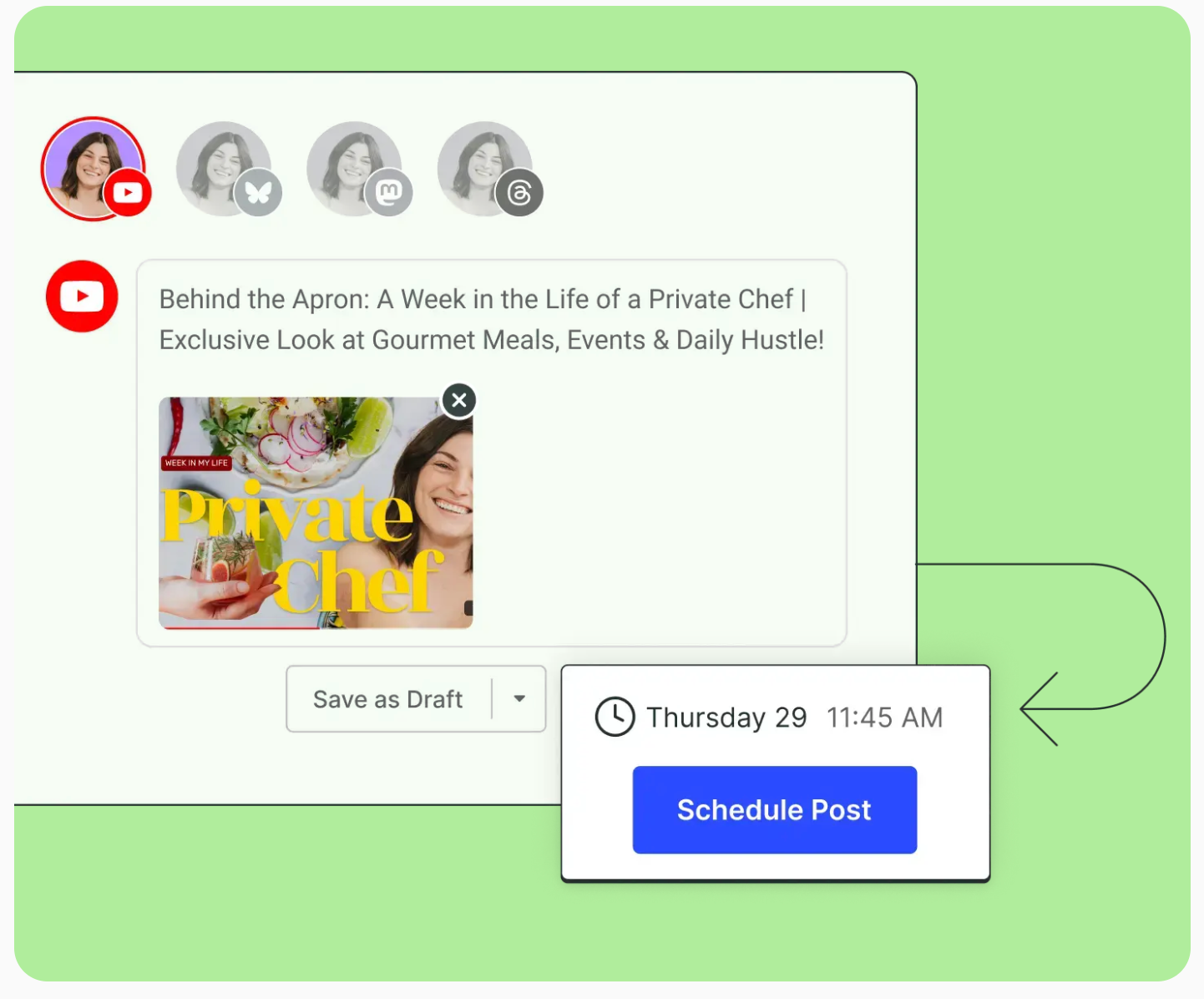
Leveraging an existing presence on other social media platforms (Instagram, TikTok, Facebook) for cross-promotion is a highly effective way to drive traffic to YouTube. Bibi-Jane Angelica, for instance, frequently posts video teasers as Instagram Reels, directing viewers to her full YouTube content. This strategy taps into an already engaged audience base. Buffer, as a tool, can facilitate this by scheduling content across multiple platforms from a single dashboard.
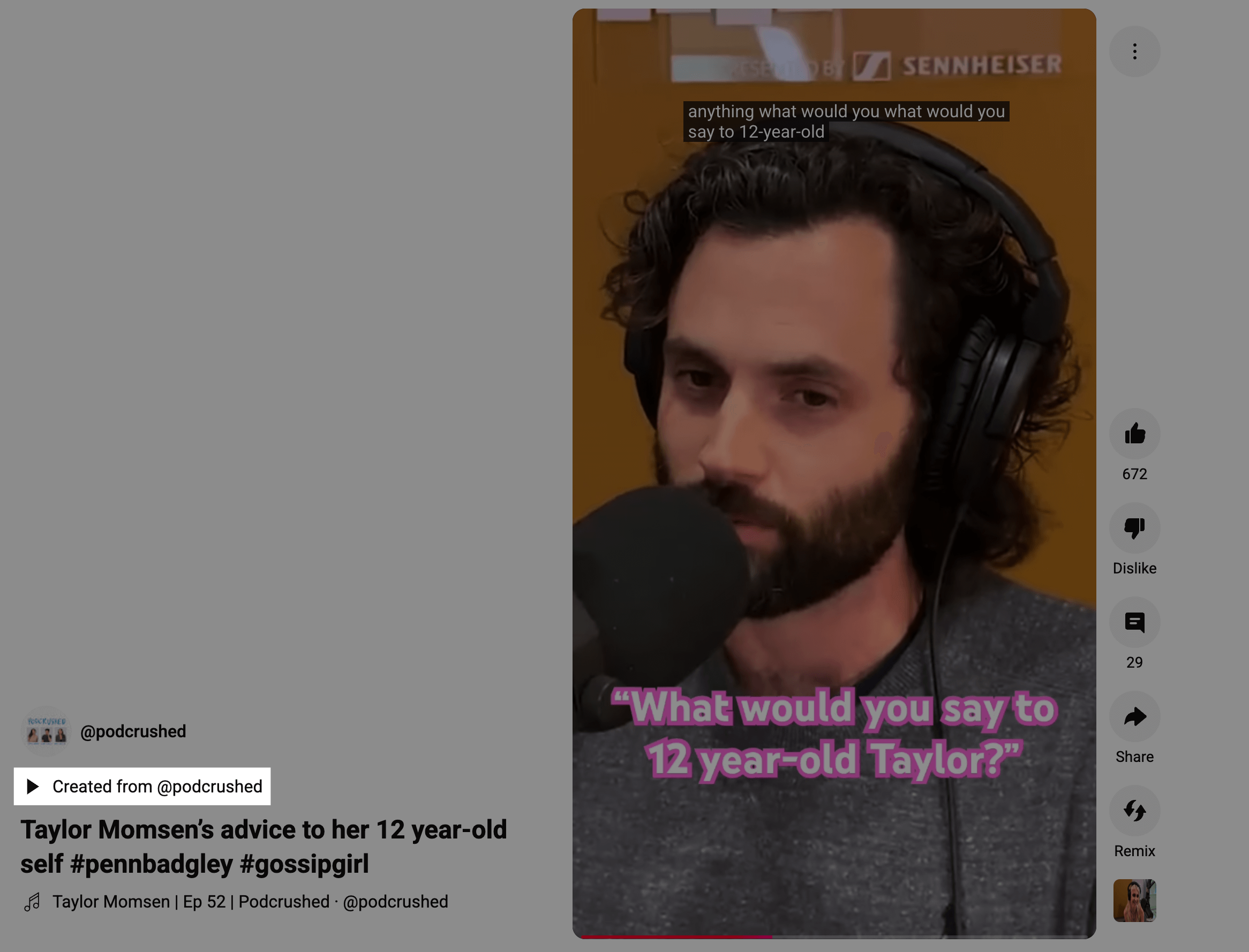
YouTube Shorts, the platform’s short-form video offering, presents a unique opportunity to attract new viewers and convert them into long-form subscribers. Rene Ritchie advises, "If you want to bring viewers to your long-form video, remember people won’t click through just because you want them to. You have to make them want to." Many podcasts effectively use snippets of conversations in Shorts to pique curiosity for the full episode.
Shorts also serve as an excellent testing ground for content ideas. Cleo Abrams uses Shorts to gauge audience interest before investing a month into producing a long-form video. Key strategies for effective Shorts include:
- Creating a strong hook within the first 1-3 seconds.
- Keeping the content concise, focusing on one idea.
- Adding a clear call-to-action (e.g., "watch the full video to learn more").
- Using compelling captions and text overlays.
Community Engagement and Data-Driven Optimization
Collaborating with other creators in the same niche is a direct route to audience expansion. Paul Zalewski emphasizes "highly targeted" collaborations where "each create unique-value-driven content for the other’s audience rather than just swapping shout-outs." The collaboration between booktubers Haley Pham, Sara Carrolli, and Destiny Sidwell, where they exchanged five-star reads, exemplifies authentic and mutually beneficial partnerships. Identifying partners can be done through YouTube search, community forums, or by analyzing "Channels featured on this channel" sections.
Within videos, YouTube Cards and End Screens are powerful internal navigation tools. Cards recommend related videos midway through content, while End Screens appear at the conclusion. These features guide viewers to more content, reinforcing the "TV show" model and extending watch time on the channel.
Continuous improvement hinges on analyzing YouTube Analytics, a "goldmine of ways to improve performance." Key metrics to monitor include:
- Click-Through Rate (CTR): Indicates how often viewers click on a video after seeing its thumbnail and title.
- Audience Retention: Shows how long viewers watch a video, revealing engagement points and drop-off moments.
- Traffic Sources: Identifies where viewers are discovering content (e.g., search, suggested videos, homepage).
- Demographics: Provides insights into the audience’s age, gender, and geographic location.
Analyzing these metrics allows creators to refine their content strategy, production, and promotion. Tools like Buffer can consolidate analytics across multiple platforms for a holistic view.
Finally, optimizing posting times based on audience activity is a straightforward way to boost initial views. While long-form videos generally perform best in mornings (8-11 a.m., particularly Sundays, Tuesdays, and Mondays), YouTube Shorts see peak engagement in evenings (6-11 p.m., especially Fridays, Saturdays, and Thursdays). Creators can find their specific audience’s peak activity times in the "When your viewers are on YouTube" section of YouTube Studio Analytics.
The Long Game of YouTube
Growing a YouTube channel is a demanding endeavor, often requiring more sustained effort than platforms like Instagram or TikTok due to the production complexity of long-form video. However, YouTube’s unique position as both a social network and a search engine offers unparalleled longevity for content. As Ryan Hashemi observes, "YouTube isn’t something you dip a toe into. It rewards consistency and compounds significantly over time." The content created today can continue to generate views and engagement for years, establishing a valuable evergreen library. Success on YouTube is not a sprint but a marathon, requiring a blend of creativity, strategic planning, persistent execution, and a commitment to continuous learning and adaptation.
Key Insights for YouTube Growth
- Audience-First Content: Prioritize video ideas that deeply resonate with your target audience, balancing familiar interests with novel perspectives.
- Strategic Discoverability: Optimize titles and thumbnails for maximum click-through rates, treating them as critical marketing tools.
- SEO Integration: Implement robust keyword research and strategic placement within video metadata to enhance search ranking.
- Algorithmic Alignment: Leverage trending topics and formats, but always adapt them to your unique voice and niche.
- Viewer Journey Optimization: Structure content into cohesive series and utilize playlists, cards, and end screens to encourage extended viewership.
- Cross-Platform Synergy: Promote YouTube content across other social channels and repurpose long-form videos into engaging YouTube Shorts for broader reach.
- Data-Driven Refinement: Regularly analyze YouTube Analytics to understand audience behavior and continuously refine content and strategy.
- Patience and Persistence: Recognize YouTube as a long-term investment where consistent effort and adaptation yield compounding returns.