Hanik Kholidah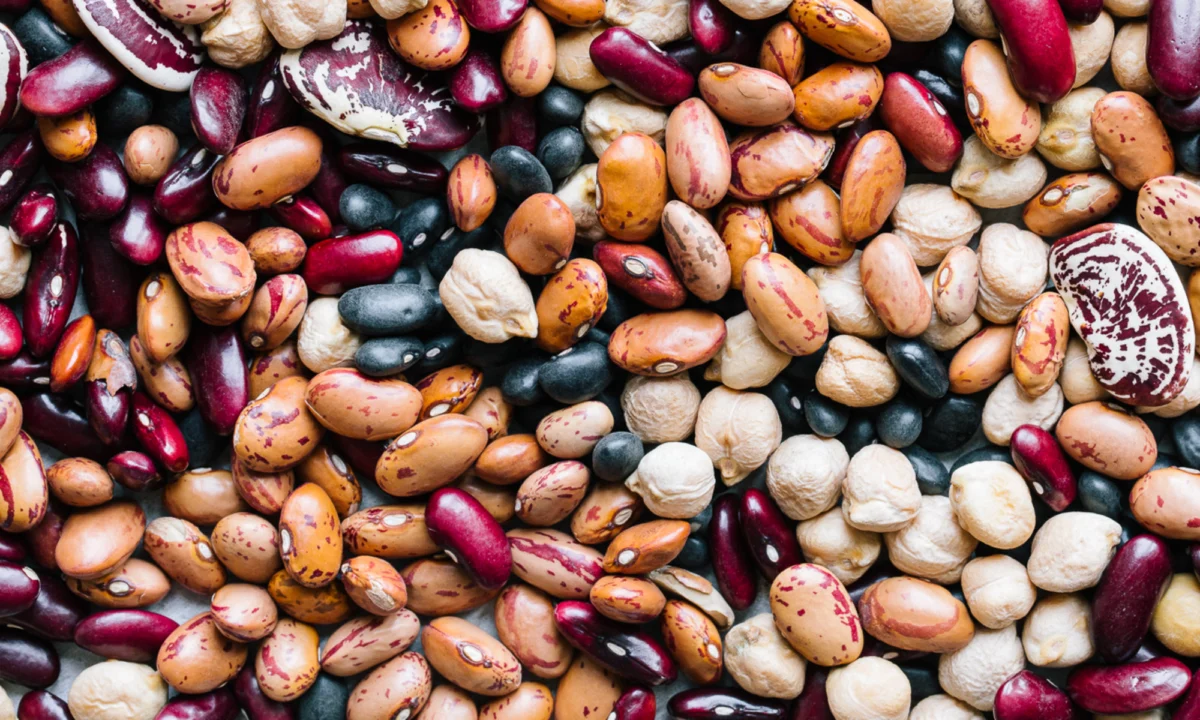
A randomized controlled trial involving adults with prediabetes has demonstrated that the daily consumption of one cup of beans can lead to substantial improvements in key cardiometabolic health indicators, specifically cholesterol levels and systemic inflammation. The study, which monitored participants over a 12-week period, suggests that this simple dietary intervention could serve as a powerful, low-cost strategy for mitigating the risk of chronic conditions such as heart disease and type 2 diabetes. By replacing common refined carbohydrates with legumes like black beans and chickpeas, researchers observed a measurable shift in the biological markers that often precede major cardiovascular events.
The Scope and Methodology of the 12-Week Clinical Trial
The study was designed as a randomized controlled trial (RCT), which is widely considered the gold standard in clinical research. The cohort consisted of 72 adults, all of whom had been diagnosed with prediabetes—a condition characterized by blood sugar levels that are higher than normal but not yet high enough to be classified as type 2 diabetes. This demographic is of particular interest to public health officials because it represents a critical window for intervention; without lifestyle changes, individuals with prediabetes are at a significantly higher risk of progressing to full-blown diabetes and developing heart disease.
Participants were divided into three distinct groups. The first group was tasked with consuming one cup of chickpeas daily, the second group consumed one cup of black beans daily, and the third served as the control group, consuming one cup of white rice daily. The duration of 12 weeks was selected to allow sufficient time for metabolic changes to manifest in blood chemistry. Throughout the trial, researchers meticulously monitored blood glucose levels, lipid profiles (including LDL and HDL cholesterol), and markers of inflammation, such as C-reactive protein (CRP). Data was collected at the baseline, the six-week midpoint, and the conclusion of the study to track the trajectory of the participants’ health markers.
Quantitative Findings: Cholesterol and Inflammation
The results of the trial revealed a stark contrast between the bean-consuming groups and the control group. Participants who integrated black beans or chickpeas into their daily diets saw a "meaningful improvement" in their lipid profiles. Specifically, there was a documented reduction in low-density lipoprotein (LDL) cholesterol, often referred to as "bad" cholesterol. High levels of LDL are a primary contributor to the buildup of plaque in the arteries, a condition known as atherosclerosis, which can lead to heart attacks and strokes.
In addition to the lipid improvements, the study highlighted a significant decrease in markers of systemic inflammation. Chronic inflammation is increasingly recognized by the medical community as a silent driver of metabolic syndrome and vascular damage. By lowering these inflammatory markers, the bean-rich diet demonstrated a protective effect on the cardiovascular system that was absent in the group consuming white rice. Conversely, the control group, which consumed white rice—a high-glycemic-index refined carbohydrate—did not show these improvements, and in some cases, maintained the elevated risk factors associated with their prediabetic status.
The Biological Mechanism: Why Beans Are a Metabolic Powerhouse
The efficacy of beans in improving cardiometabolic health is rooted in their unique nutritional composition. Legumes are a dense source of several key components that work synergistically to regulate metabolism:
- High Soluble Fiber Content: Beans are among the richest sources of soluble fiber. In the digestive tract, soluble fiber forms a gel-like substance that binds to cholesterol and bile acids, preventing them from being reabsorbed into the bloodstream. This forces the liver to pull more cholesterol from the blood to produce new bile acids, thereby lowering overall serum cholesterol levels.
- Resistant Starch: Unlike simple sugars, resistant starch is not fully broken down in the small intestine. Instead, it travels to the large intestine where it acts as a prebiotic, feeding beneficial gut bacteria. The fermentation of resistant starch produces short-chain fatty acids (SCFAs), which have been linked to improved insulin sensitivity and reduced inflammation.
- Low Glycemic Index (GI): Because beans are digested slowly, they cause a gradual rise in blood sugar rather than the sharp spikes associated with refined grains like white rice. This stability is crucial for individuals with prediabetes, as it reduces the demand on the pancreas to produce insulin.
- Phytochemicals and Micronutrients: Beans are packed with polyphenols, flavonoids, and essential minerals like magnesium and potassium. Magnesium plays a vital role in over 300 enzymatic reactions, including those that regulate blood pressure and glucose control, while polyphenols provide antioxidant effects that combat oxidative stress in the blood vessels.
The Global Context: Addressing the Chronic Disease Epidemic
The findings of this study arrive at a time when global health systems are struggling to manage a surge in metabolic disorders. According to the World Health Organization (WHO), cardiovascular diseases remain the leading cause of death globally, taking an estimated 17.9 million lives each year. In the United States alone, the Centers for Disease Control and Prevention (CDC) reports that approximately 98 million adults have prediabetes, many of whom are unaware of their condition.

The transition toward highly processed diets, characterized by an excess of refined sugars and a lack of fiber, has been a major catalyst for this epidemic. The "fiber gap"—the difference between the recommended daily intake of fiber and what the average person actually consumes—is a significant public health concern. While health organizations recommend 25 to 38 grams of fiber per day, the average American consumes only about 15 grams. Incorporating one cup of beans, which provides roughly 15 grams of fiber, effectively closes this gap for many individuals.
Economic and Practical Implications
Beyond the clinical benefits, the study underscores the socioeconomic advantages of legumes. In an era of rising food costs and inflation, beans represent one of the most affordable sources of high-quality protein and complex carbohydrates. Whether purchased dried, canned, or frozen, the cost per serving of beans is typically less than one dollar, making them accessible to low-income populations who are often disproportionately affected by food insecurity and diet-related chronic diseases.
Furthermore, the environmental impact of bean production is significantly lower than that of animal-based proteins. Legumes are nitrogen-fixing crops, meaning they improve soil health and require less water and fertilizer than many other staples. This makes them a cornerstone of sustainable dietary patterns, such as the planetary health diet, which aims to support both human health and environmental stability.
Expert Analysis and Industry Reactions
Nutritionists and cardiologists have reacted positively to the study, noting that while the health benefits of fiber have been known for decades, the specific focus on prediabetic outcomes provides actionable data for clinical practice. "This study reinforces the ‘food as medicine’ philosophy," says Dr. Elena Rodriguez, a specialist in metabolic health (not directly involved in the study). "We often look for complex pharmaceutical solutions for prediabetes, but the data consistently shows that the most profound changes often come from the grocery store. Swapping a refined starch for a legume is a low-friction change that yields high-impact results."
Researchers also pointed out the "second-meal effect" of beans—a phenomenon where the slow digestion of legumes improves glucose tolerance not just for the current meal, but for subsequent meals later in the day. This prolonged metabolic benefit is a unique characteristic of legumes that makes them superior to other high-fiber foods.
Conclusion and Future Research
The takeaway from this 12-week trial is clear: a simple, daily habit of consuming beans can act as a significant buffer against the progression of cardiometabolic disease. For the 72 participants in the study, the transition from white rice to chickpeas or black beans was enough to move the needle on inflammation and cholesterol, two of the most critical markers of long-term health.
However, the researchers suggest that further studies are needed to determine if these benefits are sustained over several years and how different varieties of legumes—such as lentils, kidney beans, or navy beans—might offer varying levels of protection. There is also interest in exploring the impact of bean consumption on the gut microbiome in greater detail, as the link between intestinal health and systemic inflammation becomes clearer.
For now, the evidence supports a strong recommendation for clinicians and the public alike. In the quest to manage cholesterol and quiet the fires of chronic inflammation, the humble bean appears to be an indispensable ally. Whether added to soups, salads, or served as a primary protein source, the inclusion of legumes is a scientifically backed path toward a healthier, more resilient cardiovascular system.