rifanmuazin
The past few years have witnessed an undeniable surge in short-form video content, spearheaded by the meteoric rise of platforms like TikTok and the subsequent introduction of features such as Instagram Reels and YouTube Shorts. This "video-first" strategic pivot by major tech companies has led many content creators and marketers to believe that video is the singular path to audience growth and engagement. Platforms have heavily invested in video infrastructure, algorithmically favoring video content in discovery feeds and offering dedicated editing tools. This industry-wide push created a strong perception that video was not just a trend but the definitive future of all social media interaction. However, Buffer’s latest data suggests that while this perception holds true for certain platforms, it significantly oversimplifies the complex dynamics of user engagement across the diverse social media ecosystem. The report’s methodology involved analyzing median engagement rates, which provides a more accurate picture of typical content performance by mitigating the influence of extreme viral outliers.
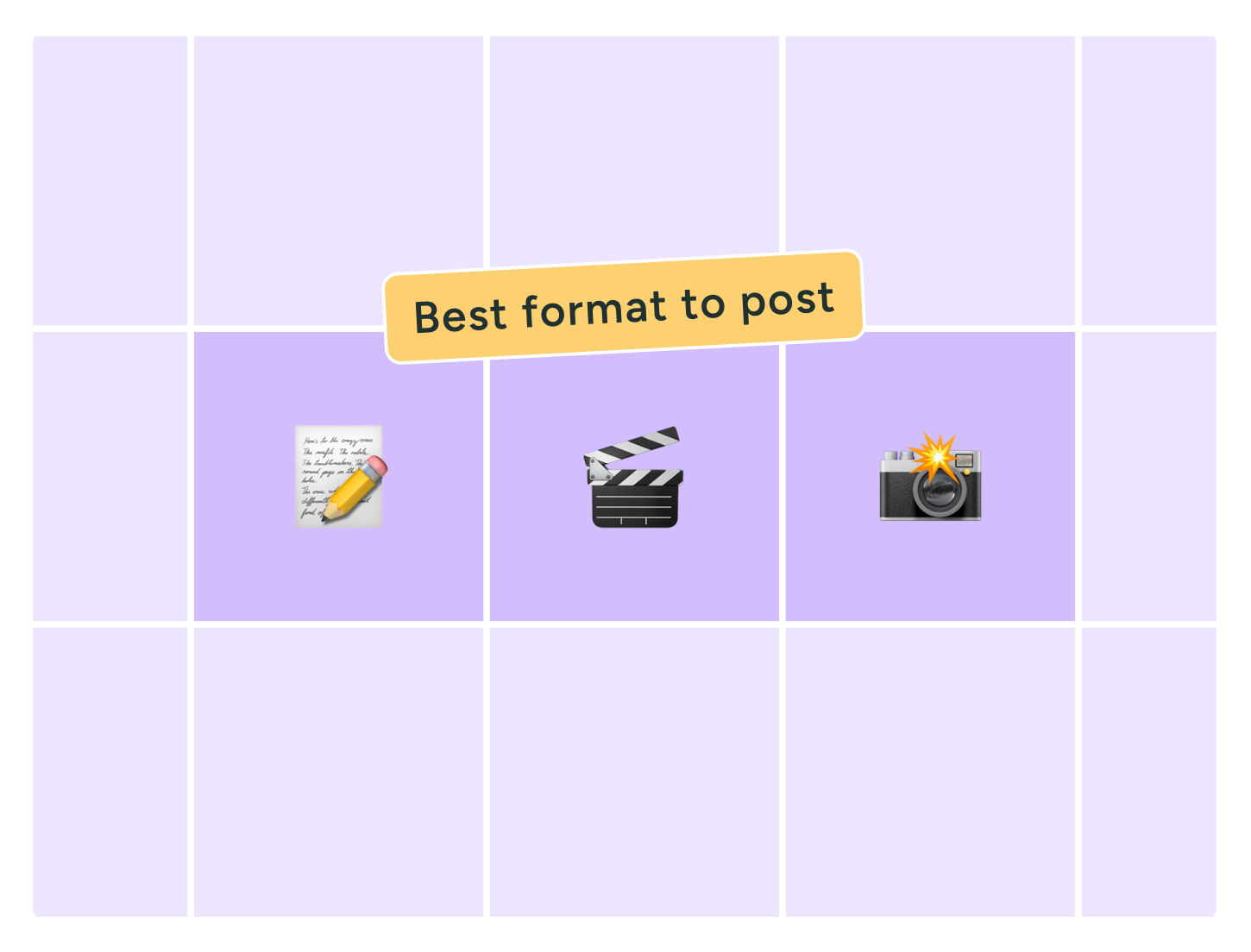
Shifting Dynamics: A Platform-by-Platform Breakdown
The report provides a granular look at which content formats perform best for engagement on each platform, revealing distinct user behaviors and algorithmic preferences.
LinkedIn: The Unyielding Power of Carousels
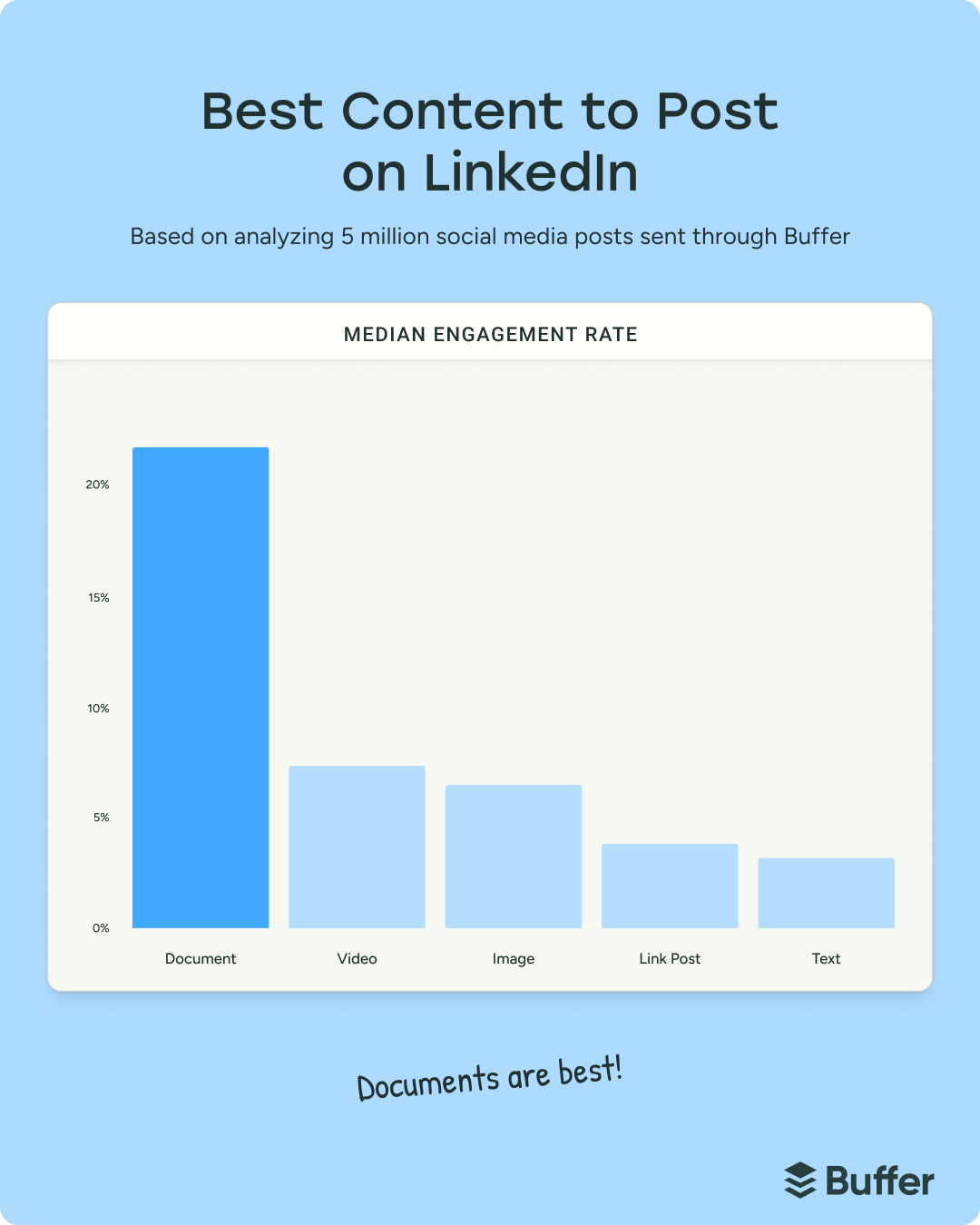
Contrary to the general video trend, LinkedIn continues to champion carousels, specifically PDF-style document posts, as its most engaging content format. The 2026 data shows carousels achieving an exceptional median engagement rate of 21.77%. This figure is strikingly higher than video, which comes in second at 7.35%, and dramatically surpasses text posts. This enduring dominance of carousels on LinkedIn can be attributed to the platform’s professional nature, where users seek digestible, informative, and visually appealing multi-slide content for learning and knowledge sharing. Carousels allow creators to present detailed insights, case studies, or step-by-step guides in an easily consumable format that encourages prolonged interaction. Users often save these posts for later reference, further signaling value to the algorithm. Despite this data, LinkedIn has been actively promoting video content. Callie Schweitzer, LinkedIn’s Head of Premium Content & Community Strategy, has famously advocated for "Video, Video, Video" for growth. This apparent dichotomy highlights a crucial distinction: while video might be pushed by the platform for broader reach and discoverability, carousels are demonstrably superior for fostering deeper, more meaningful engagement within a professional audience. For B2B marketers and thought leaders, a dual strategy of leveraging carousels for in-depth engagement and video for expanding professional networks appears to be the most effective approach.
Instagram: A Tale of Two Metrics – Engagement vs. Reach
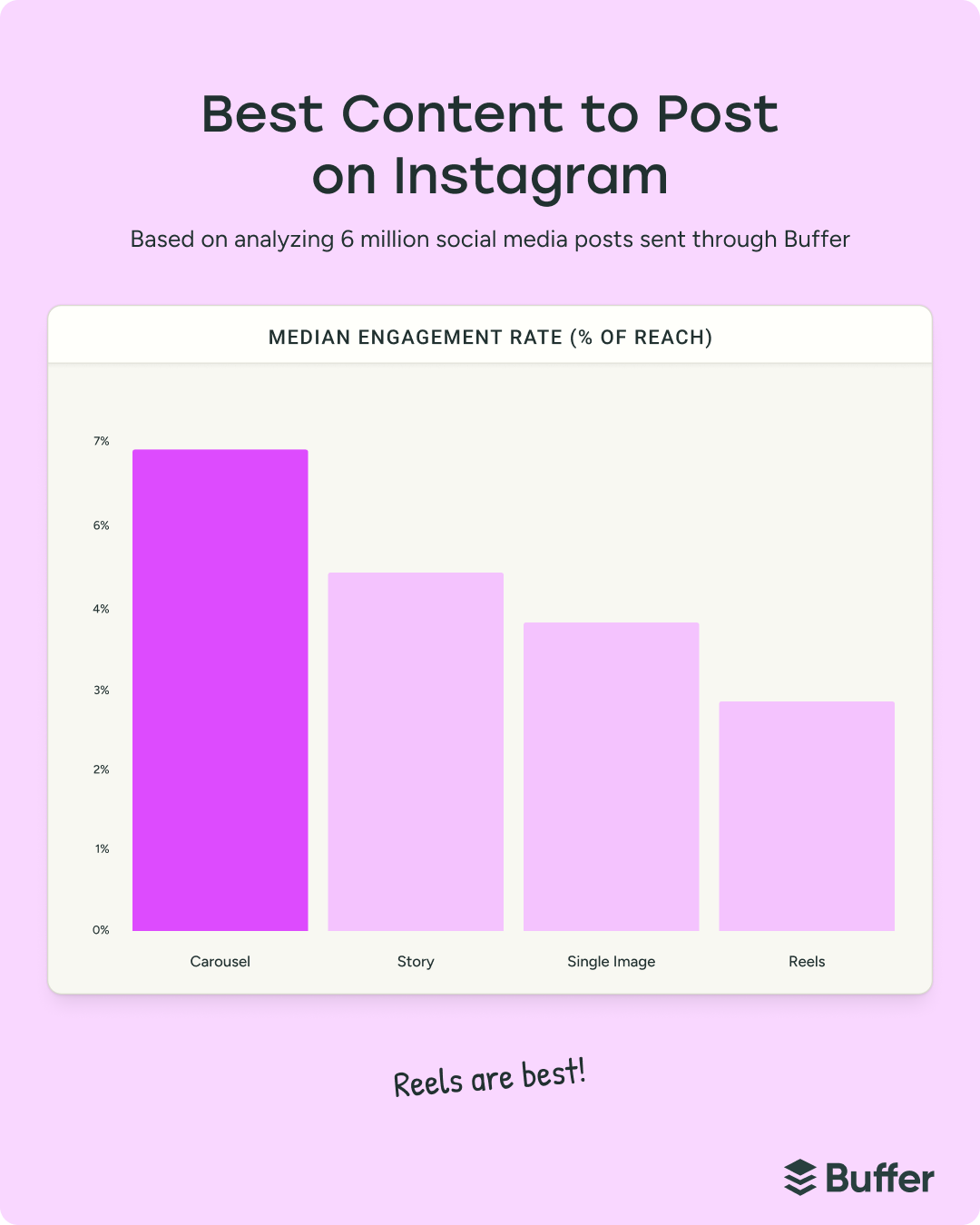
Instagram presents a particularly intriguing case, where performance metrics diverge significantly based on content goals. While the platform has heavily invested in Instagram Reels, giving them a dedicated discovery feed and advanced editing features, Buffer’s report indicates that carousels lead in median engagement rate at 6.9%. Single images follow at 4.4%. This suggests that for an existing audience, carousels foster more interactions like saves, shares, and comments. The multi-slide format encourages users to spend more time on the post, potentially revisiting slides, which signals strong engagement to Instagram’s algorithm.
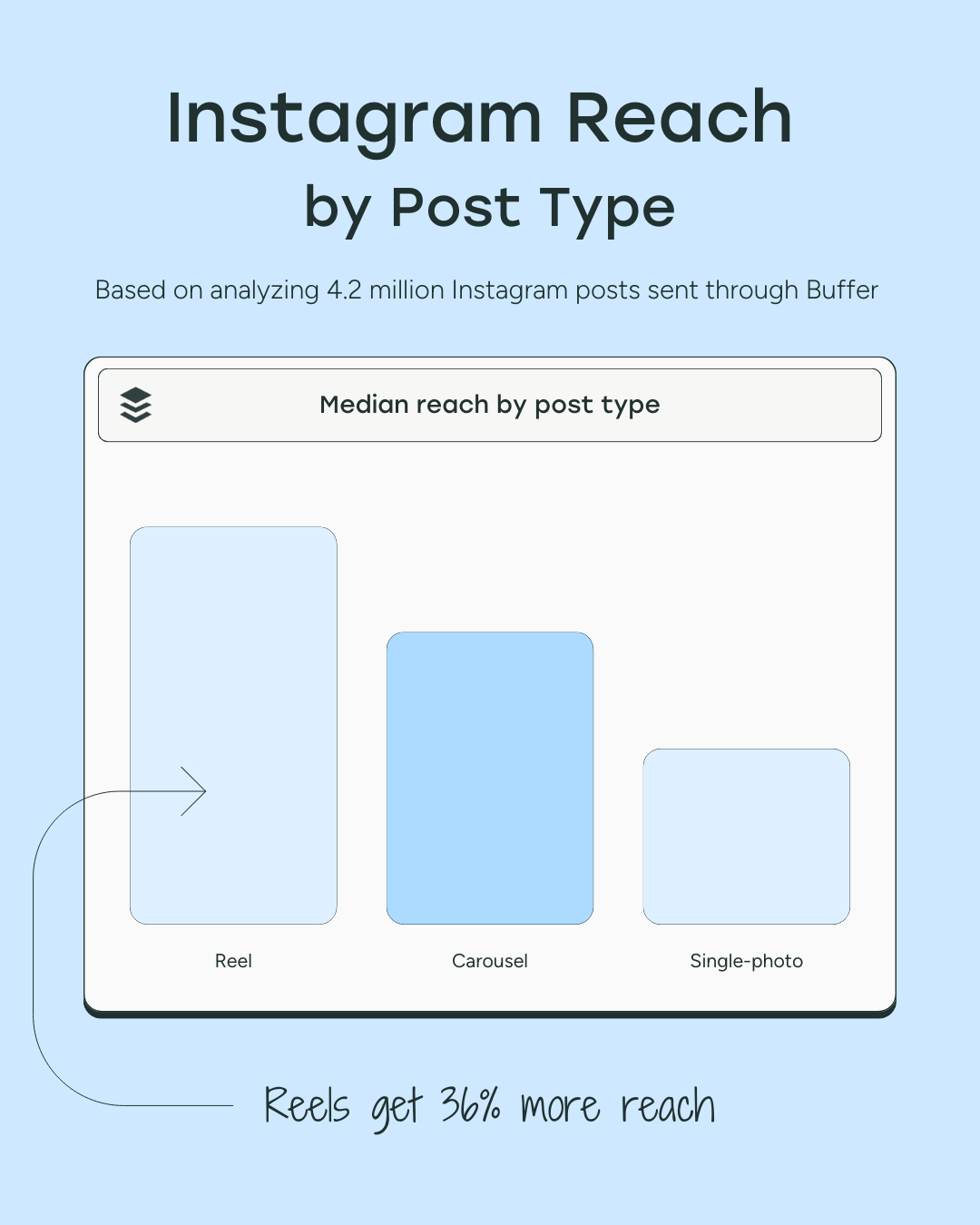
However, a separate analysis of over 4 million posts between January 2022 and October 2024 reveals that Reels tend to achieve significantly higher reach, outperforming single-image posts by 2.25 times. This is largely due to Instagram’s dedicated Reels discovery tab, which provides an algorithmic advantage for reaching non-followers. This creates a strategic dilemma for creators: Reels are powerful for discoverability and audience growth, acting as a funnel for new followers, while carousels excel at deepening connections and driving meaningful interactions with an already established audience. The "best format" on Instagram, therefore, is not singular but depends entirely on the specific content objective—whether it’s expanding reach or cultivating deeper engagement.
TikTok: The Undisputed Reign of Video
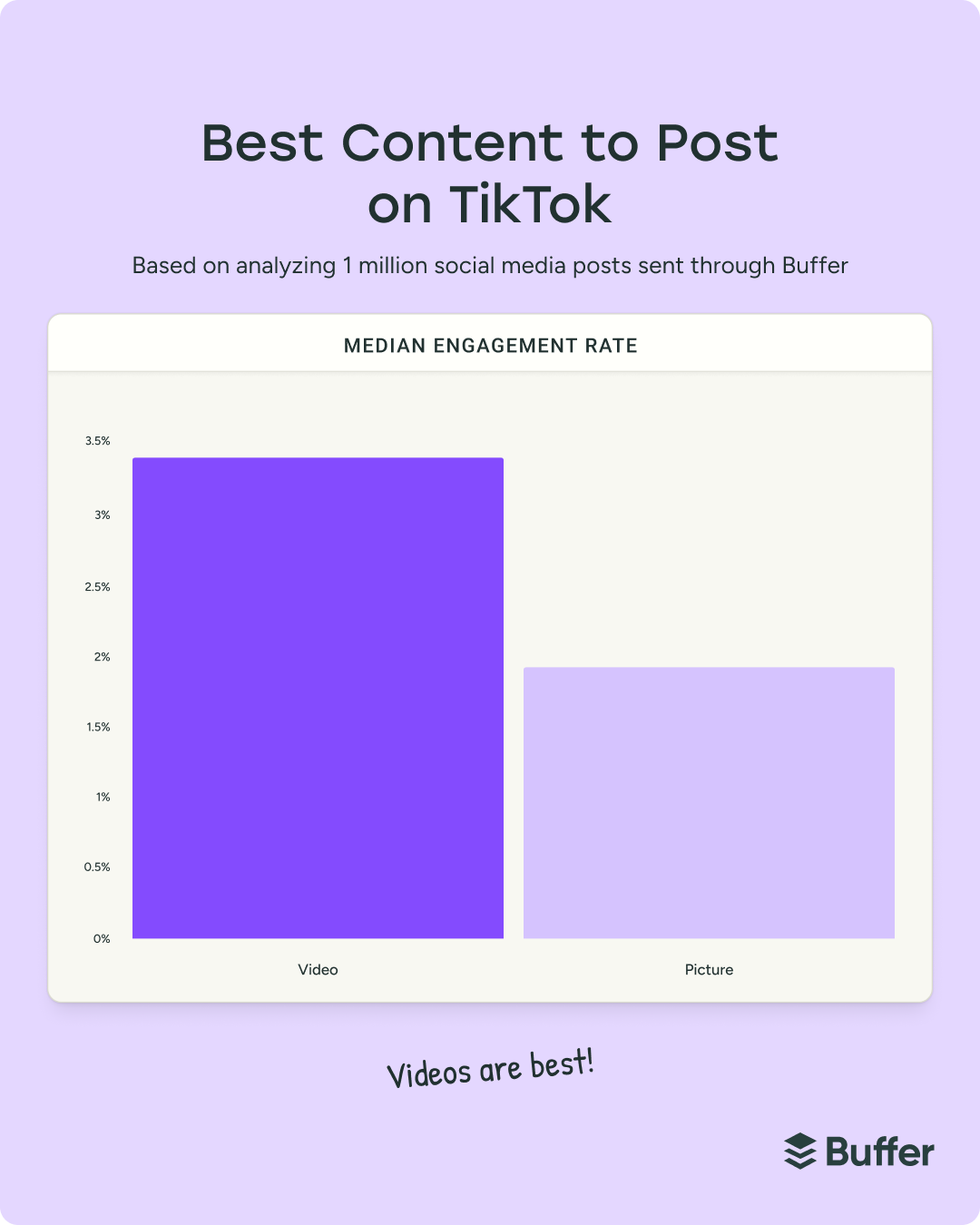
On TikTok, the platform built explicitly for short-form video, the data aligns with expectations. Video posts secure a median engagement rate of 3.39%, a substantial 77% higher than carousels and photo posts, which trail at 1.92%. This confirms video as the undisputed top-performing format on the platform. Despite TikTok’s introduction of multi-photo carousels in recent years, presumably to diversify content options and cater to different creative styles, the platform’s core algorithm and user behavior remain firmly rooted in video consumption. TikTok’s endless scroll feed is optimized for rapid, engaging video content, making it challenging for static image-based formats to compete effectively for user attention. For any creator or brand prioritizing engagement on TikTok, a video-centric strategy is not merely advisable but essential.
Facebook: The Persistent Appeal of Images
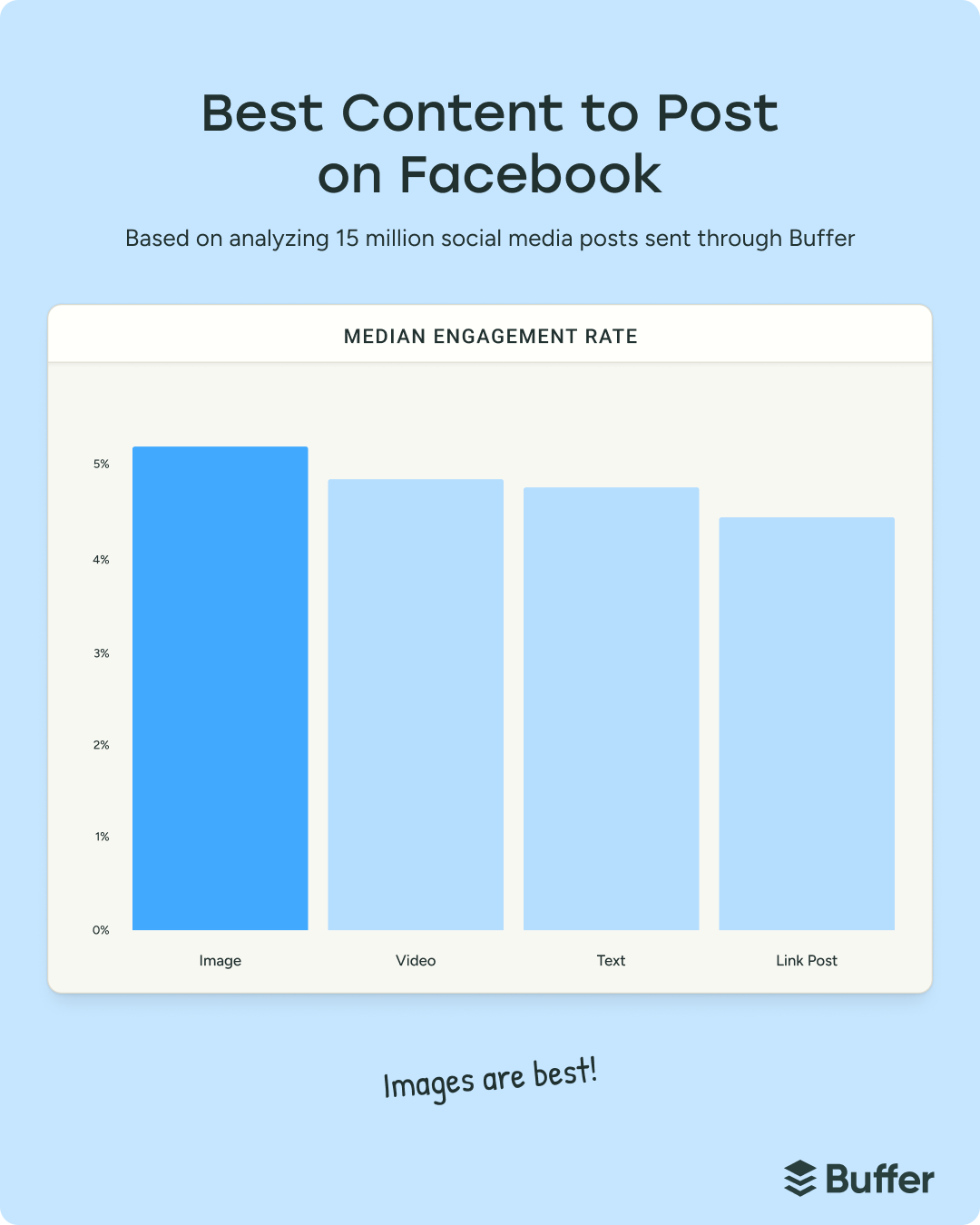
Facebook, often considered the "old faithful" of social media, reveals a remarkably tight race for engagement. Images marginally lead with a median engagement rate of 5.20%, closely followed by video at 4.84% and text posts at 4.70%. This narrow margin suggests a more balanced content ecosystem compared to other platforms, where a diverse range of content types can perform well. The most notable insight from Facebook’s data is the consistent underperformance of link posts, aligning with a broader industry trend towards "zero-click content." Platforms and their users increasingly prefer content that can be consumed entirely within the app, minimizing external navigation. This indicates that for Facebook, while images still hold a slight edge, a varied content strategy incorporating high-quality images, compelling videos, and engaging text posts is likely to yield the best results for audience interaction.
Threads: Visuals Trump Text in the New Town Square
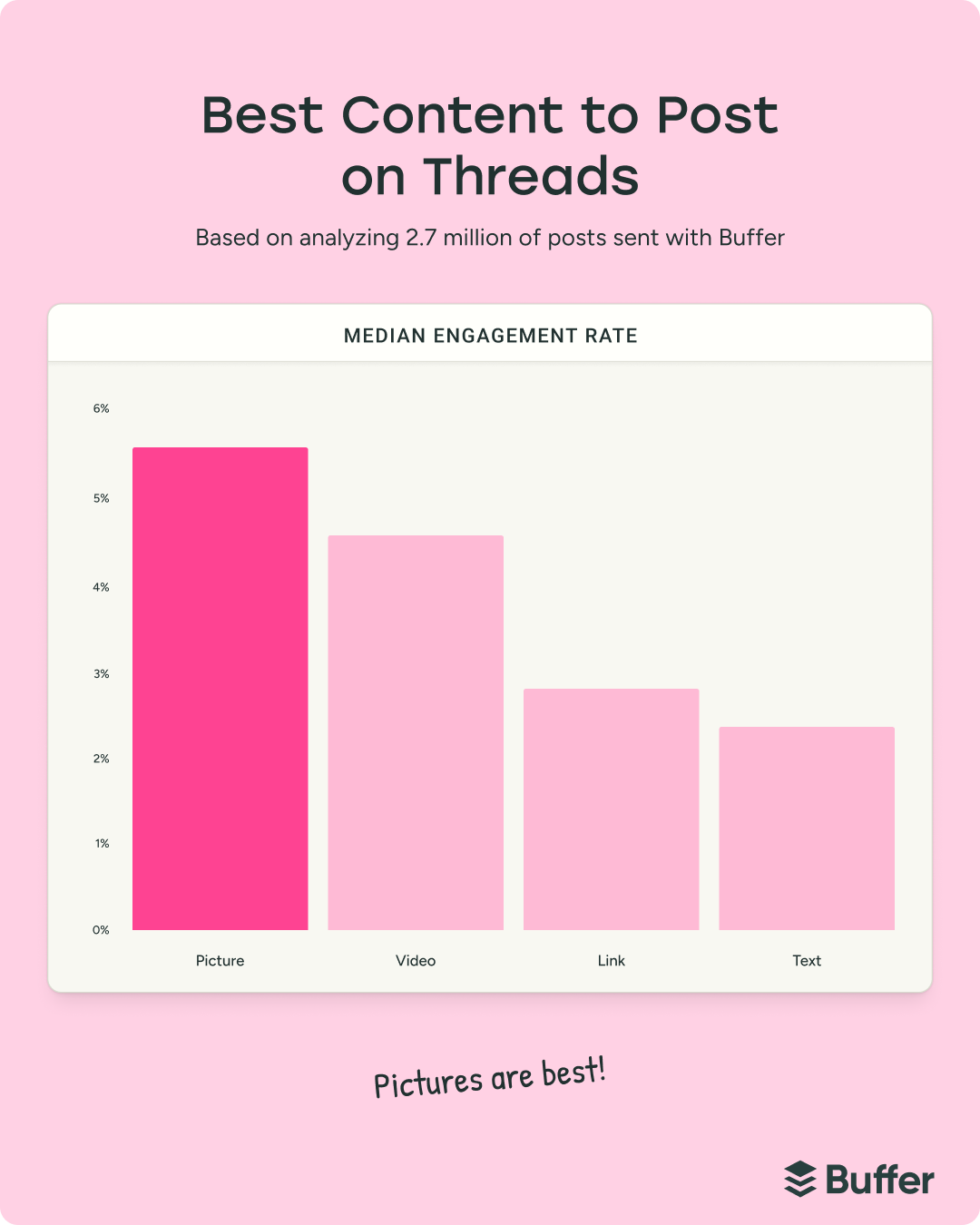
Threads, a relatively newer player in the microblogging space, surprisingly sees video taking the lead in engagement with a median rate of 5.55%, up from its previous second-place position. Images follow at 4.55%. This is particularly interesting for a platform often viewed as a direct competitor to X (formerly Twitter), which remains text-centric. The continued gap between visuals (video and images) and text or links on Threads suggests that even in a conversation-focused environment, visual content is more effective at stopping the scroll and initiating interaction. As a young platform with actively evolving algorithms, Threads’ preference for visuals indicates that creators looking to grow their presence should prioritize engaging video and image content to capture attention.
X (formerly Twitter): Text Endures Amidst Visual Inroads
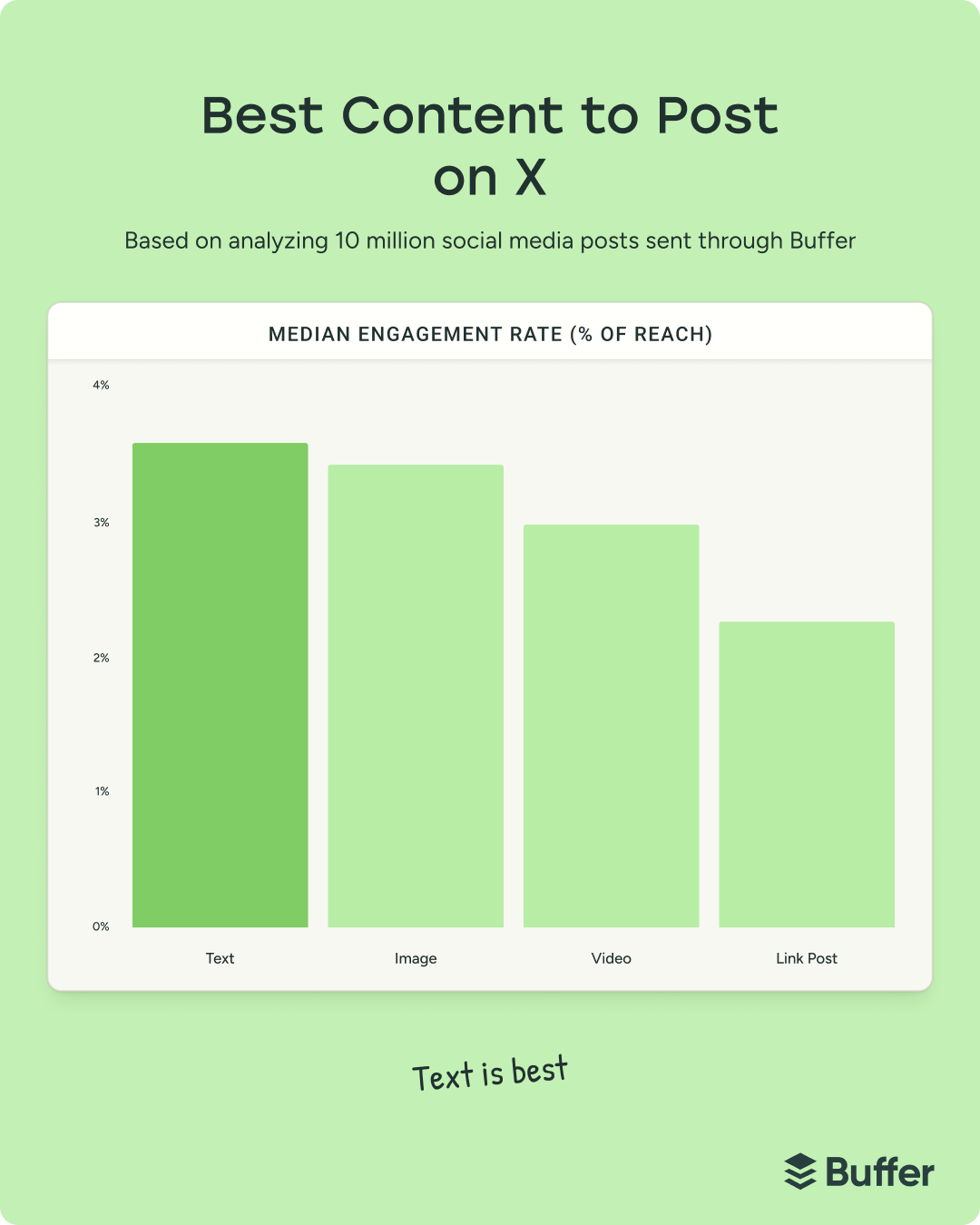
Despite X’s stated ambition to evolve into an "everything app" that supports a wider array of multimedia, the platform’s microblogging roots remain firmly intact. Text posts still generate the highest median engagement rate at 3.56%, closely followed by images at 3.40%. While images have steadily gained ground, the core identity of X as a platform for concise textual updates, real-time commentary, and sharp insights continues to resonate most strongly with its user base. Video and links lag further behind in engagement. For content creators on X, the primary focus should remain on crafting compelling, concise text, often augmented by relevant images to enhance visibility and context. Short video clips, if impactful, can also provide an edge.
Pinterest: A Surprising Shift Towards Video
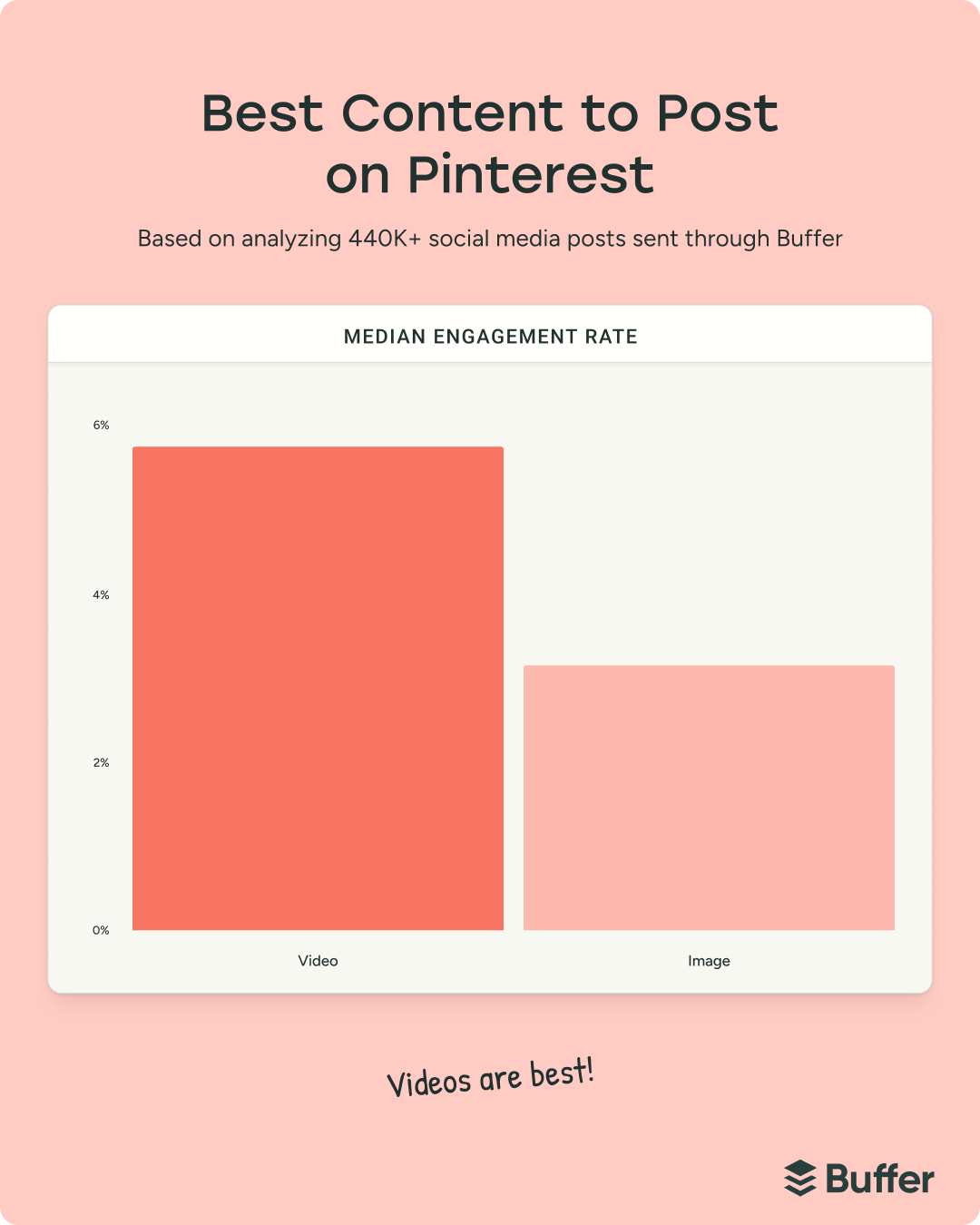
Perhaps the most unexpected finding in the report comes from Pinterest, a platform historically synonymous with static, aesthetically pleasing images. The 2026 data reveals that video leads in engagement with a median rate of 5.75%, significantly outperforming images at 3.15%. This shift reflects Pinterest’s strategic investments in video content, particularly through formats like Idea Pins, which aim to drive inspiration, tutorials, and ultimately, shopping. For years, Pinterest users curated visual boards of static images, but the platform’s push for dynamic content, including short video guides and product showcases, is clearly paying off in terms of user interaction. Content creators on Pinterest must adapt to this evolving landscape, incorporating video pins into their strategy to capitalize on this newfound engagement potential.
Bluesky: Early Signals Favor Video
As the newest platform included in this analysis, Bluesky’s data is still in its early stages. However, initial signals point towards video as the leading format, with a median of 5 interactions, surpassing images at 4 interactions. It is crucial to note that Bluesky’s user base is relatively small compared to other platforms, and video content volume is considerably lower than image posts within the dataset. While these early trends suggest video’s potential, further monitoring as the platform matures will be necessary to draw definitive conclusions. Early adopters, however, might find an advantage in experimenting with video content on Bluesky.
Broader Implications for Content Strategy and Consistency
The 2026 State of Social Media Engagement report delivers a clear message: the days of a monolithic content strategy are over. The effectiveness of a content format is intrinsically linked to the specific platform, its algorithms, and the prevailing user behavior. While video is undeniably a powerful tool for extending reach and attracting new audiences, especially on platforms like TikTok, Instagram Reels, Threads, and Pinterest, it is not always the optimal choice for fostering deeper engagement with an existing community. Platforms like LinkedIn, Instagram (for engagement), and Facebook demonstrate the continued power of carousels and static images, while X remains a bastion for text-first communication.
A critical takeaway for content strategists is the distinction between reach and engagement. Reach metrics measure how many unique users see a post, often a goal for brand awareness and audience growth. Engagement metrics, such as likes, comments, shares, and saves, indicate the depth of interaction and loyalty from an audience. A successful strategy often requires balancing these two objectives, perhaps using video for top-of-funnel awareness and other formats for nurturing existing relationships.
Furthermore, the report reiterates the paramount importance of audience-centricity. The "best" content format is ultimately determined by the preferences and habits of a specific target audience, necessitating continuous experimentation and analysis of proprietary analytics. What works for one brand or creator may not work for another, even on the same platform.
Finally, consistency emerges as a non-negotiable factor for success. Buffer’s research has consistently shown that consistent posting can yield as much as five times more likes, comments, and shares across platforms. Therefore, when choosing a content format, creators must consider not just its potential engagement rate, but also their capacity to produce that content consistently over time. If text posts are more feasible to create regularly than high-production videos, consistency with text may outperform sporadic, high-effort video attempts.
In conclusion, the 2026 social media landscape is characterized by its dynamic complexity and nuanced user behaviors. The era of blindly pursuing a "video-first" strategy across all channels is giving way to a more sophisticated, data-driven approach. Successful content creation now demands a deep understanding of each platform’s unique algorithmic preferences, a clear definition of content goals (reach vs. engagement), and an unwavering commitment to consistent, audience-tailored content delivery.